ALBANY, N.Y.--(BUSINESS WIRE)--Jan 8, 2026--
Soluna Holdings, Inc. (“Soluna” or the “Company”) (NASDAQ: SLNH), a developer of green data centers for intensive computing applications, including Bitcoin mining and AI, today signed a Memorandum of Understanding (MOU) with Siemens, a leading technology company in electrification, automation and digitalization. The project will deploy and validate a behind-the-meter power-and-controls approach to manage rapid, GPU-driven swings in power demand when running AI and high-performance computing workloads directly on renewable energy.
This press release features multimedia. View the full release here: https://www.businesswire.com/news/home/20260108787769/en/
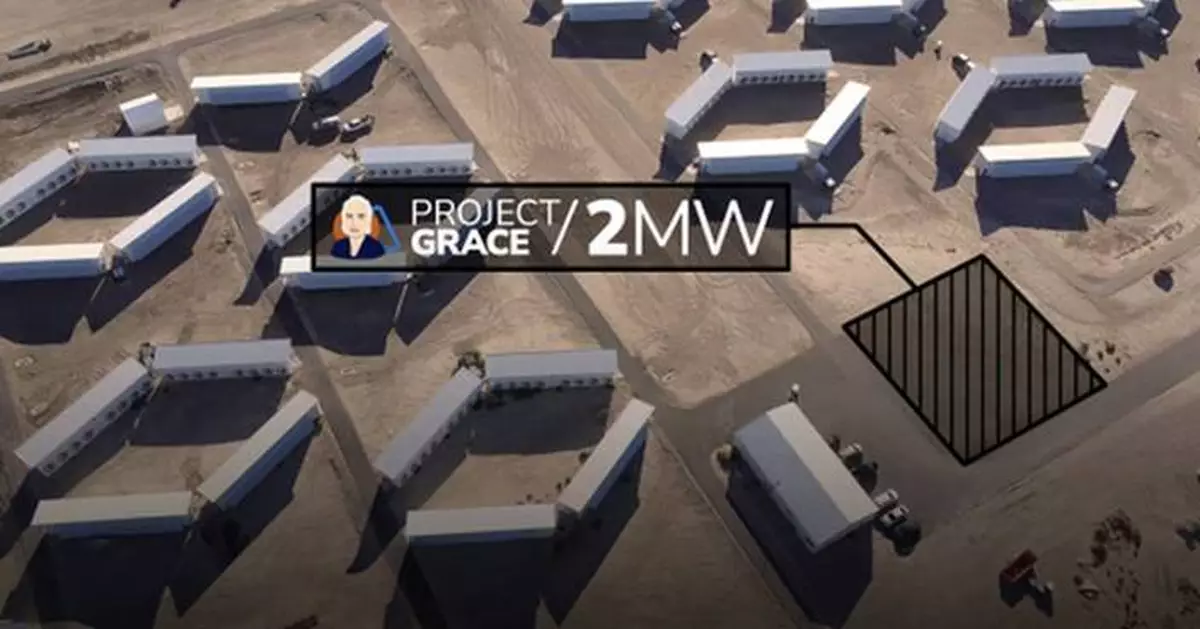
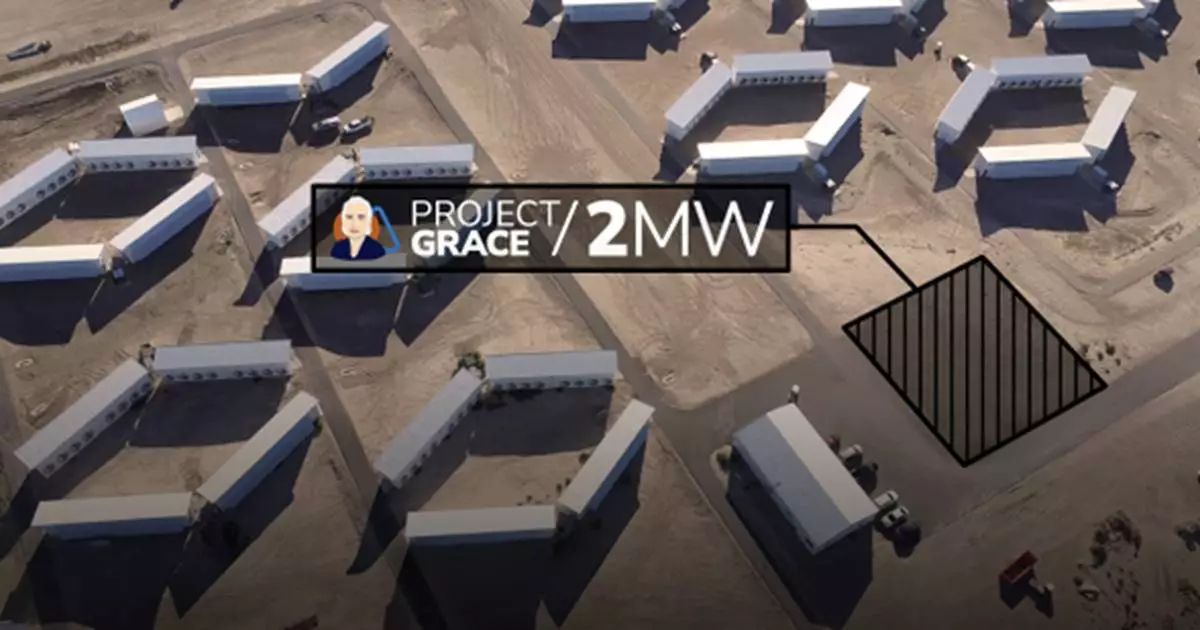
The 2 MW pilot, expected to be deployed at Soluna’s Project Grace site in Texas, will integrate Siemens’ electrical infrastructure, controls, and monitoring through a structured commissioning process to document performance under fast load steps and variable compute demand, creating a repeatable blueprint for future behind-the-meter AI deployments at renewable generation sites.
AI demand is accelerating, but GPU-driven workloads can create rapid swings in power demand that challenge stability and power quality in behind-the-meter environments powered by renewables. At the Project Grace site, Soluna and Siemens will use the pilot to capture performance data and operational learnings under representative workloads. These findings are expected to inform how the approach can be replicated across future behind-the-meter deployments at renewable generation sites.
“One of the biggest challenges to scaling AI technology is the amount of compute power it demands,” said John Belizaire, CEO of Soluna. “The value of this partnership is the opportunity to solve that challenge with infrastructure that already exists. We can tap into clean energy that would otherwise go unused, at a competitive cost to grid power, to create a win-win for power providers and customers.”
Project Grace will be fully equipped with Siemens electrical and mechanical equipment, including transformers, switchgear, power converters, and ancillary systems. The pilot will test this equipment in a behind-the-meter environment and establish performance metrics to ensure scalability, grid stability, and energy efficiency. The facility will utilize the Siemens SICAM SCADA platform for monitoring and control.
“We believe AI has become foundational to every industry, and we’re focused on removing today’s roadblocks so the technology can scale responsibly,” said Brian Dula, President of Electrification and Automation at Siemens Smart Infrastructure USA. “This pilot with Soluna allows us to test, validate, and demonstrate what’s possible when renewable energy and existing infrastructure are optimized to power AI, both today and in the future.”
Looking ahead, Soluna and Siemens anticipate validating an enterprise-grade, repeatable blueprint for behind-the-meter renewable compute, combining Siemens’ proven power infrastructure and controls with Soluna’s renewable-first data center model. Together, we aim to innovate to ensure customers will scale AI and high-performance workloads faster - with measurable gains in grid stability, energy efficiency, and carbon impact.
Stay tuned for additional information as the project progresses at solunacomputing.com.
Safe Harbor Statement by Soluna
This announcement contains forward-looking statements. These statements are made under the “safe harbor” provisions of the U.S. Private Securities Litigation Reform Act of 1995. These forward-looking statements include all statements, other than statements of historical fact, regarding our current views and assumptions with respect to future events regarding our business, our expectations with respect to the deployment of the 2 MW pilot and the completion of Project Grace, and other statements that are predictive in nature. These forward-looking statements can be identified by terminology such as “will,” “expects,” “anticipates,” “future,” “intends,” “plans,” “believes,” “estimates,” “confident,” and similar statements. Soluna may also make written or oral forward-looking statements in its periodic reports to the U.S. Securities and Exchange Commission (“SEC”), in its annual report to shareholders, in press releases and other written materials, and in oral statements made by its officers, directors or employees to third parties. Statements that are not historical facts, including but not limited to statements about Soluna’s beliefs and expectations, are forward-looking statements. Forward-looking statements involve inherent risks and uncertainties, further information regarding which is included in the Company’s filings with the SEC. All information provided in this press release is as of the date of the press release, and Soluna undertakes no duty to update such information, except as required under applicable law.
About Soluna Holdings, Inc. (Nasdaq: SLNH)
Soluna is on a mission to make renewable energy a global superpower, using computing as a catalyst. The Company designs, develops, and operates digital infrastructure that transforms surplus renewable energy into global computing resources. Soluna’s pioneering data centers are strategically co-located with wind, solar, or hydroelectric power plants to support high-performance computing applications, including Bitcoin Mining, Generative AI, and other compute-intensive applications. Soluna’s proprietary software MaestroOS(™) helps energize a greener grid while delivering cost-effective and sustainable computing solutions and superior returns. To learn more, visit solunacomputing.com and follow us on:
LinkedIn: https://www.linkedin.com/company/solunaholdings/
X (formerly Twitter): x.com/solunaholdings
YouTube: youtube.com/c/solunacomputing
Newsletter: bit.ly/solunasubscribe
Resource Center: solunacomputing.com/resources
Soluna regularly posts important information on its website and encourages investors and potential investors to consult the Soluna investor relations and investor resources sections of its website regularly.
About Siemens
Siemens Corporation is a U.S. subsidiary of Siemens AG, a leading technology company focused on industry, infrastructure, transport, and healthcare. The company’s purpose is to create technology to transform the everyday, for everyone. By combining the real and the digital worlds, Siemens empowers customers to accelerate their digital and sustainability transformations, making factories more efficient, cities more livable, and transportation more sustainable. A leader in industrial AI, Siemens leverages its deep domain know-how to apply AI – including generative AI – to real-world applications, making AI accessible and impactful for customers across diverse industries. Siemens also owns a majority stake in the publicly listed company Siemens Healthineers, a leading global medical technology provider pioneering breakthroughs in healthcare. For everyone. Everywhere. Sustainably.
In fiscal year 2025, which ended on September 30, 2025, the Siemens Group USA generated revenue of $24.427 billion with 25 manufacturing sites across the U.S. and more than 50,000 employees serving customers in all 50 states and Puerto Rico.
Siemens Smart Infrastructure (SI) is shaping the market for intelligent, adaptive infrastructure for today and the future. It addresses the pressing challenges of urbanization and climate change by connecting energy systems, buildings, and industries. SI provides customers with a comprehensive end-to-end portfolio from a single source – with products, systems, solutions, and services from the point of power generation all the way to consumption. With an increasingly digitalized ecosystem, it helps customers thrive and communities progress while contributing toward protecting the planet. To protect this journey, we foster holistic cybersecurity to ensure secure and reliable operations. Siemens Smart Infrastructure has its global headquarters in Zug, Switzerland, and its U.S. corporate headquarters in Peachtree Corners, Georgia, USA. As of September 30, 2025, the business had around 79,400 employees worldwide.
Soluna and Siemens Collaborate to Solve GPU Power Swings in Behind-the-Meter AI