BOSTON--(BUSINESS WIRE)--Jan 8, 2026--
Toast (NYSE: TOST), the digital platform built for hospitality, announced its latest platform updates for retailers, including retail-specific capabilities to its Toast IQ AIassistant and a host of core platform updates designed to help retailers operate faster and more efficiently, driving their businesses forward. The company will showcase these updates at the 2026 National Retail Federation Show in New York City.
This press release features multimedia. View the full release here: https://www.businesswire.com/news/home/20260108083521/en/
“Retailers need new ways to unlock greater efficiency and growth—without adding time spent or operational complexity,” said Omri Traub, COO, Retail at Toast. “With Toast IQ, operators have an AI-powered ‘right hand’ partner that understands the flow of inventory and pricing as naturally as a store manager does, surfacing helpful, actionable insights at the right time. And features like Advertising make it easy to reach new customers. These updates are designed to help our retail customers gain a critical edge. We will continue to innovate in collaboration with customers as we grow our retail community on Toast.”
New Toast IQ capabilities drive insights and action
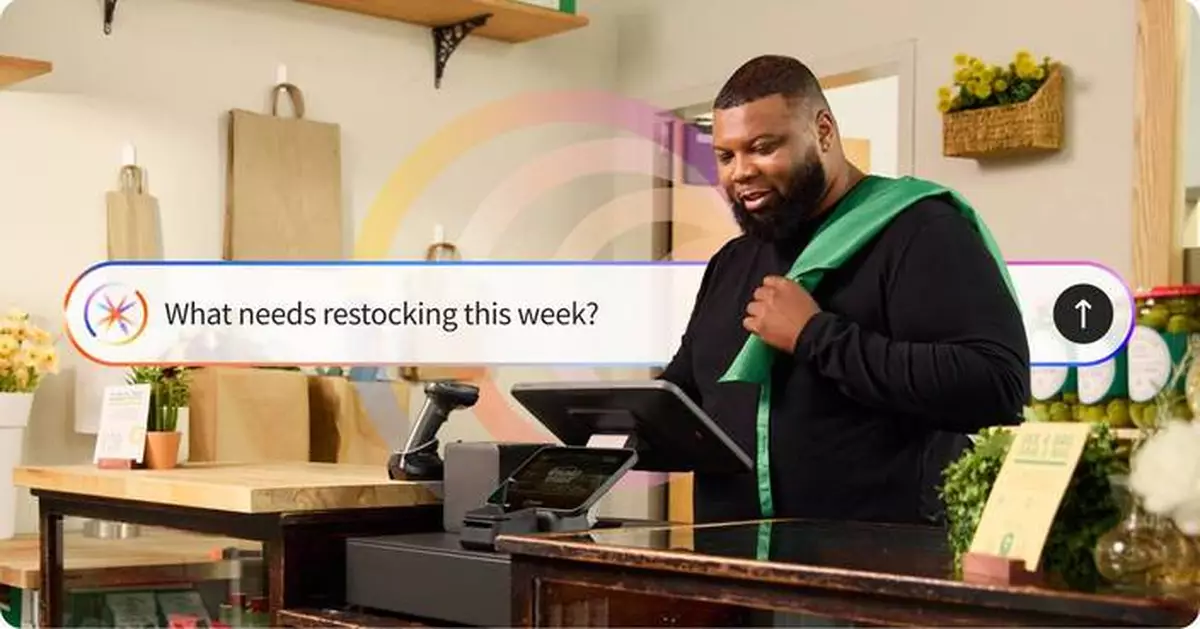
Recent Toast research shows that over 83% of food and beverage retail operators plan to increase their use of AI tools in 2026. 1 The Toast IQ AI assistant enables retailers to move at the speed of conversation by instantly showing users what’s selling, what’s running low, and where margin opportunities lie in their business. Responding to natural language prompts, Toast IQ’s latest updates bring powerful restocking, pricing, seasonal, and SKU management insights into the Toast platform, helping retail operators simplify daily tasks and make personalized, relevant data-driven decisions faster.
Toast IQ connects insight to execution directly within the Toast platform—surfacing opportunities and enabling retailers to ask complex questions and take action. Examples include:
Additional Toast platform updates designed for the rhythms of retail
Retailers rank all-in-one functionality as one of the most important criteria when selecting a point-of-sale system. 1 Toast is designed to support complex retail operations, enabling operators to use multiple service models and checkout experiences in-store and online. Toast also plans to enhance its platform with a host of other features for retail operators, including:
For Kirsten Maitland, Co-Owner at Rebel Cheese in New York City, Toast helps her take control of inventory management and provides the real-time visibility she needs to run her business efficiently:
“Even with all the complexities of selling cheese by the quarter-pound and accounting for samples, Toast makes the whole system run smoothly. The team can update inventory in seconds, and Toast keeps everything accurate across in-store and delivery channels. It takes what could be a really complicated process and makes it simple and reliable—and because of that, we haven’t had an out-of-stock issue in a long time.
“Margins and cash flow are things I’m constantly watching, and Toast makes that so much easier. Prices are always fluctuating, so I rely on Toast to monitor my margins and alert me when something drops below my threshold. If an item falls under 40%, I know right away and can either raise the price or stop carrying it. With hundreds of products, you can’t track every single item manually—Toast gives me the visibility to protect my margins and take action fast.”
Visit our retailpage and National Retail Federation Booth #6345 to learn more.
*Indicates early development and early release features.
About Toast
Toast [NYSE: TOST] is a cloud-based, all-in-one digital technology platform purpose-built for the entire restaurant community. Toast provides a comprehensive platform of software as a service (SaaS) products and financial technology solutions that give restaurants everything they need to run their business across point of sale, payments, operations, digital ordering and delivery, marketing and loyalty, and team management. We serve as the restaurant operating system, connecting front of house and back of house operations across service models including dine-in, takeout, delivery, catering, and retail. Toast helps restaurants streamline operations, increase revenue, and deliver amazing guest experiences. For more information, visit www.toasttab.com.
Forward-Looking Statements
This press release contains “forward-looking statements,” within the meaning of Section 27A of the Securities Act of 1933, Section 21E of the Securities Exchange Act of 1934 and the Private Securities Litigation Reform Act of 1995. Forward-looking statements may be identified by the context of the statement and generally arise when Toast or its management is discussing its beliefs, estimates or expectations. Such statements generally include the words “believes,” “plans,” “intends,” “may,” “will,” “expects,” “anticipates,” “outlook,” “continues,” or similar expressions. These statements are not historical facts or guarantees of future performance, but represent the beliefs of Toast and its management at the time the statements were made regarding future events which are subject to certain risks, uncertainties and other factors, many of which are outside Toast’s control. Actual results and outcomes may differ materially from what is expressed or forecast in such forward-looking statements. Forward-looking statements include, without limitation, statements regarding Toast’s business plans and strategy in serving retail customers, Toast’s innovation strategies, the development and release of Toast IQ product and features and additional platform updates, including their intended functionalities and anticipated benefits to Toast and its customers, customers’ perceptions of these existing and future products, features and updates, and the arrangements between Toast and its partners and the anticipated benefits of such partnership on Toast’s business and operations.
The forward-looking statements contained in this release are also subject to other risks and uncertainties, including those more fully described in Toast’s filings with the Securities and Exchange Commission (“SEC”), including in the sections entitled “Risk Factors” and “Management’s Discussion and Analysis of Financial Condition and Results of Operations'' in Toast’s Annual Report on Form 10-K for the year ended December 31, 2024, Toast’s Quarterly Report on Form 10-Q for the quarter ended September 30, 2025, and Toast’s subsequent SEC filings. Toast can give no assurance that the plans, intentions, expectations or strategies as reflected in or suggested by those forward-looking statements will be attained or achieved. The forward-looking statements in this release are based on information available to Toast as of the date hereof, and Toast disclaims any obligation to update any forward-looking statements, except as required by law. These forward-looking statements should not be relied upon as representing Toast’s views as of any date subsequent to the date of this press release.
TOST-CORP
1 To help better understand the retail industry, Toast conducted a blind survey of 492 Retail decision-makers operating 16 or fewer locations in the United States including both Toast and non-Toast customers from April 18, 2025 to May 13, 2025. Respondents include a mix of convenience stores, bottle shops, and grocery stores. Respondents were not made aware that Toast was fielding the study. Panel providers granted incentives to respondents for participation. Using a standard margin of error calculation, at a confidence interval of 95%, the margin of error on average is +/- 5%.
2 Based on Toast Advertising data from beta users from January 1, 2025 to October 30, 2025 for live Google Ads campaigns with at least $300 in ad spend and that launched on September 30, 2025, or before. Data based on actual online order values, as well as estimated store visits and average on-premise order value. Individual results will vary. Ad spend excludes any applicable service fees from Toast.
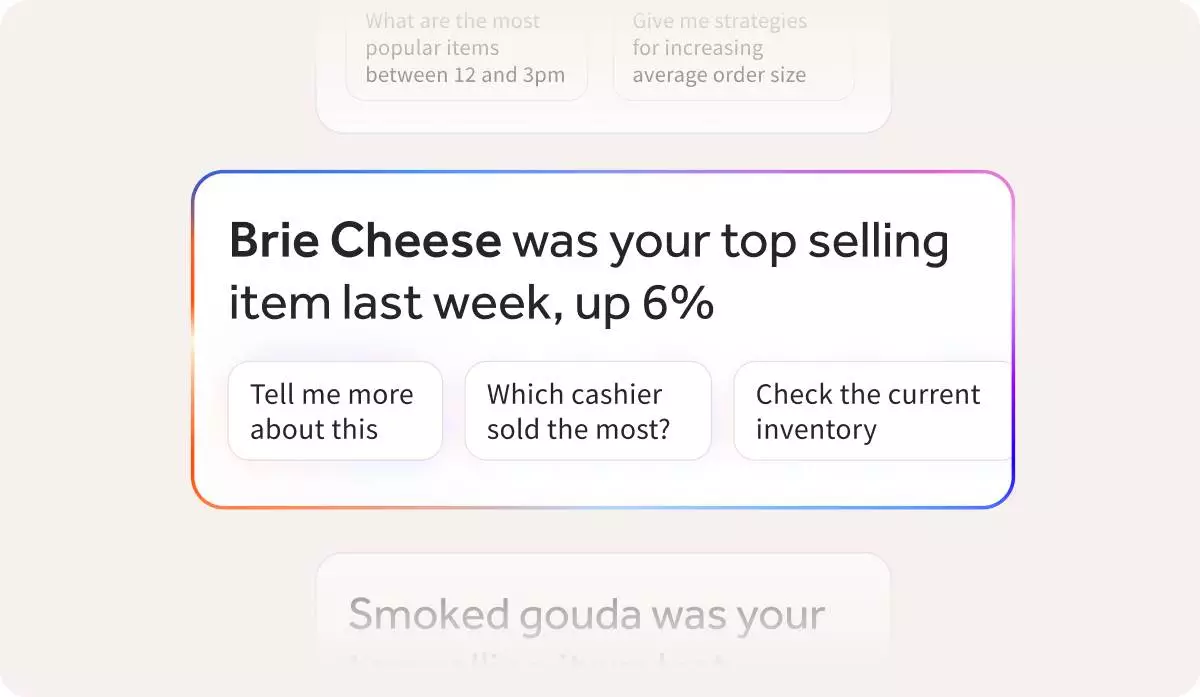
Toast IQ connects insight to execution directly within the Toast platform—surfacing opportunities and enabling retailers to ask complex questions and take action.
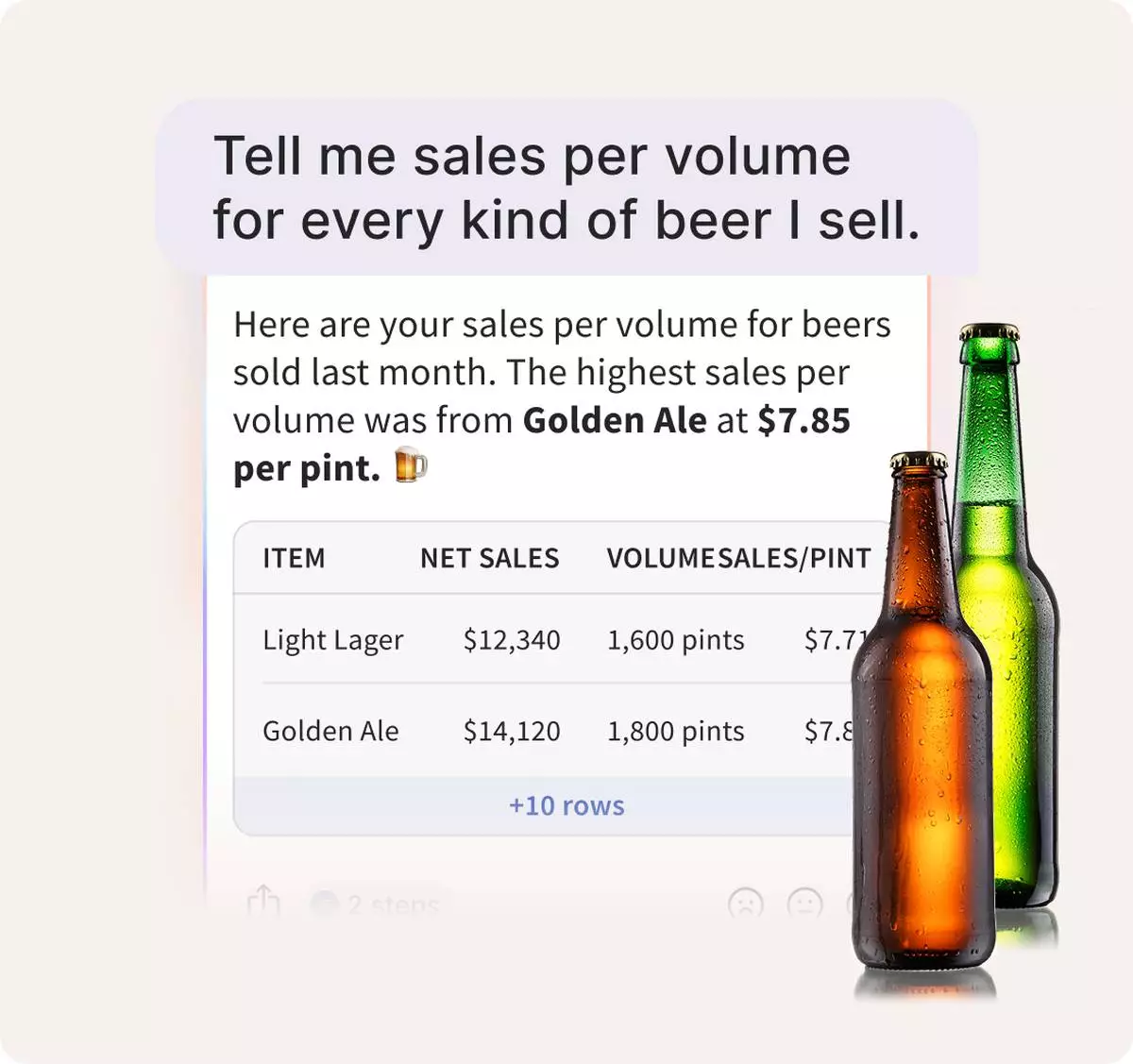
Responding to natural language prompts, Toast IQ’s latest updates bring powerful restocking, pricing, seasonal, and SKU management insights into the Toast platform, helping retail operators simplify daily tasks and make personalized, relevant data-driven decisions faster.
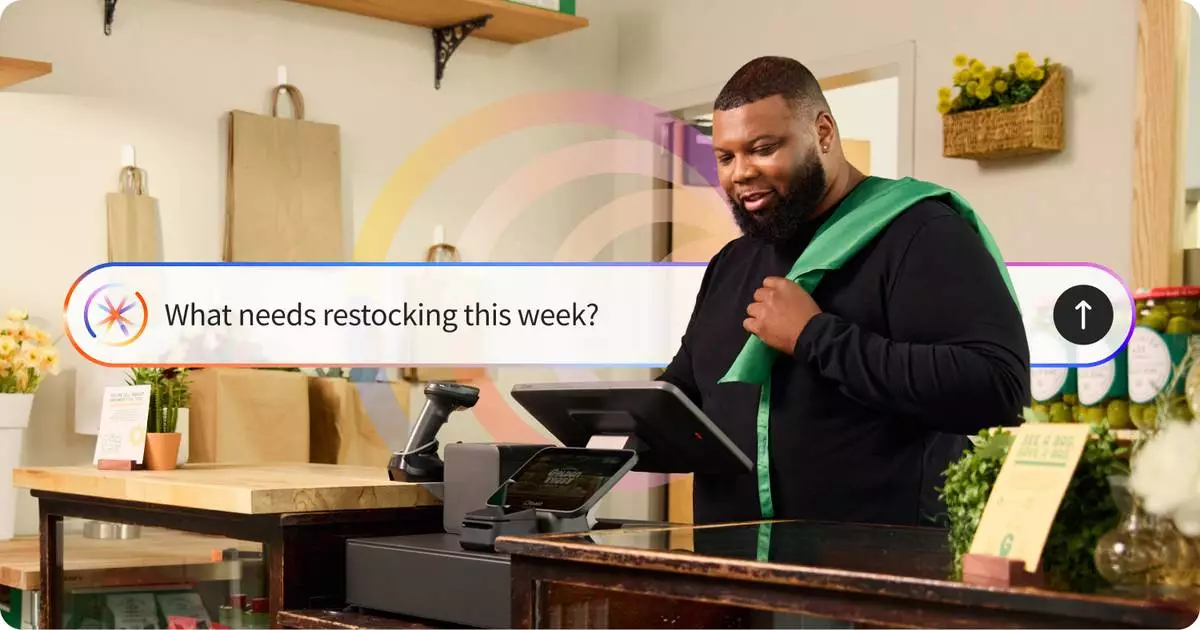
The Toast IQ AI assistant enables retailers to move at the speed of conversation by instantly showing users what’s selling, what’s running low, and where margin opportunities lie in their business.