Rates and Government rent due January 30
Demands for rates and/or Government rent for the quarter from January to March 2026 have been issued, and payment should be made by January 30, 2026.
Payment can be made:
(1) by using autopay, the Faster Payment System (FPS), PPS, Internet banking or bank automated teller machines (ATMs);
(2) by uploading an e-Cheque/e-Cashier Order via the Pay e-Cheque portal (www.payecheque.gov.hk);
(3) by sending a crossed cheque to the Treasury, PO Box No. 28000, Sham Shui Po Post Office, Hong Kong (mail with insufficient postage will be rejected); or
(4) in person at any post office or designated convenience store in Hong Kong (i.e. 7-Eleven, Circle K or U select). For the addresses and opening hours of post offices, please call the Hongkong Post enquiry hotline on 2921 2222 or visit its website (www.hongkongpost.hk).
If payers have not received the demands, they may obtain replacement demands or enquire as to the amount payable by (i) visiting the Rating and Valuation Department (RVD)'s website (www.rvd.gov.hk); (ii) calling 2152 0111; (iii) faxing 2152 0113; or (iv) visiting the RVD, 15/F, Cheung Sha Wan Government Offices, 303 Cheung Sha Wan Road, Kowloon.
There will be no rates concession for this quarter. The total amount due is shown on the demand. Non-receipt or late receipt of the demand does not alter the requirement that the total amount due must be paid by January 30, 2026. A surcharge of 5 per cent will be imposed for late payment. A further surcharge of 10 per cent will be levied on the amount (including the 5 per cent surcharge) which remains unpaid six months after the last day for payment.
For payment by autopay, the rates and/or Government rent will be debited from payers' bank accounts on January 30, 2026. Payers should ensure that there are sufficient funds in their bank accounts to meet the payments on that date until settlement.
To support environmental protection, payers are encouraged to utilise the RVD's free eRVD Bill service to receive e-bills and make payments, and to settle bills by autopay or other means of e-payment (e.g. FPS, PPS, Internet banking, e-Cheque/e-Cashier Order or ATMs) to save queuing time. Application forms for autopay can be obtained by downloading from the RVD's website, visiting the RVD, District Offices and banks or by calling 2152 0111.

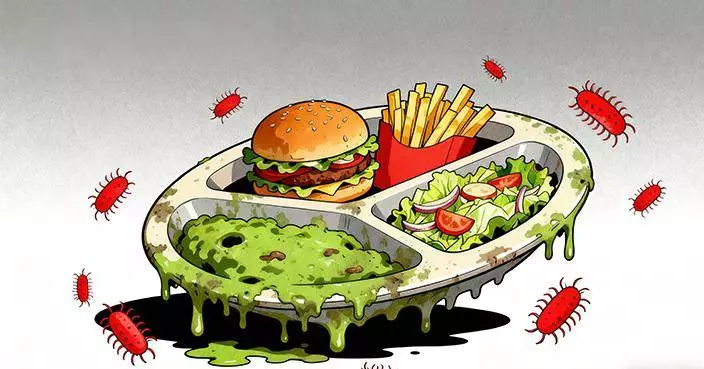
Source: AI-created image
Hong Kong Customs detects two dangerous drugs cases and seizes suspected drugs worth about $7.95 million
Hong Kong Customs detected two dangerous drugs cases in Tseung Kwan O and Hong Kong International Airport respectively yesterday (May 21) and today (May 22), and seized a total of about 21.8 kilograms of assorted drugs with a total estimated market value of about $7.95 million. Two men and one woman, aged between 38 and 49, were arrested.
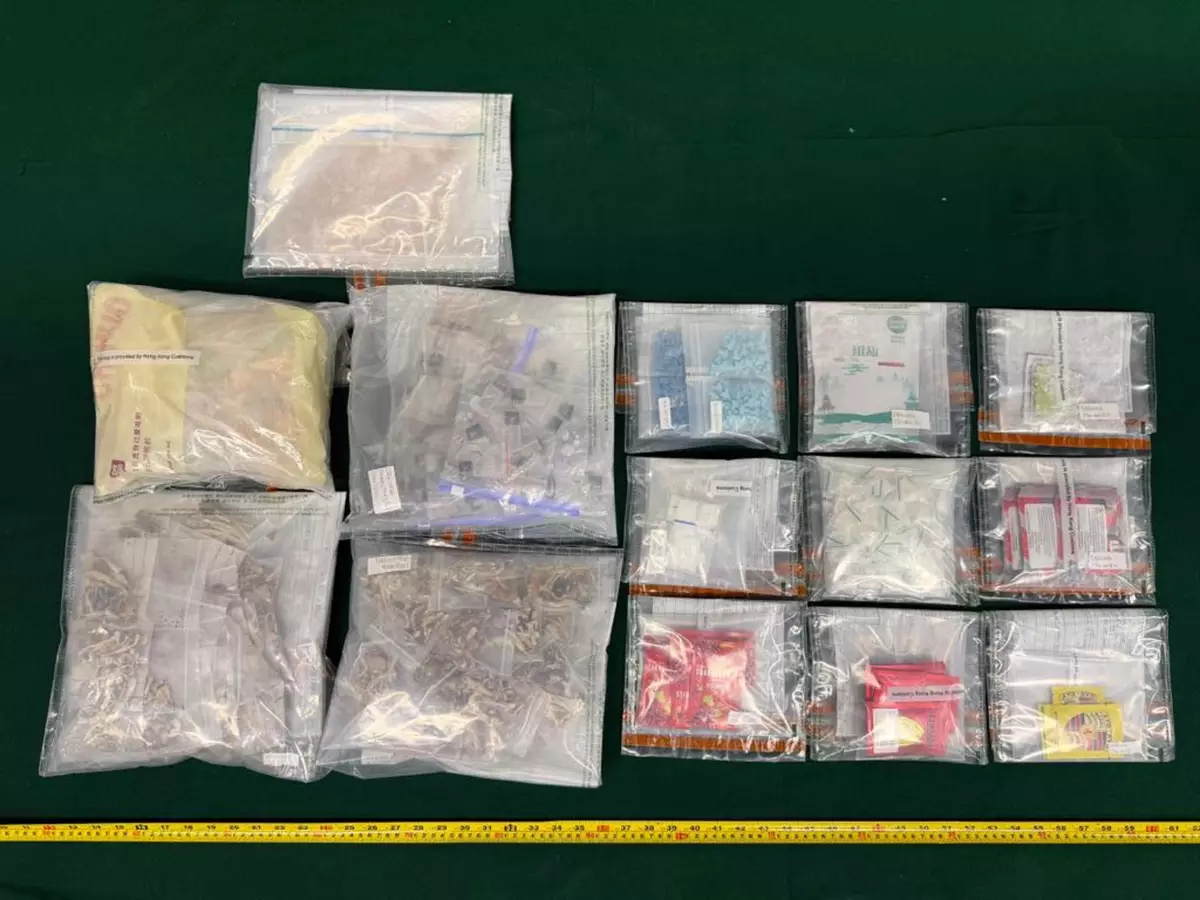
In the first case, Customs officers intercepted a 48-year-old man and a 49-year-old woman in Tseung Kwan O during an anti-narcotics operation yesterday afternoon. About 3.8kg of suspected drugs, including ketamine, methamphetamine, etomidate capsules, psilocybin mushrooms, MDMA and a batch of suspected drug packaging paraphernalia were found in their residence in the same district. They were then arrested.
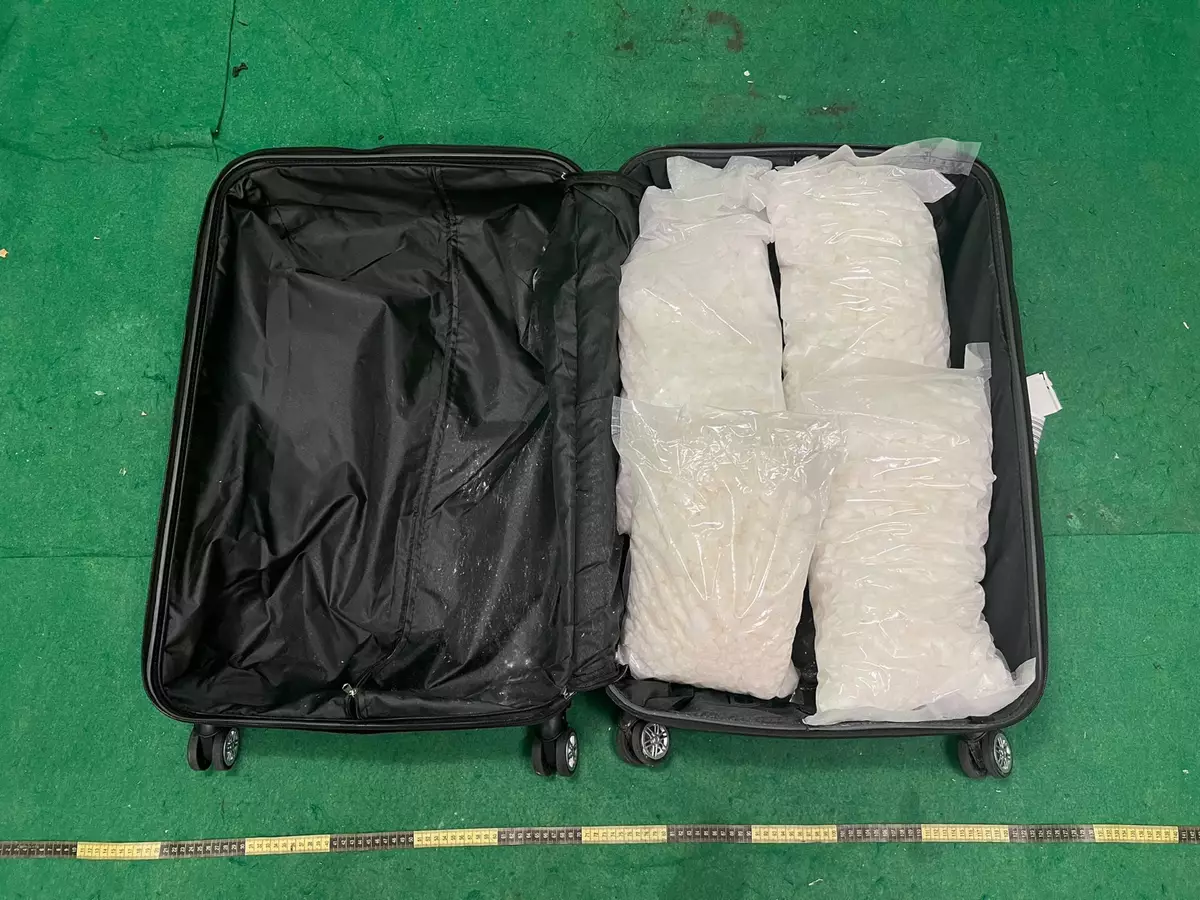
In the second case, a 38-year-old male passenger arrived in Hong Kong from Amsterdam, the Netherlands, today. During customs clearance, Customs officers found about 18kg of suspected ketamine inside his check-in suitcase and 33 sticks of duty-not-paid cigarette inside his carry-on baggage. The man was subsequently arrested.
The arrested man and woman in the first case have been jointly charged with one count of trafficking in a dangerous drug and one count of possession of apparatus fit and intended for the inhalation of a dangerous drug. The case will be brought up at the Kwun Tong Magistrates' Courts tomorrow (May 23), while an investigation is ongoing for the second case.
Customs will continue to step up enforcement against drug trafficking activities through intelligence analysis. The department also reminds members of the public to stay alert and not participate in drug trafficking activities for monetary return. They must not accept hiring or delegation from another party to carry controlled items into and out of Hong Kong. They are also reminded not to carry unknown items for other people.
Customs will continue to apply a risk assessment approach and focus on selecting passengers from high-risk regions for clearance to combat transnational drug trafficking activities.
Under the Dangerous Drugs Ordinance, trafficking in a dangerous drug is a serious offence. The maximum penalty upon conviction is a fine of $5 million and life imprisonment.
Under the Dutiable Commodities Ordinance, cigarettes are dutiable goods to which the DCO applies. Any person who imports, deals with, possesses, sells or buys illicit cigarettes commits an offence. The maximum penalty upon conviction is a fine of $2 million and imprisonment for seven years.
Members of the public may report any suspected drug trafficking activities to Customs' 24-hour hotline 182 8080 or its dedicated crime-reporting email account (crimereport@customs.gov.hk) or online form (eform.cefs.gov.hk/form/ced002).
Hong Kong Customs detects two dangerous drugs cases and seizes suspected drugs worth about $7.95 million Source: HKSAR Government Press Releases
Hong Kong Customs detects two dangerous drugs cases and seizes suspected drugs worth about $7.95 million Source: HKSAR Government Press Releases