Many earthquake survivors on Japan's Noto Peninsula are still living in emergency temporary houses two years after the deadly disaster, which left 462 people dead.
More than 1,600 families in Suzu City, Ishikawa Prefecture, are still living in temporary housing units after the 7.6-magnitude earthquake destroyed their homes in January 2024.
"Prior to the earthquake, Suzu City had approximately 5,800 residential houses. The earthquake completely destroyed around 1,770 homes, accounting for about 30 percent of the total. The combined proportion of completely and half-destroyed houses in the earthquake exceeds 70 percent," said Masuhiro Izumiya, Mayor of Suzu City.
Izumiya said the main reasons residents are struggling to rebuild their homes are a local labor shortage and rising construction material prices.
"Our reconstruction effort is faced with a shortage of construction workers as construction companies are overwhelmed with demands. Many companies need to operate from Kanazawa, the prefectural capital of Ishikawa, or establish local offices in Suzu to advance projects, which presents a major logistical issue. Furthermore, compared to pre-disaster levels, prices for construction materials have generally increased, and labor costs have also risen," he said.
Since 2017, the city has been hosting the Oku-Noto International Art Festival every three years to attract tourists and boost the local economy.
However, as local accommodation facilities and restaurants have been unable to resume normal operations, this year's art festival could not be held.
"The art festival was originally planned for this autumn, but it was postponed due to slow progress in reconstruction. There is hope that it can be held in 2029," said Izumiya.
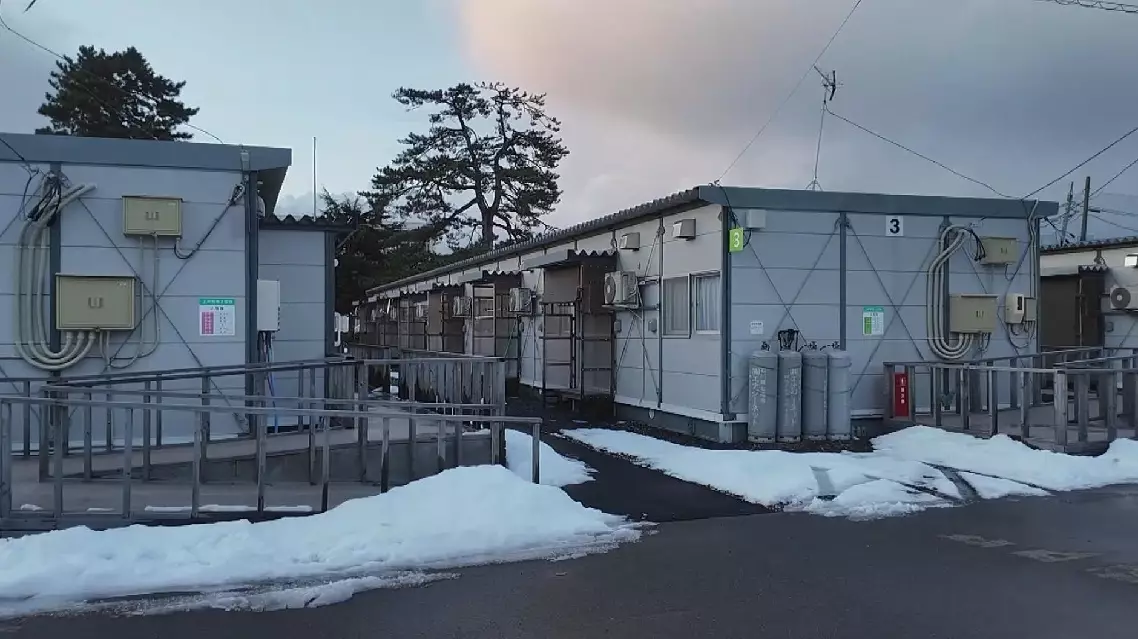
Survivors still live in temporary houses 2 years after earthquake in Japan's Noto Peninsula