DH's Special Care Dental Services Coordinating Committee holds first meeting
The Special Care Dental Services Coordinating Committee (SCDSCC) under the Department of Health (DH) held its inaugural meeting today (January 12). The SCDSCC will advise the Government on the long-term strategic development of special care dental (SCD) services in Hong Kong, with the aim of further enhancing the oral health and quality of life of targeted population groups.
The newly established SCDSCC is co-chaired by the Director of Health, Dr Ronald Lam, and a member of the Specialty Board in Community Dentistry of the College of Dental Surgeons of Hong Kong, Dr Frankie So. Non-official members include representatives from local universities, the dental profession, the healthcare sector, allied health professions and distinguished community members with extensive experience and profound knowledge in relevant fields (see Annex for the list of members).
The SCDSCC reviewed the strategies for public SCD services and the overall oral health condition of the Hong Kong population. Members also discussed how to better address the needs of targeted population groups.
"Oral health is an integral part of general health. In December 2024, the Government released the final report of the Working Group on Oral Health and Dental Care and the corresponding action plan, adopting the strategy to promote prevention-oriented primary oral healthcare among citizens across all age groups while providing essential dental care services for underprivileged groups in particular. It targets underprivileged groups who have difficulties in accessing dental care, namely those with financial difficulties, persons with disabilities or special needs and high-risk groups, to receive essential dental services (including preventive and curative oral health and dental care services) through the public system or subsidy programmes. The Chief Executive proposed to bolster public and subsidised dental services in the 2025 Policy Address to enhance oral health education, oral hygiene instructions, risk assessments, and more in the community. Our target is to implement the strategy that emphasises prevention, early identification, and timely intervention of dental diseases with the objective of retaining teeth, thereby achieving oral and general health of the public," said Dr Lam.
"The Government established the SCDSCC to promote synergy between the Government and the industry, precisely define the scope of SCD services and ensure that the services can meet the specific needs of the targeted groups. The SCDSCC will also monitor, evaluate and review existing public SCD services, including identifying the gaps and challenges in the current service model in order to formulate long-term strategies for enhancing SCD services for the specific groups. Additionally, we will advise on workforce planning and strategies for dental education with respect to SCD services and provide guidance on establishing Special Care Dentistry as a formally recognised specialty in Hong Kong," he added.
According to the latest Report of the Oral Health Survey by the DH, the proportion of non-institutionalised older persons aged 65 to 74 with no teeth significantly dropped from 5.6 per cent in 2011 to 0.9 per cent in 2021, while their number of "teeth in mouth" increased from 19.3 to 22.8 in parallel. This survey also found more remaining teeth in those aged 65 years or above who are long-term care (LTC) users, and a smaller proportion of them had complete tooth loss when compared to the same population groups in 2011. However, untreated decayed teeth were found in more than half of the LTC users, and the cleanliness of their teeth and prostheses was a concern. Therefore, the importance of daily oral care must also be promoted to their carers. The majority of LTC users required modifications in the provision of dental treatment due to their complex medical conditions. Enhanced training for dental professionals to support the future development of primary oral healthcare and SCD services is therefore crucial.
Dr Lam expressed gratitude to all SCDSCC members for contributing valuable insights from their diverse areas of expertise to improve the oral health and quality of life of specific groups, providing the Government with valuable information.
The appointments of the SCDSCC members are effective from December 1, 2025, to November 30, 2027, for a term of two years.
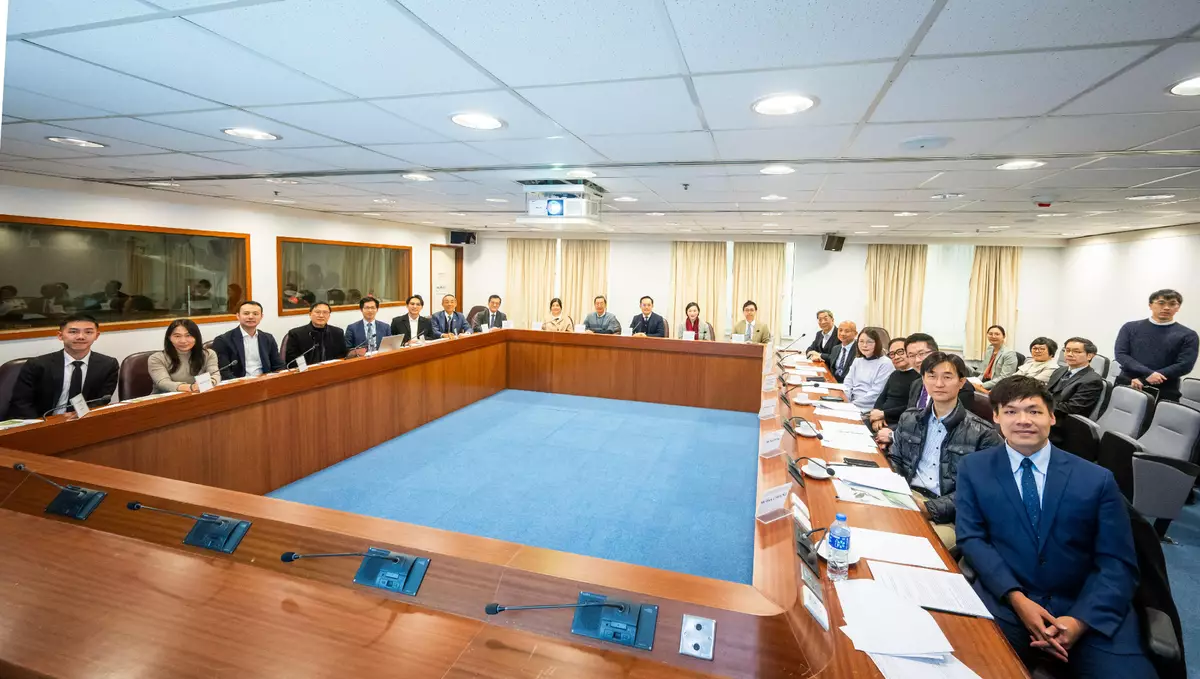
DH's Special Care Dental Services Coordinating Committee holds first meeting Source: HKSAR Government Press Releases

DH's Special Care Dental Services Coordinating Committee holds first meeting Source: HKSAR Government Press Releases
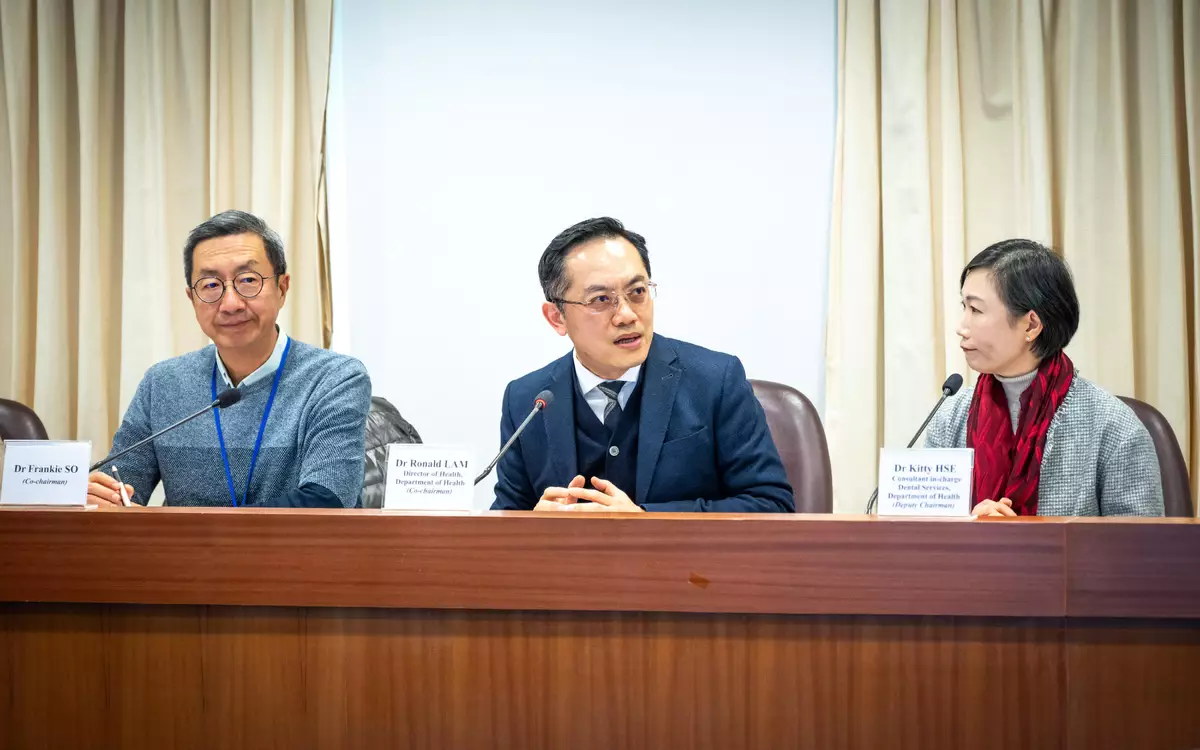
DH's Special Care Dental Services Coordinating Committee holds first meeting Source: HKSAR Government Press Releases