WELLINGTON, New Zealand (AP) — Organizers of Australia’s largest free literary festival canceled the event Tuesday after more than 180 writers and speakers withdrew over the scrapping of an appearance by an Australian-Palestinian writer and academic.
The uproar began when the board of the Adelaide Festival, which runs Adelaide Writers Week, announced on Jan. 8 that they had disinvited Randa Abdel-Fattah from the event “given her previous statements” and citing cultural sensitivities “at this unprecedented time so soon after” an antisemitic mass shooting at Sydney’s Bondi Beach.
There was no suggestion that Abdel-Fattah or her writings “have any connection with the tragedy,” the board members added.
The board didn’t cite specific statements by the lawyer, academic and writer of fiction and nonfiction, and Abdel-Fattah decried the move as “censorship” and said the announcement suggested that her “mere presence” was culturally insensitive.
The episode unfolded amid a fraught national debate in Australia about limits on speech following a massacre at a Dec. 14 Hannukah event at which 15 people were shot dead by two gunmen apparently inspired by Islamic State ideology.
Adelaide Writers Week was scheduled to run for six days beginning in late February, as part of an annual culture festival. Some 160,000 people attended the literary event’s 40th iteration in 2025.
Born in Australia to Palestinian and Egyptian parents, Abdel-Fattah often writes about Islamophobia and had been invited to speak about her novel Discipline, which follows two Muslims, a journalist and a university student, navigating issues of censorship in Sydney. She has been a critic of the Israeli government and an advocate for Palestinians throughout the two-year war in Gaza.
Following the Bondi shooting, the Jewish Community Council for South Australia — the state where Adelaide is located — wrote to the festival to lobby for Abdel-Fattah’s exclusion, the group's spokesperson Norman Schueler told The Adelaide Advertiser. State Premier Peter Malinauskus compared her appearance to “a far-right Zionist going to Writers Week and speaking hateful rhetoric towards Islamic people” following a massacre a at a mosque.
Abdel-Fattah posted to social media on Wednesday that she had sent a legal notice to Malinauskus threatening defamation action. She decried his latest comments as “a vicious personal assault on me, a private citizen, by the highest public official in South Australia.”
Australian news outlets also highlighted the writer's statements on Israel and Zionism.
That included an image she posted after the Hamas-led Oct. 7 attack on Israel showing a parachute displaying the Palestinian flag. She told the Australian Broadcasting Corp. that when she posted the picture, she “had no idea about the death toll, I had no idea about what was happening on the ground,” the outlet reported.
“Of course I do not support the killing of civilians,” she told the ABC.
Detractors also criticized Abdel-Fattah for writing that Zionists had “no claim or right to cultural safety.” Abdel-Fattah told the ABC that she had “never, ever called for Jews to be unsafe.”
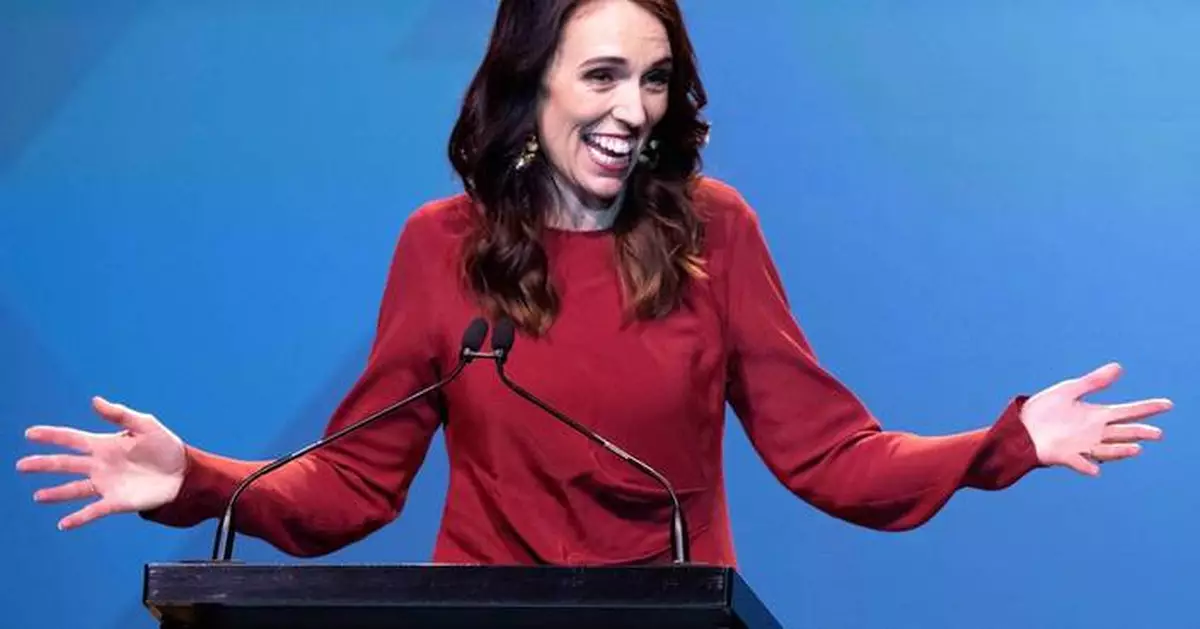
The removal of Abdel-Fattah prompted writers including British novelist Zadie Smith and former New Zealand Prime Minister Jacinda Ardern to withdraw, as well as some sponsors, over the next few days.
The Festival’s director Louise Adler quit Tuesday, citing her objections to the disinvitation, and a new board was appointed to run the wider Adelaide Festival on Wednesday after all remaining members resigned Tuesday.
Adler, a Jewish Australian, wrote in the Guardian that she could not “be party to silencing writers.” She said 70% of the event's speakers had withdrawn.
Later Tuesday, a statement on the Festival’s Facebook page said that the Writers Week would not proceed. The statement, which was not attributed to a named individual, offered an apology to Abdel-Fattah for “how the decision was represented.”
Board members wanted to “reiterate this is not about identity or dissent but rather a continuing rapid shift in the national discourse around the breadth of freedom of expression in our nation following Australia’s worst terror attack in history,” the statement said.
Abdel-Fattah rejected the apology in a post on X Tuesday, lambasting the decision to cancel her appearance as “a blatant act of anti-Palestinian racism.” She said the board had apologized for how her removal was presented but not for the decision itself.
Abdel-Fattah’s exclusion came amid proposed or enacted changes to laws covering hate speech, protest and guns after the Bondi massacre. Some Jewish organizations said national and state leaders should have considered such measures earlier, after a wave of antisemitic arson and vandalism attacks targeted Jewish businesses, schools and synagogues in Sydney and Melbourne during 2024 and early 2025.
New South Wales state, where the shooting happened, passed a law days later that bans protest gatherings during periods following terrorism declarations. The state is also mulling changes that would criminalize certain chants, including some used at pro-Palestinian rallies.
Prime Minister Anthony Albanese announced Tuesday that he would recall the federal parliament in January to vote on his proposed measures to tighten Australia's gun controls and lower criminal thresholds for prosecuting hate speech. He has also announced a major national inquiry, called a royal commission, into antisemitism in Australia and the Bondi attack specifically.
Albanese said a national day of mourning for those killed would be held on Jan. 22.
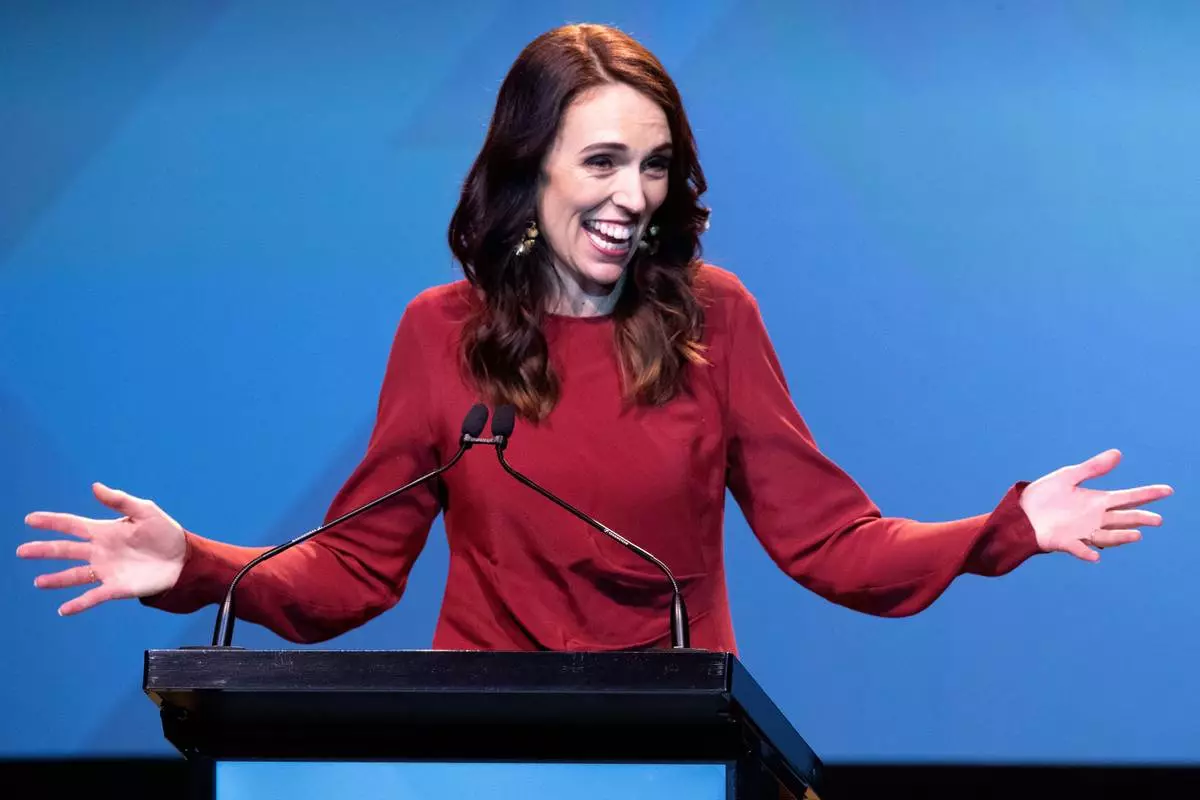
FILE - New Zealand Prime Minister Jacinda Ardern gestures as she gives her victory speech to Labour Party members at an event in Auckland, New Zealand, Oct. 17, 2020. (AP Photo/Mark Baker, File)