The SCO (Lianyungang) International Logistics Park in east China's Jiangsu Province handled a record 84.36 million tonnes of cargo in 2025, up 13.52 percent year on year, according to the Nanjing Customs.
Official data showed that the logistics park dedicated to serving the Shanghai Cooperation Organization (SCO) handled 677,000 twenty-foot equivalent units (TEUs) in 2025, a year-on-year increase of 4.48 percent that set a new historical record.
Meanwhile, the revenue of its core logistics business reached nearly 4.75 billion yuan (about 680.75 million U.S. dollars), marking a year-on-year surge of 13.86 percent, injecting fresh momentum into the development of logistics corridor construction.
Inaugurated in 2015, the park has built a multimodal logistics system comprising roads, railways, rivers, and the sea, which also integrates industries such as new materials and new energy besides modern logistics. As a flagship project of the Shanghai Cooperation Organization, the logistic park plays a key role in boosting trade between China and Central Asia.
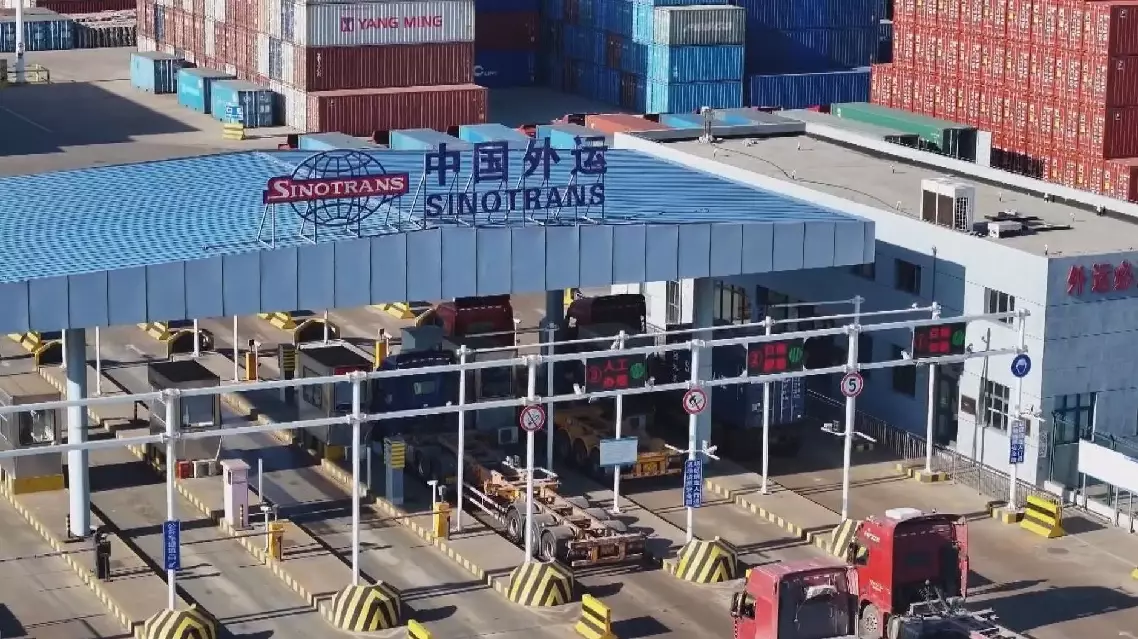
Throughput of SCO int'l logistics park in Lianyungang hits 84 mln tonnes in 2025
More than 20 films will hit Chinese screens during the three-day Qingming Festival holiday from Saturday to Monday, spanning genres from revolutionary historical dramas, realism movies to suspense thrillers, according to the China Film Administration on Thursday.
Revolutionary historical films such as Blood-Spattered Cliff, Eight Sons, Eight Soldiers, and Half Of The Quilt, will pay tribute to martyrs through the lens.
Three films -- It's OK, Now I Met Her, and Sunshine Women's Choir -- tell moving stories of love, growth, and reconciliation.
It's OK is a contemporary family comedy that follows a mother and daughter navigating their joyful yet turbulent relationship. Now I Met Her tells a rebellious teenager who gets to know his late mother through her old diary. Sunshine Women's Choir, a film from the Taiwan region of China, portrays the "perfect" maternal love of "imperfect mothers."
The suspense film Game of Identity tells the story of two people from different backgrounds who accidentally swap lives, setting off an unexpected adventure. The documentary films Seeking Nature: The Code of Life, and Missions to the Moon (Part One) explore the connection between humanity and science.
Imported films from different countries, including The Super Mario Bros. Movie 2, Project Hail Mary, and Hoppers, will deliver spectacular cinematic experiences to audiences.
The Qingming Festival, or Tomb-Sweeping Day, falls on April 5 this year. It is a traditional Chinese festival for honoring the deceased and paying tribute to ancestors. The holiday also provides a short break for Chinese citizens as they engage in outdoor activities and sightseeing.
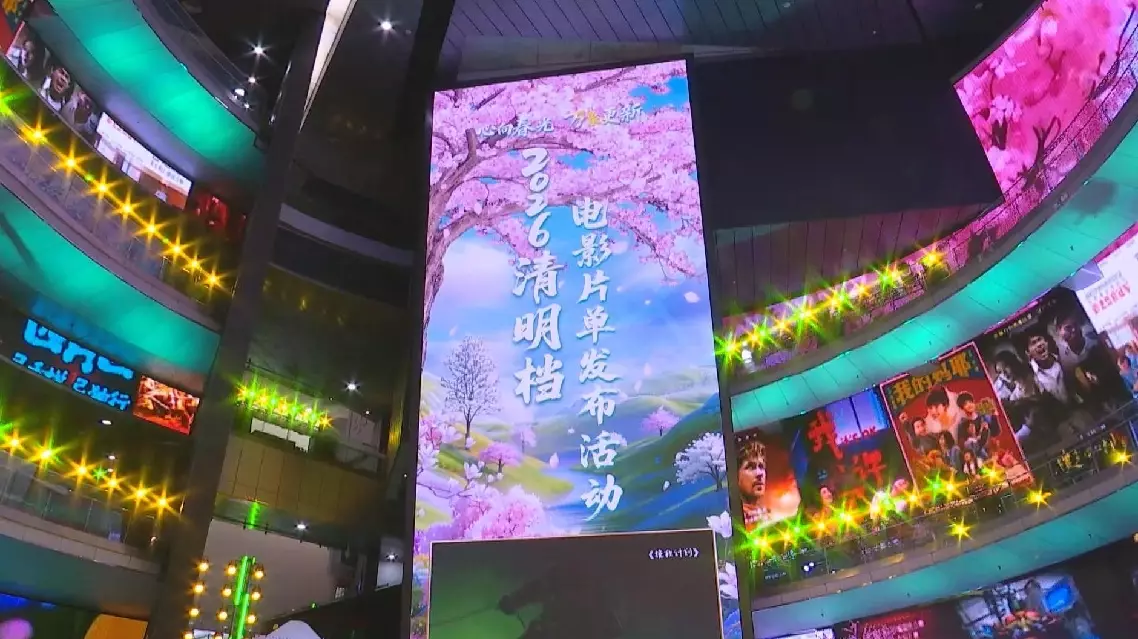
Over 20 films expected to hit Chinese screens during Qingming Festival Holiday