American consumers are feeling the squeeze of soaring energy costs as the U.S. military campaign against Iran drags on, with oil prices spiking more than 11 percent in volatile trading and economists warning that taxpayers face a multibillion‑dollar burden.
The U.S. has launched at least 850 Tomahawk missiles, each costing over 2 million U.S. dollars, and is spending an estimated one billion U.S. dollars per day on the conflict, according to defense estimates.
President Donald Trump is expected to request an additional 50 billion U.S. dollars in emergency funding from Congress, on top of a previously requested 200 billion U.S. dollars from the Pentagon, at a time when lawmakers remain deadlocked over funding for the Department of Homeland Security amid a partial government shutdown.
Trump argued that the request reflects broader global volatility, noting that military equipment and the power of modern weaponry are essential for national security.
Opposition lawmakers have pushed back, contrasting the war spending with domestic needs. Democratic Senator Elizabeth Warren pointed out that the 50 billion U.S. dollars war cost could instead restore healthcare tax breaks for the poorest Americans, leaving billions left over.
She also pressed for a total cost analysis from government auditors, amid concerns that U.S. public debt is growing to unsustainable levels.
On the streets, residents in Washington D.C. expressed mixed feelings about the financial burden of the conflict.
"No one would doubt the money we spent in WWII was a bad investment, and I think years later people look back at this and say it's a wonderful investment," one resident said.
Another countered, "Everything's up, groceries, gas, everything, and it's just a lot of people can't afford." A third added, "I don't mind sharing my responsibility but I think we've all shared enough."
Meanwhile, the White House is pressuring Western allies and Gulf countries to contribute more to the war effort. Press Secretary Karoline Leavitt indicated that the president would be interested in calling on Arab nations to help cover the costs.
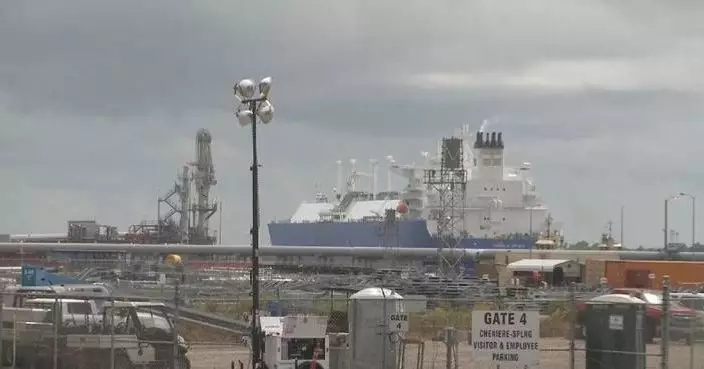
Now in its 34th day, the U.S.–Israel–Iran conflict has already seen Iran block access to the Strait of Hormuz, a narrow waterway that carries nearly one‑fifth of the world's oil supply. The disruption of this critical energy artery has fueled a surge in global oil and gas prices, intensifying inflationary pressures and underscoring how the costs of war are spilling far beyond the battlefield.

US taxpayers face rising costs as Iran conflict drives up oil prices, military spending