SINGAPORE--(BUSINESS WIRE)--Jan 13, 2026--
Ant International supported over 2 billion digital cross-border transactions in 2025 for merchants in its core emerging markets including Southeast Asia (SEA), South Asia, the Middle East and Latin America (LATAM), as the company builds out a broader range of AI-powered digital financial and commerce solutions tailored to these regions’ diverse needs.
Click to Gallery
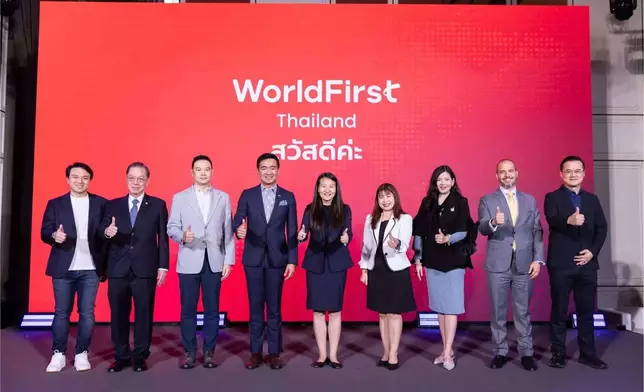
WorldFirst officially launched in Thailand through its partnership with 2C2P, offering Thai SMEs the innovative unified global account service to simplify international transactions and fuel expansion
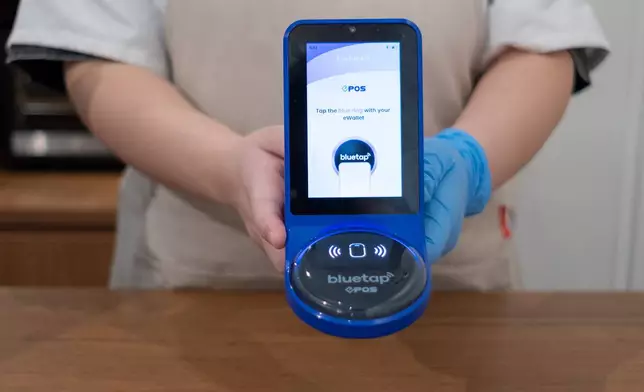
EPOS360, the pioneering AI-powered SME app, allows merchants to pair and configure EPOS360 BlueTap, a smart over-the-counter device that supports multiple payment methods in one terminal
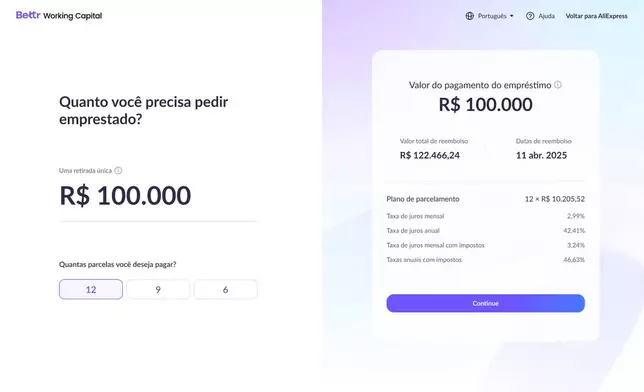
Bettr supports digital platforms in Asia and LatAm by providing SMEs with easy access to financing
Alipay+ now connects more than 1.8 billion user accounts across 40 international payment partners to merchants across more than 100 markets
This press release features multimedia. View the full release here: https://www.businesswire.com/news/home/20260113850175/en/
Ant International is focused on improving access to payments, credit, digital banking and cross-border connectivity in fast-growing but fragmented digital economies. The company currently serves more than 150 million merchants globally, 90% of which are SMEs.
“In the world’s fastest growing emerging markets, real-world, trusted and scalable adoption of AI and other new technologies can unlock entirely new growth opportunities for businesses big and small,” said Douglas Feagin, President of Ant International. “It is time for fintech innovators to convert access into real growth momentum. We will work even harder to put AI-powered digital payments, financing, commerce and cross-border solutions on the ground for entrepreneurs and communities with ever lower cost and ever stronger safety and security guardrails.”
Digital Inclusion multiplies growth
Payment digitalisation and integration is crucial for business success in emerging markets:
Access to banking and financing remains a key challenge for SMEs:
Putting ontheGround Effective and Trusted Innovation
Ant International is laser-focused on building trusted FinAI technologies. In 2025, Ant international open-sourced its proprietary Falcon Time-Series Transformer (TST) AI model, which enhanced AirAsia’s FX risk management and reduced its hedging costs by up to 40%.
While investing in cutting-edge fintech innovations, Ant International is also focused on supporting effective, safe, and controlled adoption of AI in commerce to help merchants achieve measurable and scalable results.
Adoption of AI has to be premised on a strong security foundation. Ant International's SHIELD 3-in-1 risk management transformer model integrates graph, sequence and tabular modalities in protecting our clients and our businesses. It has achieved 95% precision in identifying high-risk transactions, and boosted payment success rates by as much as 13.5%.
Interoperability and Real-Time Payment (RTP)EfficiencyunlocksFuture of Commerce
Cross-border interoperability across diverse modes of payments, remains a key driver of trade, tourism and economic growth. Alipay+ currently connects more than 1.8 billion user accounts across 40 international payment partners to merchants across more than 100 markets. It is the world’s largest cross-border mobile payment public-private partnership, collaborating with 11 national QR networks globally. Through a partnership with Mastercard, Alipay+ partners – AlipayHK, GCash and Kakao Pay – can tap-to-pay via NFC across Mastercard-enabled merchants.
Ant International’s Platform Tech enables highly efficient cross-border fund transfers by processing over US$600 billion via blockchain, operating 24/7 with more than 95 percent completed on the same day. In addition, Ant International and SWIFT recently pioneered the first bank-to-wallet payment, opening the opportunity for global bank customers to send funds directly to mobile wallets.
Southeast Asia Champions Inclusive Fintech Success
In SEA, where Ant International has worked with local partners for more than a decade, SMEs have seen measurable impact to their businesses.
Regional FinAI Development:
Interoperability:
Trade and Commerce:
Inclusive Finance:
“As digital economies across Southeast Asia and other developing markets continue to scale, Ant International remains focused on enabling access and fostering shared prosperity. We work with partners, governments and businesses to promote growth that is inclusive, sustainable and globally connected,” Feagin said.
Note: All data are year-on-year comparisons for 2025 vs 2024
About Ant International
With headquarters in Singapore and main operations across Asia, Europe, the Middle East and Latin America, Ant International is a leading global digital payment, digitisation and financial technology provider. Through collaboration across the private and public sectors, our unified techfin platform supports financial institutions and merchants of all sizes to achieve inclusive growth through a comprehensive range of cutting-edge digital payment and financial services solutions. To learn more, please visit https://www.ant-intl.com/
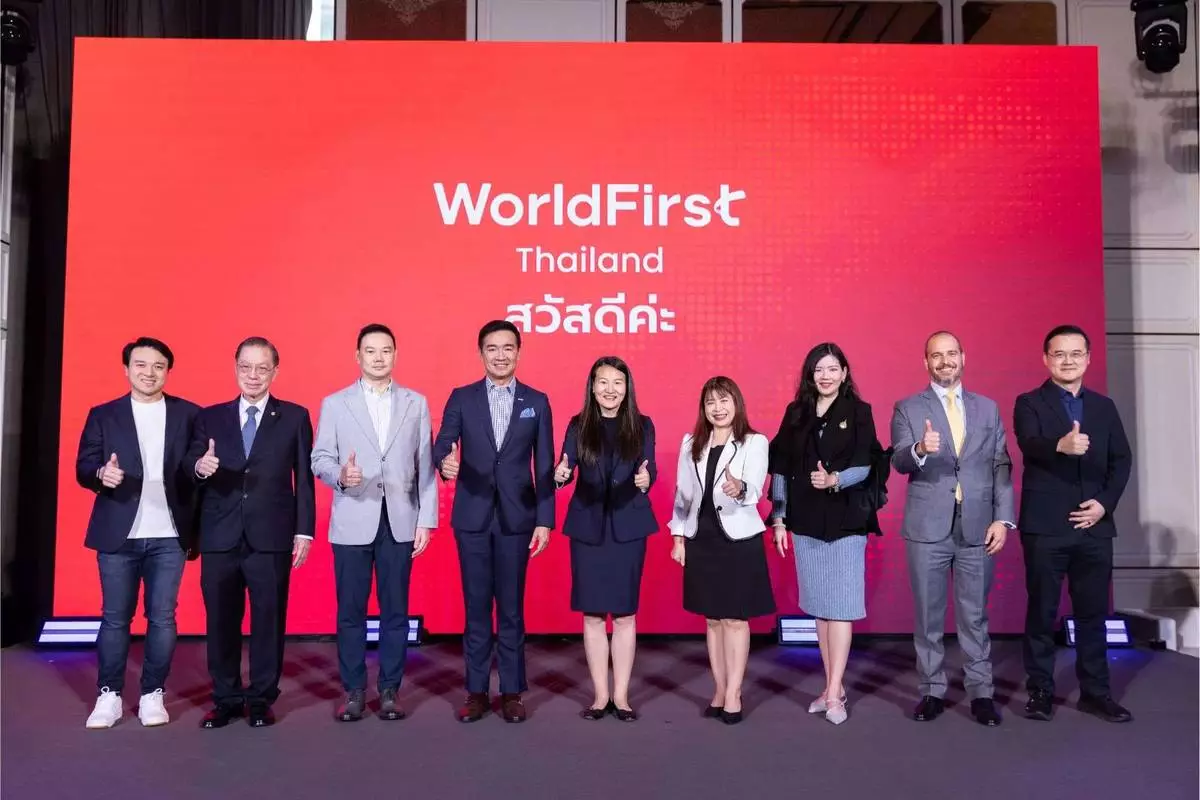
WorldFirst officially launched in Thailand through its partnership with 2C2P, offering Thai SMEs the innovative unified global account service to simplify international transactions and fuel expansion
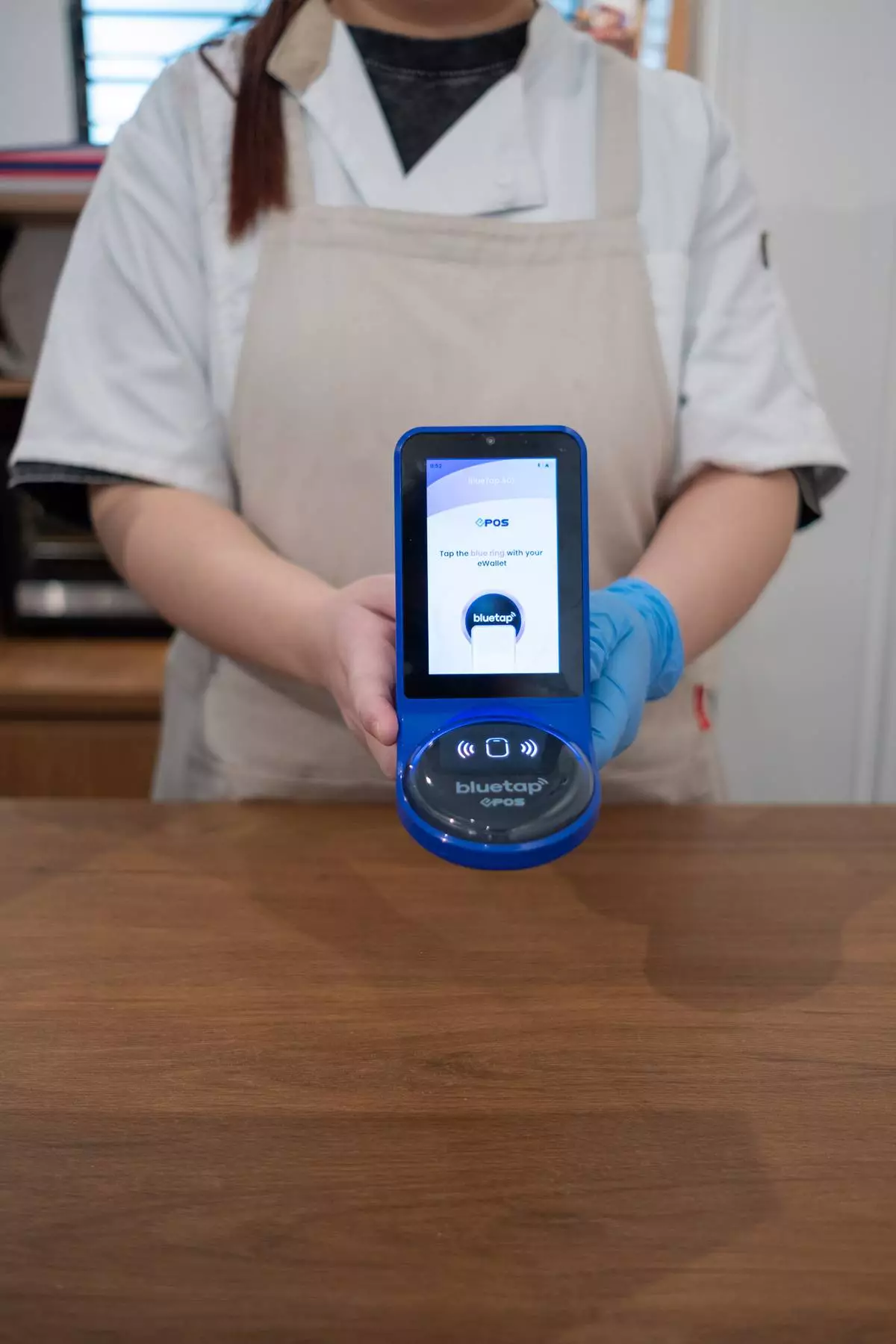
EPOS360, the pioneering AI-powered SME app, allows merchants to pair and configure EPOS360 BlueTap, a smart over-the-counter device that supports multiple payment methods in one terminal
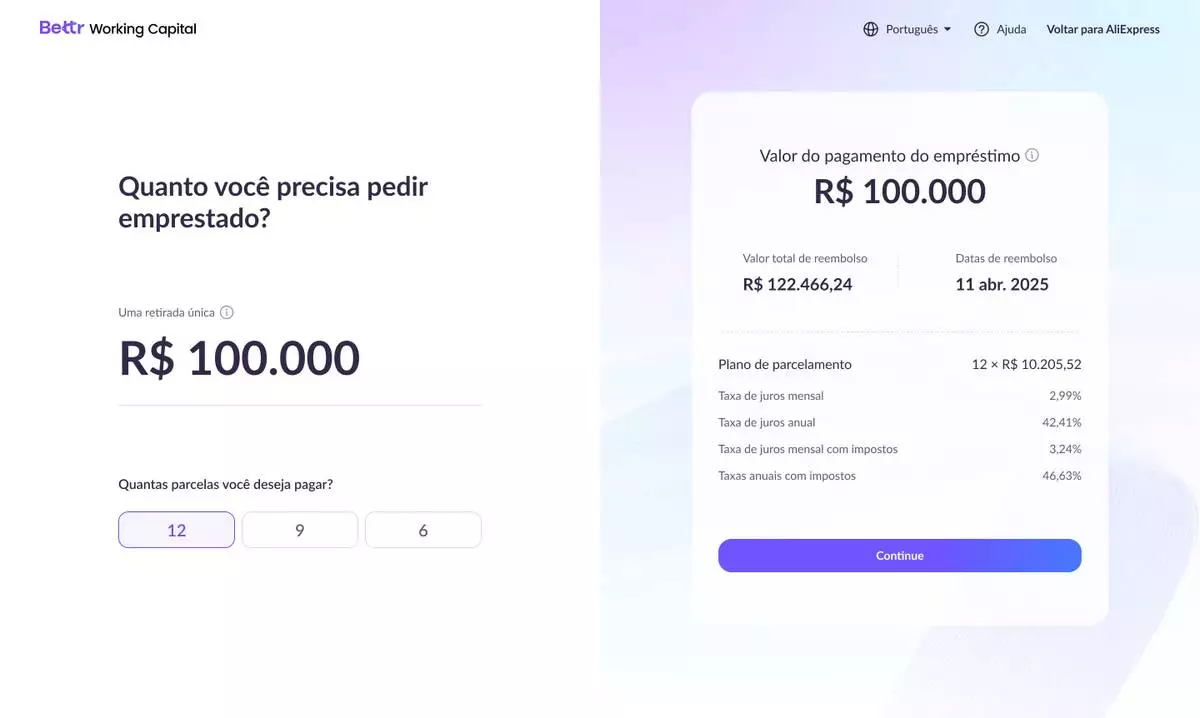
Bettr supports digital platforms in Asia and LatAm by providing SMEs with easy access to financing

Alipay+ now connects more than 1.8 billion user accounts across 40 international payment partners to merchants across more than 100 markets
HELSINGBORG, Sweden (AP) — NATO allies and defense officials expressed bewilderment Friday at U.S. President Donald Trump’s announcement that he would send 5,000 U.S. troops to Poland just weeks after ordering the same number of forces pulled out of Europe.
The apparent change of mind came after weeks of statements from Trump and his administration about reducing — not increasing — the U.S. military footprint in Europe. Trump's initial order set off a flurry of action among military commanders and left allies already doubtful about America's commitment to Europe's security to ponder what forces they might have to backfill on NATO's eastern flank with Russia and Ukraine.
Earlier this month, the Trump administration said it was reducing levels in Europe by about 5,000 troops, and U.S. officials confirmed about 4,000 service members were no longer rotating into Poland from Germany. The dispatch to Germany of U.S. personnel trained to fire long-range missiles was also halted.
But in a post on Truth Social on Thursday, Trump said he would now send "an additional 5,000 Troops to Poland,” citing his strong ties with Polish President Karol Nawrocki, whom Trump endorsed in elections last year.
“It is confusing indeed, and not always easy to navigate,” Swedish Foreign Minister Maria Malmer Stenergard told reporters Friday at a meeting she was hosting of her NATO counterparts, including U.S. Secretary of State Marco Rubio.
Ministers from the Netherlands and Norway were sanguine about Trump’s latest move, as was Latvian Foreign Minister Baiba Braže, who said allies knew the U.S. troop “posture was being reconsidered, and now there is no change of posture. For now.”
U.S. defense officials also expressed confusion. “We just spent the better part of two weeks reacting to the first announcement. We don’t know what this means either,” said one of two officials who spoke on condition of anonymity to discuss sensitive military matters.
But Rubio said Washington’s allies understand that changes in the U.S. troop presence in Europe will come as the Trump administration reevaluates its force needs. “I think there’s a broad recognition that there are going to be eventually less U.S. troops in Europe than there has historically been for a variety of reasons,” he said.
The latest surprise came despite a U.S. pledge to coordinate troop deployments, including one from NATO’s top military officer, U.S. Lt. Gen. Alex Grynkewich, on Wednesday.
Trump's initial announcement that he would withdraw troops came as he fumed over remarks by German Chancellor Friedrich Merz, who said that the U.S. was being “humiliated” by the Iranian leadership and criticized what he called a lack of strategy in that war.
Trump told reporters that the U.S. would be cutting even more than 5,000 and also announced new tariffs on European cars. Germany is the continent’s biggest auto producer.
Rubio insisted that Trump’s decision “is not a punitive thing. It’s just something that’s ongoing.”
About 80,000 U.S. troops are stationed in Europe. The Pentagon is required to keep at least 76,000 troops and major equipment on the continent unless NATO allies are consulted and there is a determination that such a withdrawal is in U.S. interests.
The withdrawal of 5,000 troops might drop numbers below that limit.
But Trump's latest post suggests that troop numbers in Europe would not change. Polish Foreign Minister Radek Sikorski welcomed the decision to send more forces to his country, saying it ensures that “the presence of American troops in Poland will be maintained more or less at previous levels.”
NATO Secretary-General Mark Rutte also welcomed the move. On Thursday, before Trump took to Truth Social again, Rutte had underlined that it was important for Europe to take care of its own security. “We have a process in place. This is normal business,” he told reporters.
At NATO headquarters in Brussels, meanwhile, U.S. officials briefed the allies on the Pentagon's aims for its commitments to the NATO Force Model, which involves contingency planning for Europe’s defense in the event of serious security concerns. It was widely expected that a further reduction of U.S. forces would be coming.
Asked whether any cuts were announced, Rutte said: “I’m afraid it’s much more complicated than that.” He said the procedure “is highly classified” and declined to give details.
Rubio played down concerns about a shift in U.S. force levels in Europe, saying: "Every country has to constantly reevaluate what their needs are, what their commitments are around the world, and how to properly structure that.”
Cook reported from Brussels. Associated Press writer Emma Burrows in London contributed.
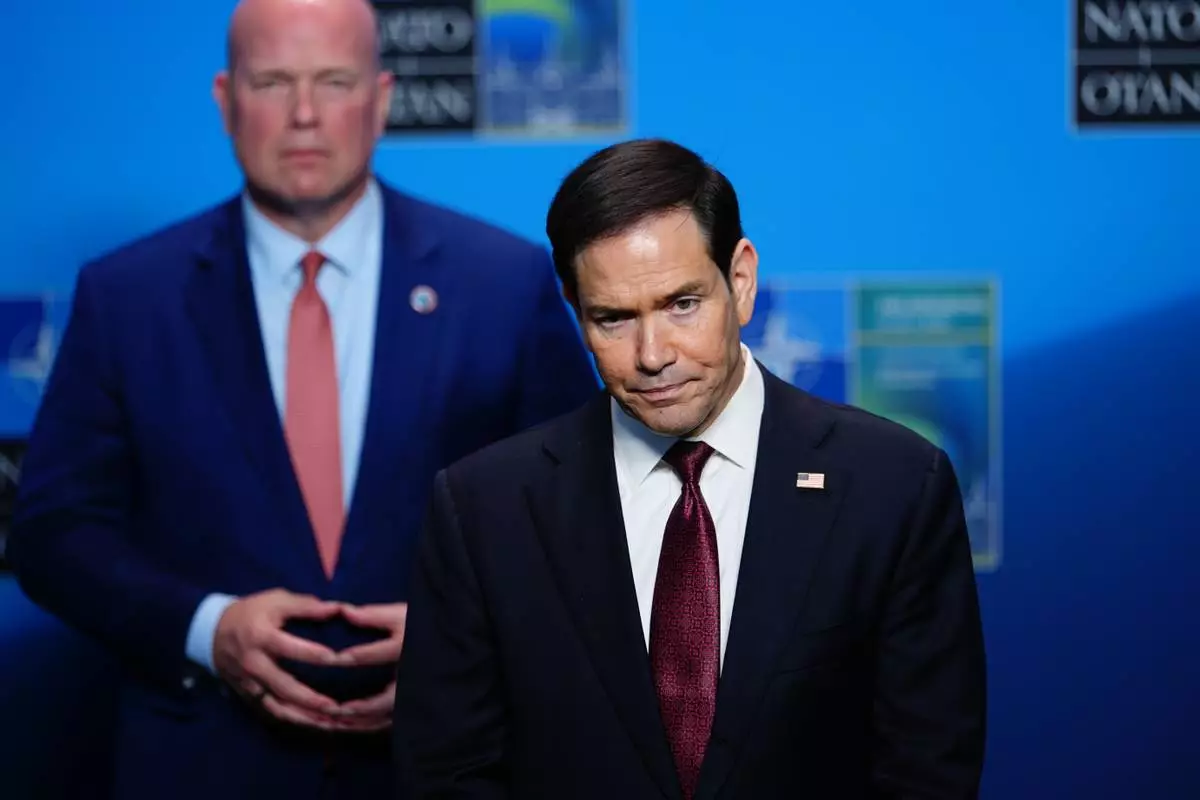
United States Secretary of State Marco Rubio speaks with journalists during a meeting of NATO foreign ministers in Helsingborg, Sweden, Friday, May 22, 2026. (AP Photo/Julia Demaree Nikhinson, Pool)
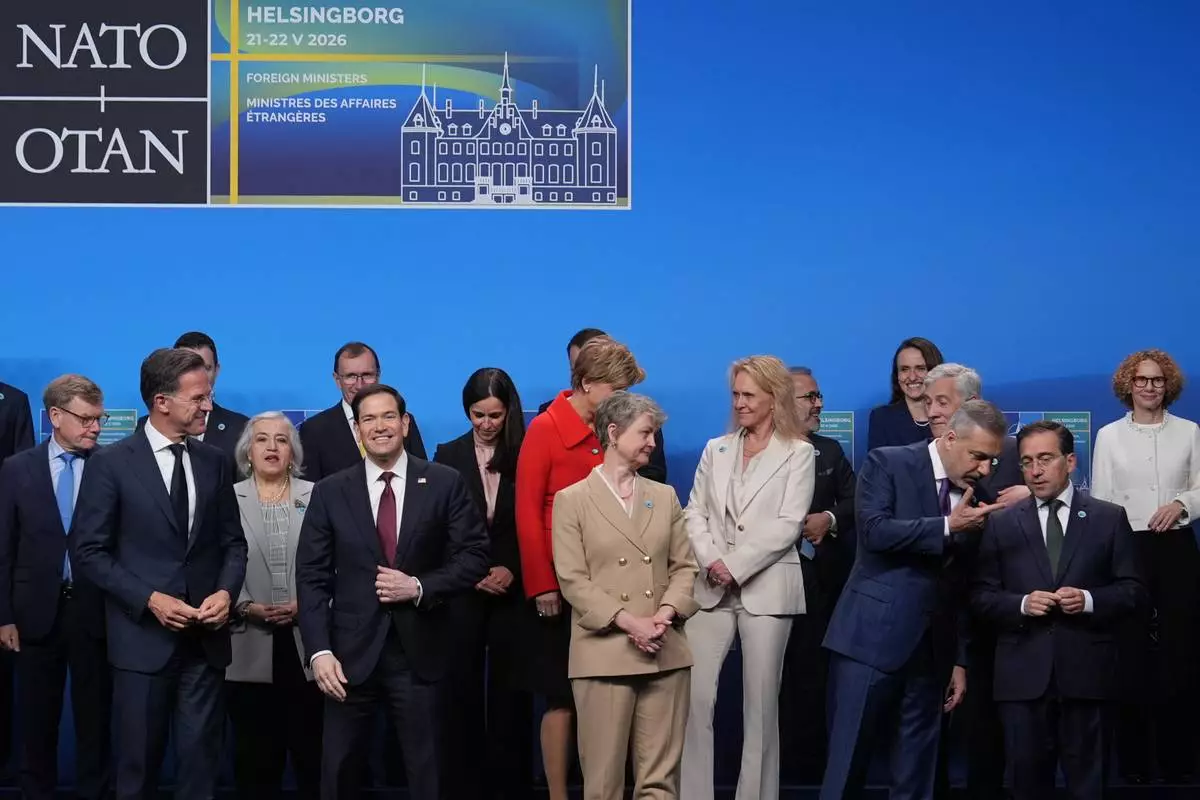
United States Secretary of State Marco Rubio, front second left, and NATO Secretary General Mark Rutte, front left, speak with each other during a group photo at a meeting of NATO foreign ministers in Helsingborg, Sweden, Friday, May 22, 2026. (AP Photo/Julia Demaree Nikhinson, Pool)
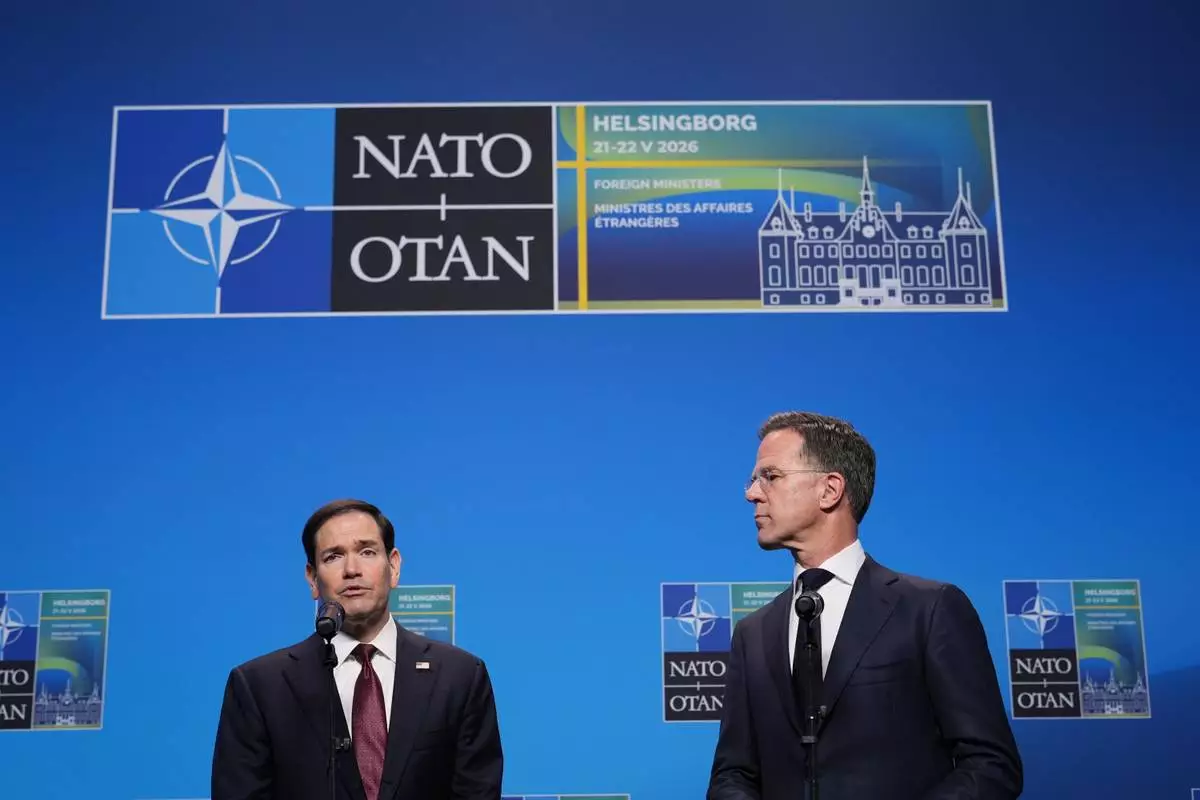
United States Secretary of State Marco Rubio, left, and NATO Secretary General Mark Rutte look at each other as they deliver a statement during a meeting of NATO foreign ministers in Helsingborg, Sweden, Friday, May 22, 2026. (AP Photo/Julia Demaree Nikhinson, Pool)
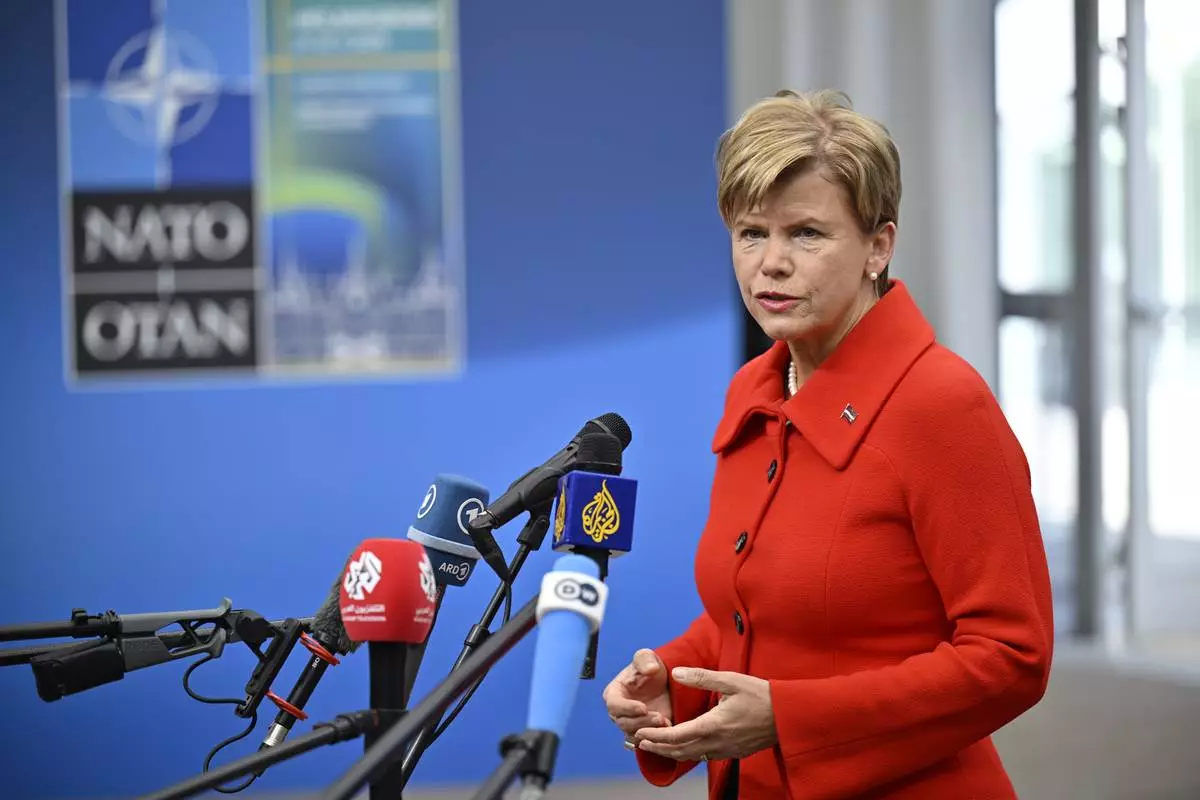
Latvian Foreign Minister Baiba Braže speaks at the doorstep of the NATO foreign ministers' meeting at Sea U in Helsingborg, Sweden, Friday, May 22, 2026. (Johan Nilsson/TT News Agency via AP)
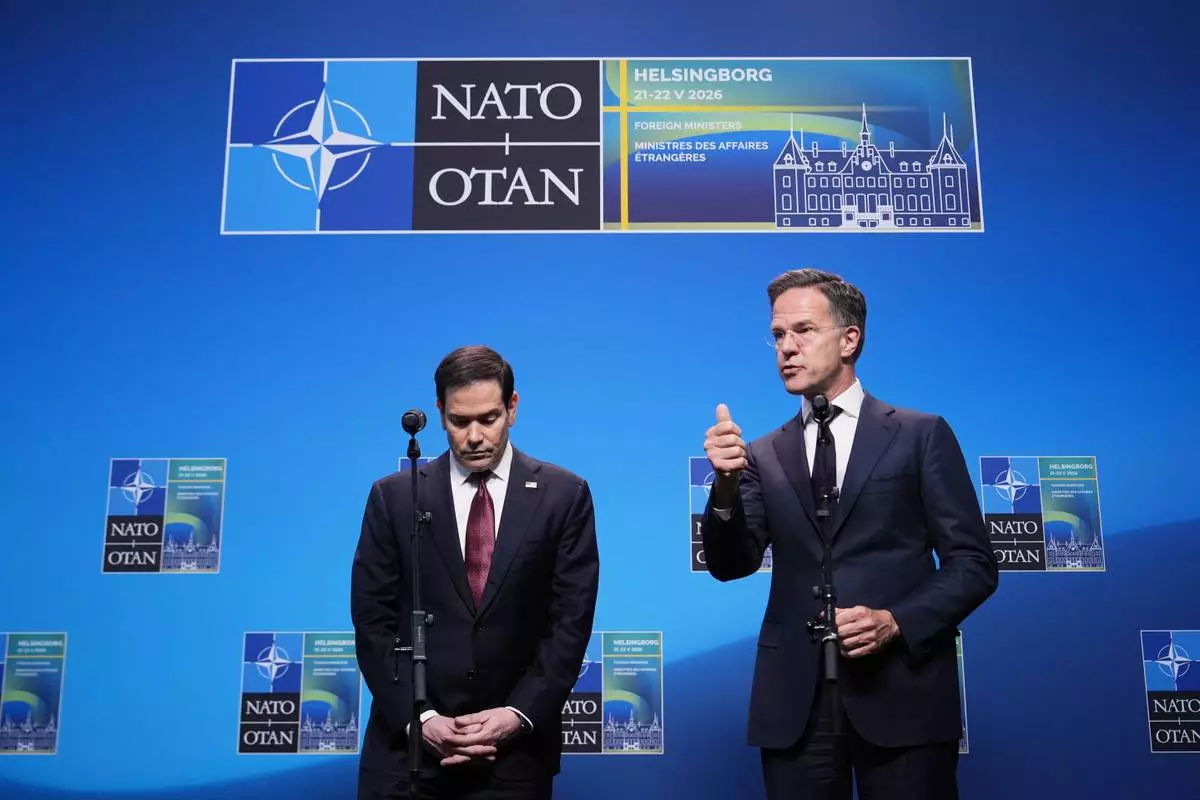
United States Secretary of State Marco Rubio, left, and NATO Secretary General Mark Rutte deliver a statement during a meeting of NATO foreign ministers in Helsingborg, Sweden, Friday, May 22, 2026. (AP Photo/Julia Demaree Nikhinson, Pool)
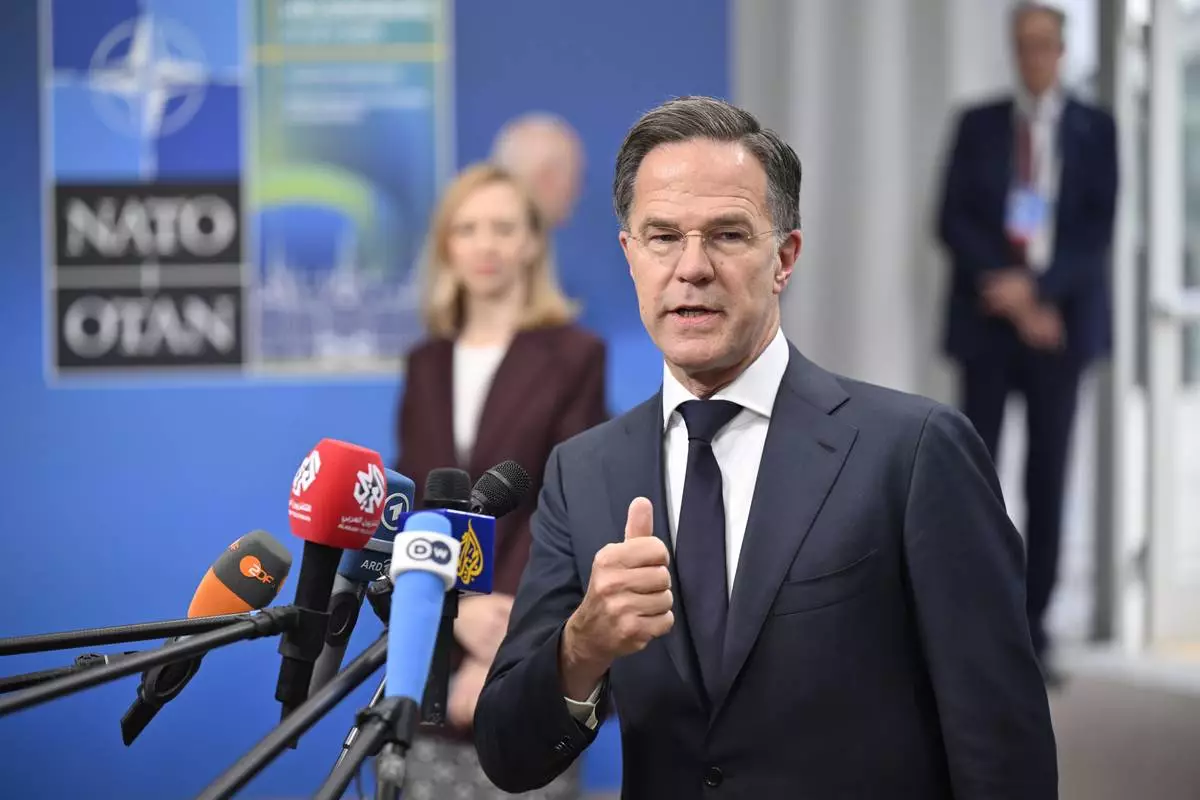
NATO Secretary General Mark Rutte speaks to media at the NATO Foreign Ministers' meeting in Helsingborg, Sweden, Friday, May 22, 2026. (Johan Nilsson/TT News Agency via AP)
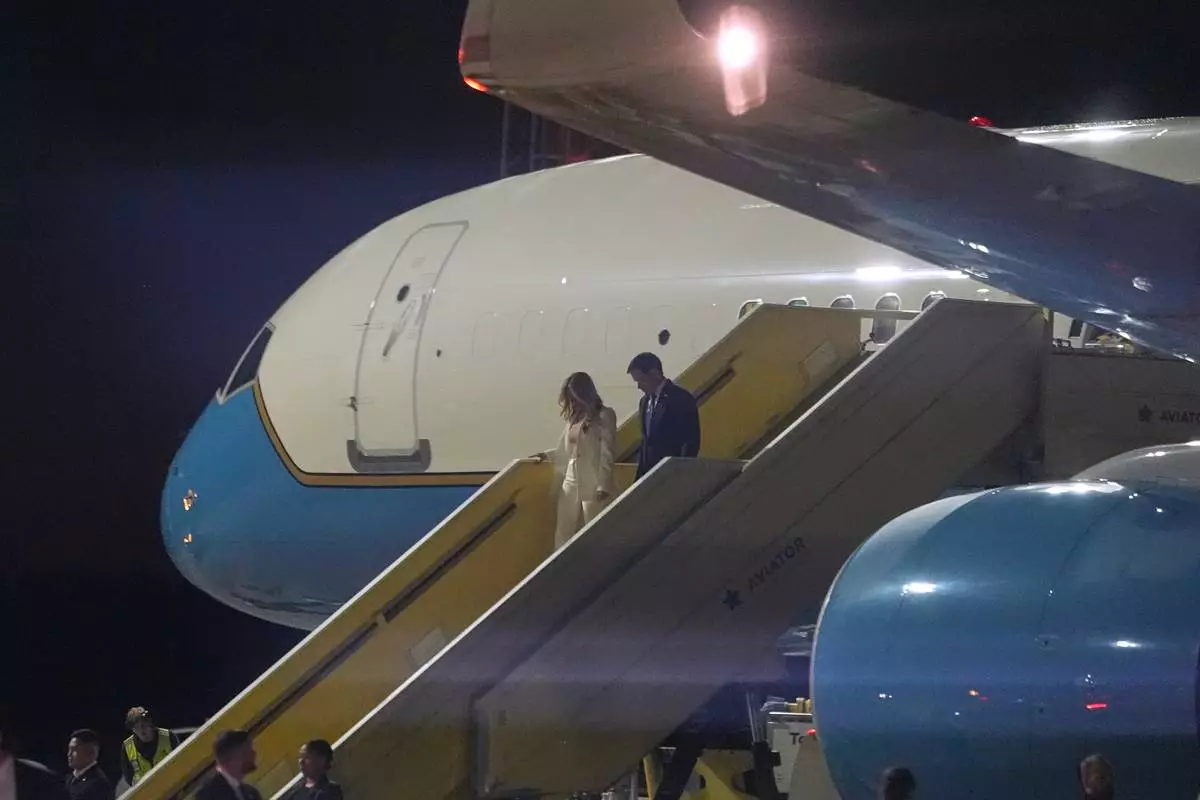
Secretary of State Marco Rubio arrives with his wife Jeanette at Malmo Airport, Friday, May 22, 2026, in Malmo-Sturup, Sweden, ahead of a NATO foreign ministers meeting. (AP Photo/Julia Demaree Nikhinson, Pool)
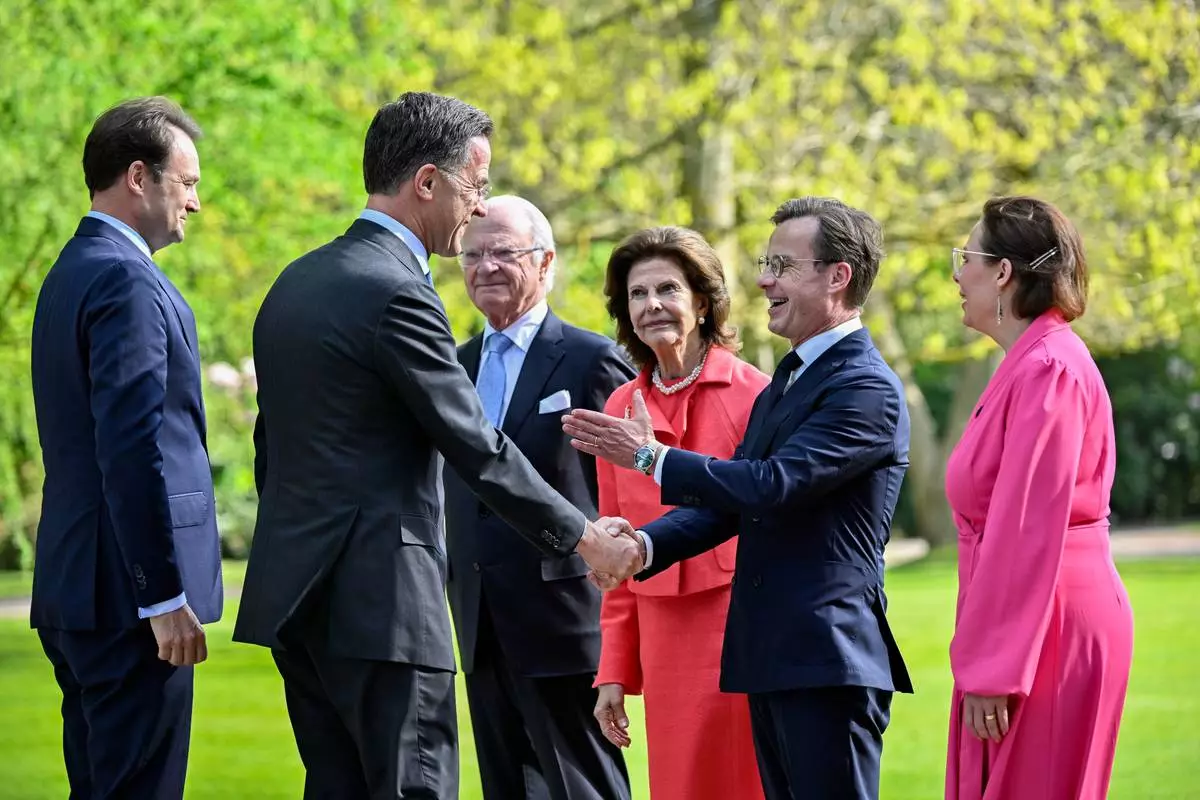
NATO Secretary General Mark Rutte, second from left, shakes hands with Prime Minister of Sweden Ulf Kristersson, as he is greeted by King Carl Gustaf of Sweden, Queen Silvia of Sweden and Minister for Foreign Affairs of Sweden Maria Malmer Stenergard, right, before a dinner at Sofiero Castle in Helsingborg, Sweden, Thursday May 21 2026. (Johan Nilsson/TT News Agency via AP)
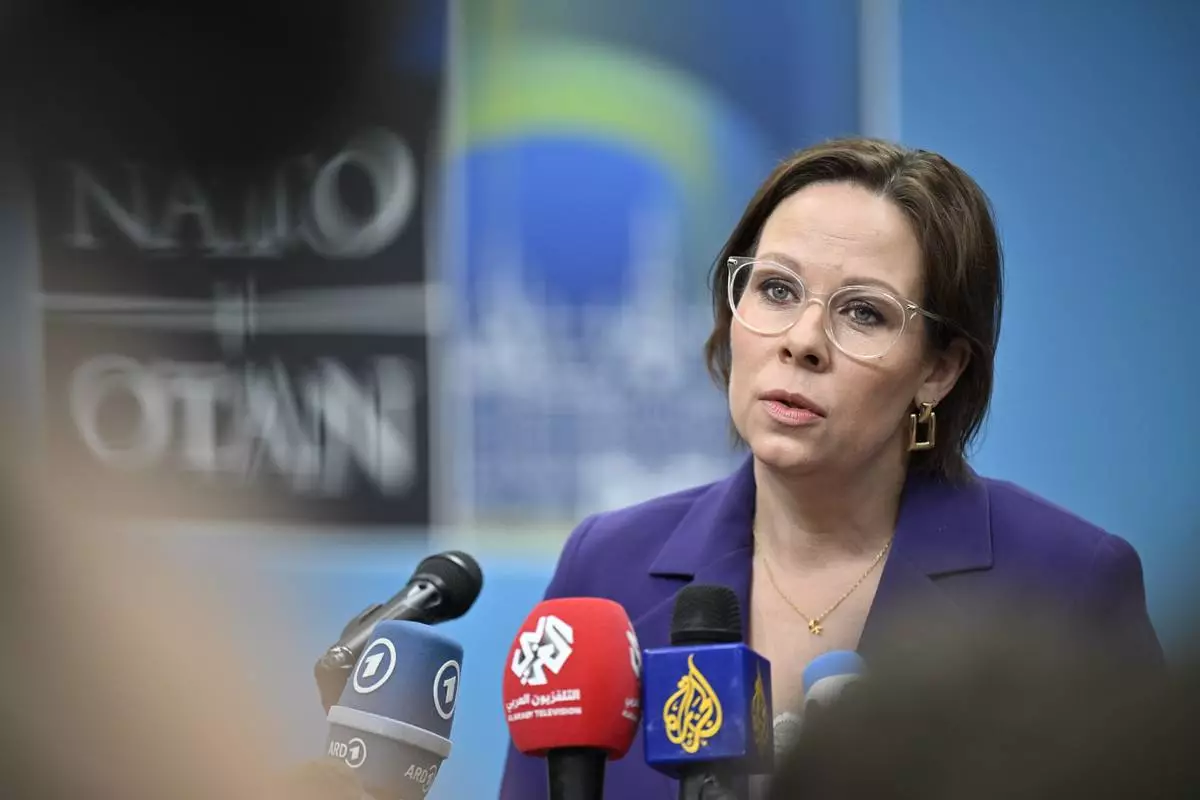
Swedish Foreign Minister Maria Malmer Stenergard speaks to media at the NATO Foreign Ministers' meeting in Helsingborg, Sweden, Friday, May 22, 2026. (Johan Nilsson/TT News Agency via AP)