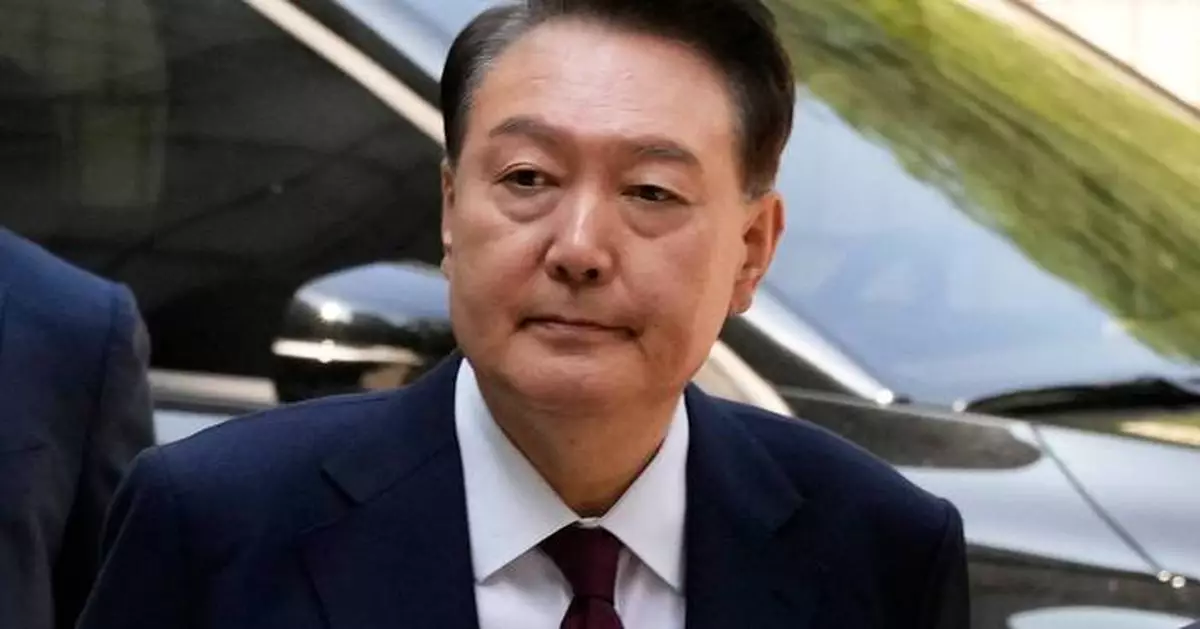
SEOUL, South Korea (AP) — An independent counsel on Tuesday demanded the death sentence for former South Korean President Yoon Suk Yeol on rebellion charges in connection with his short-lived imposition of martial law in December 2024.
Yoon, who was removed from office last April and is in jail, faces eight trials over various criminal charges related to his martial law debacle and other scandals that flared during his time in office. Charges that he directed a rebellion are the most significant ones.
Click to Gallery
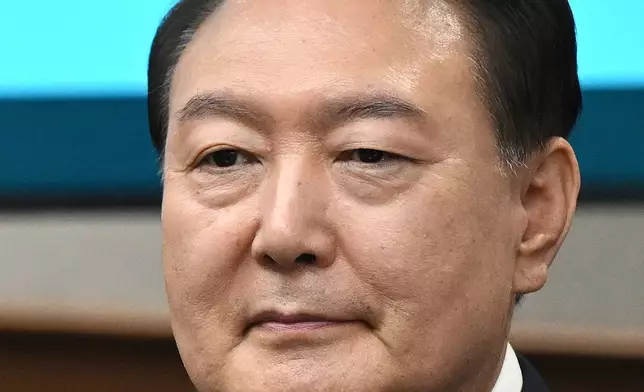
FILE - Then South Korea's ousted President Yoon Suk Yeol, who is facing charges of orchestrating a rebellion when he declared martial law on Dec. 3, attends his criminal trial at a courtroom of the Seoul Central District Court in Seoul Monday, April 21, 2025. (Jung Yeon-je/Pool Photo via AP, File)
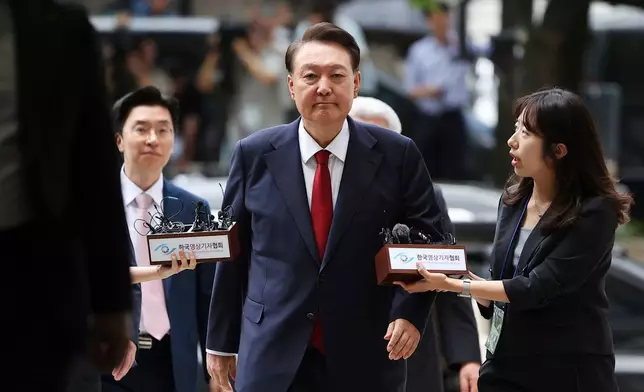
FILE - Former South Korean President Yoon Suk Yeol, center, arrives at a court to attend a hearing to review his arrest warrant requested by special prosecutors in Seoul, South Korea, July 9, 2025. (Kim Hong-Ji/Pool Photo via AP, File)
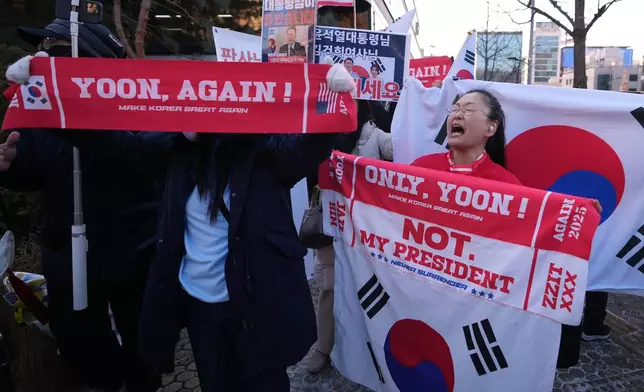
Supporters of former South Korean President Yoon Suk Yeol hold signs outside of Seoul Central District Court, in Seoul, South Korea, Tuesday, Jan. 13, 2026. (AP Photo/Lee Jin-man)
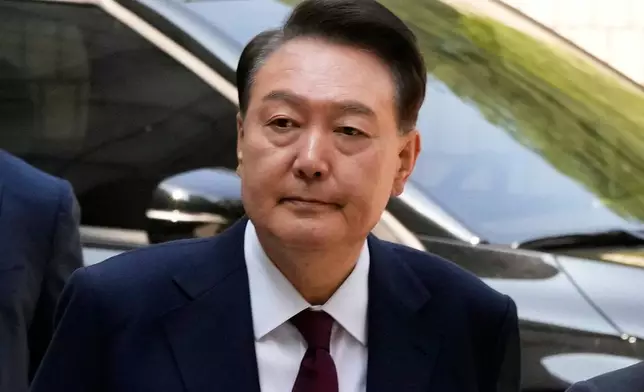
FILE - Then South Korea's ousted former President Yoon Suk Yeol who is facing charges of orchestrating a rebellion when he declared martial law on Dec. 3, arrives to attend his trial at the Seoul Central District Court in Seoul, South Korea, Monday, May 12, 2025. (AP Photo/Ahn Young-joon, Pool, File)
Independent counsel Cho Eun-suk’s team requested the Seoul Central District Court to sentence Yoon to death, describing his decree as “anti-state activities” and “a self-coup.” Cho’s team alleged that Yoon aimed to prolong his rule by neutralizing the constitutional structure of state governance systems.
Speaking at the same court room later, Yoon slammed investigations on his rebellion charges, saying they've been “frenzied" and that they have involved “manipulation” and “distortion.”
Yoon, a conservative, also reiterated that his decree was a desperate attempt to raise public awareness about what he considered the danger of the liberal opposition Democratic Party, which used its legislative majority to obstruct his agenda. He said the exercise of the president's emergency powers cannot be punished as rebellion.
The court is expected to deliver a verdict in February. Experts say the court will likely sentence Yoon to life in prison. South Korea hasn't executed anyone since 1997, and local courts rarely issue the death penalty in recent years.
Yoon is the first South Korean president who has faced a potential death penalty after leaving office, since former military strongman Chun Doo-hwan in 1996 was sentenced to death for various crimes. Chun's death sentence was later commuted to life imprisonment, and he was eventually pardoned and released.
Yoon’s decree, the first of its kind in more than 40 years, brought armed troops into Seoul streets to encircle the National Assembly and enter election offices. No major injuries were reported. But the incident evoked traumatic memories of dictatorships in the 1970s and 1980s, when military-backed rulers used martial law and other emergency decrees to station soldiers and armored vehicles in public places to suppress pro-democracy protests.
On the night of Yoon's martial law declaration, thousands of people gathered at the National Assembly to object to the decree and demand his resignation. Enough lawmakers, including members of Yoon’s ruling party, managed to enter an assembly hall to vote down the decree.
Observers described Yoon’s action as political suicide, marking a spectacular downfall for the former star prosecutor who won South Korea’s presidency in 2022, a year after entering politics. The National Assembly impeached him and sent the case to the Constitutional Court, which ruled to dismiss him as president.
Yoon’s decree and ensuing power vacuum plunged South Korea into political turmoil, halted the country’s high-level diplomacy and rattled its financial markets.
Lee Jae Myung, a former Democratic Party leader who led Yoon's impeachment bid, became president in a snap election last June. After taking office, Lee appointed three independent counsels to delve into allegations involving Yoon, his wife and associates.
The president's office said Tuesday it expects the judiciary branch to rule on Yoon in line with the law, principle and public expectations.
There had been speculation that Yoon resorted to martial law to protect his wife, Kim Keon Hee, from potential corruption investigations. But in wrapping up a six-month investigation last month, independent counsel Cho’s team concluded that Yoon plotted for over a year to impose martial law to eliminate his political rivals and monopolize power.
Yoon’s rebellion charges carry either the death sentence or life imprisonment, if convicted. But judges have some leeway and can commute the sentence to as little as 10 years in prison if they choose.
Cho’s team last month requested a 10-year prison term for Yoon’s earlier defiance of authorities’ attempts to execute his detainment warrant and other charges like abuse of power and falsification of official documents. Yoon’s lawyers accused Cho’s team of being politically driven and lacking legal grounds to demand such an “excessive” sentence.
One of Yoon’s other trials deals with charges like ordering drone flights over North Korea to deliberately inflame animosities to look for a pretext to declare martial law. Charges at other trials accuse Yoon of manipulating the investigation into a marine’s drowning in 2023 and receiving free opinion surveys from an election broker in return for a political favor.
Yoon denies all the charges.
Potential prison sentences that Yoon could receive in these trials could matter in the event that he avoids the death penalty or life imprisonment over his rebellion charges, said Park SungBae, a lawyer who specializes in criminal law.
Both Yoon and the independent counsel could appeal the rebellion case to a higher court and then the Supreme Court. Park said a verdict by the Supreme Court, the country’s top court, would likely come this year.
Dozens of high-level officials and military commanders of the Yoon administration have been arrested, indicted or investigated over their roles in Yoon’s martial law imposition and other allegations. Cho's team on Tuesday demanded a life sentence for Yoon's defense minister, Kim Yong Hyun, and 10-30 years in prison for former senior military and police officers.
In August, Yoon’s wife was arrested and indicted for bribery and other charges.
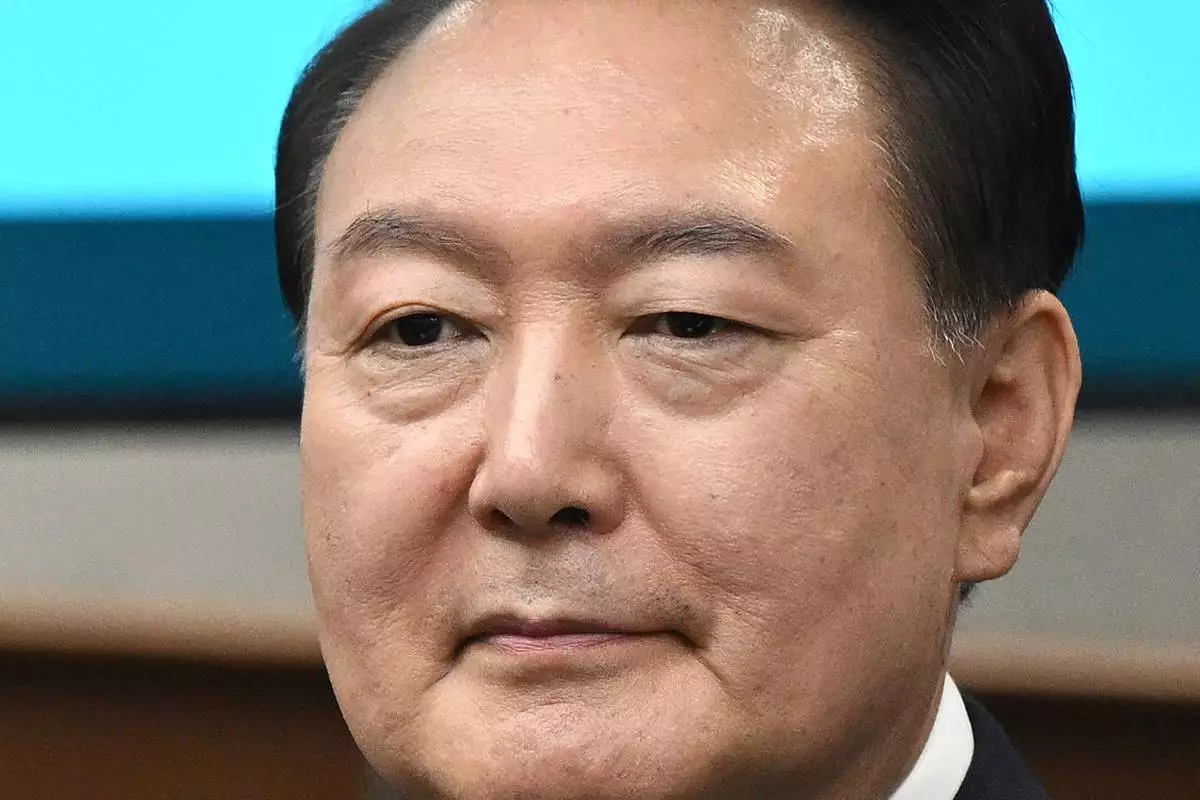
FILE - Then South Korea's ousted President Yoon Suk Yeol, who is facing charges of orchestrating a rebellion when he declared martial law on Dec. 3, attends his criminal trial at a courtroom of the Seoul Central District Court in Seoul Monday, April 21, 2025. (Jung Yeon-je/Pool Photo via AP, File)
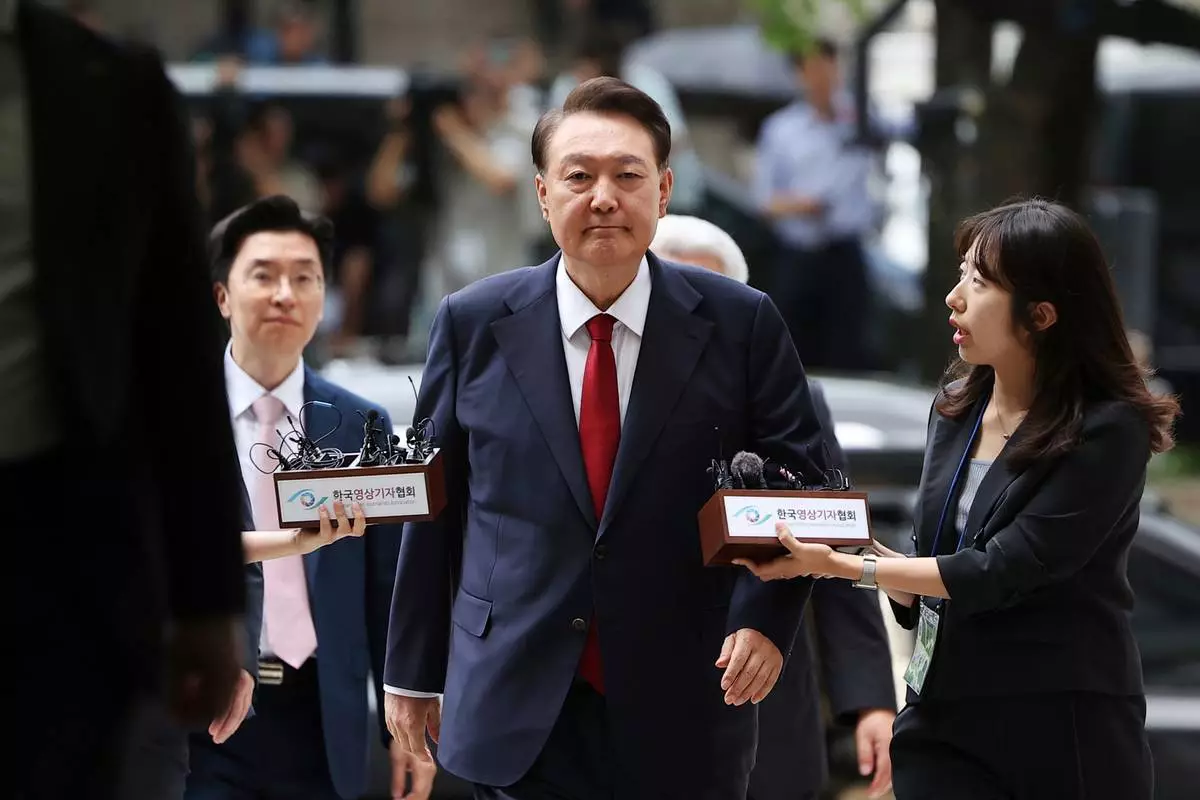
FILE - Former South Korean President Yoon Suk Yeol, center, arrives at a court to attend a hearing to review his arrest warrant requested by special prosecutors in Seoul, South Korea, July 9, 2025. (Kim Hong-Ji/Pool Photo via AP, File)
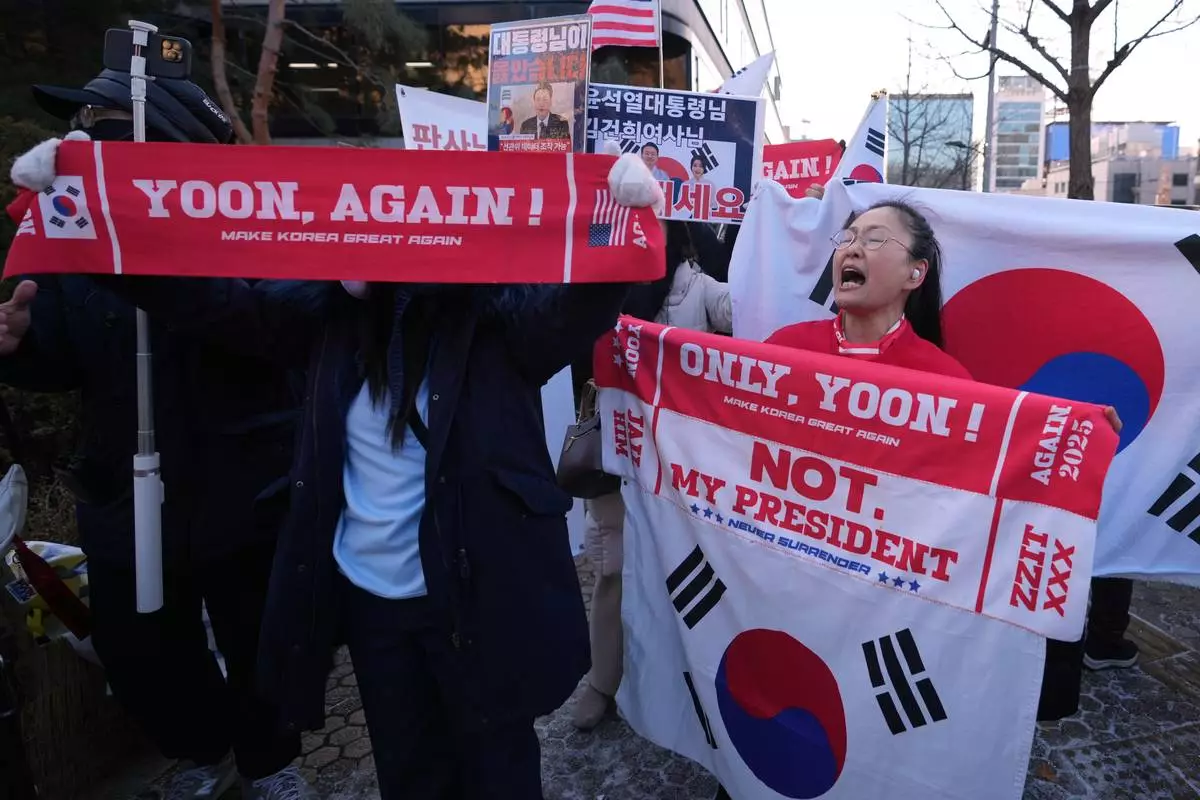
Supporters of former South Korean President Yoon Suk Yeol hold signs outside of Seoul Central District Court, in Seoul, South Korea, Tuesday, Jan. 13, 2026. (AP Photo/Lee Jin-man)
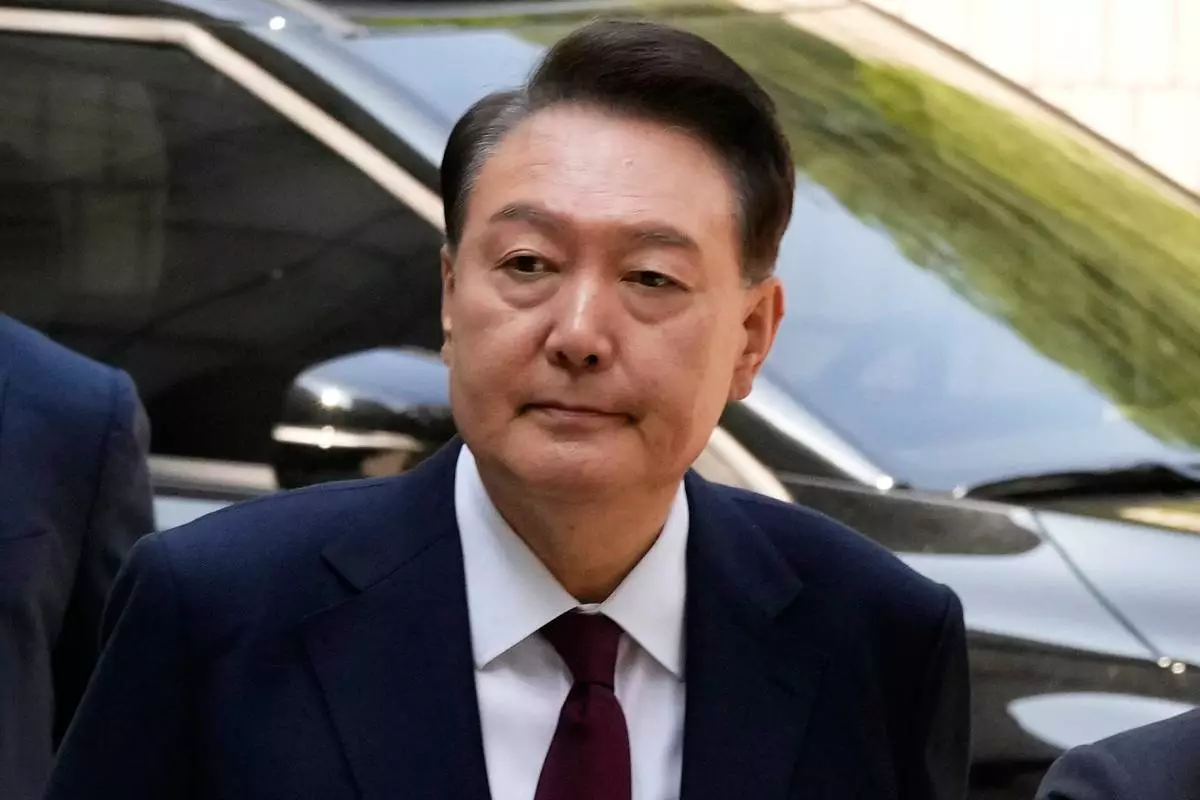
FILE - Then South Korea's ousted former President Yoon Suk Yeol who is facing charges of orchestrating a rebellion when he declared martial law on Dec. 3, arrives to attend his trial at the Seoul Central District Court in Seoul, South Korea, Monday, May 12, 2025. (AP Photo/Ahn Young-joon, Pool, File)