TAUNTON, Mass.--(BUSINESS WIRE)--Jan 13, 2026--
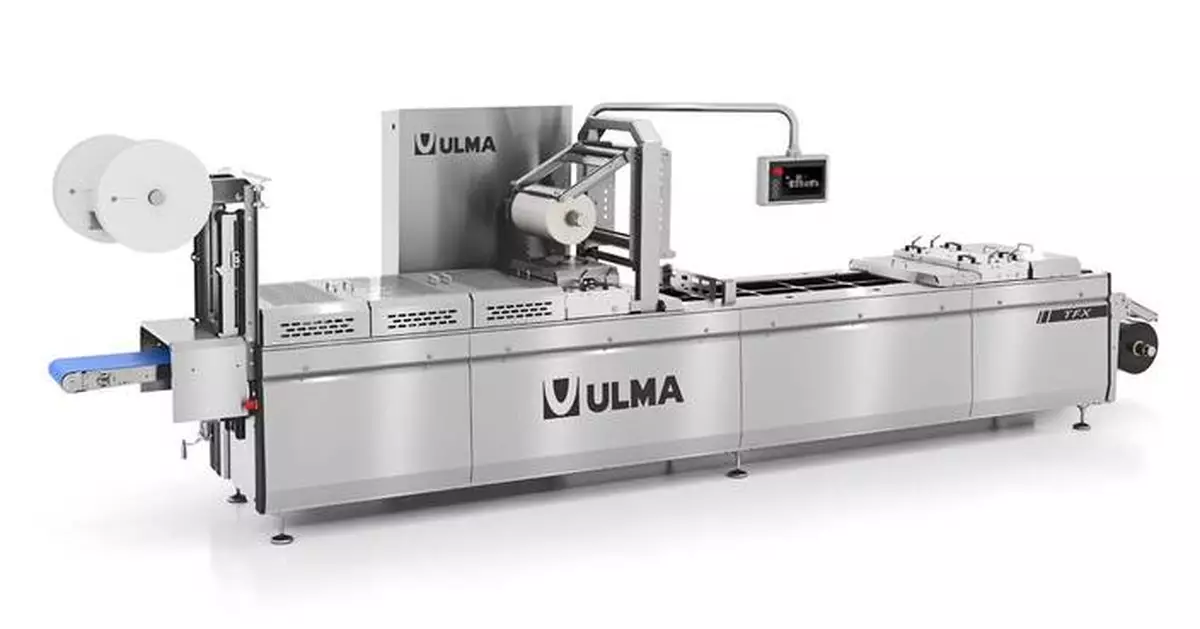
Harpak-ULMA today announced the North American release of the ULMA TFX thermoformer, a next‑generation smart platform engineered to help food, medical and consumer packaged goods producers achieve higher throughput, enhanced package quality, and stronger sustainability performance. The TFX boasts multiple performance-enhancing innovations designed to reduce cycle time, stabilize process variation, and support the use of recyclable packaging materials.
This press release features multimedia. View the full release here: https://www.businesswire.com/news/home/20260113182453/en/
ULMA designed its new range of high-performance TFX thermoformers to tackle some of today’s most demanding food and medical packaging challenges — including production efficiency, sustainability, digitalization, and process repeatability. The TFX delivers synchronized high-speed performance, superior packaging quality, rapid error-proofed changeovers, intuitive operation, sustainable film, optimized materials usage, and smart, data-driven production management. It was engineered from the ground up to maximize efficiency, uptime, and environmental responsibility across modern packaging lines.
The TFX line leverages optimized motion coordination and a redesigned vacuum system that shortens evacuation time — enabling faster, more predictable cycles for high-volume applications that can accelerate vacuum performance by up to 20 percent. These improvements are especially significant for producers packaging standardized “Brick-Packs,” a format rapidly expanding across major retailers. Packaged meat bricks require precise forming, rapid evacuation, and repeatable sealing to maintain their rigid geometry and minimize purge — making cycle-time stability and vacuum efficiency critical drivers of throughput and package integrity.
The TFX also integrates ULMA’s advanced forming (Better Form X TM ) and sealing (Better Seal X TM) technologies, making it capable of running thinner base films without sacrificing package strength or integrity. This is particularly valuable for meat-brick applications, which rely on deep, dimensionally consistent forming and robust seals to maintain shape. Running thinner, recyclable materials without compromising rigidity allows processors to reduce plastic consumption while maintaining the visual appeal and durability expected by retailers and club store shoppers. This capability supports processors seeking reductions in plastic consumption and improved sustainability metrics.
Other advanced capabilities include automated film alignment, zone-specific heating, and constant-atmosphere sealing controls — features designed to improve first-pass yield and reduce rework. In meat-brick production, even minor film wander, uneven heating, or seal variation can result in notable deformation or purge leakage. Automated alignment and precision heating help ensure every brick maintains its crisp, consistent profile — essential for stacking, case packing, and warehouse-club merchandising. On-board tools such as RFID format verification, and recipe-driven digital control accelerate changeovers while reducing operator error.
Centralized recipe control allows operators to auto-adjust settings based on production orders, while built-in monitoring tools track usage of film, electricity, air, and gas by shift or batch. At the end of each run, the system generates a detailed PDF report, giving manufacturers a comprehensive view of production performance. This enables producers to pinpoint waste, validate sustainability improvements, and support continuous improvement initiatives. For meat-brick processors running extremely high volumes with tight retail cost-to-produce pressures, such insights help quantify the financial benefits of precision forming, reduced vacuum times, and lower material use — giving operations teams clear visibility into the true cost of each packaged unit. These digital records also support documentation requirements common in medical manufacturing, providing traceable, repeatable production data that can be leveraged during process validation and audit. This unique combination of innovative technologies delivers a thermoforming platform engineered for a new era of packaging automation and performance — one that helps processors unlock hidden line capacity, enhance product quality, and achieve more sustainable operations.
For more information, https://www.harpak-ulma.com/equipment/tfx-thermoformer/ or call (508) 884-2500. Experience a live demonstration at one of Harpak-ULMA's Customer Experience Centers in Boston, Atlanta, or Costa Mesa, Calif. Call (508) 884-2500 to make arrangements.
About Harpak-ULMA
Harpak-ULMA Packaging is the North American arm of ULMA, a $1B industry leader in complete automated packaging line solutions for food, medical, and industrial products. Harpak-ULMA provides smart, connected packaging systems including tray sealing, thermoforming, horizontal ffs, vertical ffs, flow wrapping, multihead weighing, wet and dry filling systems, robotic loading and unloading systems, metal detection, x-ray, checkweighing, labeling, vision inspection, cartoning, sleeving, case packing, and palletizing. These systems form the backbone of complete, integrated lines that reduce customers’ total cost of ownership, address the challenges of an aging, scarce workforce, and improve maintenance and operations via Harpak-ULMA’s extensive service offerings and 24/7 support, and competitive parts sourcing with same-day shipping. In addition, Harpak-ULMA represents G. Mondini tray sealers and Cabinplant’s advanced weighing systems and complementary processing solutions in the United States and Canada. Since joining the Rockwell Automation Partner Network in 2018, Harpak-ULMA has leveraged Rockwell’s controls and information platforms to deliver greater efficiency, uptime, throughput, and package quality — while reducing waste.
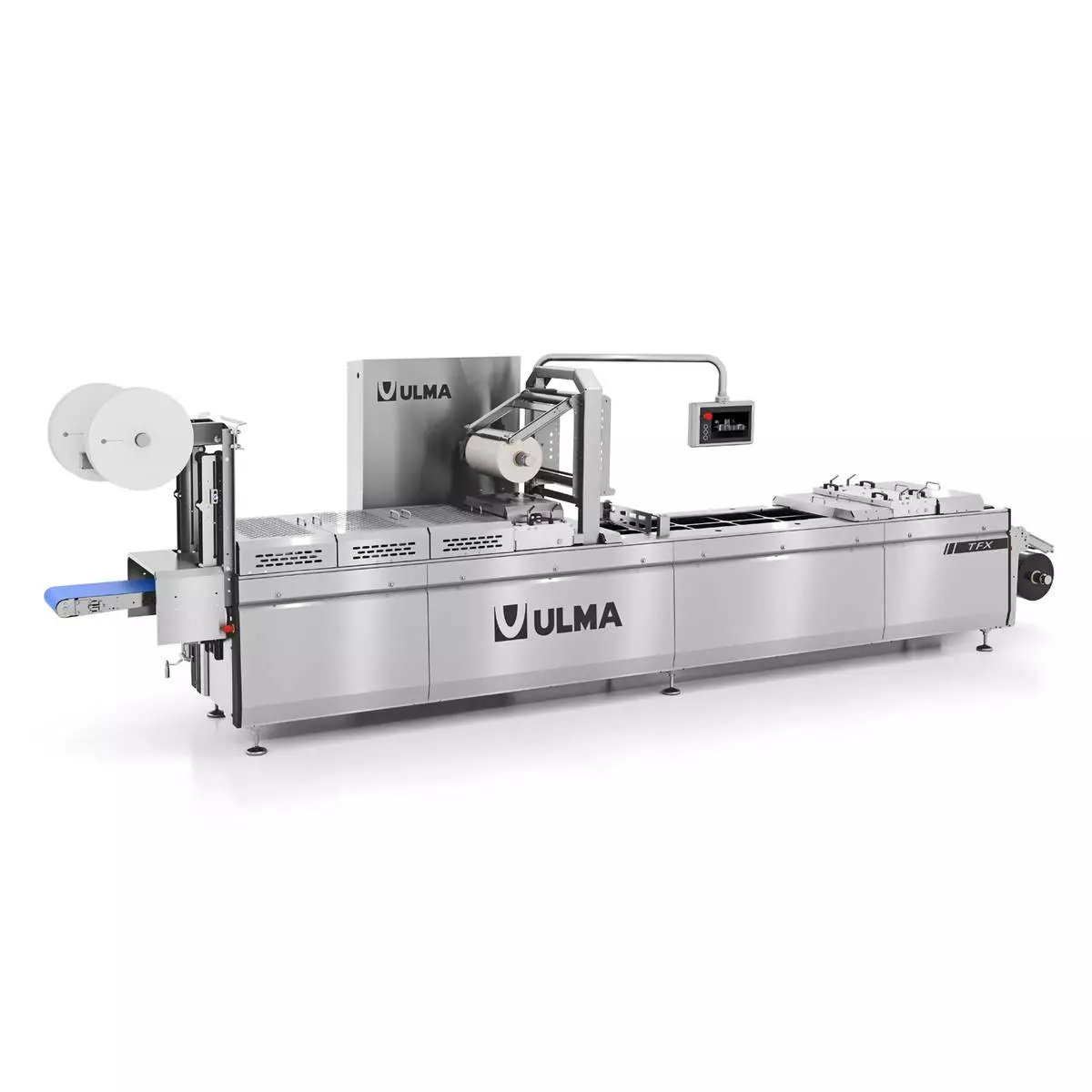
Harpak-ULMA Packaging introduces its new range of high-performance TFX thermoformers, a packaging solution designed to tackle today’s challenges in the food industry with a strong focus on production efficiency, sustainability, and digitalization. It will be exhibited live at IPPE 2026, delivering next-generation performance focused on efficiency, sustainability, and digitalization.
TENERIFE, Spain (AP) — The head of the World Health Organization sought Saturday to reassure residents of the Spanish island where passengers of a hantavirus-stricken cruise ship are expected to be evacuated, issuing them a direct message that the virus was “not another COVID.”
The Dutch-flagged MV Hondius, with more than 140 passengers and crew on board, is headed to Spain's Canary Islands, off the coast of West Africa, and is expected to arrive at the island of Tenerife early Sunday.
WHO Director-General Tedros Adhanom Ghebreyesus, along with Spain’s Health Minister Monica Garcia and Interior Minister Fernando Grande-Marlaska, were due on the island Saturday to coordinate the disembarkation of passengers and some crew.
“I know you are worried. I know that when you hear the word ‘outbreak’ and watch a ship sail toward your shores, memories surface that none of us have fully put to rest. The pain of 2020 is still real, and I do not dismiss it for a single moment,” Tedros said in a message to the people of Tenerife.
“But I need you to hear me clearly: This is not another COVID. The current public health risk from hantavirus remains low. My colleagues and I have said this unequivocally, and I will say it again to you now,” Tedros added.
The WHO, Spanish authorities and cruise company Oceanwide Expeditions said nobody on the Hondius is currently showing symptoms of the virus.
Hantavirus can cause life-threatening illness. It usually spreads when people inhale contaminated residue of rodent droppings and isn’t easily transmitted between people. But the Andes virus detected in the cruise ship outbreak may be able to spread between people in rare cases. Symptoms usually show between one and eight weeks after exposure.
Three people have died since the outbreak, and five passengers who left the ship are infected with hantavirus.
Some on Tenerife say they are worried. On board the cruise ship, some Spanish passengers have voiced concern about being stigmatized.
“I tell you, I don’t like this very much,” said 69-year-old resident Simon Vidal. “Anyone can say what they want. Why did they have to bring a boat from another country here? Why not anywhere else, why bring it to the Canary Islands?”
Others said they empathized with the boat's passengers, but were still concerned.
“The truth is that it is very worrying,” said 27-year-old Venezuelan immigrant Samantha Aguero. She added: “We feel a bit unsafe, we don’t feel as there are 100% security measures in place to welcome it. This is a virus after all and we have lived this during the pandemic. But we also need to have empathy.”
Spanish Health Minister Monica Garcia said passengers and some crew would disembark in Tenerife “under maximum safety conditions.”
The ship will not dock but will remain at anchor. Everyone disembarking will be checked for symptoms and won't be taken off the ship until a flight is already in Tenerife waiting to fly them off the island, Garcia said during a news conference in Madrid. There are currently people of more than 20 different nationalities on board.
Both the U.S. and the U.K. have agreed to send planes to evacuate their citizens. Americans are to be quarantined at a medical center in Nebraska.
All Spanish passengers will be transferred to a medical facility and quarantined, Garcia said. Oceanwide has listed 13 Spanish passengers and one Spanish crew member on board.
Those disembarking will leave behind their luggage, Garcia said, and will be allowed to take only a small bag with essential items, a cellphone, charger and documentation.
Some crew, as well as the body of a passenger who died on board, will remain on the ship, which will sail on to the Netherlands, where it will undergo disinfection, the minister added.
According to a letter sent by the Dutch foreign and health ministers to parliament late Friday, Spain has activated the EU civil protection mechanism for a medical evacuation plane equipped for infections diseases to be on standby in case anyone on the ship becomes ill. That person would then be transported by air to the European mainland.
The Dutch government will work with Spanish authorities and the ship company to arrange repatriation of Dutch passengers and crew as soon as possible after arrival in Tenerife, subject to medical conditions and advice from the European Centre for Disease Prevention and Control, the letter said. Those without symptoms will go into home quarantine for six weeks and be monitored by local health services.
As the ship is Dutch-flagged, the Netherlands may also temporarily accommodate people of other nationalities and monitor them in quarantine, it said.
Health authorities across four continents were tracking down and monitoring more than two dozen passengers who disembarked before the deadly outbreak was detected. They were also scrambling to trace others who may have come into contact with them.
On April 24, nearly two weeks after the first passenger had died on board, more than two dozen people from at least 12 different countries left the ship without contact tracing, Dutch officials and the ship’s operator have said.
It wasn’t until May 2 that health authorities first confirmed hantavirus in a passenger.
Dutch public health authorities have been monitoring people who were on a flight that was briefly boarded by a Dutch ship passenger who later died and was confirmed to have hantavirus. Three people who were on the flight and had symptoms have all tested negative for hantavirus, Dutch National Institute for Public Health spokesperson Harald Wychgel told The Associated Press on Saturday.
Becatoros reported from Sparta, Greece. Associated Press reporters Angela Charlton in Paris and Helena Alves in Tenerife contributed to this report.
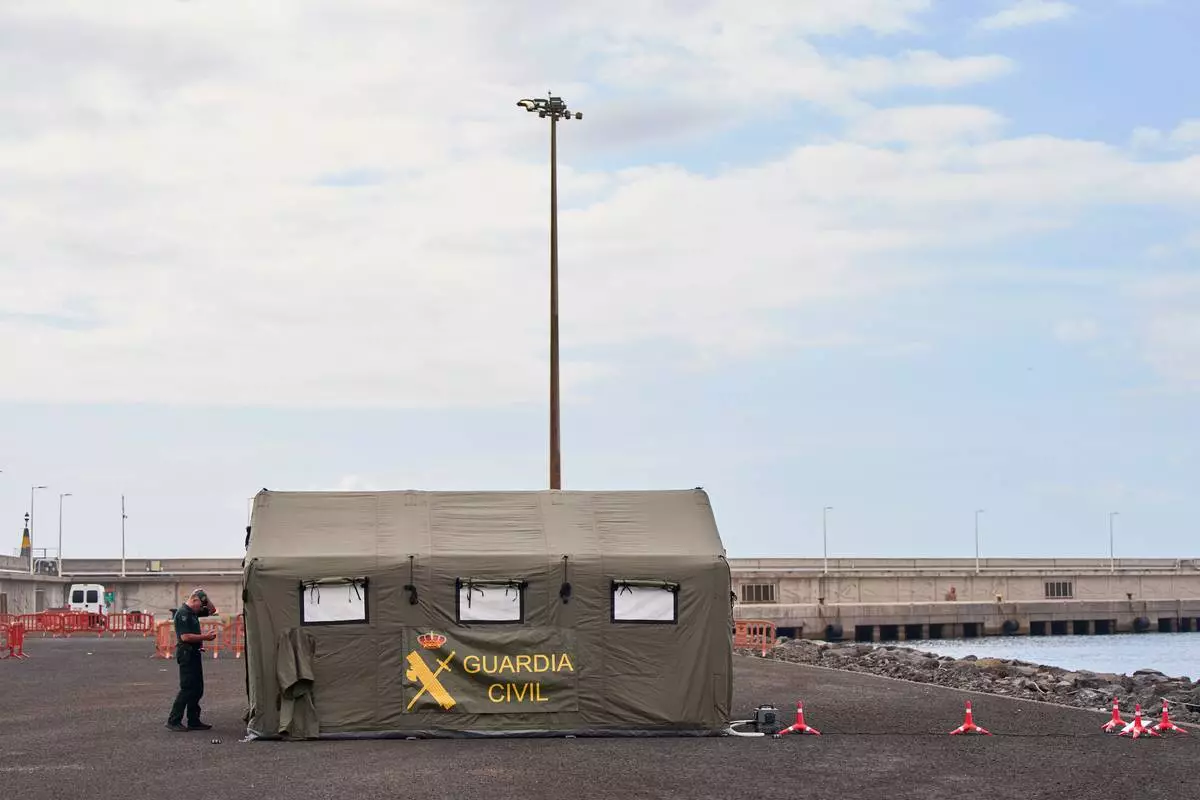
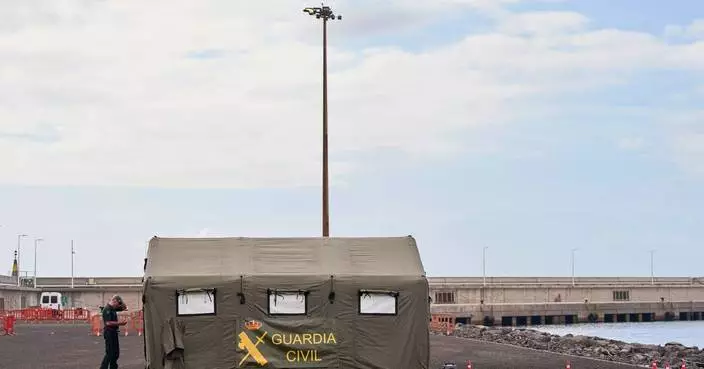
A Spanish Civil Guard officer inspects the area where passengers from the MV Hondius cruise ship are expected to arrive at the port of Granadilla in Tenerife, Canary Islands, Spain, Saturday, May 9, 2026. (AP Photo/Manu Fernandez)
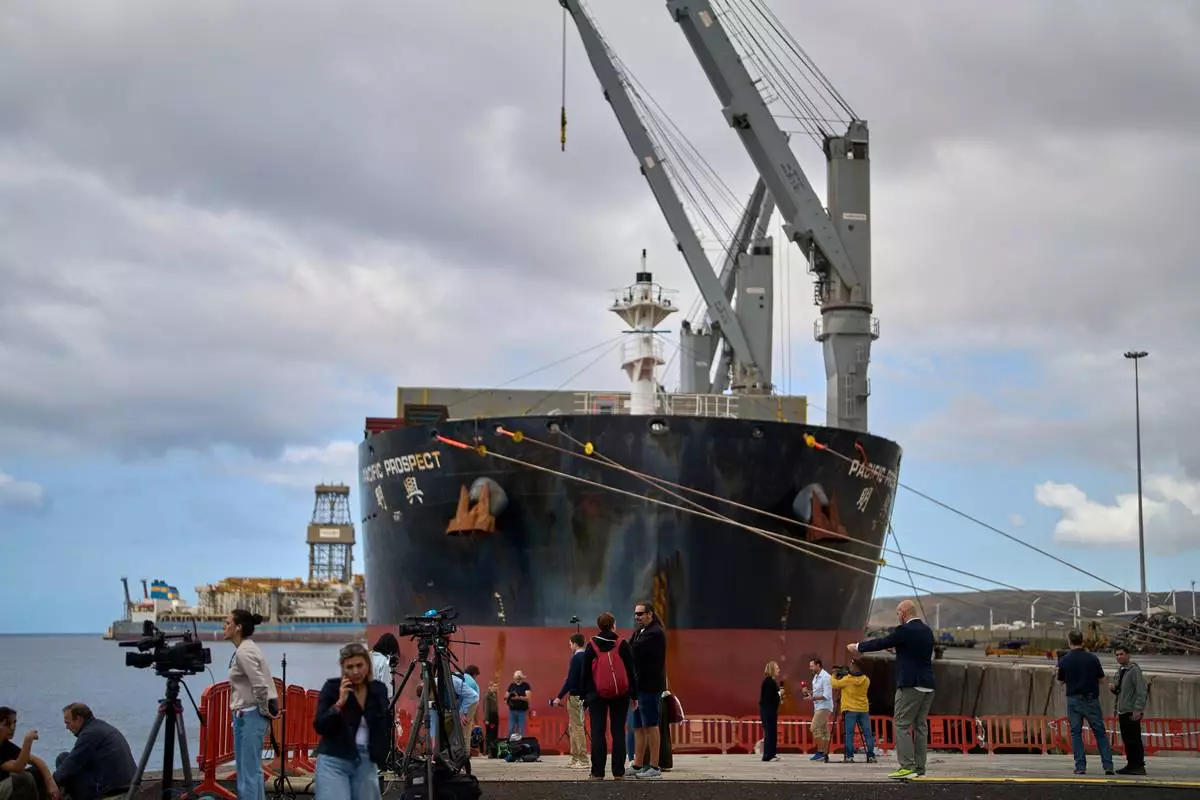
Media crew members stand in the area where passengers from the MV Hondius cruise ship are expected to arrive at the port of Granadilla in Tenerife, Canary Islands, Spain, Saturday, May 9, 2026. (AP Photo/Manu Fernandez)
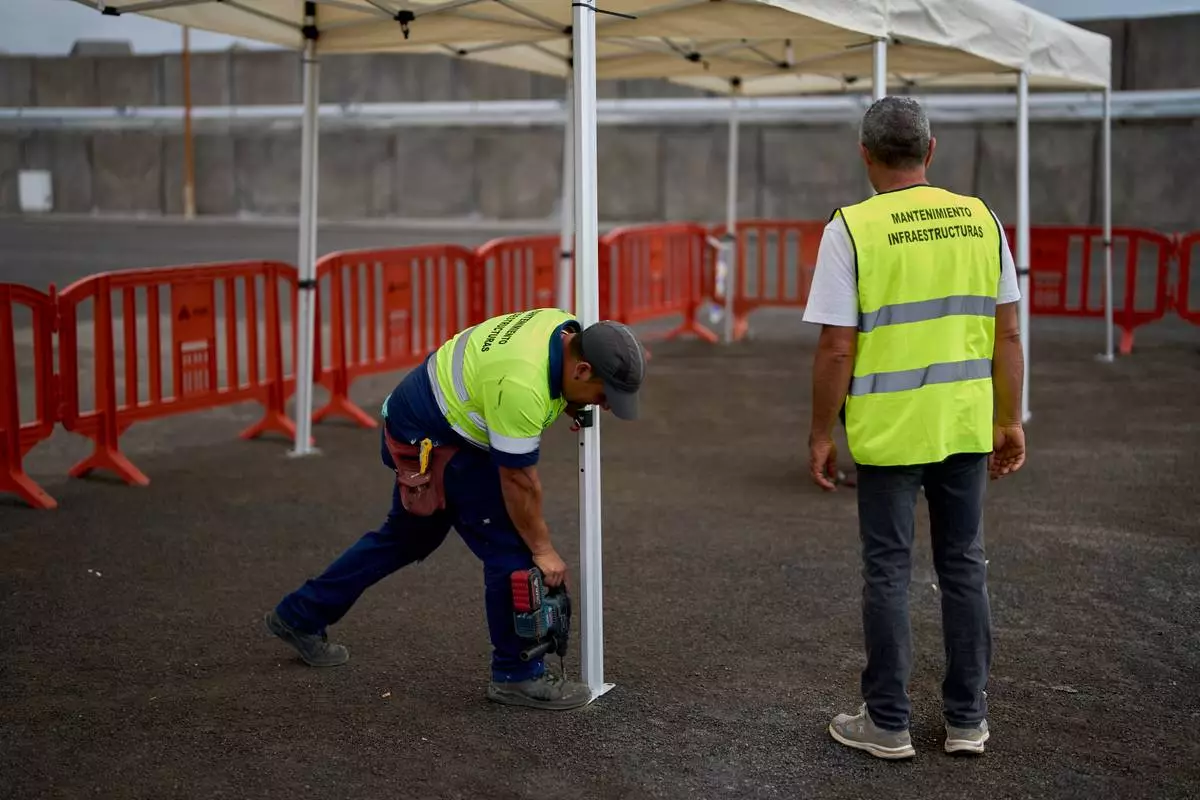
Workers set up temporary shelters in the area where passengers from the MV Hondius cruise ship are expected to arrive at the port of Granadilla in Tenerife, Canary Islands, Spain, Saturday, May 9, 2026. (AP Photo/Manu Fernandez)
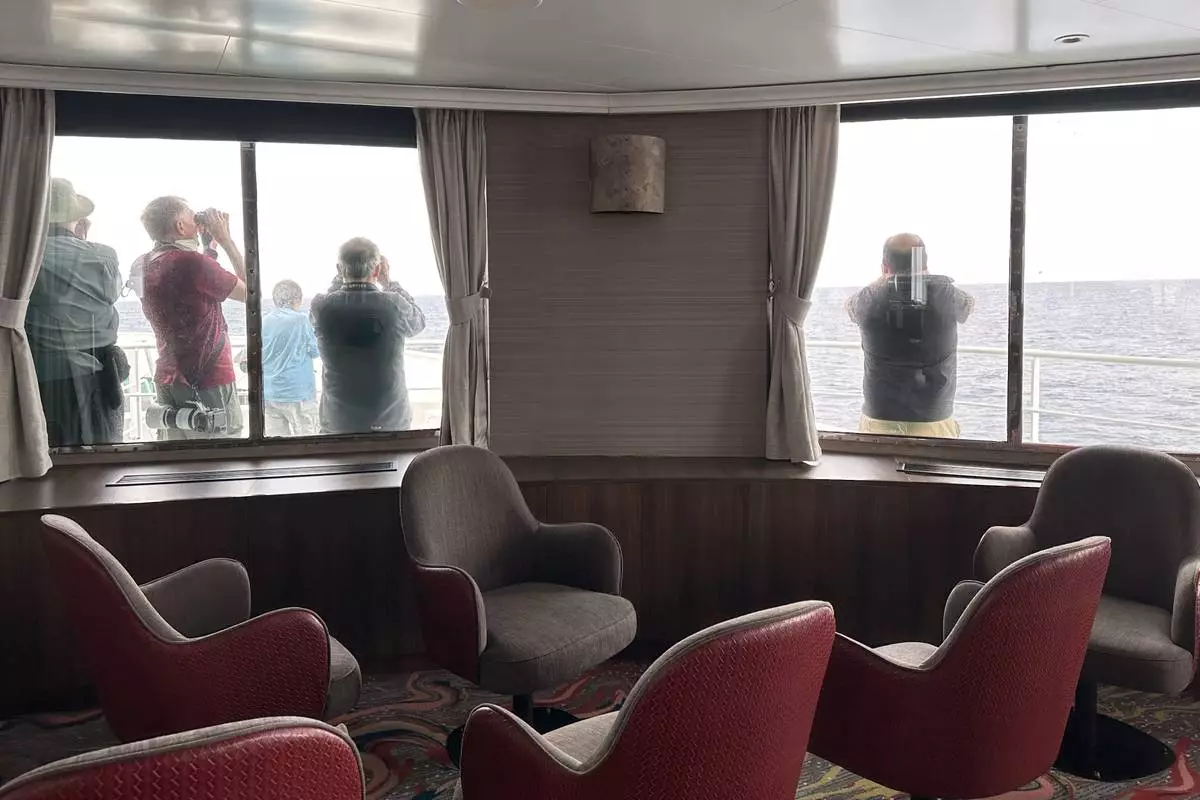
Passengers on the hantavirus-stricken cruise ship, MV Hondius, scan the horizon with binoculars during their voyage to Spain's port of Tenerife, May 6, 2026. (AP Photo)
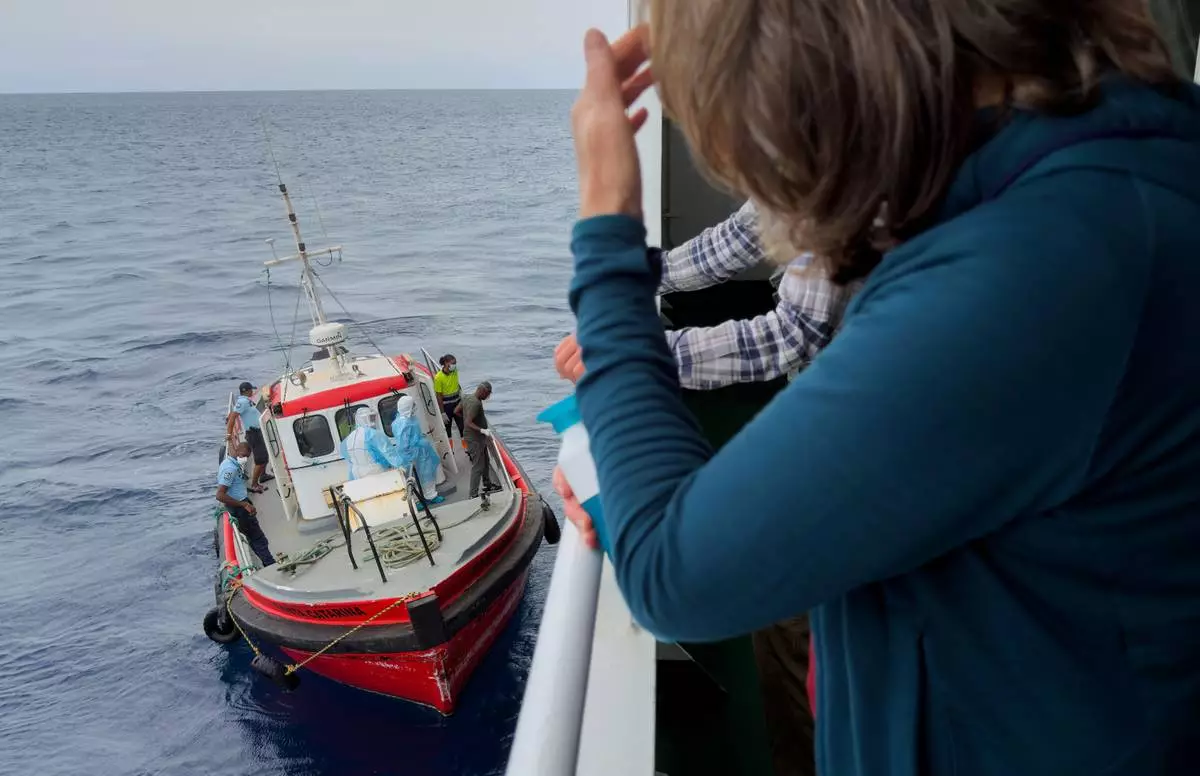
Passengers on the the hantavirus-stricken cruise ship, MV Hondius, watch epidemiologists board the boat in Praia, during their voyage to Spain's port of Tenerife, May 6, 2026. (AP Photo)
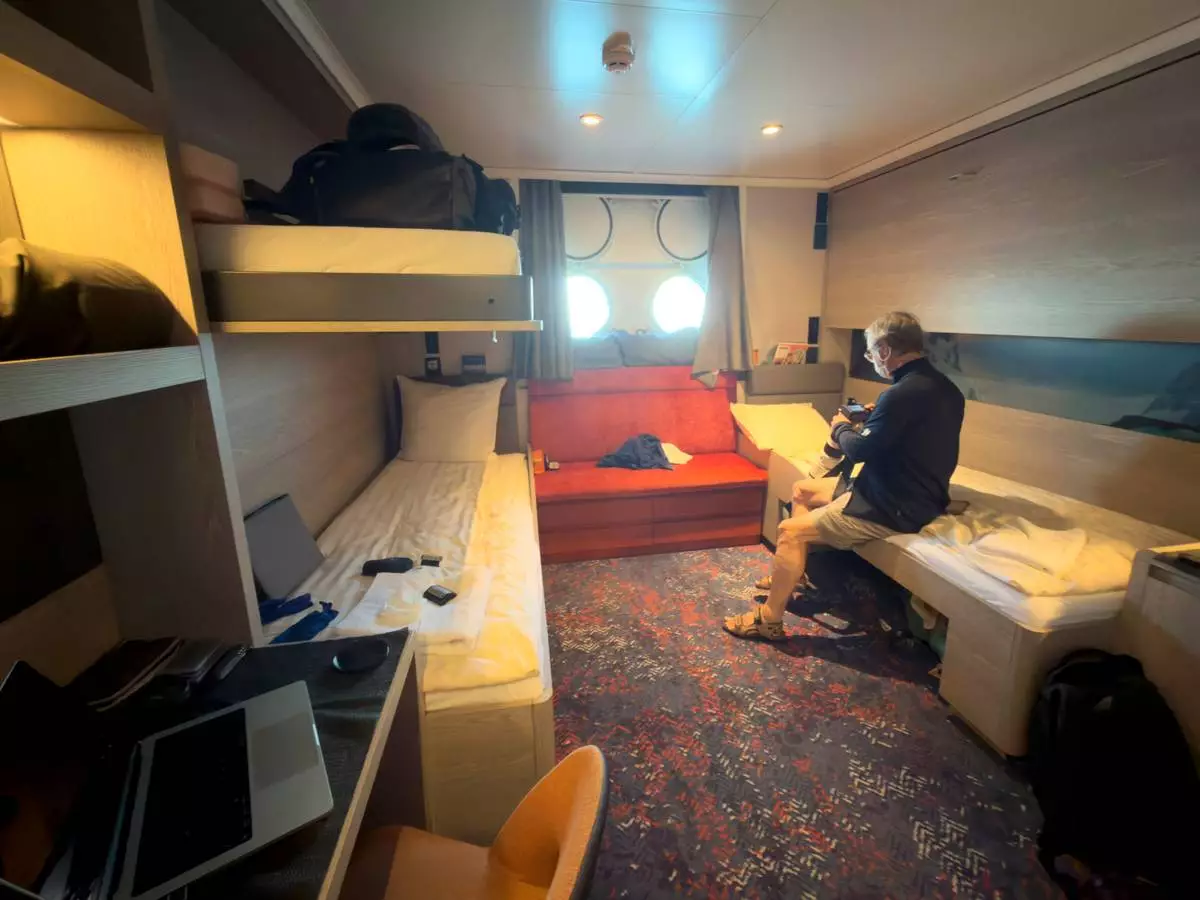
A passenger checks his camera inside his cabin on the hantavirus-stricken cruise ship, MV Hondius, during the voyage to Spain's port of Tenerife, May 6, 2026. (AP Photo)
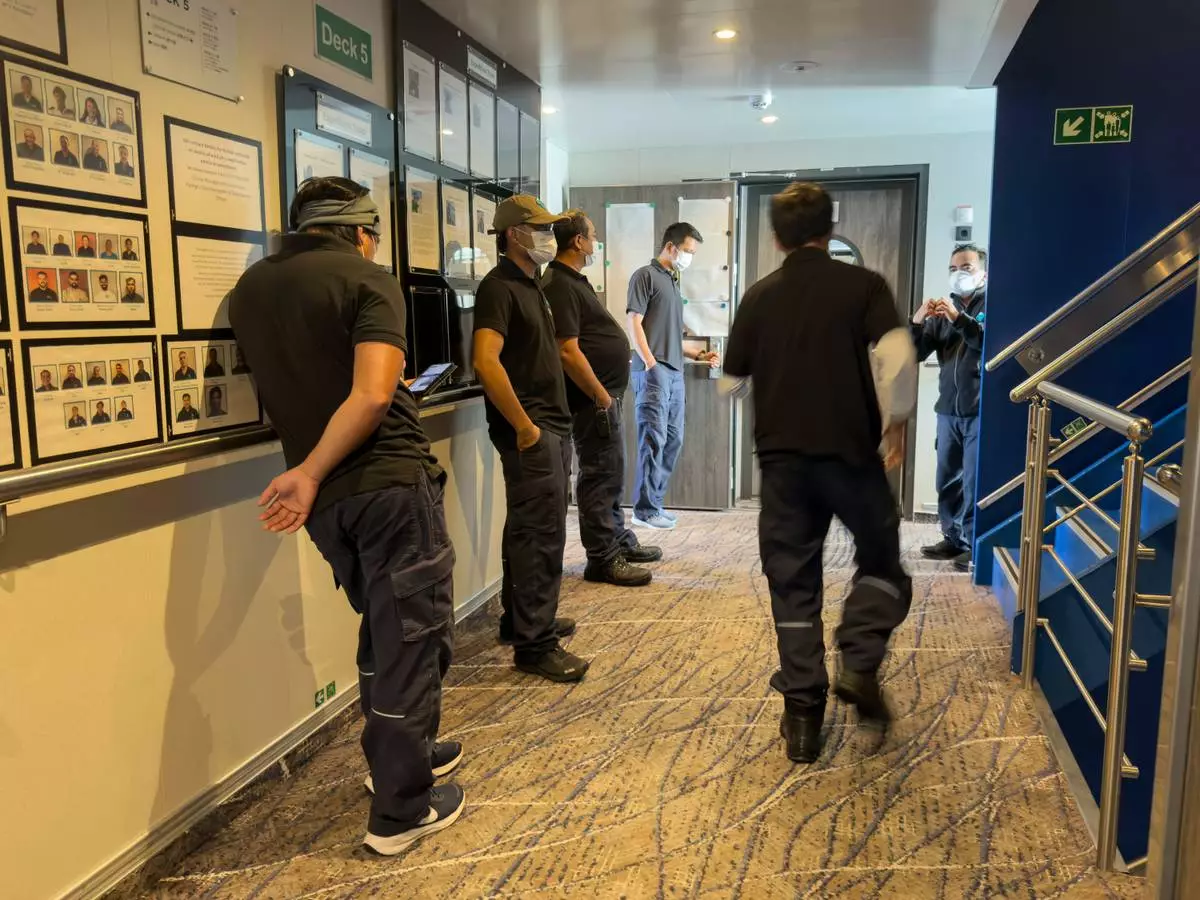
Crew members of the hantavirus-stricken cruise ship, MV Hondius, wait their turns for a first interview with epidemiologists, during the voyage to Spain's port of Tenerife, May 6, 2026. (AP Photo)
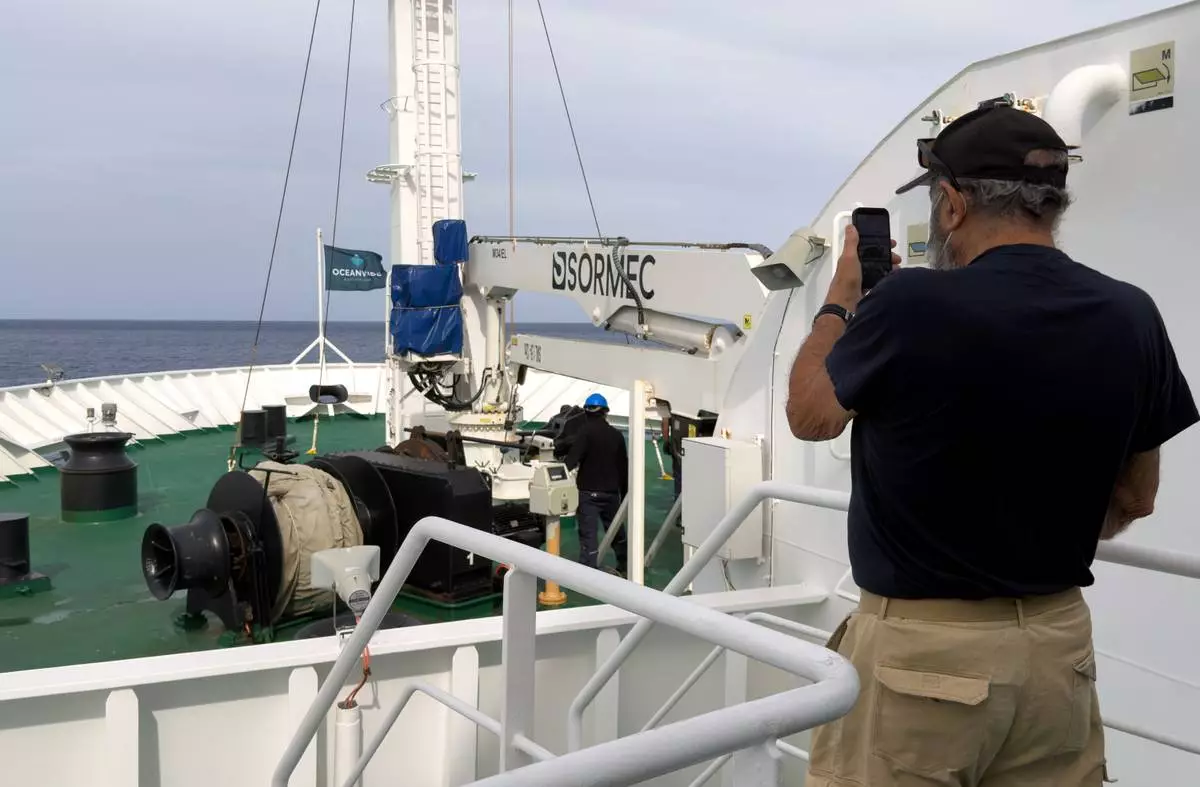
A passenger on the the hantavirus-stricken cruise ship, MV Hondius, takes a photo of the ship's weighing anchor in Praia, during the voyage to Spain's port of Tenerife, May 6, 2026. (AP Photo)