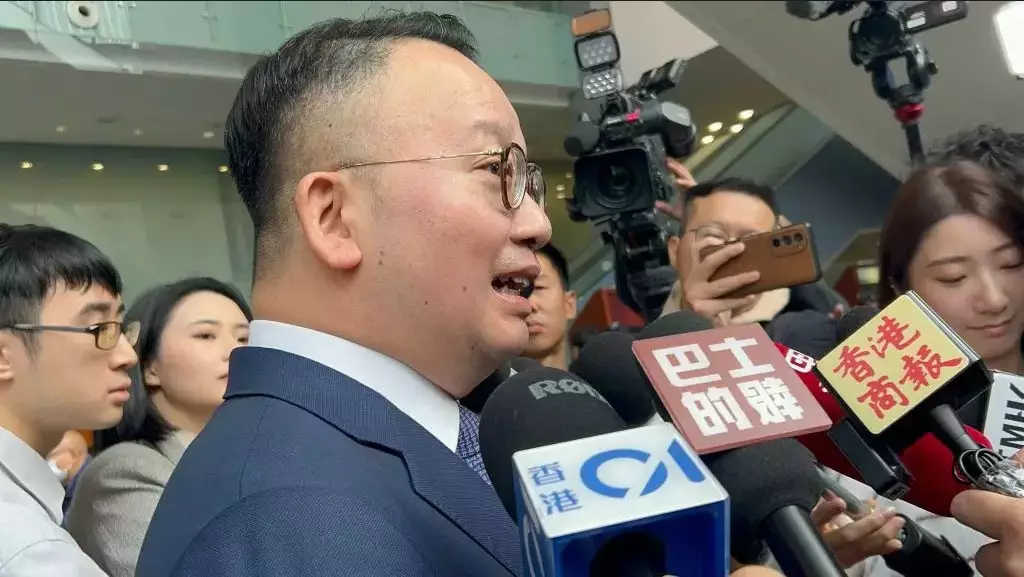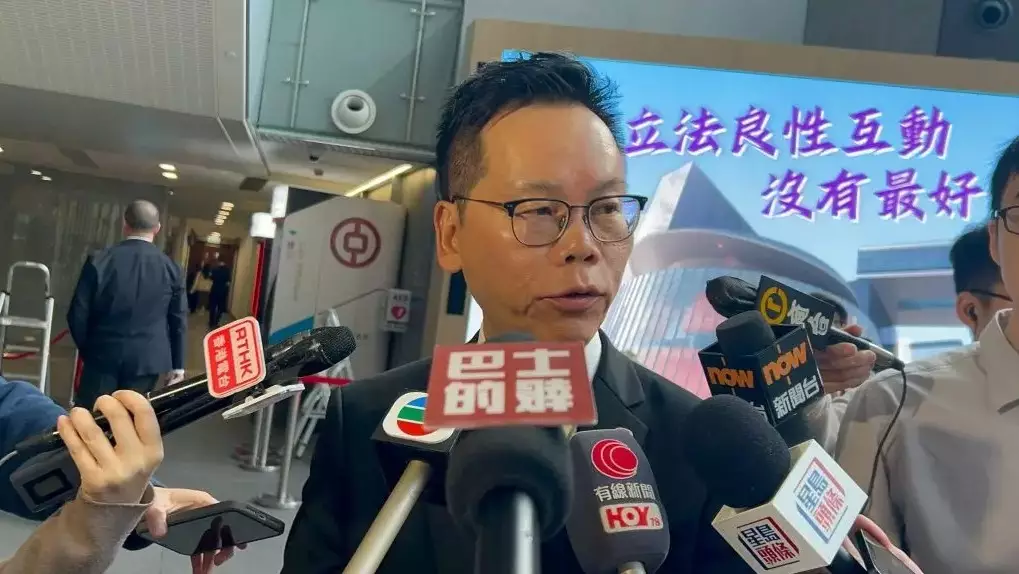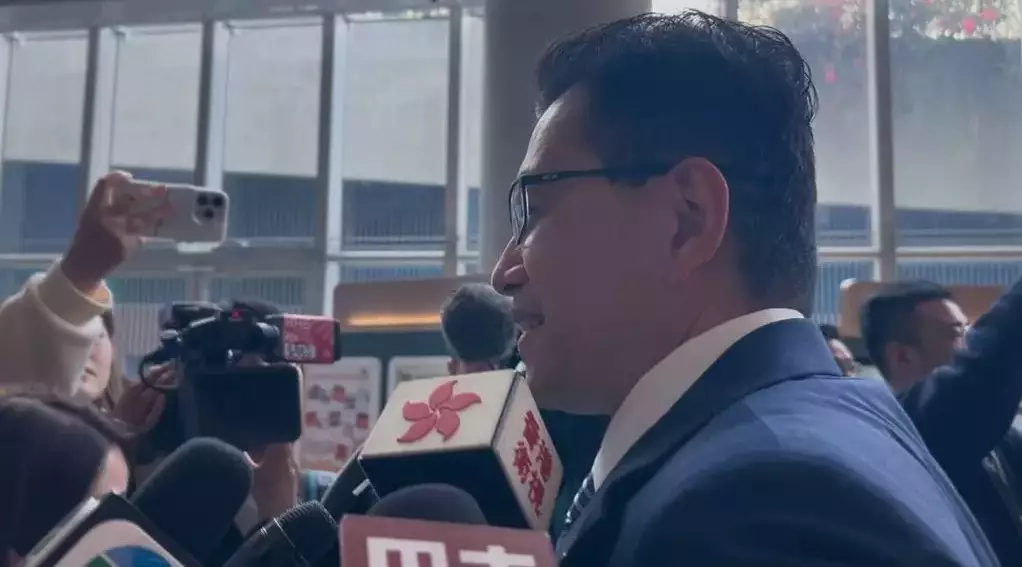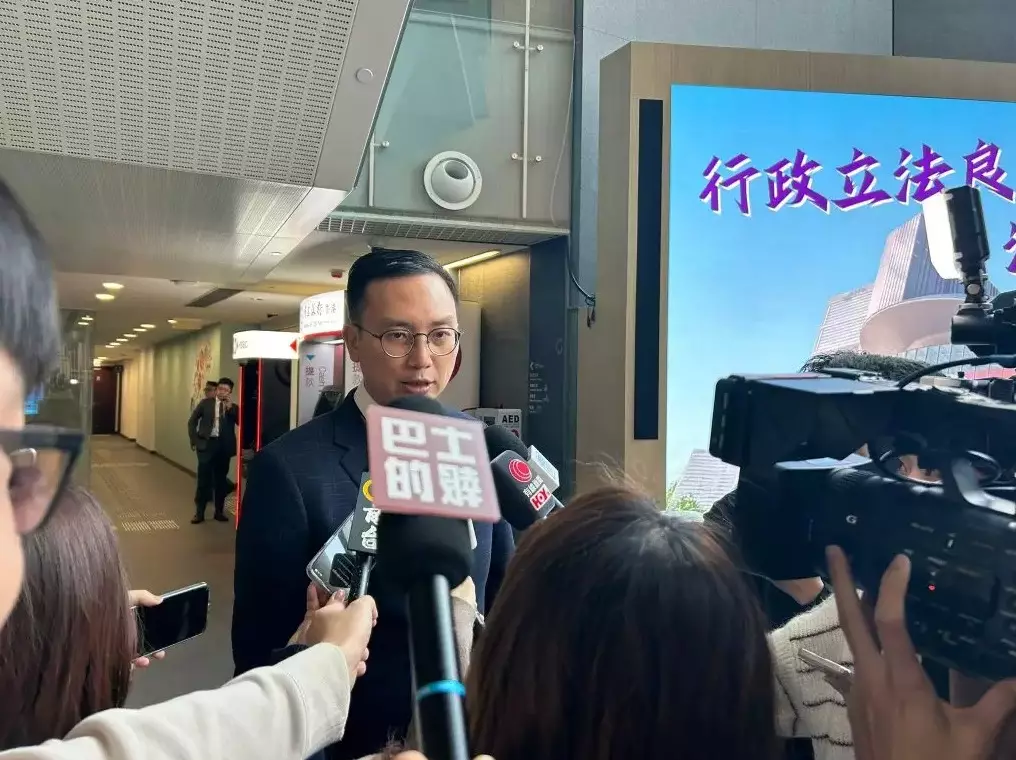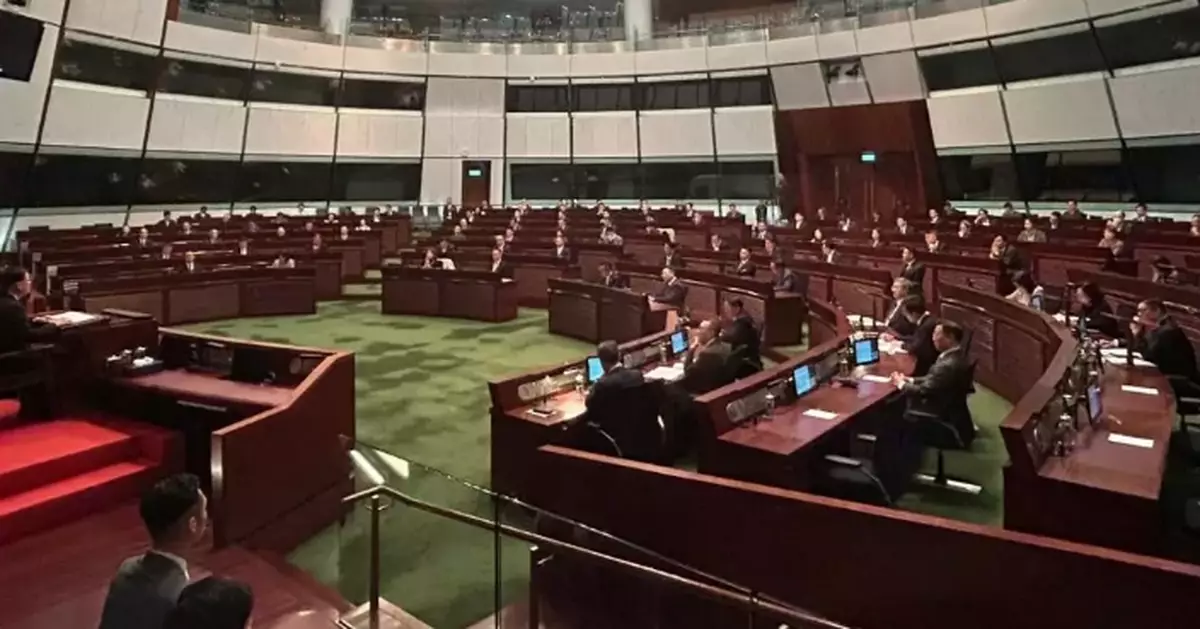
The new Legislative Council has held its first plenary session on January 14th. Mr. John Lee, the Chief Executive, addressed the plenary session, which was the first time in 28 years. He described the 8th Legislative Council as bearing a long and arduous task. He hoped the members would be courageous in taking on their duties, reflecting public opinion without blindly following the crowd, and pointing out problems and offering suggestions if they disagreed with government policies. He also hoped the members would speak the truth when the government is on the right path.
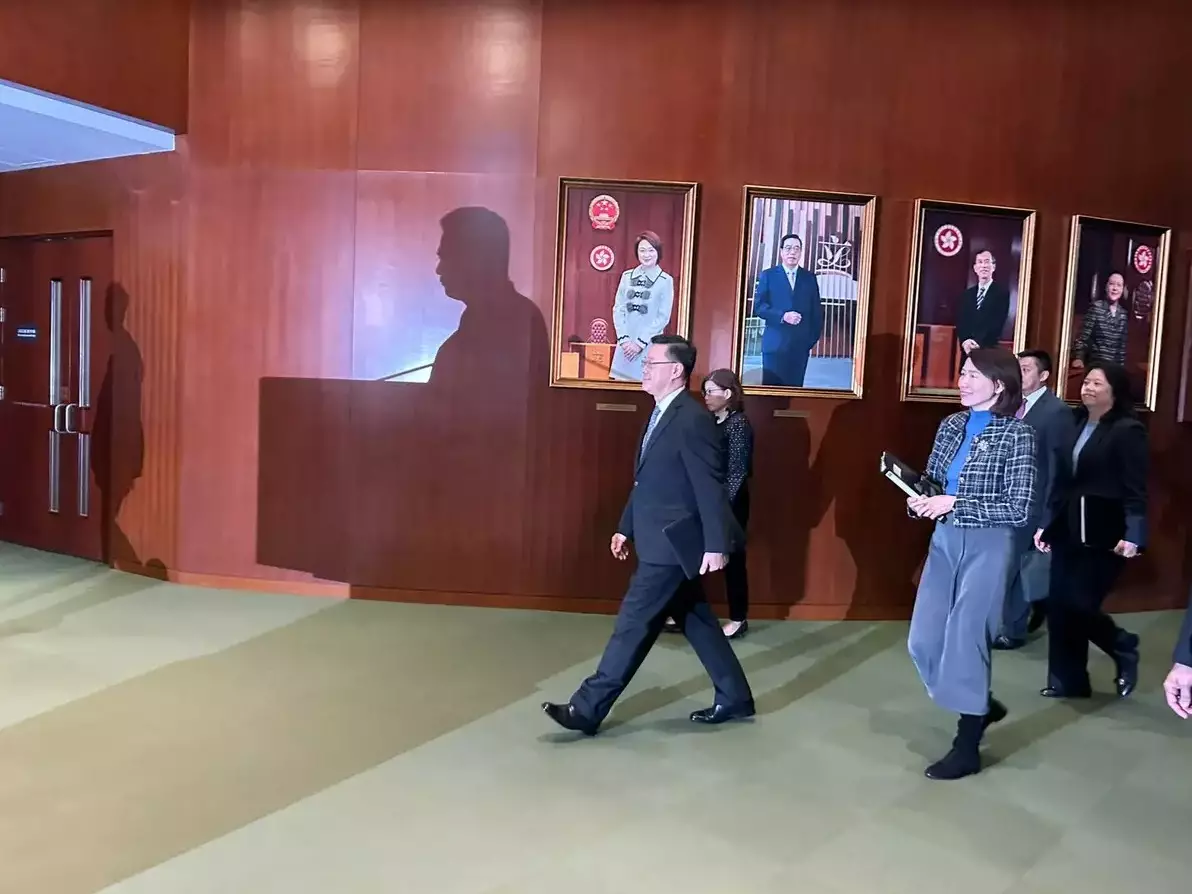
Mr. John Lee attended the plenary session of the new Legislative Council, Photo by Bastille Post
Mr. Lee stated that he values every member of the Legislative Council, and had already shared three expectations with them, as well as two future directions of the collaboration between the executive and legislative operations, after the oath-taking ceremony on January 1st.
Click to Gallery
Mr. John Lee attended the plenary session of the new Legislative Council, Photo by Bastille Post
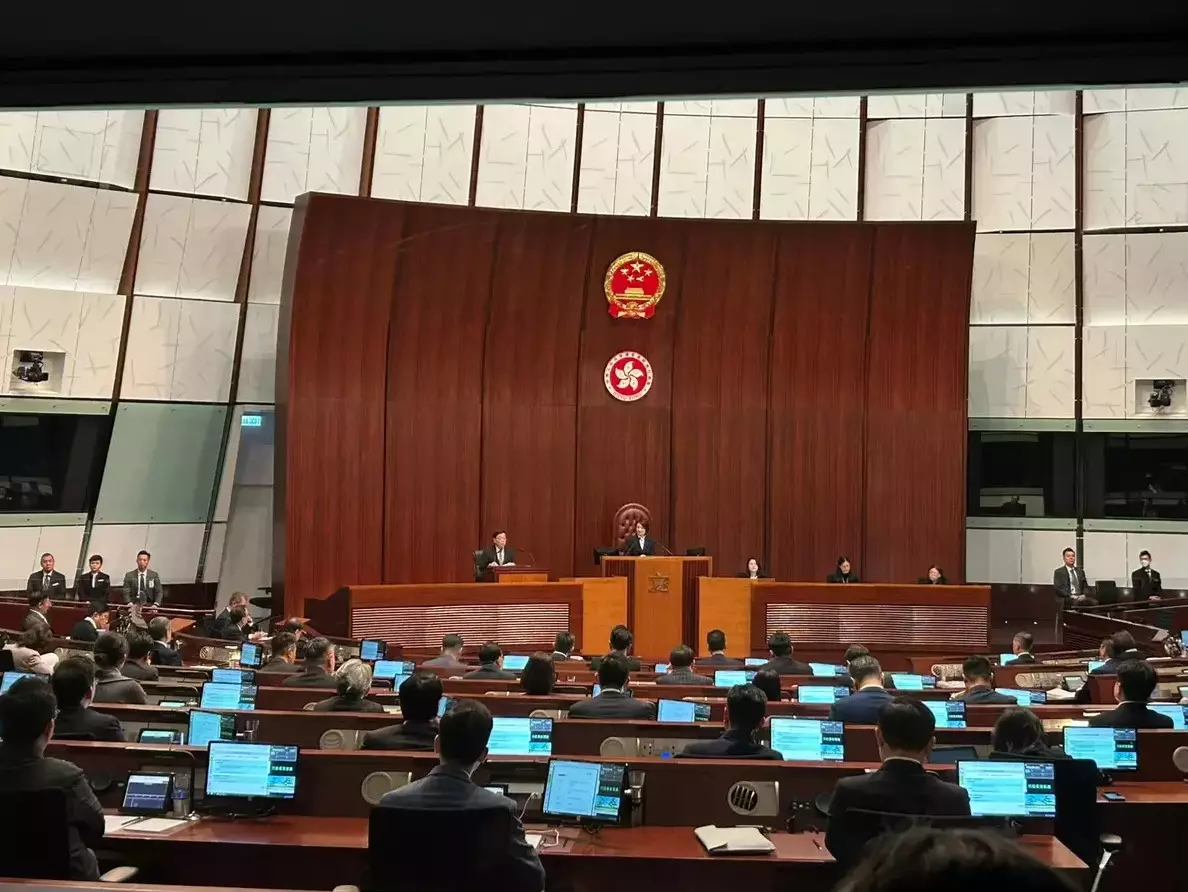
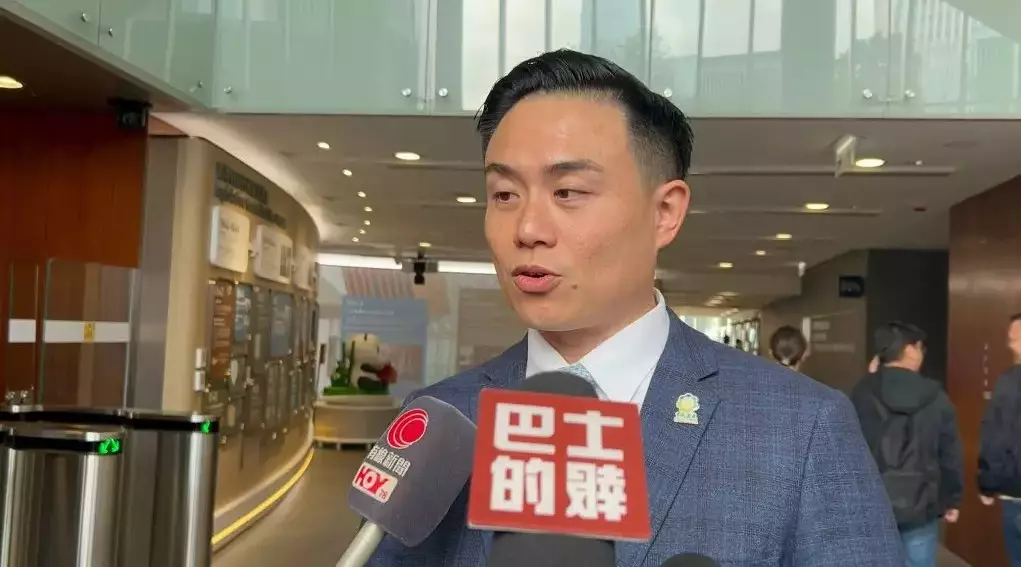
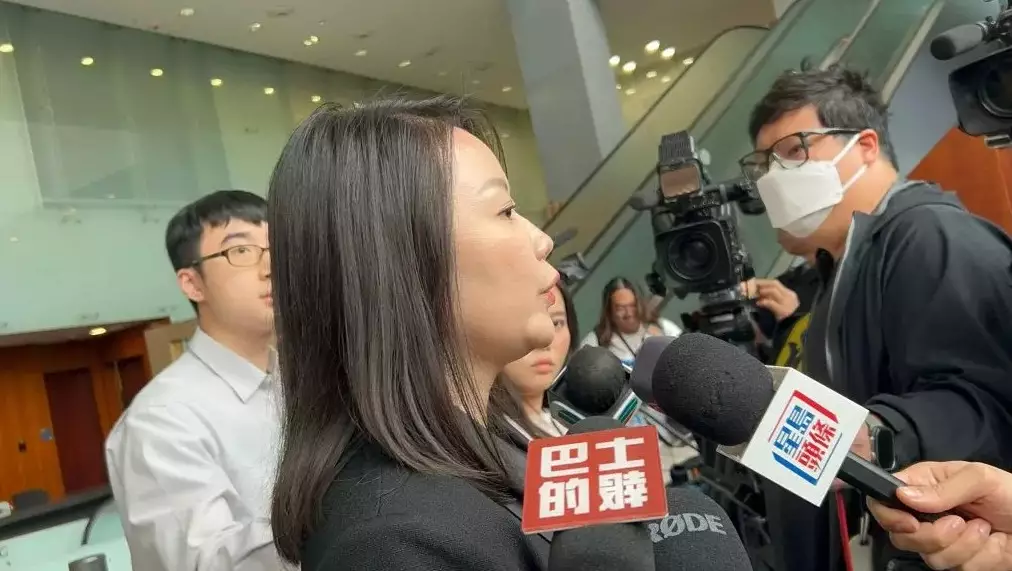
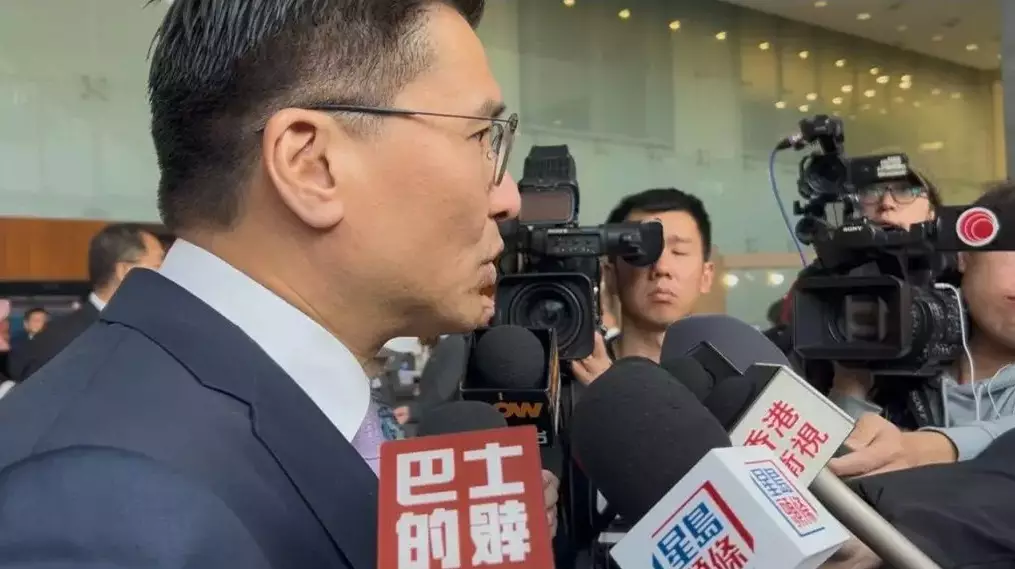
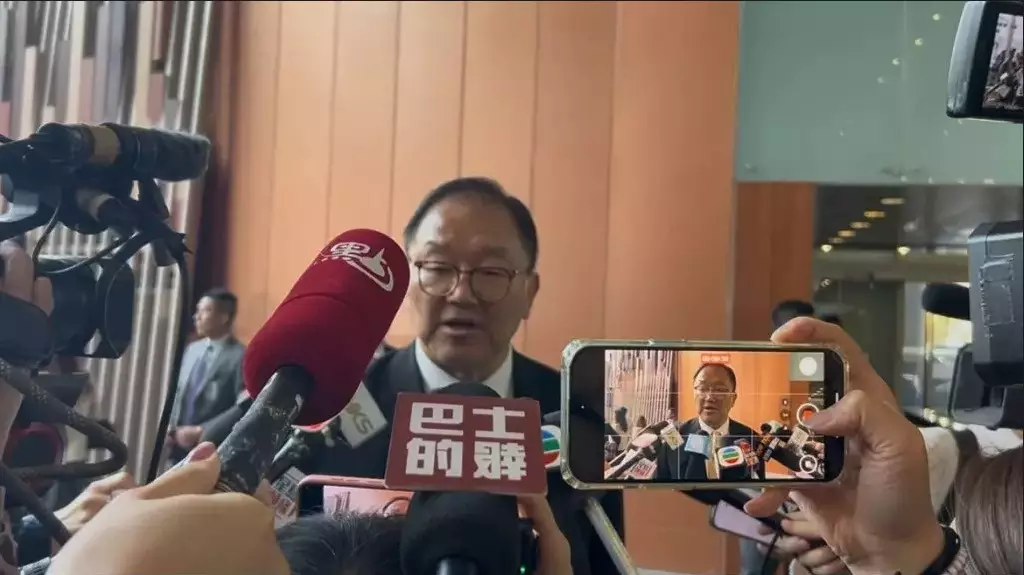
The plenary session of the new Legislative Council, Photo by Bastille Post
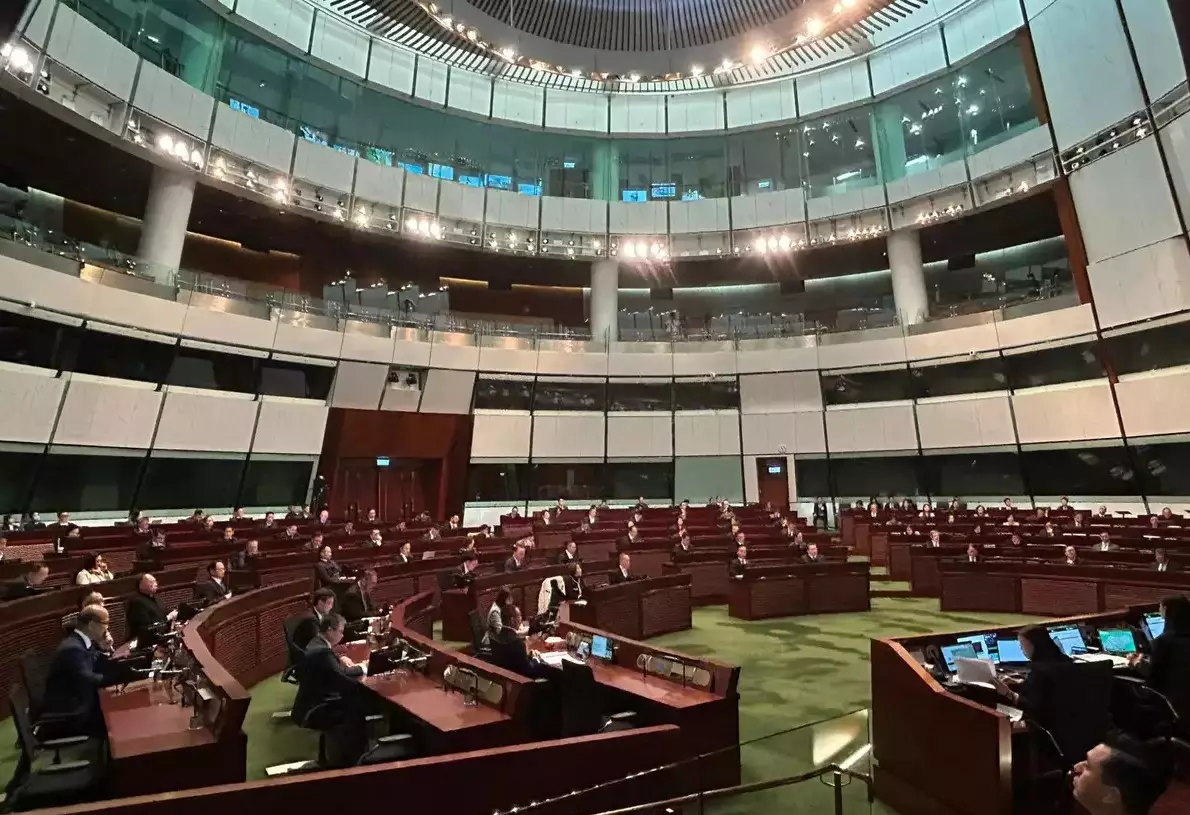
The plenary session of the new Legislative Council, Photo by Bastille Post
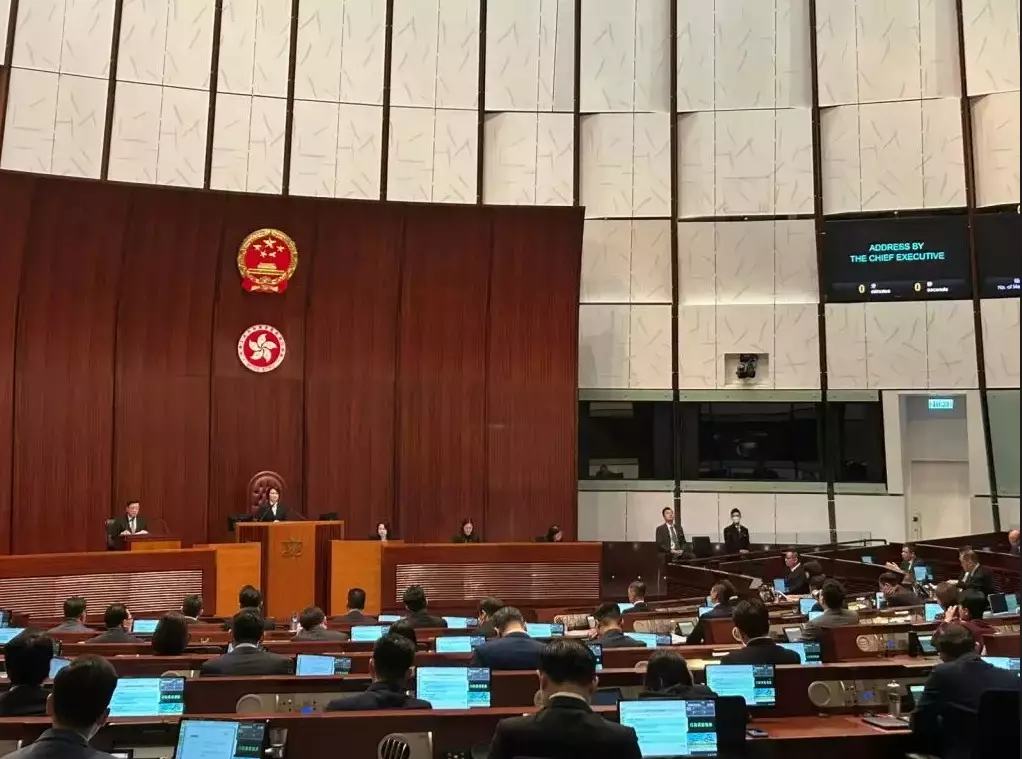
The plenary session of the new Legislative Council, Photo by Bastille Post
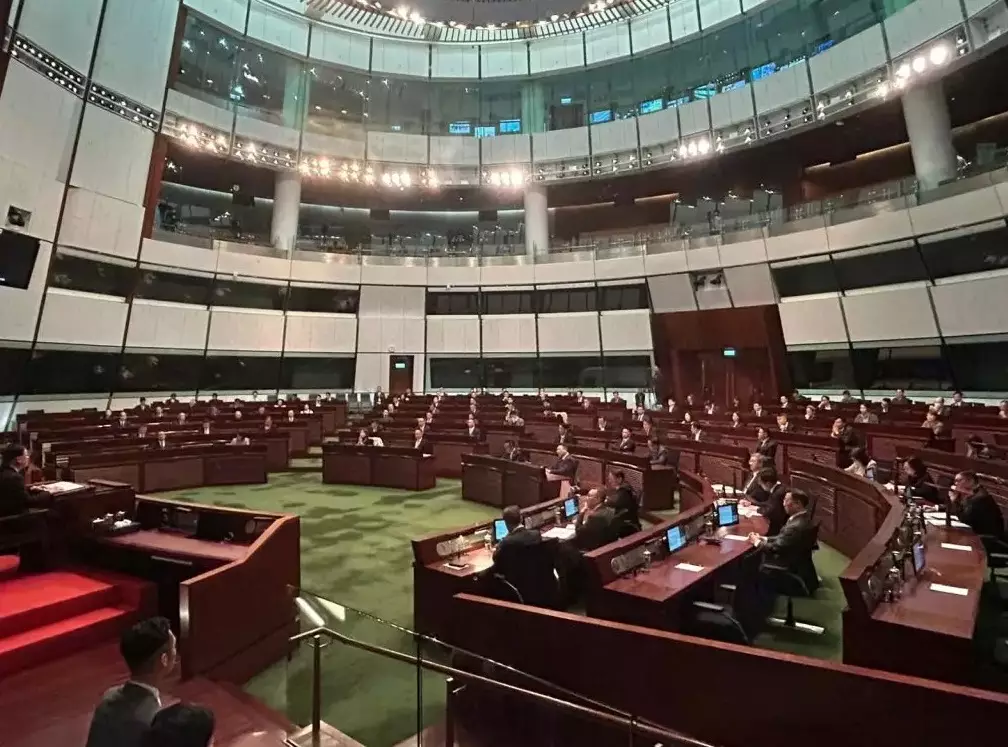
The plenary session of the new Legislative Council, Photo by Bastille Post
The three expectations are: First, to uphold the balanced principle between the executive-led system and "patriots administering Hong Kong", adhere to and improve the executive-led system to ensure a positive interaction and mutual balance between the executive and legislative operations. Second, to ensure the Legislative Council Members could adhere to and abide by the Code for Members, basing their actions on the fundamental interests of the nation and society, without pursuing personal political gain or glory. Third, to ensure the Members could be concerned with both individual micro-level needs and the overall macro-level interests of the society, grasping the five systemic relationships when analyzing issues: the overall and partial situation, the present and the future, the macro and the micro, the primary and secondary contradictions, and the specific and the general.
He also mentioned the two future directions of executive-legislative cooperation. First, it involves proactively integrating into and serving the overall national development, including aligning with the 15th Five-Year Plan, accelerating the development of the Northern Metropolis, as well as consolidating and enhancing Hong Kong's international competitiveness, etc. Second, it involves jointly promoting the post-disaster support and reconstruction efforts at Wang Fuk Court, implementing systemic reforms, breaking down interest barriers, and preventing the recurrence of such tragedies.
The plenary session of the new Legislative Council, Photo by Bastille Post
Mr. John Lee stated that the Government and the Legislative Council have much work ahead. Handling the post-disaster support and reconstruction is the immediate task, while simultaneously focusing on economic development, social construction, and improving people's livelihoods, which includes accelerating the development of the Northern Metropolis, building the Northern Metropolis University Town, promoting high-quality development, promoting the development of Hong Kong's industries, as well as continuously consolidating and enhancing Hong Kong's international competitiveness. Meanwhile, improving people's livelihoods would also be an important task, including enhancing the situations of land and housing, transportation, healthcare, social welfare, and ensuring worker protection, etc.
He emphasized that "patriots administering Hong Kong" is not just a slogan, but must be put into practice. His expectations for the Members are also not just empty words; he hopes they can bravely shoulder their responsibilities in governing Hong Kong, reflect public opinion without blindly following the crowd, and lead the public by providing accurate information and facts, filtering out misinformation, and exerting their influence as administrators of the society.
The plenary session of the new Legislative Council, Photo by Bastille Post
At the plenary session, multiple Members have offered suggestions on the issues of long-term resettlement of the Tai Po fire's victims, building inspection, and fire safety, etc.
Mr. Chan Hak-kan, the Member of the New Territories North East Geographical Constituency from the Democratic Alliance for the Betterment and Progress of Hong Kong, stated two points of consensus among the victims of the Tai Po fire regarding reconstruction: 1. The reconstruction ought to be fast. 2. The reconstruction ought to be carried out at the original site. He stated that since different victims would have distinct considerations, the government should provide the public with a clear timeline for each reconstruction option, allowing victims to choose different resettlement plans.
Mr. Chan Chun-ying, the Member of the Finance Functional Constituency, pointed out that the fastest, most flexible, and most autonomous solution would be letting the government acquire the property rights of Wang Fuk Court based on the pre-fire market value, allowing proprietors to choose their own options after receiving cash.
Regarding the mention from Ms. Winnie Ho, the Secretary for Housing, that 900 units will be launched on Chung Nga Road West in 2029, Ms. Judy Chan Ka-pui, the Member of the Hong Kong Island West Geographical Constituency, suggested that the government should promptly release the units' blueprints, dimensions, and other information to facilitate public judgment and selection.
Dr. Junius Ho Kwan-yiu, the Member of Election Committee, stated that the housing needs of the Tai Po fire's victims should be prioritized. No matter what kind of housing resettlement would be, it should be handled on a case-by-case basis. He suggested that the government take the lead or establish regulations specifically for the needs of the residents of Wang Fuk Court to resolve all legal issues. He described the owners' corporations of each building as "mini special administrative region," which controls the building's resources. In his eyes, regulations should be established to conduct regular compliance certifications for the corporations.
Regarding the supportive services to victims, Ms. Chan Hoi-yan, also the Member of Election Committee, suggested that the government establish a cross-departmental and cross-sectoral joint mechanism to proactively integrate and coordinate resources and services provided by the government and communities, which would allow for immediate coordination once a disaster occurs in the future, ensuring faster and more effective post-disaster response and long-term support.
The plenary session of the new Legislative Council, Photo by Bastille Post
Furthermore, the fire safety reform of buildings is another key focus for the Members at the plenary session. Mr. Lam Chun-sing, the Member of Election Committee, questioned whether insufficient sampling and routine inspection have allowed unscrupulous individuals to take advantage, since the Buildings Department already has standards for scaffolding nets. He emphasized that the authorities should further develop checklists and random inspection procedures for high-risk materials and operations. He also suggested that the Buildings Department could consider deregistering contractors who cut corners or use fake certificates under the Buildings Ordinance to increase deterrence. In the long term, he recommended that the government establish a permanent cross-departmental task force, preventing departments from neglecting their own responsibilities in the aspect of reporting and referral mechanisms for violations and complaints.
Dr. Johnny Ng Kit-chong, the Member of Election Committee, suggested the government should make good use of technology, increase the resource input for the Fire Services Department, and install more technological equipment to deal with large-scale fires. He also suggested incorporating emergency large-scale fires into the Emergency Alert System (EAS) to play a crucial role in timely rescue.
Ms. Christine Fong Kwok-shan, the Member of the New Territories South East Geographical Constituency, suggested the establishment of a Building Maintenance Authority to focus on mandatory window and building inspections, water leakage investigations, and building maintenance, etc. Meanwhile, it should also be specifically responsible for supervising building maintenance consultants and contractors to rectify the entire maintenance system. She also proposed government-funded independent third-party supervision to assist in the management and maintenance of housing estates and buildings throughout Hong Kong, and the establishment of a rating system for consultants and contractors.
Mr. Sunny Tan, the Member of the Textiles and Garment Functional Constituency, pointed out three major existing problems in his speech: falsification of scaffolding net inspection reports, non-ideal cross-departmental collaboration, and inadequate management of owners' corporations, describing them as an inability to address problems piecemeal. He stated that the Construction Industry Council needs to fulfill its role and function by establishing safety standards for more critical engineering materials, expanding the government's collective procurement namelist to ensure safety and facilitate monitoring.
Some Members also expressed concern about combating bid-rigging. Mr. Nick Chan Hiu-fung, the Member of the Legal Functional Constituency, and Mr. Alan Chan Chung-yee, the Member of Election Committee Constituency, suggested studying the possibility of elevating bid-rigging from a civil matter to a criminal offense at the enforcement level, and extending the regulations on bribing others to withdraw bids and other acts from public sector bidding to private sector bidding to increase deterrence.
The plenary session of the new Legislative Council, Photo by Bastille Post