January 2026 issue of "Hong Kong Monthly Digest of Statistics" now available
The Census and Statistics Department (C&SD) published today (January 15) the January 2026 issue of the "Hong Kong Monthly Digest of Statistics" (HKMDS).
Apart from providing up-to-date statistics, this issue also contains a feature articles entitled "Marriage and Divorce Trends in Hong Kong, 1991 to 2024".
"Marriage and Divorce Trends in Hong Kong, 1991 to 2024"
This feature article provides an overview on the marriage and divorce trends in Hong Kong from 1991 to 2024.
There has been an increasing tendency towards marriage postponement or non-marriage in both genders. In 2021, 30.9% of males and 27.0% of females had never been married (figures excluding foreign domestic helpers). The median ages at first marriage for males and females increased from 29.1 and 26.2 in 1991 to 32.6 and 31.0 in 2024 respectively. The number of registered marriages in Hong Kong decreased from 42 568 in 1991 to 32 825 in 2001 and gradually rebounded to 60 459 in 2012. A general downward trend resumed afterwards, with 44 196 registered marriages in 2024. On the other hand, Hong Kong females marrying Mainland males has become more common. The proportion of such marriages to all cross-boundary marriages increased significantly from 6.1% in 1991 to 40.0% in 2024. Furthermore, the number of divorces increased in the past 3 decades or so, with the crude divorce rate (per 1 000 population) increased from 1.11 in 1991 to 2.52 in 2024.
For enquiries about this feature article, please contact the Demographic Statistics Section (1) of the C&SD (Tel: 3903 6933; email: population@censtatd.gov.hk).
Published in bilingual form, the HKMDS is a compact volume of official statistics containing about 130 tables. It collects up-to-date statistical series on various aspects of the social and economic situation of Hong Kong. Topics include population; labour; external trade; National Income and Balance of Payments; prices; business performance; energy; housing and property; government accounts, finance and insurance; and transport, communications and tourism. For selected key statistical items, over 20 charts depicting the annual trend in the past decade and quarterly or monthly trend in the recent two years are also available. Users can download the Digest at the website of the C&SD (www.censtatd.gov.hk/en/EIndexbySubject.html?pcode=B1010002&scode=460).
Enquiries about the contents of the Digest can be directed to the Statistical Information Dissemination Section (1) of the C&SD (Tel: 2582 4738; email: gen-enquiry@censtatd.gov.hk).
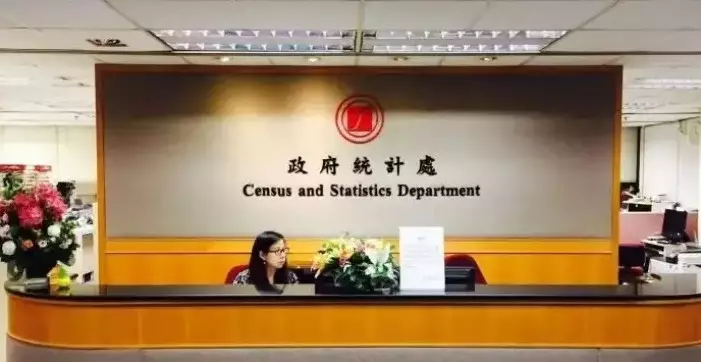
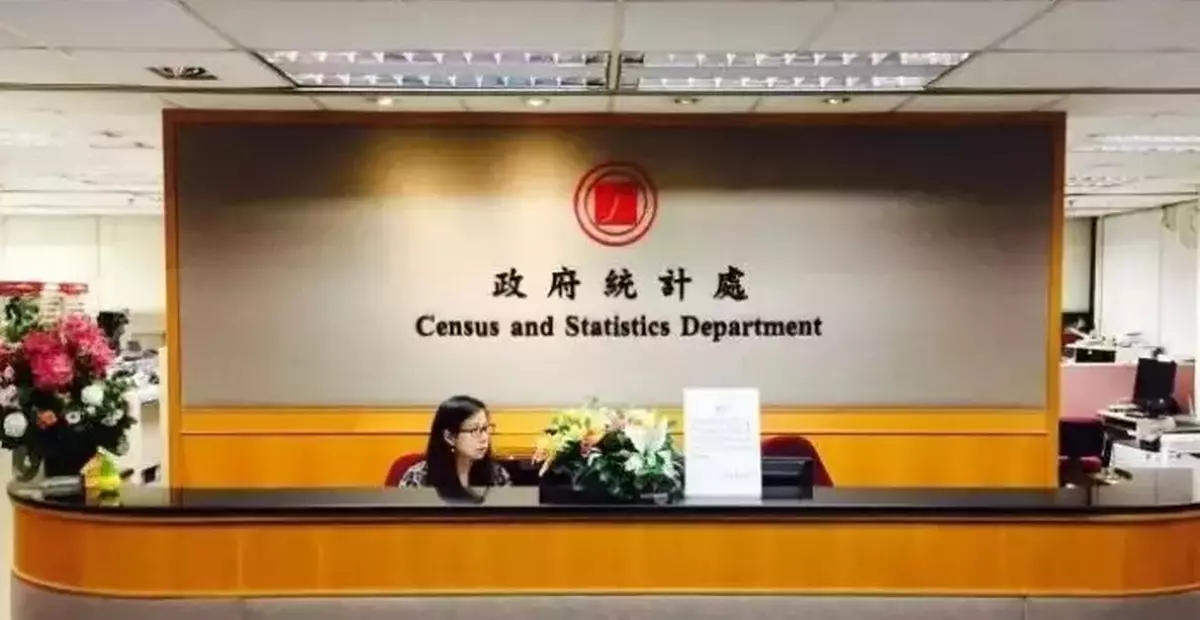
The Census and Statistics Department (C&SD), Photo source: reference image
InnoCarnival 2026 exhibits I&T achievements to let dreams take flight
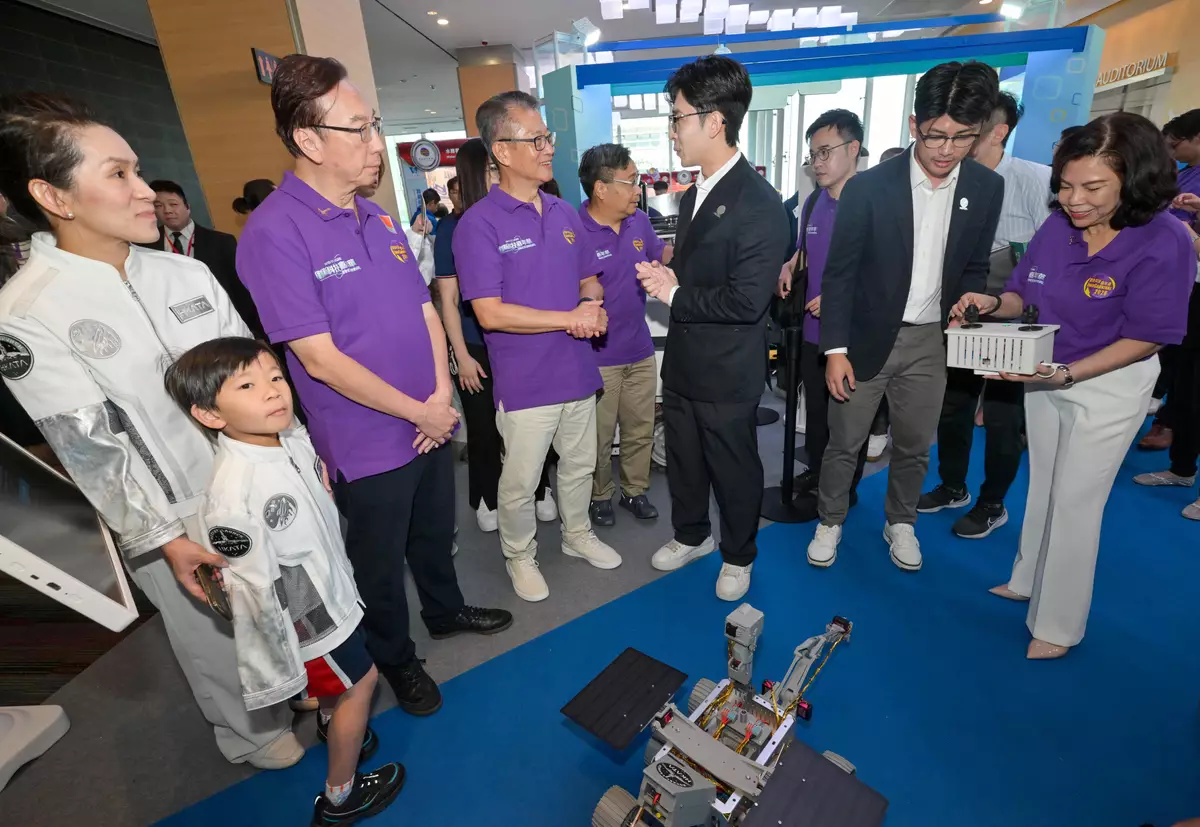
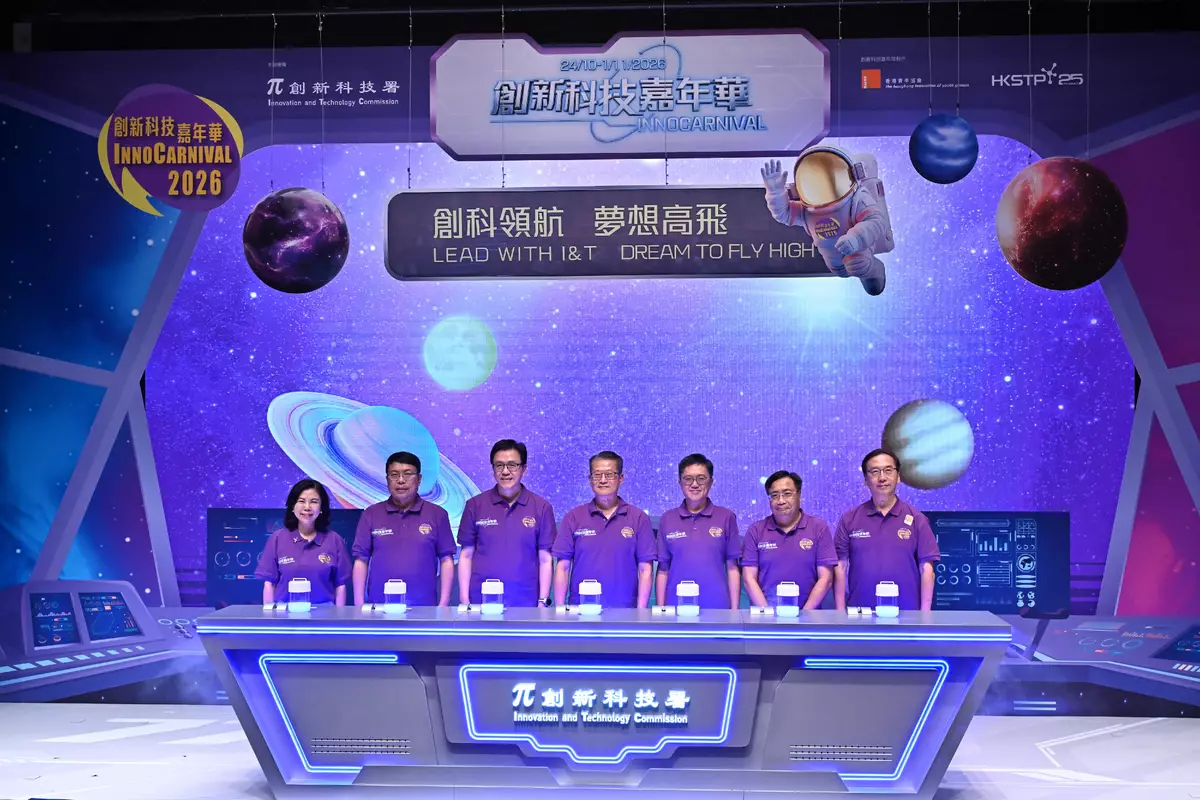
Organised by the Innovation and Technology Commission, InnoCarnival 2026 (IC 2026) is being held for nine consecutive days from today (October 24) to November 1 at the Hong Kong Science Park in Sha Tin. Public admission is free. Under the theme "Lead with I&T Dream to Fly High", this year's carnival not only showcases a number of exhibits of local innovation and technology (I&T) achievements, but also features an aerospace thematic zone to showcase relevant research projects of local universities and their contributions to the country's space exploration missions.
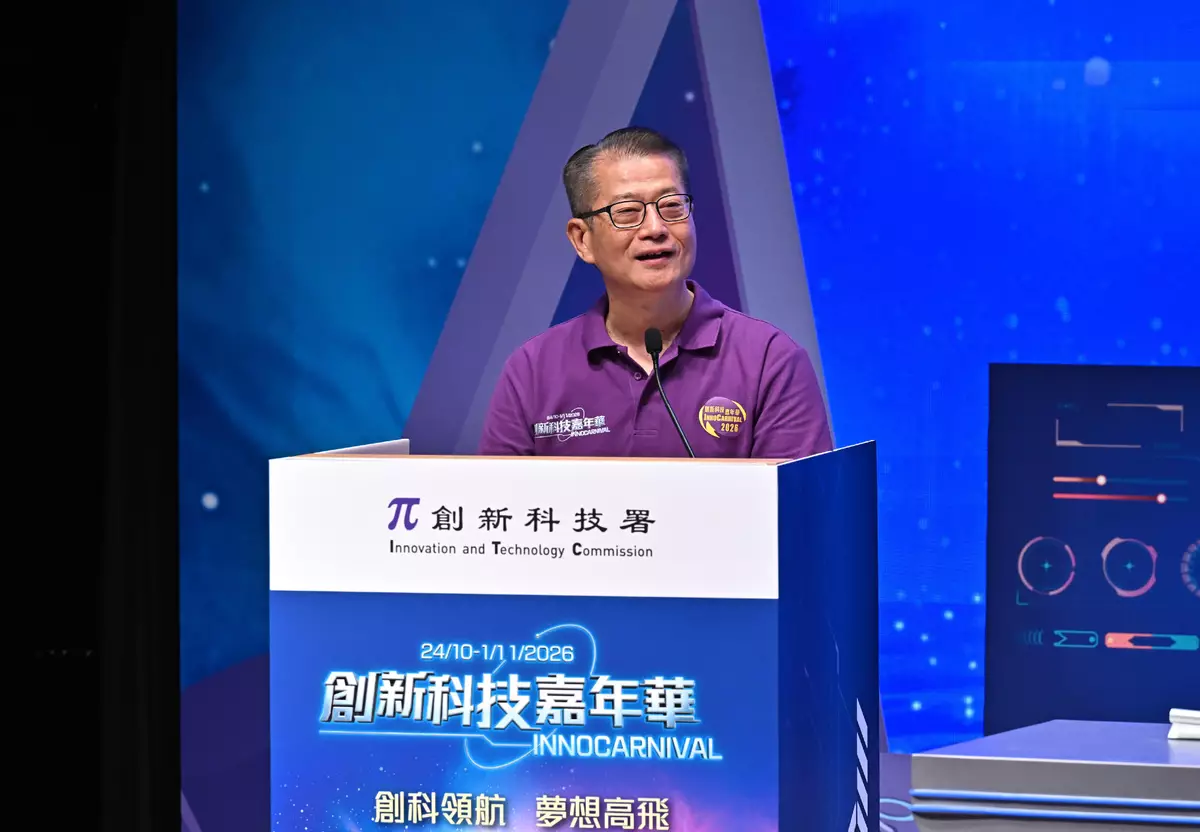
Speaking at the opening ceremony, the Financial Secretary, Mr Paul Chan, said that Hong Kong's strong frontier research capabilities, comprehensive financial services and world-class international talent together provide a complete pathway for turning ideas into industries. Hong Kong's First Five-Year Plan, announced by the Government last month, positions the Northern Metropolis as a hub for I&T industries, promoting the integrated development of education, technology, talent and industry to closely align university talent development and research with industry needs. The Government will also leverage Hong Kong's financial strengths to channel more patient capital into supporting research teams and start-ups as they progress from research and development (R&D) to application.
Mr Chan noted that I&T development ultimately depends on people, particularly the younger generation. Through exhibitions, workshops, talks and interactive experiences, IC 2026 enables members of the public to learn through hands-on participation. Citing the mobile food-waste paper machine that won the junior secondary division of this year's Hong Kong Student Science Project Competition, he encouraged young people to draw inspiration from everyday life and consider how to make the city a better place. He said, "The idea is not complicated, but with dedication to putting it into practice, even a small invention can make a big difference. The next invention to reach the world may well come from one of the students here today."
The campaign partners of IC 2026 are the Hong Kong Federation of Youth Groups and the Hong Kong Science and Technology Parks Corporation. Meanwhile, over 40 programme partners, including local universities, R&D centres and government departments, are supporting the carnival by setting up booths at the Hong Kong Science Park, showcasing a series of I&T achievements and providing interactive games. Besides, about 150 workshops and over 10 webinars across various subjects including aerospace technology and AI will be held during the carnival.
All IC 2026 activities are free of charge. Some of the activities require pre-registration. Details are available on the thematic webpage (innocarnival.hk). Places are limited and will be allocated on a first-come, first-served basis. Members of the public are most welcome to join. During the carnival, free shuttle bus services will be provided between the Hong Kong Science Park and various districts, including MTR University Station, Tai Wai Station, Kowloon Tong Station, and Admiralty Station, with new routes added this year to Yuen Long Station and Tseung Kwan O Station, offering convenient access for visitors.

Source: AI-found images
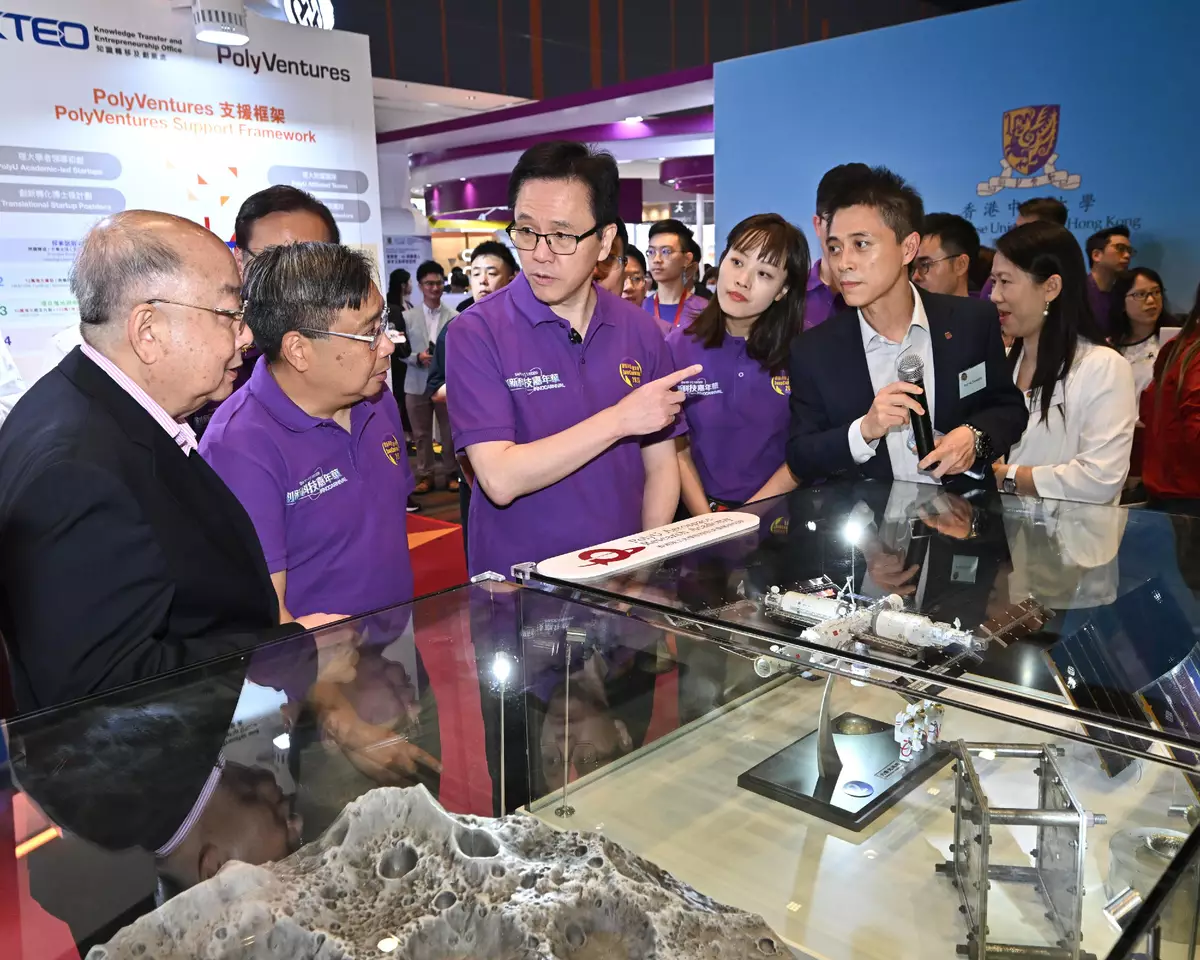
InnoCarnival 2026 exhibits I&T achievements to let dreams take flight Source: HKSAR Government Press Releases
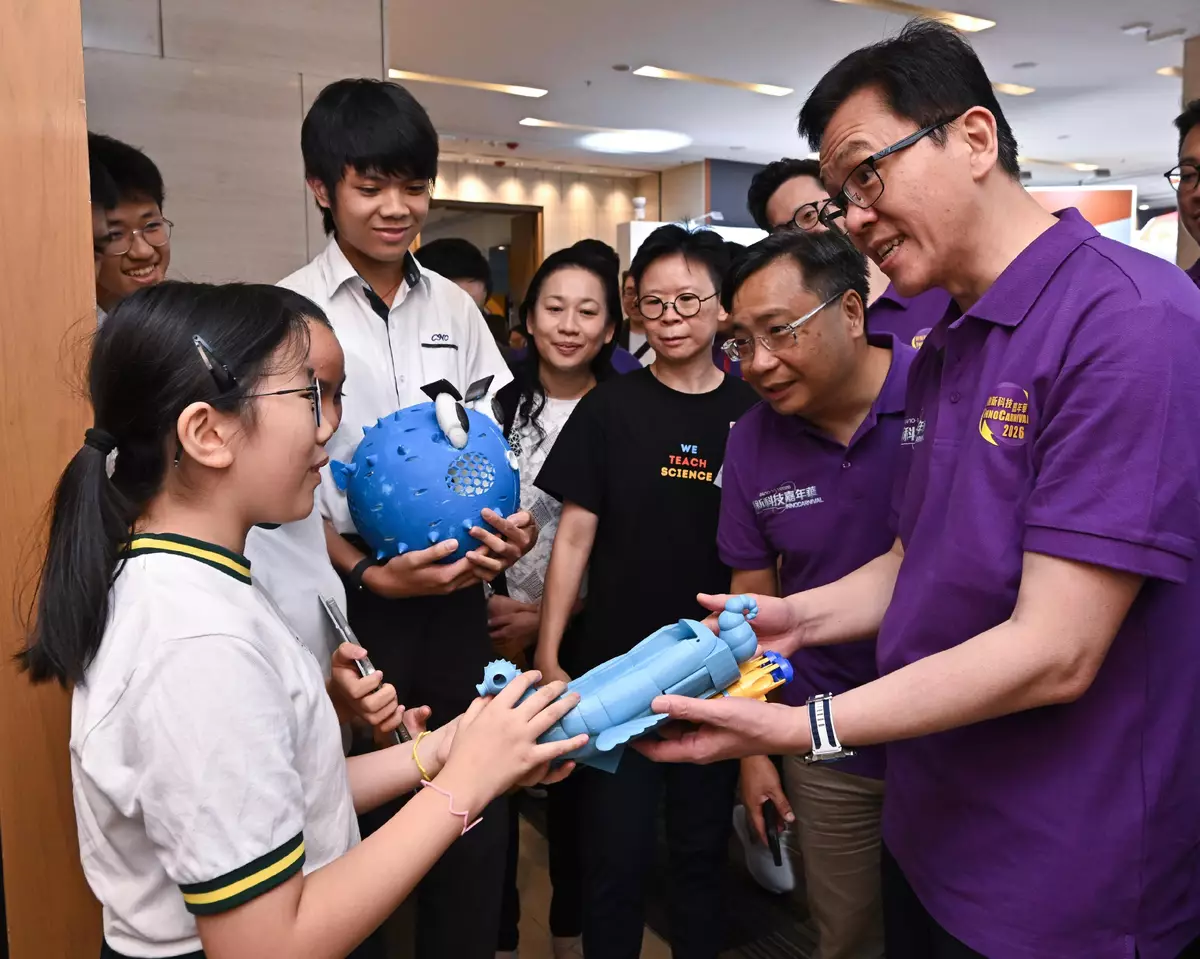
InnoCarnival 2026 exhibits I&T achievements to let dreams take flight Source: HKSAR Government Press Releases
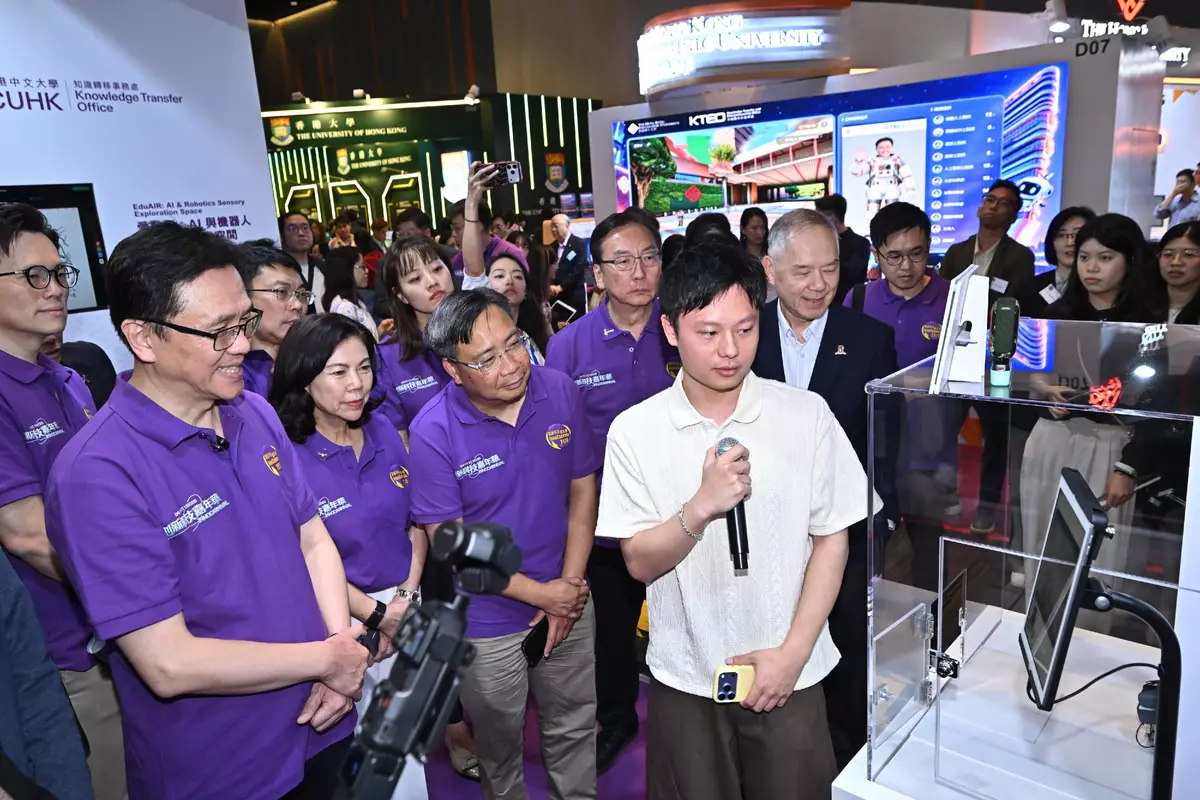
InnoCarnival 2026 exhibits I&T achievements to let dreams take flight Source: HKSAR Government Press Releases
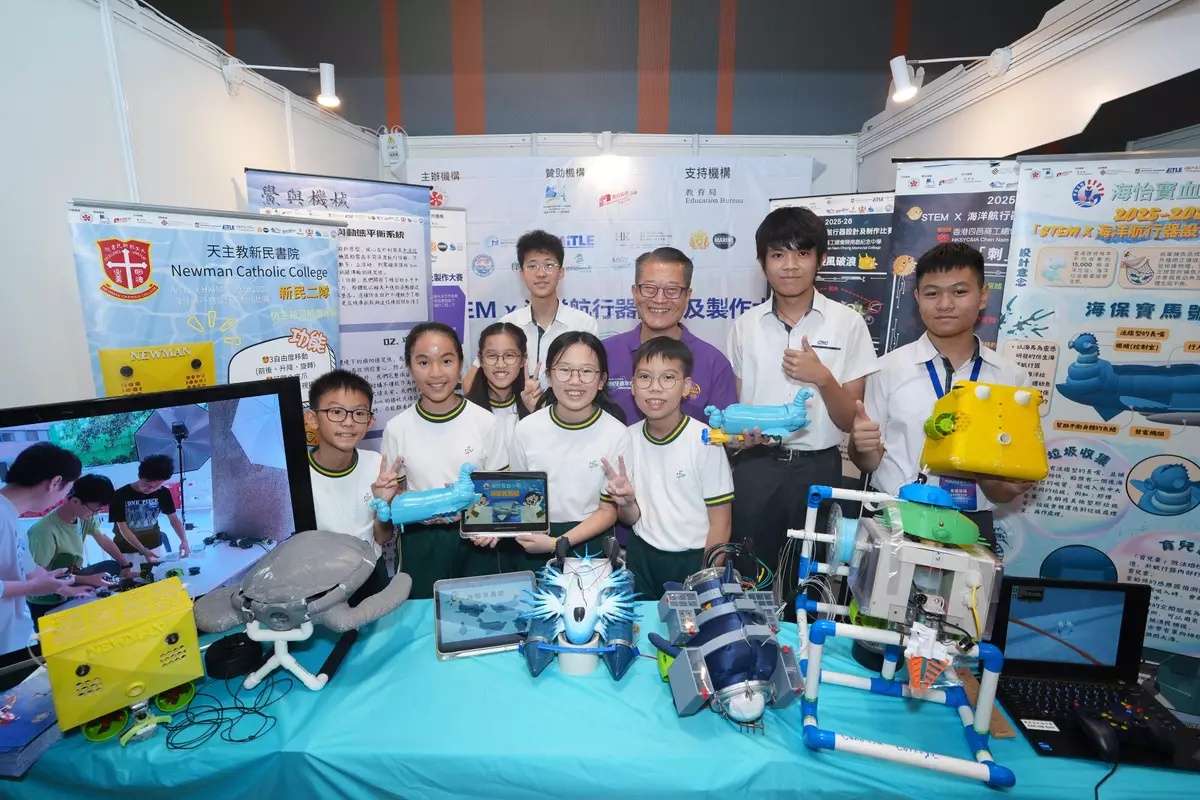
InnoCarnival 2026 exhibits I&T achievements to let dreams take flight Source: HKSAR Government Press Releases
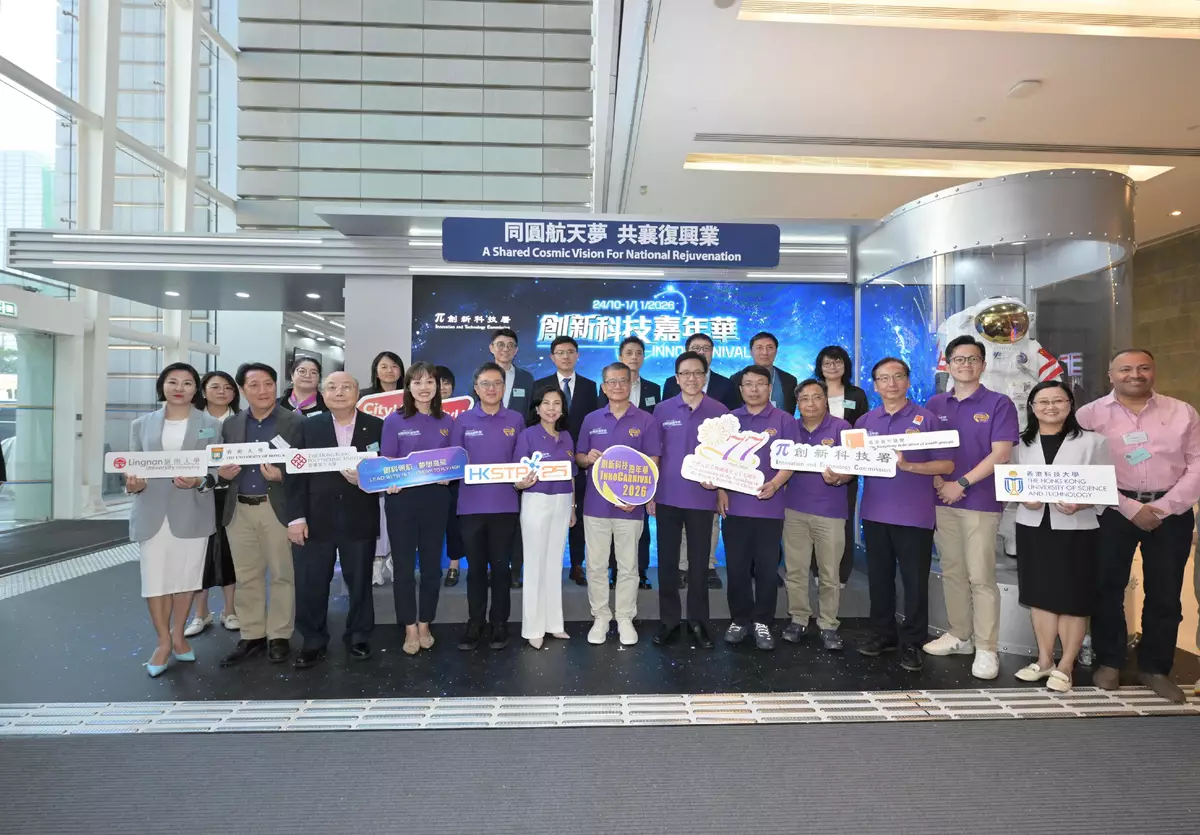
InnoCarnival 2026 exhibits I&T achievements to let dreams take flight Source: HKSAR Government Press Releases
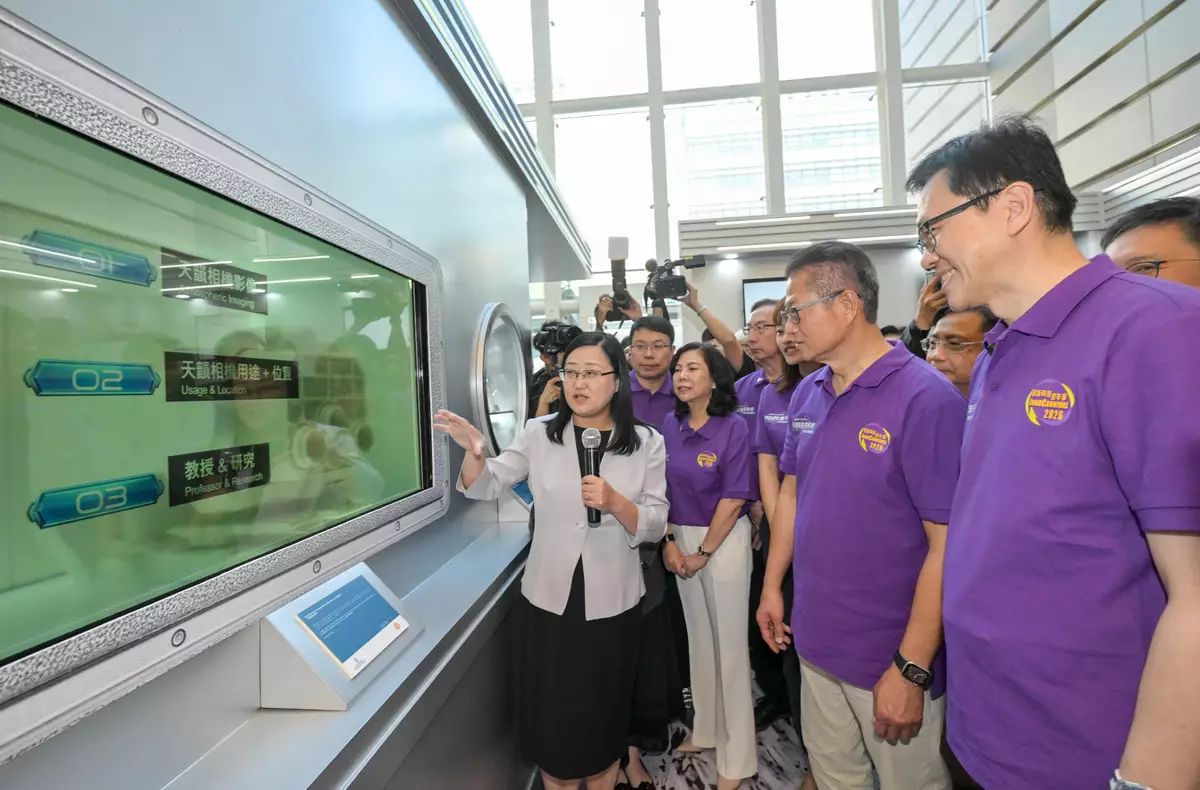
InnoCarnival 2026 exhibits I&T achievements to let dreams take flight Source: HKSAR Government Press Releases
InnoCarnival 2026 exhibits I&T achievements to let dreams take flight Source: HKSAR Government Press Releases
InnoCarnival 2026 exhibits I&T achievements to let dreams take flight Source: HKSAR Government Press Releases
InnoCarnival 2026 exhibits I&T achievements to let dreams take flight Source: HKSAR Government Press Releases
Source: AI-found images