More than 21 million Ugandans Thursday cast their votes in a crucial presidential rematch between long-term incumbent President Yoweri Museveni, 81, and 43-year-old former pop star Robert Kyagulanyi, popularly known as Bobi Wine.
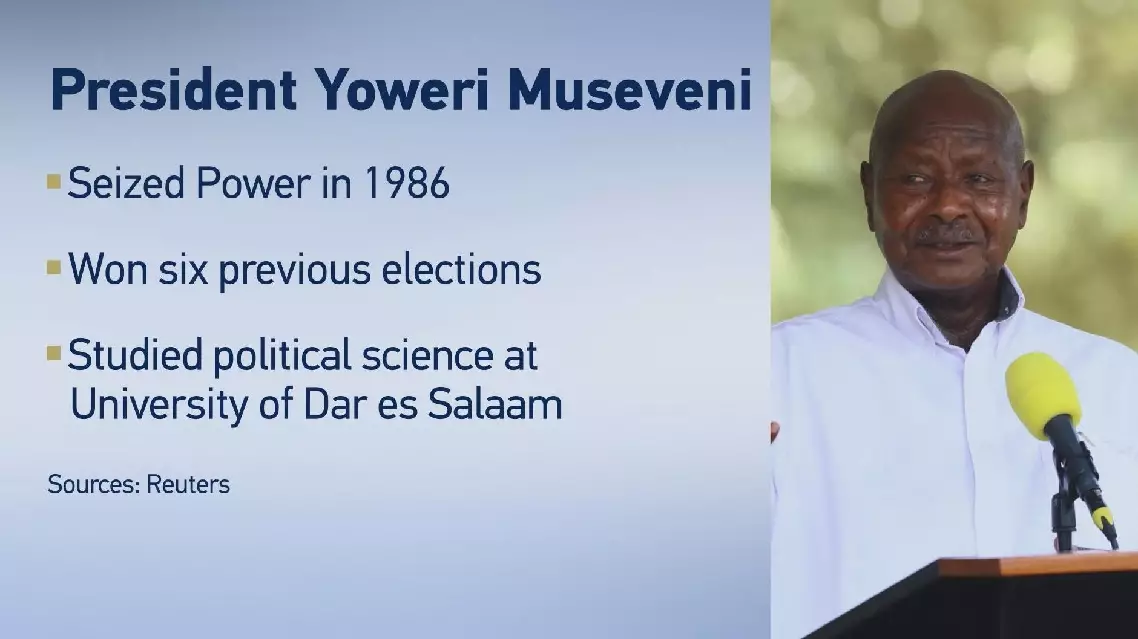
President Museveni first came to power in 1986, seizing power from the government of General Tito Okello following a guerrilla war.
The 81-year-old incumbent has won six presidential elections and is urging voters to give him a seventh term in office to protect the gains of the past 40 years.
He studied political science at the University of Dar-es-Salaam before founding an armed movement that would help remove President Idi Amin from power in 1980.
Praised for his fight against the AIDS pandemic, Museveni's administrations have been dogged by allegations of corruption. Museveni, however, said those found guilty have been held to account.
In 2005, Uganda's parliament scrapped presidential term limits, allowing Museveni to contest successive elections. He is widely popular in Uganda's rural areas and is credited with bringing peace and stability to the East African nation after years of turmoil. He has also deployed peacekeepers to Somalia, the DR Congo and South Sudan.
While Museveni has consolidated power over two decades, a new generation of opposition figures has emerged to challenge his rule. Among them is Bobi Wine, who grew up in a low-income neighborhood in the capital Kampala and studied music at the University of Makerere before earning a bachelor of law degree at the Cavendish University in Kampala in 2024. In 2017 he joined politics and became the MP for Kyadondo East.
Wine has a largely youthful support base and is hugely popular in urban areas. Wine has promised to tackle widespread corruption and unemployment if elected.
In the last election in 2021, he won 35 percent of the vote against Museveni in an election his camp alleged was tampered with. He says the election is a protest vote against the policies of Museveni.
While the election is seen as primarily a contest between Museveni and Wine, there are six other candidates, including prominent lawyer Nandala Mafabi.
If no candidate gets an outright majority in the first round of voting, a runoff will be held within a month.
Uganda’s Museveni faces opposition leader in presidential election
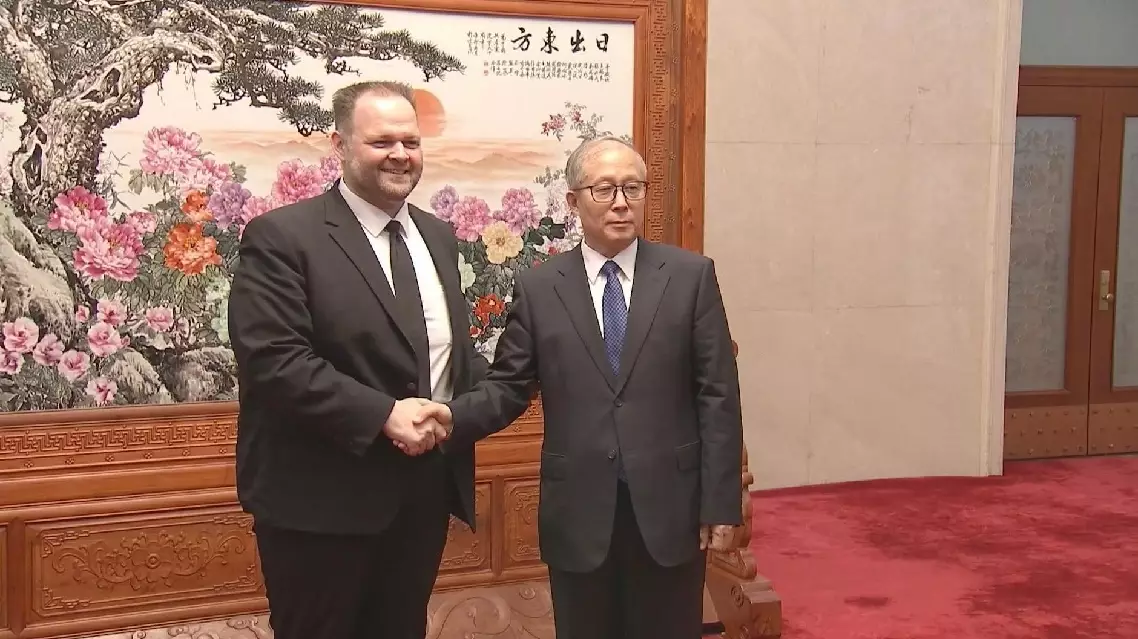
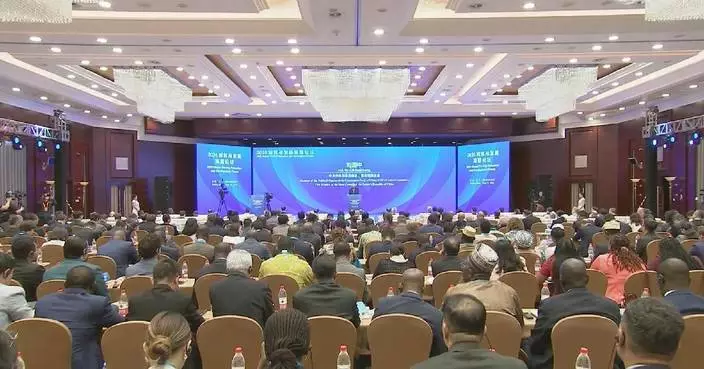
As the lingering U.S.-Iran conflict over the Strait of Hormuz disrupts global oil and gas supply, the Asia-Pacific Economic Cooperation (APEC) forum's energy ministers met in Beijing Thursday to chart a way forward, on whether the region can turn the crisis into opportunities.
The disruption of the Strait of Hormuz since late February 2026 has caused the largest oil supply shock on record, with ongoing daily shortfalls in the multi-million-barrel range. This energy supply shock has exposed the structural vulnerabilities of the Asia-Pacific region, the world's largest energy-consuming area.
As the APEC host this year, China has taken an open and inclusive approach, creating a multilateral dialogue platform. At the current energy ministerial meeting, it is pushing for a full exchange of practical experience among economies and channeling shared wisdom into real cooperative results.
"Since the beginning of this year, navigation through the Strait of Hormuz has been disrupted. China has fully leveraged its energy production, supply and marketing system, actively strengthened cooperation with all other parties, and made important contributions to safeguarding global energy security," said Chinese Vice Premier Ding Xuexiang in addressing the meeting.
The APEC Energy Ministerial Meeting, returning to Beijing after a 12-year hiatus, took place at a critical juncture following this "stress test."
"From our end in Papua New Guinea, we face the impacts of the war in Iran. We are an import-based economy. It did affect us in a great way," said Conrad Kumul, a delegate from Papua New Guinea, on the sidelines of the meeting.
Yet, many see that crises can also serve as catalysts for energy transition.
"The idea now is to push very much forward with the energy transition, even more than before. Now actually, the oil prices are so high that the comparatively renewable energies are very low in price," said Steivan Defilla, president assistant of the APEC Sustainable Energy Center, a high-level international energy think tank led by China's National Energy Administration.
China will hold the 33rd APEC Economic Leaders' Meeting in Shenzhen, south China's Guangdong Province, in November, which marks the country's third time hosting the event following Shanghai in 2001 and Beijing in 2014.
APEC ministers explore new pathways for energy security amid Hormuz crisis