Russia on Wednesday claimed its armed forces controlled one more settlement in Ukraine's Sumy region, while Ukraine's parliament has extended martial law in the country for another three months.
Over the past day, Russian military forces have struck targets including Ukrainian storage and pre-flight preparation facilities for long-range drones, fuel depots, energy infrastructure supporting Ukraine's military-industrial complex enterprises, a Russian Defense Ministry statement said on Wednesday.
Russian forces have also taken control of the settlement of Komarovka in Ukraine's Sumy region, the statement said.
On the same day, Ukraine said its forces hit Russian command posts and areas where its personnel and weapons were concentrated.
Ukraine's parliament, the Verkhovna Rada, on Wednesday passed laws to extend martial law and general mobilization in Ukraine for another three months from February 3 to May 4.
Also on Wednesday, the European Commission adopted a set of legislative proposals to secure continuous financial support to Ukraine in 2026 and 2027. This support includes military aid and general budgetary support, as well as the possibility of using Russian assets.
However, Hungary's European Union Affairs Minister Janos Boka announced on Wednesday that Hungary would not allow its funds to be used to finance the ongoing conflict between Ukraine and Russia.
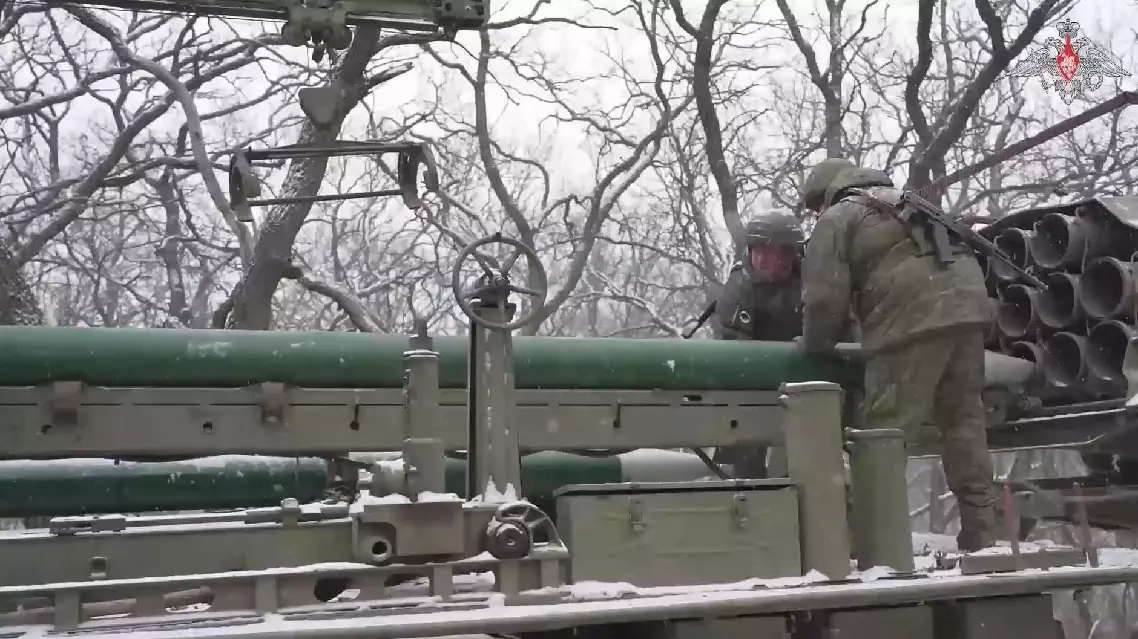
Russia, Ukraine update battle reports
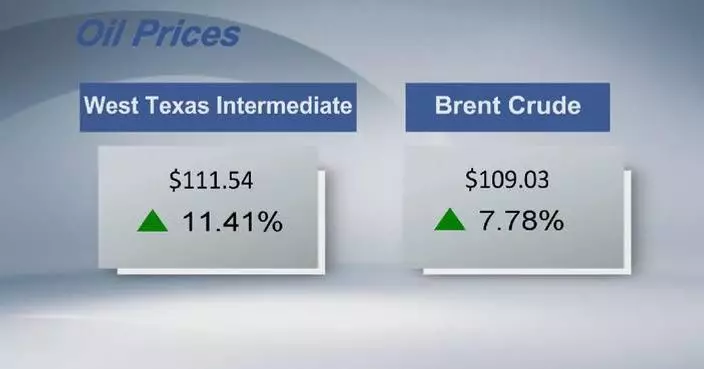
The energy price shock triggered by tensions in the Middle East is weighing on German consumers and industry, placing further downward pressure on Europe's largest economy.
Sustained high oil and natural gas prices are expected to hit both Germany's economy and the global outlook, according to analysts.
"The economic outlook for Germany, and indeed for the global economy, depends crucially on the course of the conflict. This means that we will face a shortage of energy -- oil and gas -- for the foreseeable future, leading to sustained high energy prices. Naturally, this puts a strain on the German economy and also on the global economy," said Timo Wollmershauser, a researcher at the ifo Institute for Economic Research.
Escalating tensions in the Middle East are also denting German consumer confidence, as households grow more cautious about the economic outlook as energy bills climb, according to analysts.
"Germany is facing a major energy price shock. Rising oil prices are eroding real incomes across the country. People are noticing the impact at the pump, for example, and consequently have less money available for other expenses. As a result, consumption will be affected. Overall, this will weaken economic development in Germany," said Oliver Holtemoller, vice president of the Halle Institute for Economic Research.
As growing uncertainty undermines the confidence of German firms and financial markets, further clouding the prospects for an economic recovery, several German research institutes have revised down their projections for the country's future growth.
While the U.S.-Israel-Iran conflict continues, much attention is focusing on the severe disruption to shipping through the Strait of Hormuz -- a vital passageway which typically carries around one-quarter of global seaborne oil trade.
The current crisis along the Strait of Hormuz came as part of Iran's response to U.S.-Israeli operations, which saw it restricting navigation through the strait and targeting any vessels associated with the U.S. or Israel.
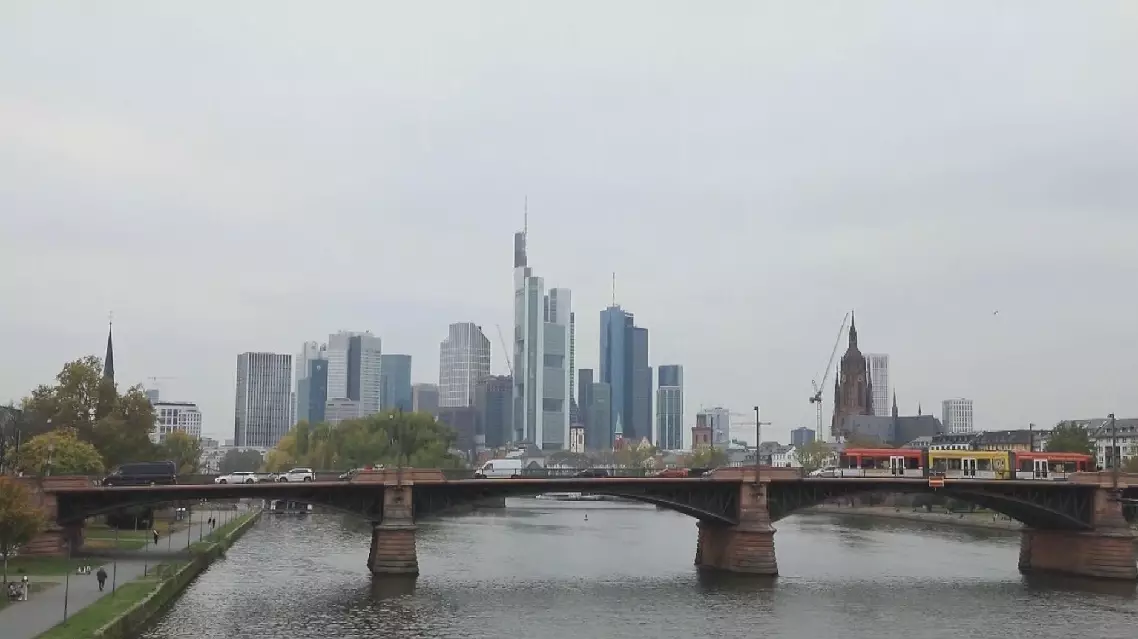
German industry, consumers affected amid Mideast energy shock