Politicians and commentators from several countries have criticized Japanese Prime Minister Sanae Takaichi's erroneous remarks on China's Taiwan, saying they contradict historical facts and undermine regional stability.
At a Diet meeting in early November 2025, Takaichi claimed that the Chinese mainland's "use of force on Taiwan" could constitute a "survival-threatening situation" for Japan and implied the possibility of armed intervention in the Taiwan Strait, drawing strong criticism worldwide.
"Lesotho believes that remarks made by individual politicians should respect historical facts and the basic norms governing international relations. Lesotho's position on the Taiwan question is clear and consistent. We firmly uphold the one-China principle and recognize that there's only one China and that Taiwan is part of it," said Nthati Moorosi, minister of communications, science and technology.
Zambian lawmaker Emmanuel Tembo described Takaichi's remarks as "a revival of militarism" and a threat to international peace, urging the Japanese leader to retract her statement.
"Prime Minister Sanae Takaichi's remarks are a clear sign of aggression against [the] tides, so to speak, in other words, in militarism and a threat to international peace. The message that Japan is sending is a revival of militarism, which I think, you know, goes against the expectations of the international community. The Japanese prime minister should retract her statement," said Tembo.
Senegalese reporter Amadou Diop said the one-China principle was a global consensus, warning that Japan's actions amounted to interference in China's internal affairs.
"The one-China principle is widely accepted internationally, including by Senegal. Senegal recognizes that there's only one China and that Taiwan is part of it. Japan has to stop this kind of provocation, because it is a kind of interference action, an attempt to interfere in the Taiwan question," said Diop.
Cristina Pecequilo, an associate professor of international politics at the University of Sao Paulo in Brazil, said Japan's stance reflected a broader pattern of historical revisionism aligned with far-right conservative forces, which, she said, pushes the world toward greater instability.
"The historical revisionism in Japan is in fact part of a broader pattern of revisionism. It resonates with far-right conservative forces and is pushing the world toward greater instability. The Japanese side's erroneous remarks reflect a perspective driven by short-term political goals. It undermines cooperative relationships that have gradually been built despite political differences," said Pecequilo.
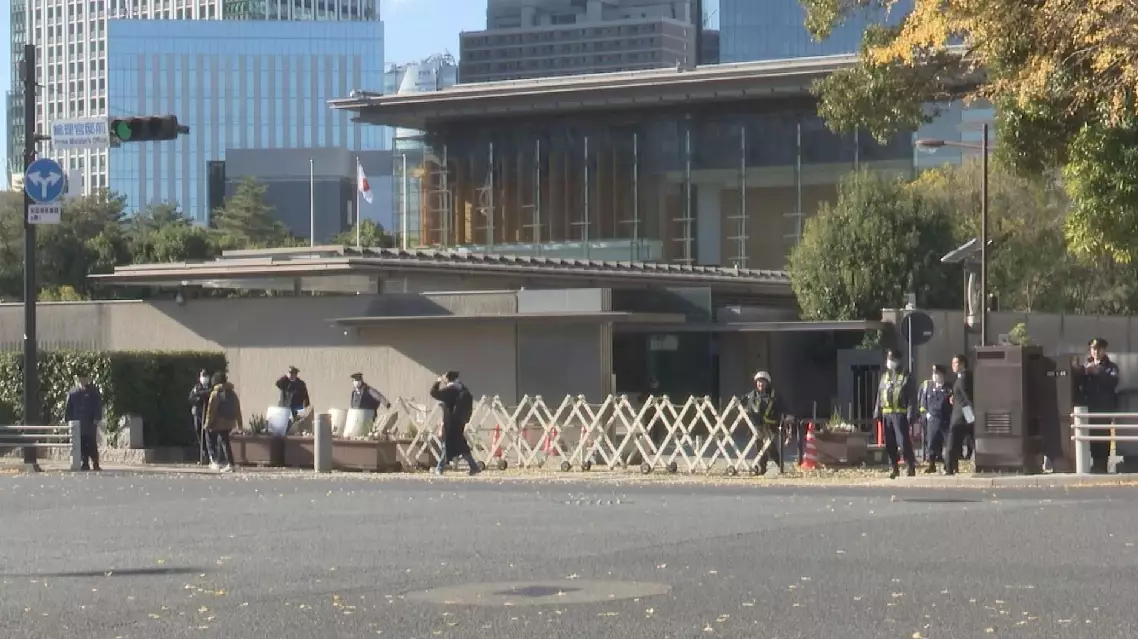
Japanese PM's erroneous remarks on China's Taiwan undermine regional stability