|
SINGAPORE, Jan. 16, 2026 /PRNewswire/ -- Kerry, a global leader in taste and nutrition, has released its 2026 Supplements Taste Charts for Asia Pacific and the Middle East, highlighting the region's evolving taste preferences and the rise of flavour‑forward, lifestyle‑led supplements and sports nutrition.
Across Asia Pacific, Middle East & Africa (APMEA), supplements are increasingly viewed as part of daily wellbeing rather than an occasional health support. Consumers are focused on benefits such as sleep, immunity, digestion, stress management, energy and emotional balance, with taste and texture now strongly influencing continued purchase and long term use.
The global supplements market is projected to reach US$107 billion by 2029 with APMEA continuing to show strong momentum. China, India, Southeast Asia and the Middle East are driving adoption, supported by rising health awareness, busier lifestyles and growing interest in personalised nutrition.
Flavour‑Forward Trends Redefining Supplements
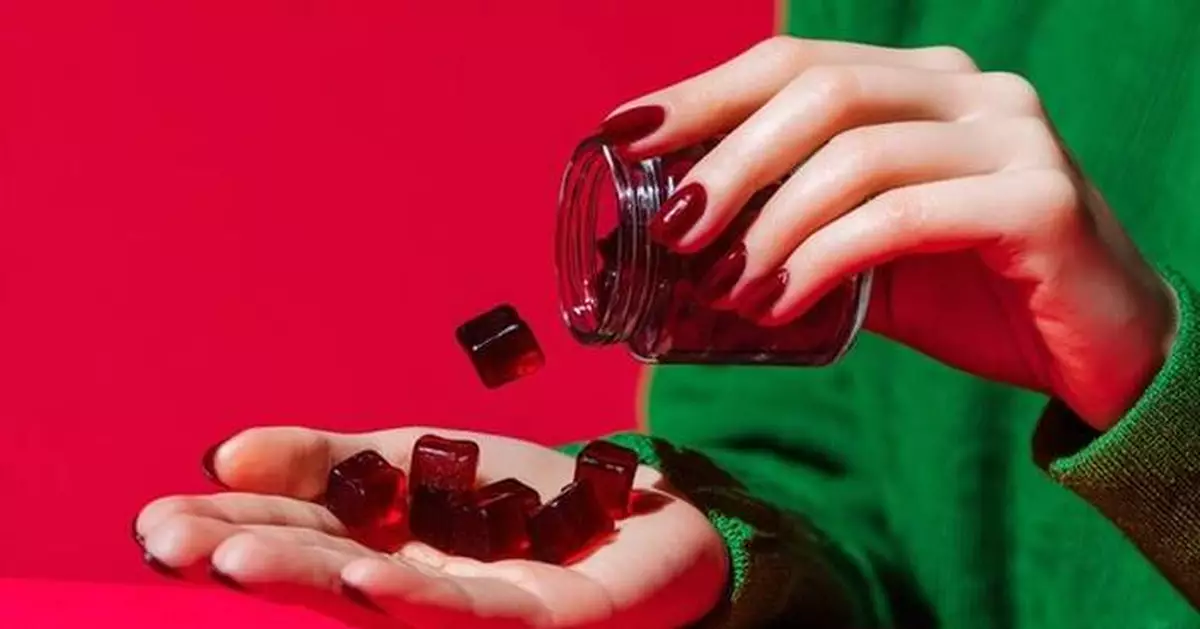
Consumers are moving away from traditional pills toward more flavour-forward formats such as gummies, chews, drink mixes, dissolving strips and powder blends. Here, flavour plays a critical role in masking functional bitterness, reinforcing emotional cues and signalling naturality or efficacy. Three major flavour movements stand out across Asia Pacific and the Middle East:
Simplicity Amplified
Consumers are gravitating toward transparency and ingredient authenticity. Flavours inspired by whole foods, botanicals, fermented notes, and lightly‑sweet or sour profiles signal purity and nutrient‑dense simplicity. Popular flavours include citrus, yuzu, ginger, turmeric, matcha, elderflower, cultured dairy, and yogurt. These pair naturally with today's lifestyle-friendly formats where the flavours enhance a product's perceived health benefits.
Category Crashers
As mealtimes blur and routines shift, consumers aren't sticking to traditional food, beverage, or supplement boundaries. Category Crashers spotlights the emergence of hybrid products that break the mould: savoury energy bars, confectionery-inspired supplement formats, coffee‑infused condiments and more. These hybrids are about creative formats and unexpected pairings that reflect how people eat today.
Maximalist Flavour
Maximalism takes centre stage in 2026, spurred by younger consumers who want bold, layered flavours that deliver high sensory impact. Dessert‑style profiles, sour intensities, spicy‑accented formats, and flavour stacks such as tiramisu passionfruit or brownie chocolate create memorable, intense taste experiences. This trend reinforces supplements as lifestyle treats rather than functional obligations.
Within these trends, sports nutrition continues to broaden beyond athletes to active consumers who expect flavour to match function. Simplicity Amplified is seen in refreshing citrus hydration blends, botanically‑infused recovery options, and natural dairy flavours in high‑protein systems; Category Crashers bring café‑style profiles, soda‑inspired electrolytes and fruity energy shots; and Maximalist Flavour is evident in extreme sour or spicy pre‑workouts, and multi‑layered profiles in protein shakes.
"Consumers across APMEA are demanding more from their proactive health products, not only clinically supported benefits, but also flavours that excite," said Olivier De Salmiech, Vice President, Health & Therapies, Kerry Asia Pacific, Middle East & Africa. "When products taste great, has science-backed benefits, and integrate naturally into everyday life, they become wellness rituals consumers look forward to."
SINGAPORE, Jan. 16, 2026 /PRNewswire/ -- Kerry, a global leader in taste and nutrition, has released its 2026 Supplements Taste Charts for Asia Pacific and the Middle East, highlighting the region's evolving taste preferences and the rise of flavour‑forward, lifestyle‑led supplements and sports nutrition.
Across Asia Pacific, Middle East & Africa (APMEA), supplements are increasingly viewed as part of daily wellbeing rather than an occasional health support. Consumers are focused on benefits such as sleep, immunity, digestion, stress management, energy and emotional balance, with taste and texture now strongly influencing continued purchase and long term use.
The global supplements market is projected to reach US$107 billion by 2029 with APMEA continuing to show strong momentum. China, India, Southeast Asia and the Middle East are driving adoption, supported by rising health awareness, busier lifestyles and growing interest in personalised nutrition.
Flavour‑Forward Trends Redefining Supplements
Consumers are moving away from traditional pills toward more flavour-forward formats such as gummies, chews, drink mixes, dissolving strips and powder blends. Here, flavour plays a critical role in masking functional bitterness, reinforcing emotional cues and signalling naturality or efficacy. Three major flavour movements stand out across Asia Pacific and the Middle East:
Simplicity Amplified
Consumers are gravitating toward transparency and ingredient authenticity. Flavours inspired by whole foods, botanicals, fermented notes, and lightly‑sweet or sour profiles signal purity and nutrient‑dense simplicity. Popular flavours include citrus, yuzu, ginger, turmeric, matcha, elderflower, cultured dairy, and yogurt. These pair naturally with today's lifestyle-friendly formats where the flavours enhance a product's perceived health benefits.
Category Crashers
As mealtimes blur and routines shift, consumers aren't sticking to traditional food, beverage, or supplement boundaries. Category Crashers spotlights the emergence of hybrid products that break the mould: savoury energy bars, confectionery-inspired supplement formats, coffee‑infused condiments and more. These hybrids are about creative formats and unexpected pairings that reflect how people eat today.
Maximalist Flavour
Maximalism takes centre stage in 2026, spurred by younger consumers who want bold, layered flavours that deliver high sensory impact. Dessert‑style profiles, sour intensities, spicy‑accented formats, and flavour stacks such as tiramisu passionfruit or brownie chocolate create memorable, intense taste experiences. This trend reinforces supplements as lifestyle treats rather than functional obligations.
Within these trends, sports nutrition continues to broaden beyond athletes to active consumers who expect flavour to match function. Simplicity Amplified is seen in refreshing citrus hydration blends, botanically‑infused recovery options, and natural dairy flavours in high‑protein systems; Category Crashers bring café‑style profiles, soda‑inspired electrolytes and fruity energy shots; and Maximalist Flavour is evident in extreme sour or spicy pre‑workouts, and multi‑layered profiles in protein shakes.
"Consumers across APMEA are demanding more from their proactive health products, not only clinically supported benefits, but also flavours that excite," said Olivier De Salmiech, Vice President, Health & Therapies, Kerry Asia Pacific, Middle East & Africa. "When products taste great, has science-backed benefits, and integrate naturally into everyday life, they become wellness rituals consumers look forward to."
** The press release content is from PR Newswire. Bastille Post is not involved in its creation. **

Kerry Launches 2026 Supplements Taste Charts: Defining the Next Era of Flavour in Supplements and Sports Nutrition
SHANGHAI, June 14, 2026 /PRNewswire/ -- The Gala Night of the 28th Shanghai International Film Festival (SIFF) was held in Shanghai today, bringing together filmmakers, industry professionals and audiences from around the world in celebration of cinema.
Running through June 20, this year's festival will present more than 420 films across over 1,600 screenings in Shanghai and cities throughout the Yangtze River Delta. As one of only 17 film festivals worldwide to hold official A-list classification from FIAPF, SIFF continues to serve as a major platform for international cinematic exchange.
The winners of the Golden Goblet Awards will be announced at the Golden Goblet Awards Ceremony of the 28th Shanghai International Film Festival on June 20.
A Night of Cinema Along the Huangpu River
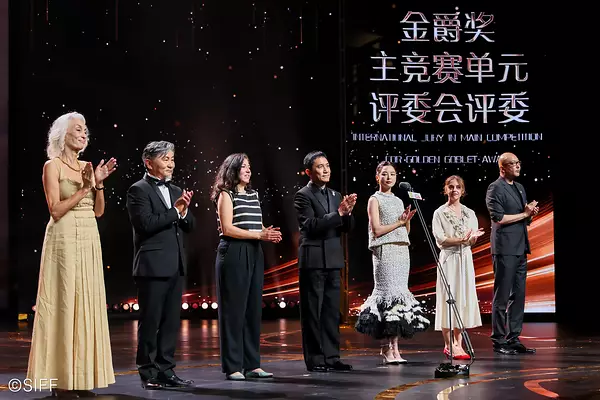
The Gala Night transformed Shanghai into a vibrant stage for global cinema, welcoming filmmakers, actors and industry professionals from around the world. Golden Goblet Awards jurors, nominated filmmakers and representatives of major Chinese and international productions gathered on the red carpet, showcasing the festival's growing international profile and influence.
One of the evening's most significant moments was the presentation of the festival's honorary awards. Renowned actress and cultural ambassador Lisa Lu received the Lifetime Achievement Award, while acclaimed Chinese director Zhang Yimou was honored with the Outstanding Contribution to Chinese Cinema Award, recognizing their exceptional achievements and enduring contributions to the development of cinema.
The celebration once again highlighted Shanghai's unique role as a city where cinema, culture and international exchange converge.
Opening Film Afterpiece Makes World Premiere
This year's opening film, Afterpiece, made its world premiere as one of the festival's most anticipated events. Directed by Keane T.K. Wong and produced by Derek Yee, the film stars Stephen Fung, Chrissie Chau, Myolie Wu and Angela Yuen. The story follows a once-celebrated theatre director seeking creative redemption while navigating the increasingly blurred boundaries between performance and reality.
Developed under a Hong Kong film mentorship initiative pairing established filmmakers with emerging directors, Afterpiece reflects the continued transmission of creative talent across generations in Hong Kong cinema.
Members of the cast and creative team attended the Gala Night and participated in audience activities following the premiere screening.
International Jury Reflects Global Vision
Members of the Golden Goblet Awards jury met with the media in Shanghai ahead of this year's festival activities, representing filmmakers and industry professionals from around the world.
The seven-member Main Competition jury is chaired by acclaimed actor Tony Leung Chiu-wai and includes Chinese director Guan Hu, actress Xin Zhilei, Tunisian producer Dora Bouchoucha, Kyrgyz director Aktan Arym Kubat, Georgian filmmaker Déa Kulumbegashvili and Mexican director Fernanda Valadez.
"It is a great honor to serve as jury president of the 28th Shanghai International Film Festival. Cinema is the art of dreaming, and Shanghai is the very vessel on which the Chinese film dream set sail. I hold a few more tickets for this voyage—would you like to join me?" said Tony Leung Chiu-wai.
The jury's diverse composition reflects SIFF's longstanding commitment to fostering dialogue among filmmakers from different cultures and creative traditions.
A Truly Global Stage for Cinema
This year, SIFF received approximately 4,100 submissions from 125 countries and regions, setting a new record in the festival's history. Among nearly 3,000 eligible entries, 82 percent are world or international premieres, underscoring the festival's growing global influence and appeal.
Audience enthusiasm remained strong, with online ticket sales launching on June 5 and 250,000 tickets sold within the first 15 minutes.
Beyond screenings, SIFF continues to promote international collaboration through initiatives including SIFF PROJECT, the International Film & TV Market, industry forums and masterclasses. The Belt and Road Film Festival Alliance, initiated by SIFF, now includes 57 member institutions from 50 countries, further strengthening cooperation among film communities worldwide.
Chen Guo, Managing Director of Shanghai International Film & TV Events Center, said: "Our goal is to use the festival platform to help films transcend geographic, linguistic and cultural boundaries, encouraging deeper cultural dialogue and creative exchange among filmmakers and audiences from different parts of the world."
The International Film & TV Market will be held during the festival period, bringing together exhibitors, industry organizations and professionals from around the world to explore new opportunities in content creation, technological innovation and international cooperation.
For more information and the full festival schedule, please visit the official SIFF website at https://www.siff.com/english/
** This press release is distributed by PR Newswire through automated distribution system, for which the client assumes full responsibility. **
Gala Night of the 28th Shanghai International Film Festival Held in Shanghai