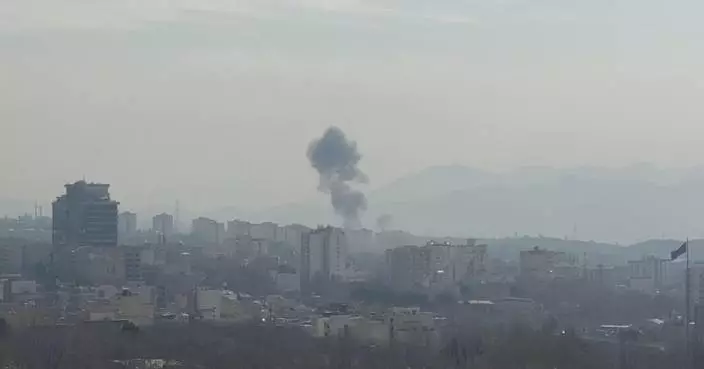
Iran's nationwide Internet shutdown continued on Friday, sparking public concerns.
The blackout began on Jan 8 following the outbreak of domestic unrest since late December due to the sharp decline of the national currency, the rial, and long-standing economic hardships.
Explaining the reason for Internet outage in an recent interview, Iranian Foreign Minister Abbas Araghchi said his country recorded voices of individuals giving orders from abroad to terrorist agents, instructing them to fire at police forces and fire at demonstrators if police forces were not present.
"Their intention was to spread killing," Araghchi said.
Iran's top cyberspace authority said that Internet access in the country will remain restricted until officials determine that full security has been restored following riots and terrorist acts targeting public institutions.
To facilitate news transmission for foreign media outlets, the Iranian government established a media center earlier this week. But only personnel holding press credentials issued by the Iranian government are permitted to work there.
The prolonged Internet outage has become another major concern for ordinary Iranians, alongside whether the United States will launch a military strike against Iran.
Due to the outage, many Iranian companies have been unable to conduct business effectively, resulting in low efficiency and sluggish investment.
For Iranian Internet users, the disruption means that numerous online stores and Internet-based businesses cannot operate effectively.
Locals also said that if the Internet shutdown persists, especially for a long period, it will lead to a increase in psychological and economic pressure on the public.
In response to currency depreciation and the deteriorating economic situation, the Iranian government is implementing corresponding measures and plans aimed at restoring market stability and enhancing the purchasing power of low- and middle-income groups. However, the effectiveness of these measures remains to be seen.
Iranian officials and the public are closely monitoring whether the United States will launch a military strike, as the latest information indicates that military action is still an option for U.S. President Donald Trump. Iran's military has repeatedly warned of retaliation if the U.S. or Israel attacks Iran. Local analysts believe that U.S. policy is highly volatile, making it impossible to gauge its future plans based solely on Trump's words. Iran should therefore conduct thorough assessments and formulate contingency plans for various possible scenarios.
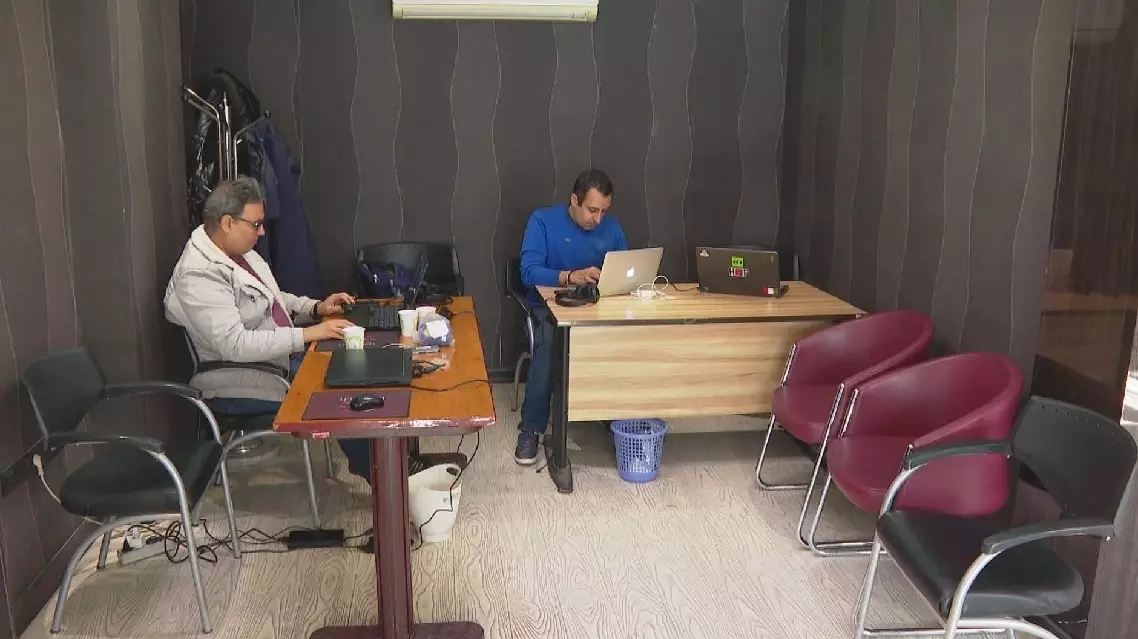
Internet shutdown continues in Iran, sparks public concerns
Internet shutdown continues in Iran, sparks public concerns
Internet shutdown continues in Iran, sparks public concerns