Türkiye's Trade Ministry on Monday announced a temporary suspension of day-trip passenger crossings at the Turkish-Iranian border, leaving some uncertainty over whether the border was fully closed to Iranians.
However, there was activity at the Kapıkoy border crossing between Türkiye and Iran on Tuesday in the border city of Van. While day-trip passenger crossings have been temporarily suspended, other controlled crossings continue to operate.
A common sight was Iranians returning home, despite the risks posed by the ongoing conflict involving the United States, Israel and Iran.
"Our family is there, our loved ones are there, our homeland is there. Are we supposed to just leave and stay here? Of course we will return. My relatives, my family, my father, my mother, my children. Everyone is there," said Hamit, an Iranian citizen returning home.
"There is a war in our country. We are all working here, but that's why we are going back. We need to be with our families. The last time we heard from them was two days ago, and then everything shut down. The internet, the phone lines, all of them stopped. We haven't heard anything since," said Vahit, another Iranian citizen returning home.
Some legal experts in Türkiye warned that suspending regular passenger crossings for Iranians seeking to flee the fighting could lead to an increase in irregular border crossing attempts, particularly if the conflict intensifies.
"When people are unable to cross borders with a passport or a document that substitutes for one, they may attempt to enter a country through irregular routes, sometimes with the assistance or encouragement of human smugglers, by trying to cross the borders through alternative means," said Mahmut Kacan, a lawyer.
Türkiye is also a founding signatory of the 1951 Convention Relating to the Status of Refugees, which places certain international obligations on the country toward people fleeing conflict.
"In such cases, states are required to take facilitating measures and to provide an environment and procedures through which people can ensure their safety and meet their humanitarian needs," said the lawyer.
Turkish Foreign Minister Hakan Fidan on Tuesday also addressed concerns over a possible migration wave from Iran to Türkiye. He said the government has completed the necessary planning and capabilities to respond, adding that Iran is currently not allowing its own citizens to leave through the border.
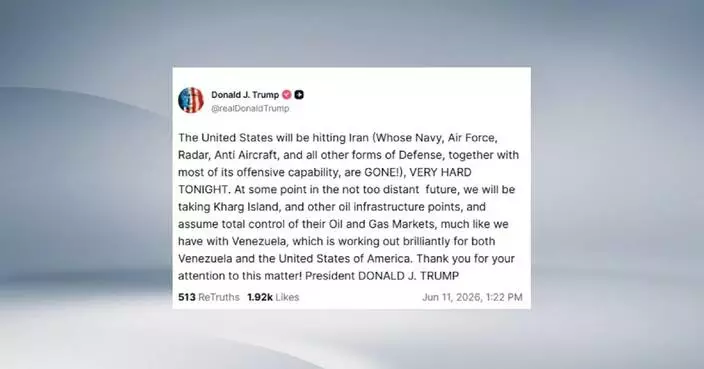
The United States and Israel on Saturday launched strikes against Iran, plunging the war-torn Middle East into a new round of violent conflicts. Iran has retaliated with a series of counterattacks against Israel and U.S. targets across the region.
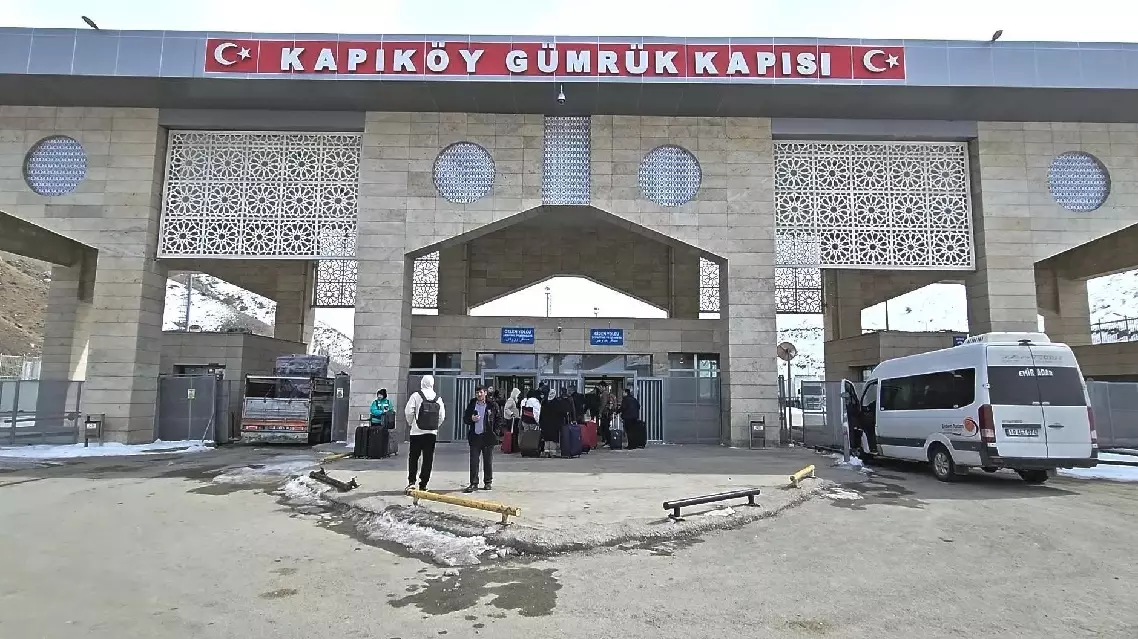
Türkiye tightens border crossings with Iran amid regional tension