Persistent rice price hikes have increased the financial burden on Japanese people and raised public concerns about the country's rice policy.
The average price of rice in Japan has reached 4,267 yen per 5 kilos, remaining at an elevated level, according to data released by the Ministry of Agriculture, Forestry and Fisheries on Friday.
Calling the situation worrying, some residents have complained about the government's rice policy in interviews with the China Central Television (CCTV).
"I really think rice prices are too high now. Why not thinking more seriously to adopt truly sound grain policies? Is the government just playing it by ear? I really hope they can think things through in a serious and systematic manner," said a resident.
"Rice prices have been staying at a high level. Looking at the government's current plans, I'm afraid they won't increase production. I feel that things are moving in a very bad direction. It's truly worrying," said another resident.
Tadao Koike, 55, runs a nearly century-old rice shop in Tokyo. His store currently sells about 80 varieties of rice, primarily from Japan's main rice-producing regions.
Koike told CCTV that the overall price of rice in his shop has jumped by 40 to 50 percent compared with that in 2024, which has led to a customer churn.
"In 2025, our customers generally said rice is too expensive. In 2024, even when prices rose somewhat, most customers would still say, 'this level of increase is acceptable.' But their reactions to 2025 rice prices were almost unanimously 'too expensive.' Some regular customers have indeed stopped coming. The prices are really too high. Thinking in their shoes, I completely understand that," he said.
In 2025, the Japanese government released a large number of reserve rice to stabilize prices and once changed the course toward boosting rice production. However, incumbent Prime Minister Sanae Takaichi reversed the policy after taking office in October 2025, and the 50-year-old policy of reducing rice production only halted for four months.
Koike pointed out that the government's u-turns in production policy have sparked growing unease among rice producers.
"I feel pity for the producers. The government policies are not addressing the root issues, and rice production will continue to decrease. So, even if production increases temporarily, there will still be a shortage of rice in the long run. Ultimately, prices won't drop significantly and will likely remain high," Koike said.
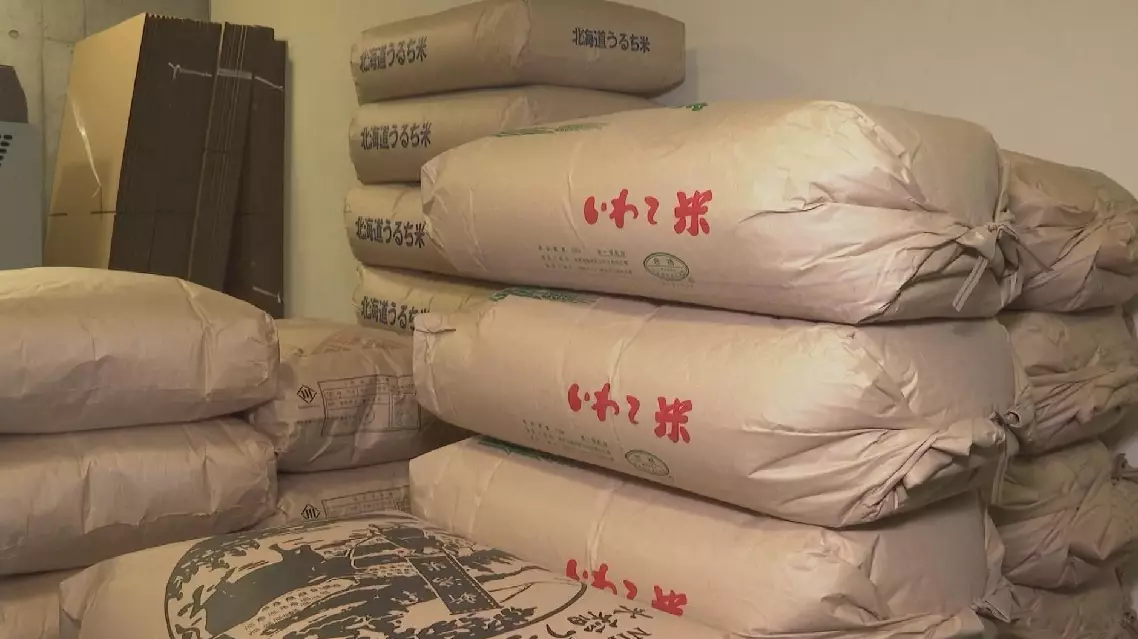
Soaring rice prices squeeze household budgets in Japan, sparking policy concerns