The Hong Kong Marathon 2026 was held today (January 18th). The champion for the men's full marathon was Bizuneh Melaku Belachew from Ethiopia, while the champion for the women's full marathon was Habtegebrel Eshete H. Habte from Bahrain.
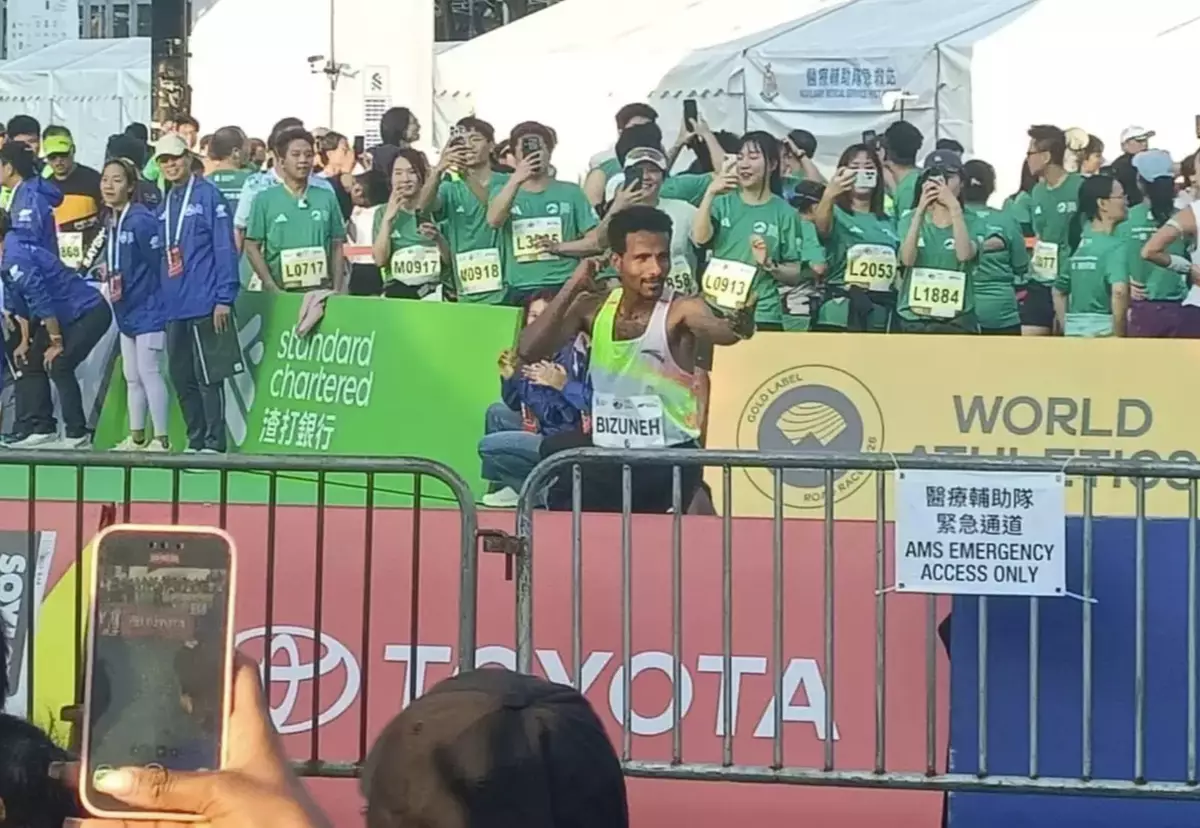
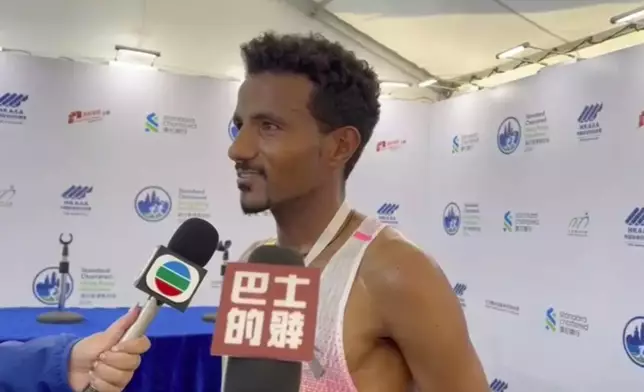
The champion for the men's full marathon: Bizuneh Melaku Belachew from Ethiopia, Photo by Bastille Post
Bizuneh, the men's full marathon champion, won in 2 hours, 9 minutes, and 39 seconds. He said that although the full marathon race was not easy, he was happy to participate in this year's event in Hong Kong. Enjoying the race atmosphere here, he hopes to have the opportunity to compete in Hong Kong again next year.
Click to Gallery
The champion for the men's full marathon: Bizuneh Melaku Belachew from Ethiopia, Photo by Bastille Post
Bizuneh Melaku Belachew, Photo by Bastille Post
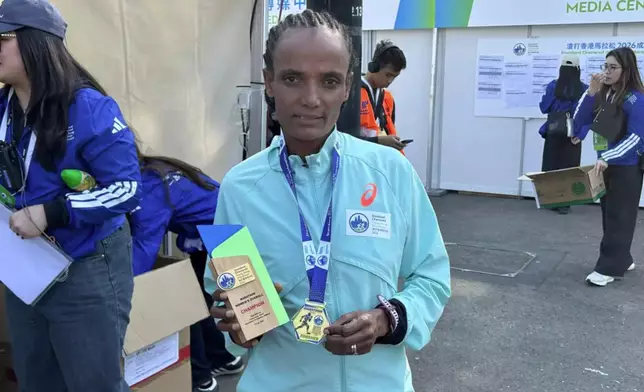
The champion for the women's full marathon: Habtegebrel Eshete H. Habte, Photo by Bastille Post
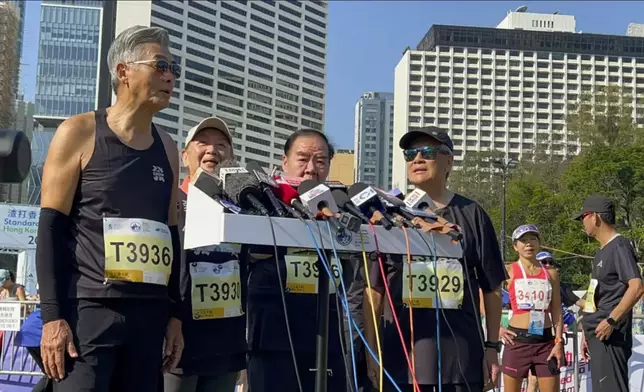
Mr. Chow Yun-fat, Photo by Bastille Post
Mr. Chow Yun-fat, Photo by Bastille Post
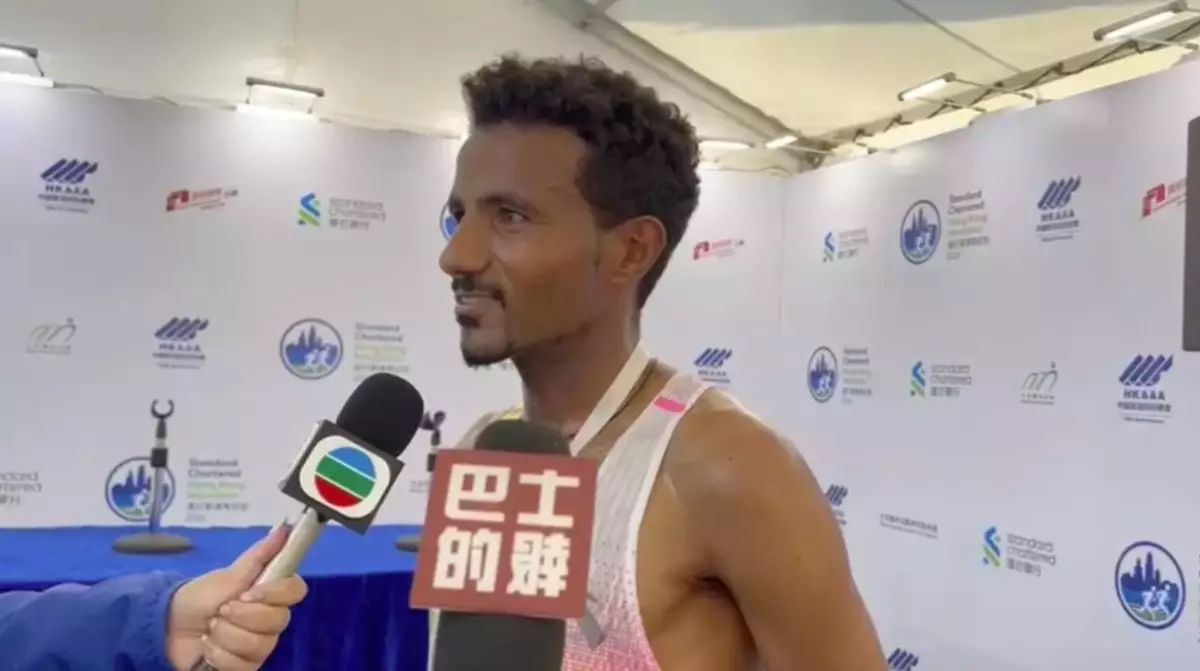
Bizuneh Melaku Belachew, Photo by Bastille Post
Habtegebrel, the women's full marathon champion, won in 2 hours, 27 minutes, and 3 seconds. She said that it was her first time running the marathon in China and felt quite satisfied with the organizing committee and the race atmosphere. She described the spectators as enthusiastic and the Hong Kong environment as beautiful.
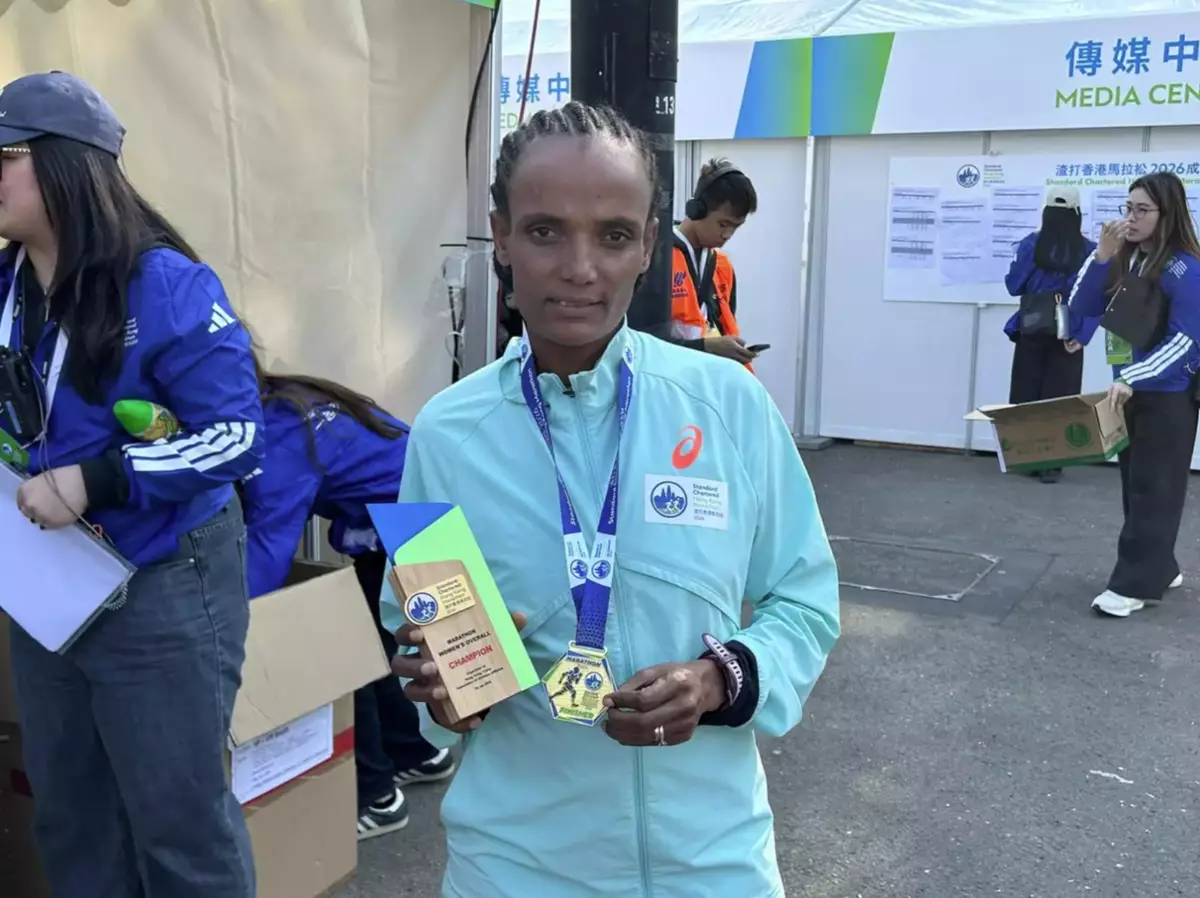
The champion for the women's full marathon: Habtegebrel Eshete H. Habte, Photo by Bastille Post
She revealed that she attempted to break the race record, but the strong winds during the race, especially the headwind, posed a challenge to her performance in the late stage, ultimately preventing her from achieving such a goal. She pointed out that she had been preparing for the Hong Kong Marathon for about five months, and she would continue to prepare for other Asian marathon races, hoping to achieve better results in the future.
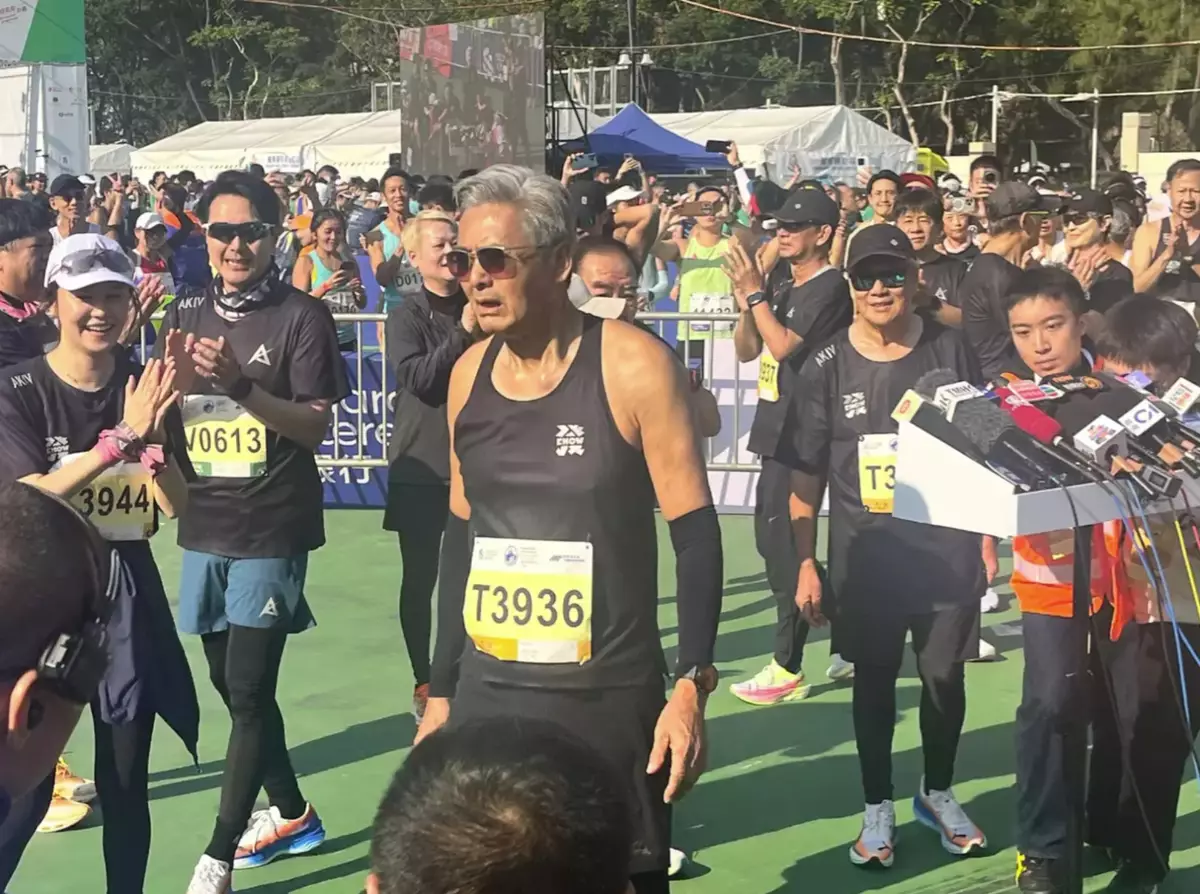
Mr. Chow Yun-fat, Photo by Bastille Post
In addition, the renowned Hong Kong movie star Mr. Chow Yun-fat also participated in the Hong Kong Marathon 2026. As a fourth-time runner, he participated in the 10km race this year. He said that he wasn't focused on the result, but mainly on completing the race and having such an opportunity to meet with the public. He also mentioned that the weather was great today, which was sunny, breezy, cool and comfortable, making him incredibly happy while running.
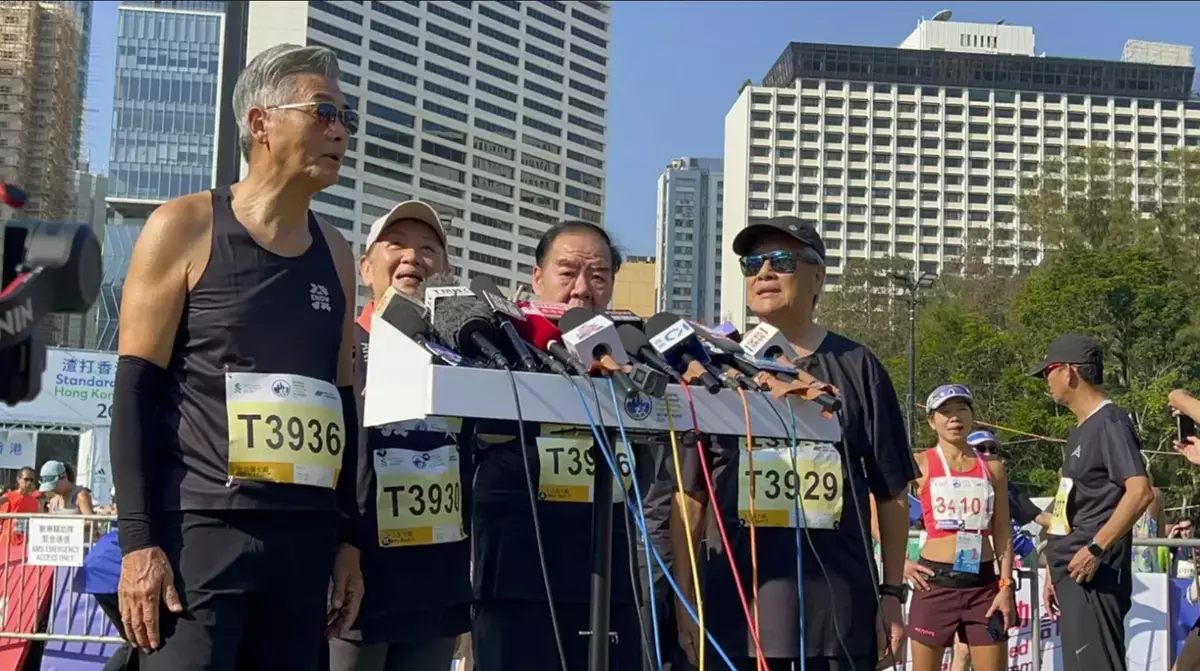
Mr. Chow Yun-fat, Photo by Bastille Post
Federal legislation that could reframe the way college sports operates in the United States has the backing of many key players, except for possibly the two most important: The Southeastern and Big Ten conferences.
The leagues are negotiating with lawmakers for changes in the Protect College Sports Act, which has bipartisan support in the Senate but almost certainly can't become a law without changes supported by two conferences whose footprint covers 26 states (52 senators) and no fewer than 220 House districts.
“The SEC and its member universities have been vocal and collaborative with the senators throughout the bill drafting process,” Tennessee chancellor Donde Plowman, the chair of the SEC presidents, said in a statement Monday. “And over the course of several weeks (we) have provided feedback from the perspective of university leaders who are trying to navigate the current state of college athletics.”
Sponsors of the bill have called the upcoming weeks crucial as they try to enshrine into law and clarify many of the provisions included in the $2.8 billion House settlement, the lawsuit agreement that opened the door for schools to share revenue with their players.
“We can’t afford to see more women’s sports and roster slots cut,” said bill co-sponsor Sen. Maria Cantwell, D-Wash., speaking to the threat posed by spiraling costs. “Congress should work together to create more stability and opportunities for all athletes, but especially women and Olympic roster slots.”
The leagues put out a memo with a 10-point list of provisions they'd like to see changed. They fall into two categories: Fixes they'd like for Title I of the bill, which has to do with the details of what gets regulated and how. And fixes for Title II, which has mostly to do with leagues pooling broadcasting rights and preventing the creation of a super league that would largely blow up the NCAA.
One of the most important issues hovering over college sports is determining what name, image and likeness compensation is. There is an argument that payments that come from third parties are specifically designed to circumvent the salary cap put in place for schools under House, which is the amount that can come from the colleges. (It will be around $21.3 million this year.)
Third-party payments above $600 have to be approved by the new College Sports Commission, which ensures the deals are for a “valid business purpose” and also pay a fair market value for what the players are providing. In short, they’re making sure players aren’t simply being paid to play at the schools, which is still forbidden under NCAA rules. They have to provide something beyond playing.
“Institutions and third parties can exploit these gaps, distorting recruiting, and competition,” the memo said. “A comprehensive framework is essential to preserve integrity and prevent an unchecked system.”
The two big conferences got one thing they sought: Including the Atlantic Coast and Big 12 conferences among those that could not expand to create a super league, the likes of which have been floated by private-equity groups over the last year.
A few weeks after that tweak was made, the Big Ten and SEC wrote they’d like further clarifications. They want the law to forbid any new entity from coming along, swooping up dozens of teams and creating a super league, while also making sure schools remain free to move between conferences.
The SEC also wants more certainty that pooling media rights will be voluntary, not mandatory (many agree that’s an easy fix) and to keep scheduling decisions out of the reach of the law.
One of the longstanding issues for the NCAA and the leagues was to eliminate the possibility of being sued by players, mostly for actions that would restrict an athlete's eligibility.
The lawsuits that sprung from the NCAA's recent decision to give most athletes five years to complete five seasons of eligibility are Exhibit A of the sort of lawsuits college sports is trying to avoid.
The bill does create some limits to liability, but the leagues say that doesn't go far enough. They want clearer language defining what sort of legal action the law would prohibit.
“These loopholes can efficiently and effectively be closed with minor edits to the liability section,” the memo said.
Another key issue has been a federal law that would override state laws dealing with NIL. As SEC Commissioner Greg Sankey frames it, a player in Tennessee wants to know he or she is playing by the same rules as an opponent in Florida or Georgia, or Indiana, for that matter.
As written, the leagues say, the bill takes important steps in that area “but it does not go far enough.”
“It leaves several important areas — including non-NIL compensation, recruiting, and tampering, and broader eligibility issues — subject to different state laws,” the memo said.
AP college sports: https://apnews.com/hub/college-sports
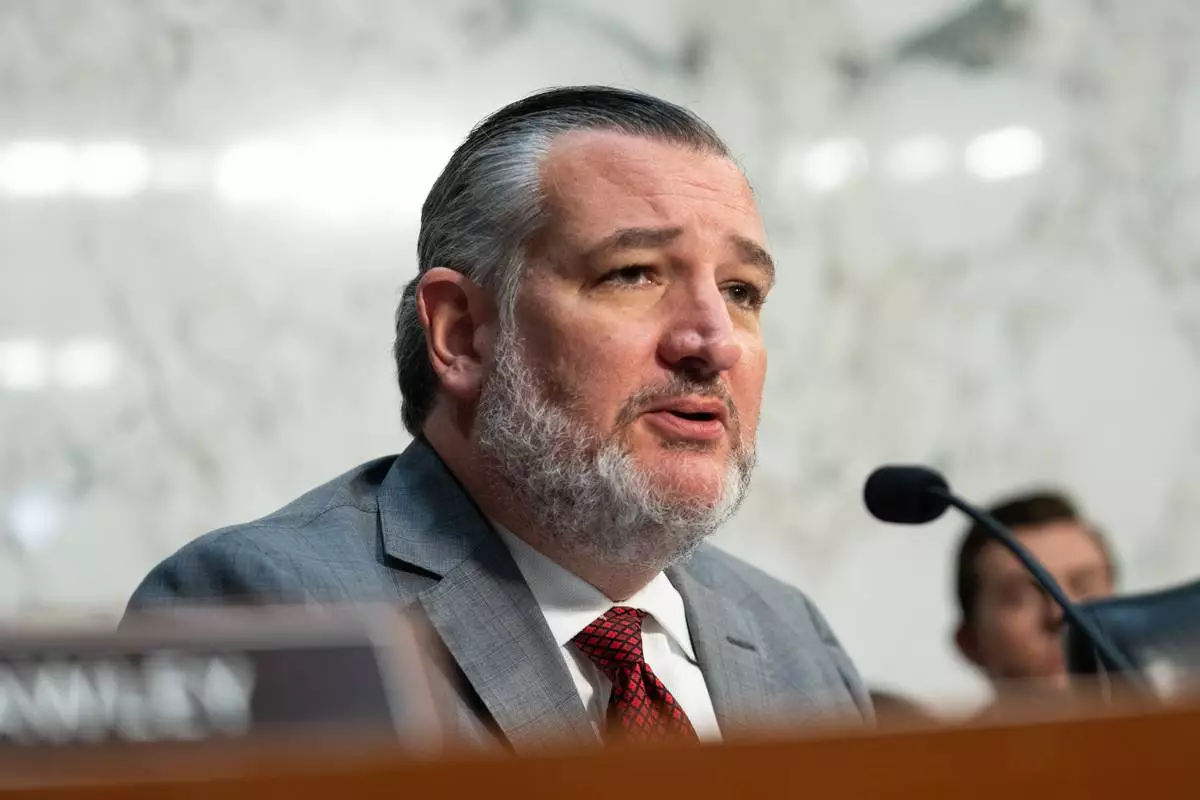
Sen. Ted Cruz, R-Texas, speaks at a Senate Judiciary Committee hearing with Acting Attorney General Todd Blanche on Capitol Hill in Washington, Wednesday, July 15, 2026. (AP Photo/Allison Robbert)