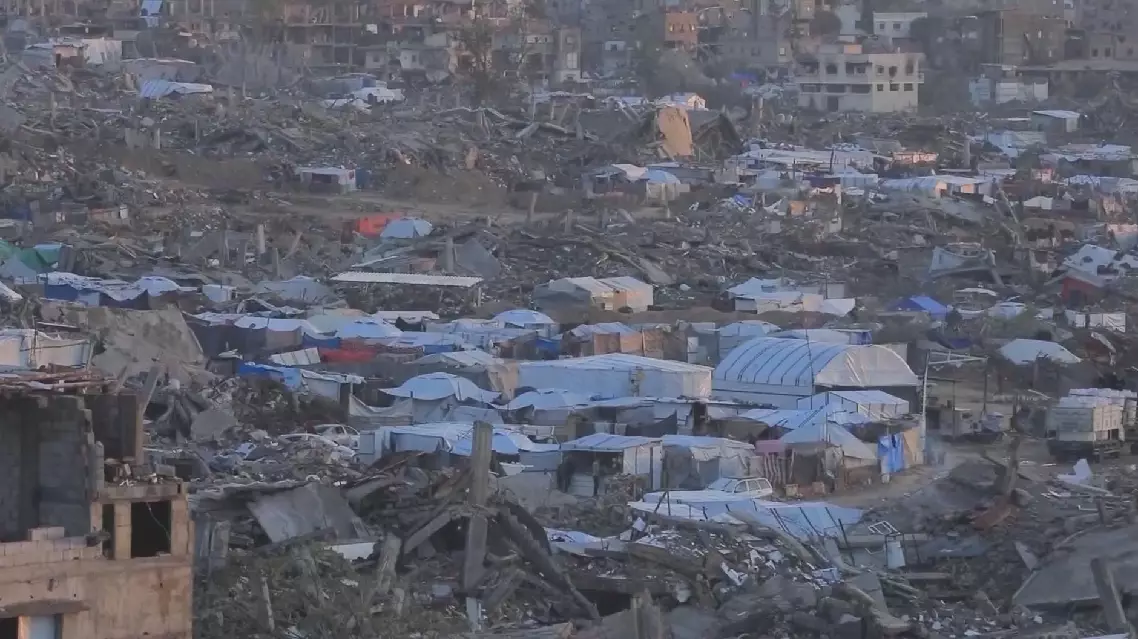
The list of members of the so-called Gaza "Board of Peace" announced by the United States faced criticism from both the Israeli and Palestinian sides.
The list, announced by the White House on June 16, is led by the United States and chaired by President Donald Trump. The statement also appointed the commander of the so-called "International Stabilization Force" in Gaza, the High Representative of Gaza, and formed a "Gaza Executive Board".
The list of members include U.S. Secretary of State Marco Rubio and U.S. Special Envoy Steve Witkoff. The United States also extended invitations to Egyptian President Abdel-Fattah al-Sisi, Turkish President Recep Tayyip Erdogan, Argentine President Javier Milei, and Canadian Prime Minister Mark Carney.
In a statement issued on Saturday, the Israeli Prime Minister's Office said that the list released by the United States was not coordinated with Israel and contradicts Israeli policy. The statement said that Israeli Prime Minister Benjamin Netanyahu has instructed Foreign Minister Gideon Saar to contact Rubio regarding this matter.
Israeli media said that the Gaza "Board of Peace" includes Turkish Foreign Minister Fidan Hamdan and senior Qatari officials, both vocal critics of Israel’s military operations in the Gaza Strip.
Wang Jin, director of the Center for International Strategic Studies of Northwest University in China, said the inclusion of members from Türkiye is one of the main reasons for Israel's dissatisfaction.
"Israel believes that the current high-ranking members of the Board of Peace include representatives from countries that it considers unsuitable, particularly the high-ranking officials from Türkiye, which Israel considers unacceptable," Wang said. The Palestinian Islamic Jihad issued a statement on Saturday, expressing shock at the member list. The statement claimed that the list fully conforms to Israel's demands and serves the interests of Israel's occupation of Gaza. The list is seen as clearly demonstrating a negative preconceived notion regarding the implementation of the agreement's terms, it said.
Wang said that the U.S. proposal faces numerous practical challenges and is unlikely to effectively resolve the Gaza issue.
"The Board of Peace indeed faces several challenges at present, primarily from two aspects. First, the board itself is still just a mechanism, or rather, a mere formality; it cannot be transformed into one with coercive power or real influence in the short term. Second, the board may face many issues in the future, such as funding, personnel, and implementation, which cannot be easily resolved through simple diplomatic and political coordination by the international community, especially the United States and other countries," he said.
List of members of Gaza Board of Peace criticized by Israel, Palestine
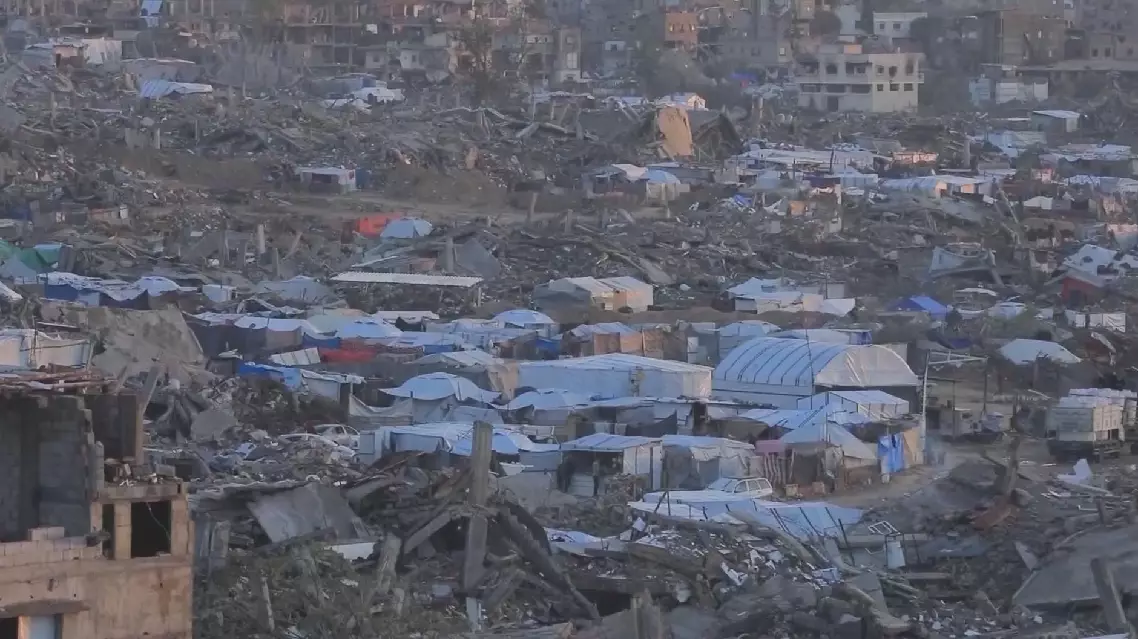
List of members of Gaza Board of Peace criticized by Israel, Palestine
List of members of Gaza Board of Peace criticized by Israel, Palestine