BRUSSELS (AP) — “Intimidation," “threats” and “blackmail” are just some of the terms being used by European Union leaders to describe U.S. President Donald Trump’s warning that he will slap new tariffs on nations opposing American control of Greenland.
European language has hardened since Trump returned to the White House 12 months ago. Now it's in reaction to the previously unthinkable idea that NATO's most powerful member would threaten to seize the territory of another ally. Trade retaliation is likely should Trump make good on his tariff announcement.
Click to Gallery
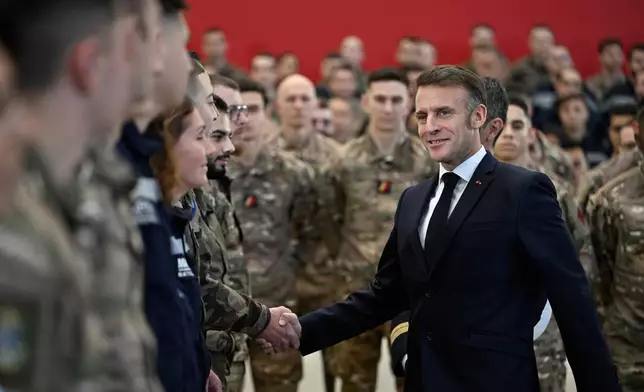
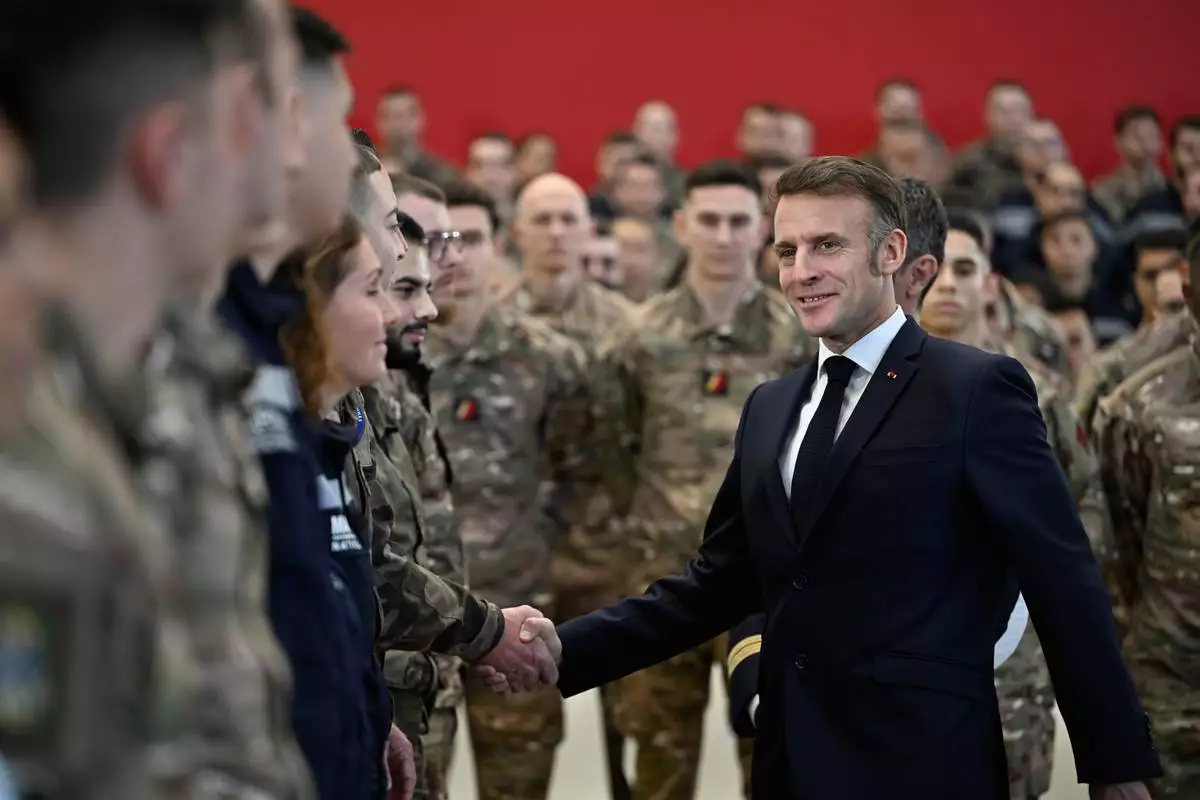
French President Emmanuel Macron shakes with soldiers as he visits the Istres military air force base, southern France, Thursday, Jan. 15, 2026. (AP Photo/Philippe Magoni, Pool)
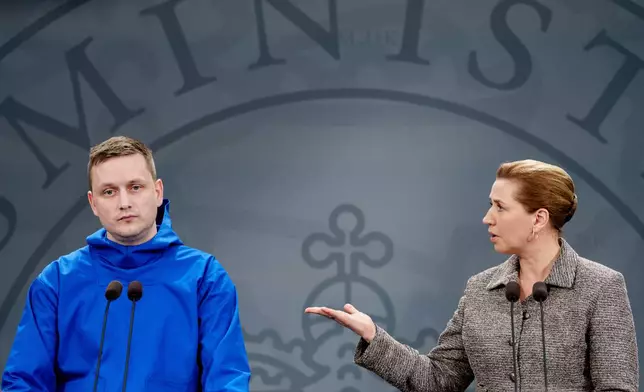
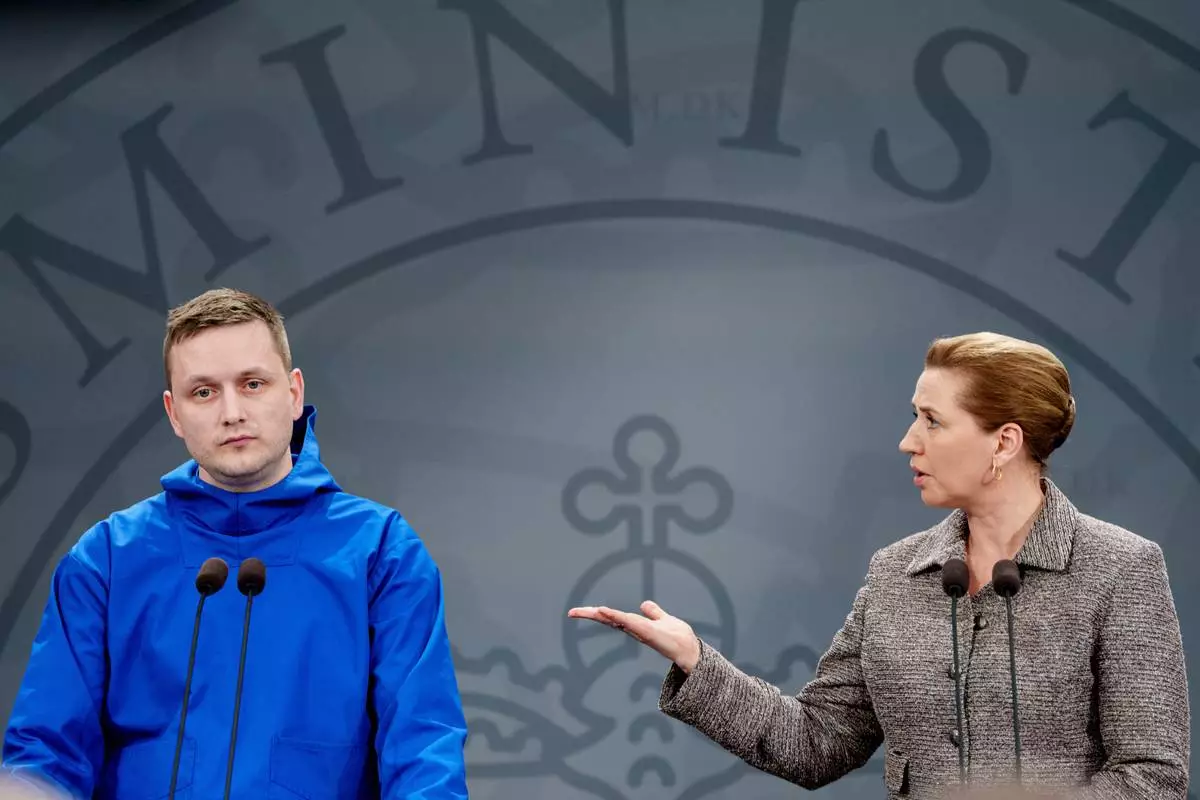
Chairman of the Naalakkersuisut, Greenland, Jens-Frederik Nielsen and Denmark's Prime Minister Mette Frederiksen, right, give a statement on the current situation at a press conference in the Mirror Hall at the Prime Minister's Office in Copenhagen, Tuesday, Jan. 13, 2026. (Liselotte Sabroe/Ritzau Scanpix via AP)
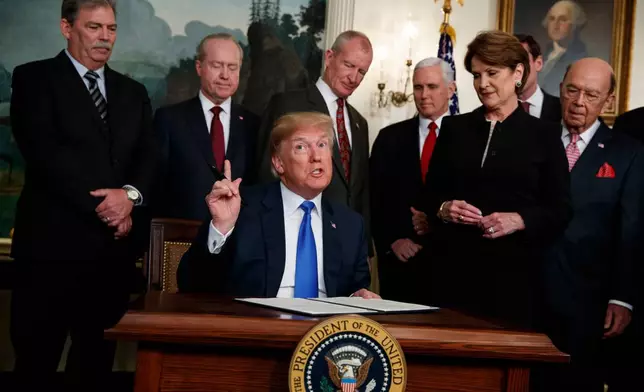
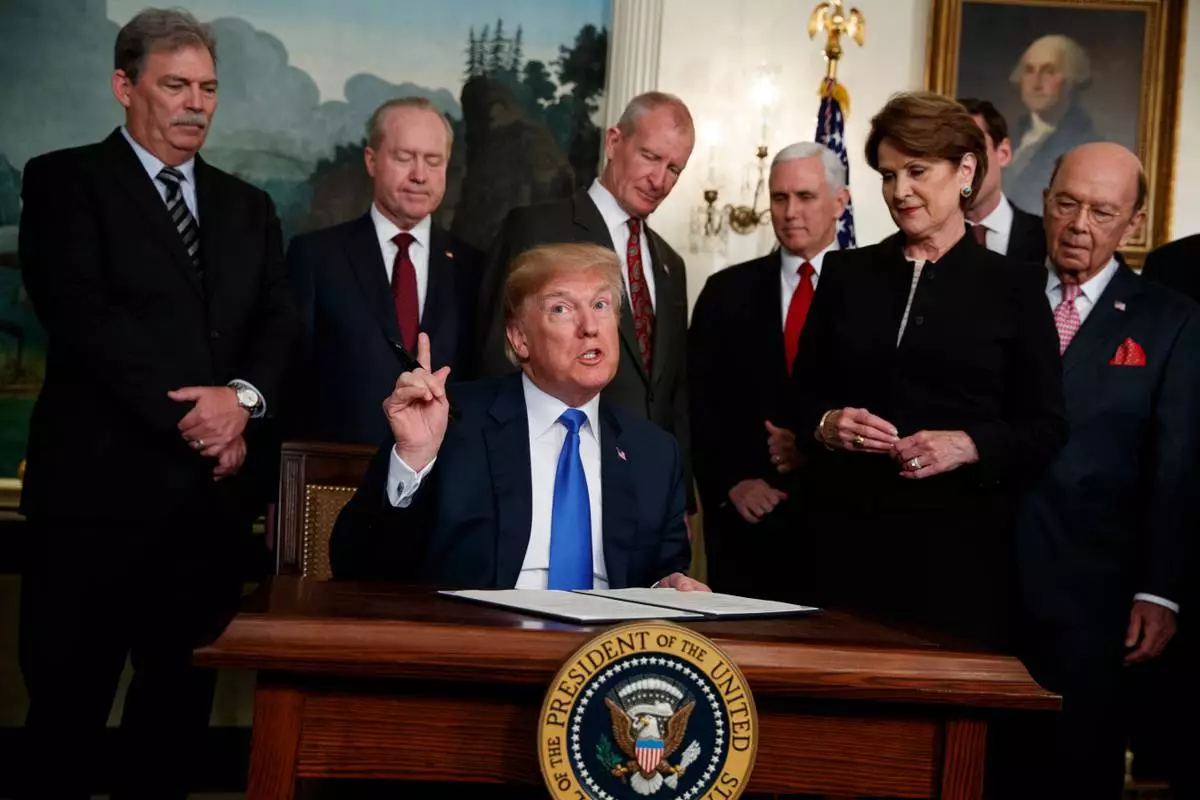
FILE - President Donald Trump speaks before he signs a presidential memorandum imposing tariffs and investment restrictions on China in the Diplomatic Reception Room of the White House, March 22, 2018, in Washington. (AP Photo/Evan Vucci, File)
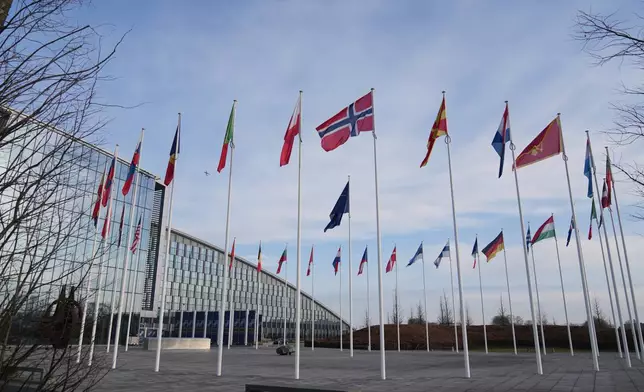
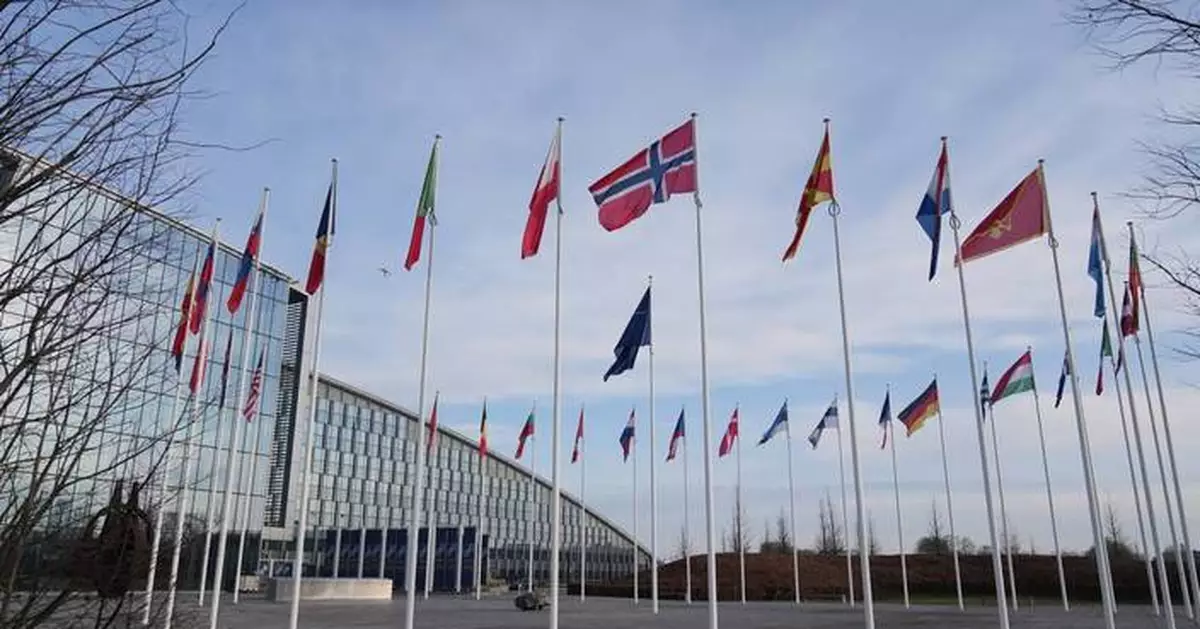
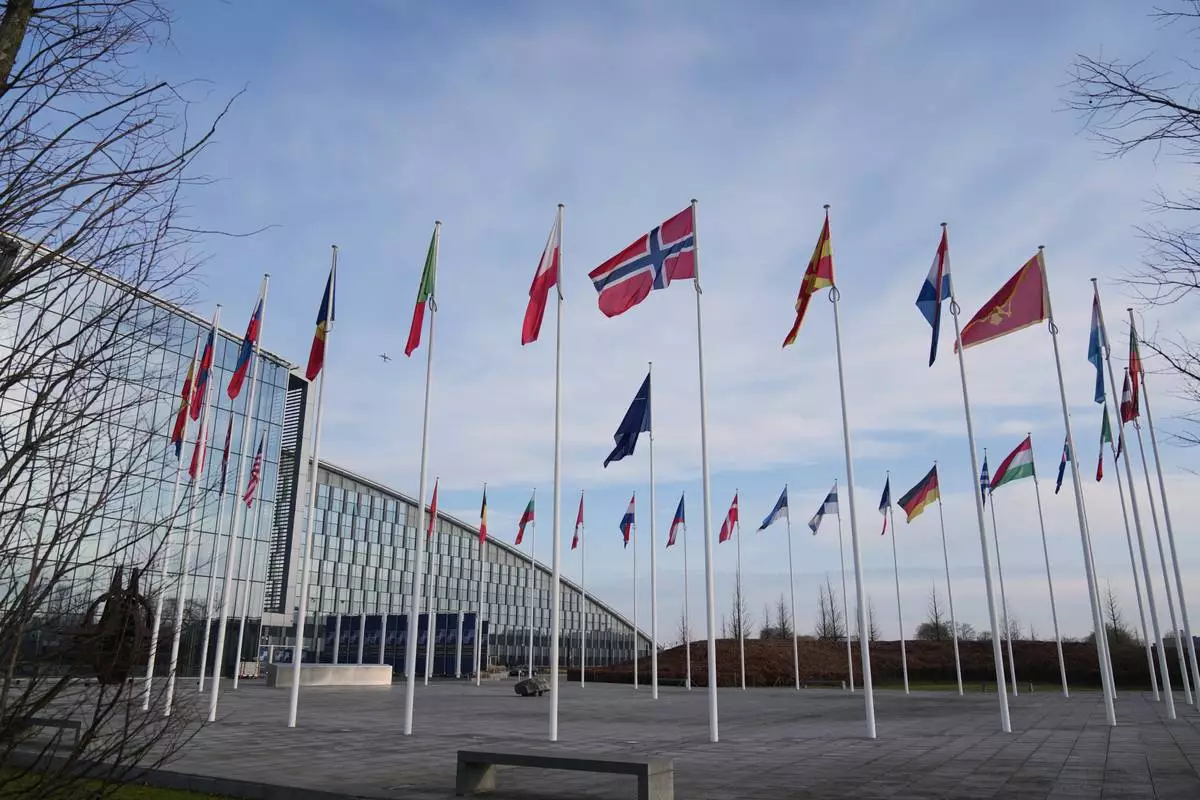
Flags flap in the wind outside NATO headquarters in Brussels, Monday, Jan. 19, 2026. (AP Photo/Virginia Mayo)
A year into Trump 2.0, Europe’s faith in the strength of the trans-Atlantic bond is fading fast. For some, it’s already disappeared. The flattery of past months has not worked and tactics are evolving as the Europeans try to manage threats from an old ally just as they confront the threat of an increasingly hostile Russia.
Trump's first term brought NATO to the brink of collapse. “I feared that NATO was about to stop functioning,” former Secretary-General Jens Stoltenberg wrote in his recent memoir, after the U.S. president had threatened to walk out of a 2018 summit.
Now, Danish Prime Minister Mette Frederiksen is warning that should he try to annex Greenland, a semiautonomous part of Denmark, “then everything stops … including our NATO.”
“We are at the very early stage of a rather deep political-military crisis,” said Maria Martisiute, a European Policy Centre analyst. “There is a greater realization, even though political leaders will not like to admit it, that America has abandoned NATO.”
In January 2025, U.S. allies at NATO were waiting to hear Trump’s plans for Ukraine.
Europe’s biggest land war in decades was about to enter its fourth year. The Europeans believed that President Vladimir Putin would pose an existential threat to their territory should Russia win.
Few thought that Biden administration policies would continue. But within weeks, any lingering hopes for the U.S. commitment to Ukraine dissolved. American arms supplies and funds began to dry up. Europe would have to fill the gap and pay for U.S. help.
In a speech at NATO headquarters in February, U.S. Defense Secretary Pete Hegseth read the riot act to European allies and Canada. The United States had priorities elsewhere and Europe must handle security in its own backyard.
Ukraine would not join the alliance. Its territory seized by Russia would not be returned. The Europeans could pull together a force to help Ukraine if they wanted, but they wouldn’t get U.S. help if they went into the country and got attacked.
Trump has since blamed Ukrainian President Volodymyr Zelenskyy for the invasion, notwithstanding visits with royalty in the U.K. and the Netherlands meant to mollify him.
Days later that February, in Munich, Vice President JD Vance met the leader of a far-right party during election campaigning in Germany. He claimed that Europe’s main threat was internal, not Russia. Free speech is “in retreat” across the continent, Vance warned.
But after winning the poll, Chancellor Friedrich Merz, said that “in view of the increasing threat situation,” Germany and Europe “must now very quickly make very big efforts, very quickly,” to strengthen their defense capabilities.
Over the course of last year, European leaders and Zelenskyy flew to Washington to try to keep Trump onside. A 28-point plan to end the war that he floated would acquiesce to many Russian demands.
The plan was reworked. Talks continue, but without Putin. Few expect him to accept. Trump mostly blames Zelenskyy for the stalemate.
Meanwhile, Europe pressed ahead with new defense measures, even as Trump waged a global tariff war, including against U.S. allies, roiling their economies.
The EU created a multibillion-euro fund to buy arms and ammunition, with the emphasis on sourcing them from European companies and weaning nations off U.S. suppliers.
Debt rules were eased for security spending. Money was funneled into Ukraine’s defense industry. In December, European leaders agreed to pay for most of its military and economic needs for the next two years as Kyiv teeters on the brink of bankruptcy.
A new U.S. national security strategy further soured trans-Atlantic relations. It paints European allies as weak, offers tacit support to far-right political parties, and criticizes European free speech and migration policy.
European Council President Antonio Costa warned the U.S. against interfering in Europe’s affairs. Merz said that the U.S. strategy underscores the need for Europe to become “much more independent” from the United States.
Work has since begun on Europe’s own security strategy. It aims to respond to “the geopolitical changes in our world and to give an appropriate answer to that,” European Commission President Ursula von der Leyen said.
Part of it is to make Europe even more autonomous.
As France, Germany, the U.K., Norway, Sweden and the Netherlands sent troops to Greenland last week — small in number but highly symbolic in the message of resolve sent to the White House — French President Emmanuel Macron said that it’s important “to stand at the side of a sovereign state to protect its territory.”
“Europe is being shaken from some of its certainties,” he told French military chiefs. “It sometimes has allies that we thought were predictable, fearless, always by our side, who are now causing us to doubt a lot, or are even turning against those who expected it the least.”
For now, the eight European countries targeted by Trump's tariff threat say they “stand firmly behind” the principles of sovereignty and territorial integrity. “Tariff threats undermine transatlantic relations and risk a dangerous downward spiral.”
French President Emmanuel Macron shakes with soldiers as he visits the Istres military air force base, southern France, Thursday, Jan. 15, 2026. (AP Photo/Philippe Magoni, Pool)
Chairman of the Naalakkersuisut, Greenland, Jens-Frederik Nielsen and Denmark's Prime Minister Mette Frederiksen, right, give a statement on the current situation at a press conference in the Mirror Hall at the Prime Minister's Office in Copenhagen, Tuesday, Jan. 13, 2026. (Liselotte Sabroe/Ritzau Scanpix via AP)
FILE - President Donald Trump speaks before he signs a presidential memorandum imposing tariffs and investment restrictions on China in the Diplomatic Reception Room of the White House, March 22, 2018, in Washington. (AP Photo/Evan Vucci, File)
Flags flap in the wind outside NATO headquarters in Brussels, Monday, Jan. 19, 2026. (AP Photo/Virginia Mayo)