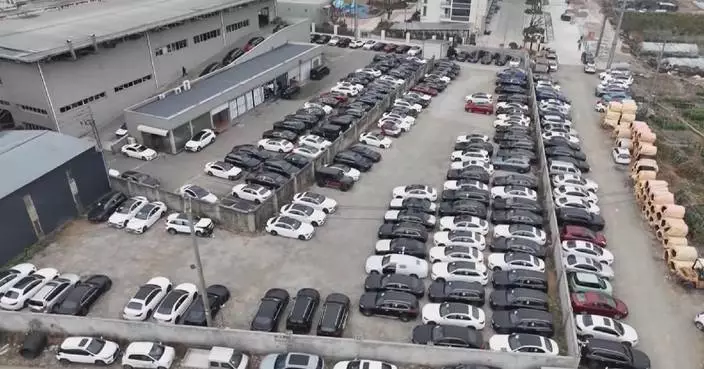
China's renewal policies on large-scale equipment upgrading and consumer goods trade-ins have helped boost investment, consumption and green transition, according to an official with the National Development and Reform Commission (NDRC) on Tuesday.
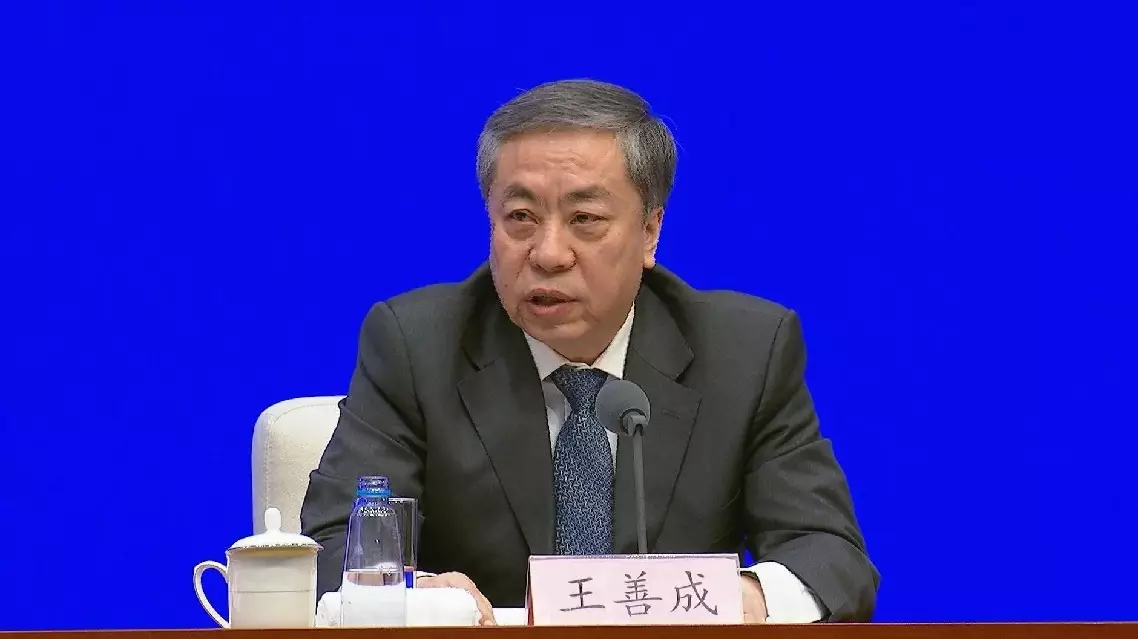
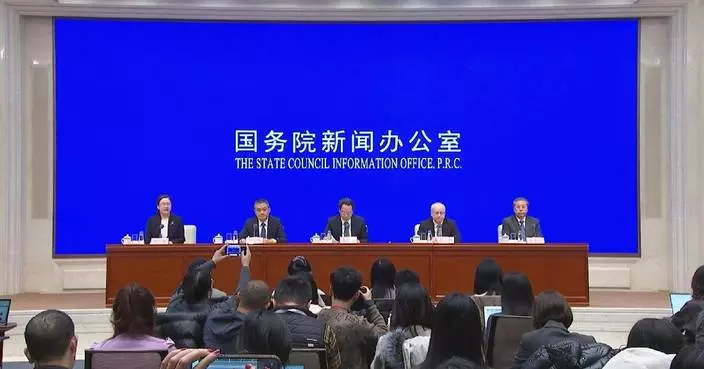
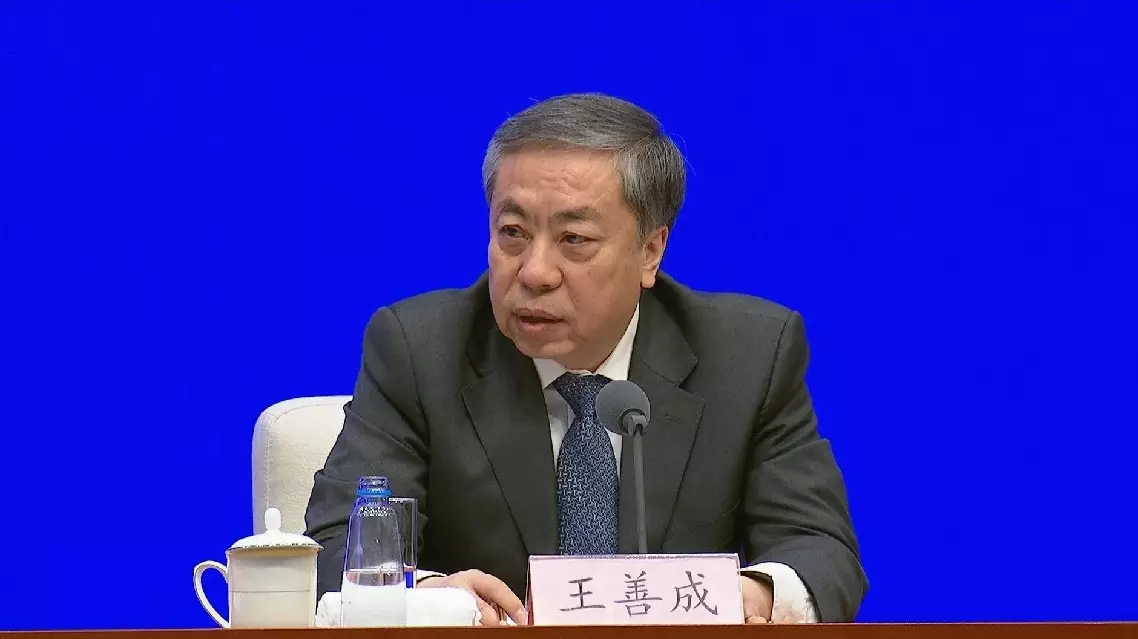
Speaking at a press conference in Beijing, Wang Shancheng, director of the Department of Resource Conservation and Environmental Protection at the NDRC -- China's top economic planner, said the renewal policies have produced significant results since the policies were launched in 2024, and briefed on how the policies were implemented in the year 2025.
"In 2025, funds from ultra-long special treasury bonds supported about 8,400 such projects, leading to a total investment of over 1 trillion yuan (about 143.6 billion U.S. dollars), and driving a year-on-year increase of 11.8 percent in investment in the purchase of equipment and tools, resulting in an increase of overall investment by 1.8 percentage points. In 2025, more than 360 million applications were filed for consumer goods trade-in subsidies, leading to the sales of related goods valued at over 2.6 trillion yuan (about 373.5 billion U.S. dollars), and directly raising the growth rate of total retail sales of consumer goods by 0.6 percentage points," Wang said.
He noted the policies have indirectly contributed to stepping up the country's green development.
"Since the implementation of policies on large-scale equipment upgrades and consumer goods trade-in programs, improvement of the waste-recycling system has been sped up. Over 29,000 new smart recycling facilities have been installed in residential communities across the country. The level of standards for energy conservation and carbon reduction has been steadily elevated. All 294 sets of national standards related to the policies in energy consumption and emissions have now all been issued. The promotion of green and low-carbon products has been stepped up, with new energy vehicles accounting for nearly 60 percent of overall auto purchases, and with the sales of home appliances rated as Level-1 energy efficiency and water efficiency ones making up more than 90 percent of overall home appliance sales. The implementation of the policies has helped save over 69 million tonnes of standard coal and cut carbon emissions by more than 170 million tonnes," Wang said.
"The arrangements for implementing the same policies in 2026 have already been made public, with further optimizations in the range of the policy support, subsidy standard and implementation mechanism. The first sum of 62.5 billion yuan (about 8.98 billion U.S. dollars) in funds raised from the issuance of ultra-long special treasury bonds for supporting consumer goods trade-in programs has been allocated. Local authorities began rolling out the consumer good trade-in programs on January 1 to ensure a smooth policy transition and seamless continuation," said the official.
China's renewal policies deliver strong boost to investment, consumption, green transition: official