European nations have sharply criticized the United States after President Donald Trump threatened new tariffs on countries opposing his push to gain control over Greenland, vowing a united and forceful response.
Denmark, Sweden, Norway, France and several other European nations are pushing back after Trump announced plans to impose tariffs on eight European countries opposed to American control over Greenland. Officials from across the continent have condemned what they call "economic coercion" and warned of firm retaliatory measures if the tariffs are implemented.
In a social media post over the weekend, Trump said the United States would impose a 10-percent tariff starting February 1 on goods from the eight countries resisting his Greenland proposal. He added that the tariff rate would rise to 25 percent by June unless a deal was reached for what he called the "complete and total purchase" of Greenland.
The statement intensified criticism across Europe. On Monday, Swedish Finance Minister Elisabeth Svantesson labeled the U.S. pressure campaign over Greenland "absurd," adding that Europe now faces an unprecedented period of instability due to what she described as Trump's "completely unreasonable" demands. She emphasized that European nations must respond forcefully.
German Chancellor Friedrich Merz on Monday also condemned the tariff threats, warning they could undermine transatlantic relations and escalate tensions. He noted that while new tariffs would ultimately hurt U.S. consumers, they would also seriously impact European economies. Merz said Germany is seeking a constructive solution and supports Denmark's efforts to open dialogue with the U.S. based on core principles of sovereignty and territorial integrity.
Germany's Vice Chancellor and Finance Minister Lars Klingbeil echoed those concerns, saying that Europe would deliver a united and clear response to the threat. Possible countermeasures under discussion include freezing the transatlantic tariff agreement scheduled for a European Parliament vote this week, reinstating previously suspended EU tariffs on American imports, and activating legal instruments to counter "blatant economic blackmail."
The backlash is increasing pressure on European institutions to act. European Commission spokesman Olof Gill announced on Monday that EU leaders will hold an emergency summit on Thursday in Brussels to evaluate potential retaliatory steps. He noted that discussions with Washington are ongoing "at all levels," and that the bloc is taking every necessary action to safeguard its economic interests.
Gill stressed that the EU's priority is dialogue rather than escalation, but warned that the bloc has tools at its disposal and is ready to act should the U.S. proceed with the tariffs.
Meanwhile, British Prime Minister Keir Starmer, speaking in a national address on Monday, said a trade war would benefit no one and criticized Washington's use of tariffs against allies as "completely wrong." Starmer reiterated that the future of Greenland would be a decision solely for Denmark and the Greenlandic people, and that Europe must avoid being drawn into an avoidable economic conflict. He also called for greater European commitment to defense and security.
Several European nations, including Norway and Sweden, have announced troop deployments to participate in Danish-led military exercises on Greenland in a show of alliance support. On Sunday, the targeted countries issued a joint statement condemning Washington's actions as "damaging to transatlantic relations" and warned they could ignite a dangerous cycle of confrontation. The statement reiterated their solidarity with Denmark and Greenland and reaffirmed their readiness for dialogue grounded in respect for sovereignty and international law.
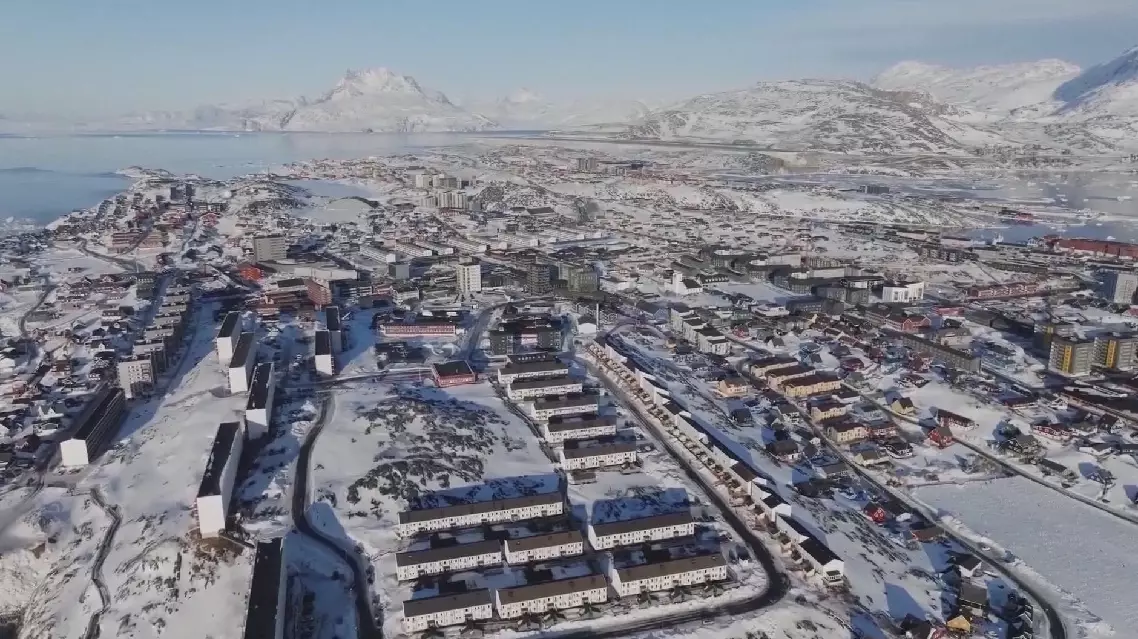
European states slam US tariff threats over Greenland
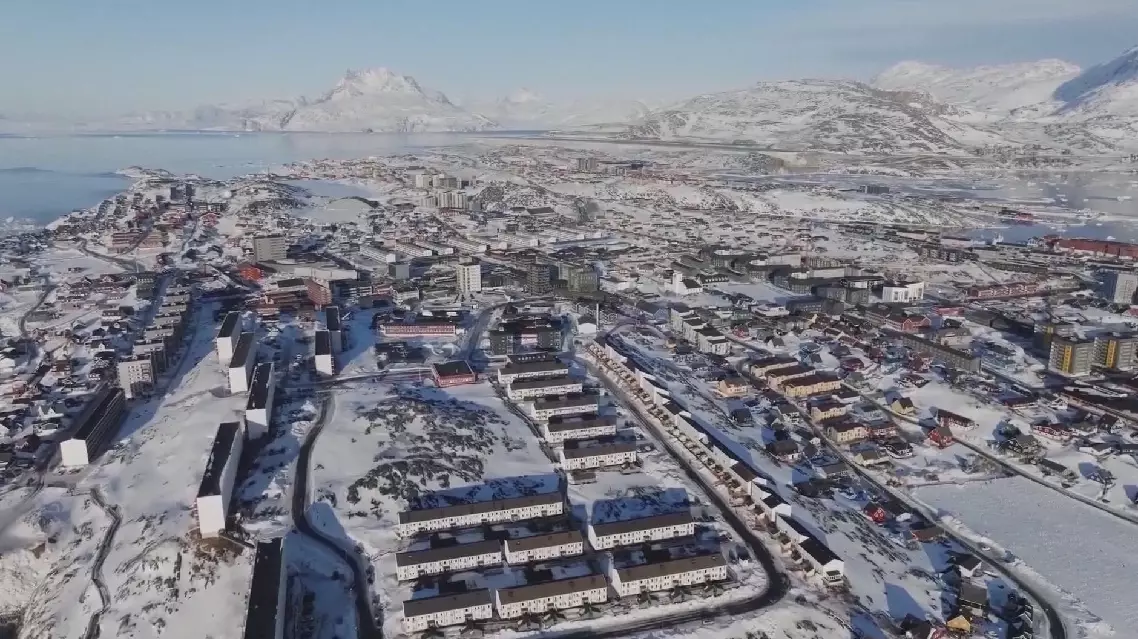
European states slam US tariff threats over Greenland