VIENNA, Va.--(BUSINESS WIRE)--Jan 20, 2026--
Everbridge, Inc., the global leader in High Velocity Critical Event Management (CEM) and national public warning solutions, today announced the release of its 2026 Regional threat assessment: Geographic trends shaping the global security landscape, a forward-looking analysis of the most significant threats expected to impact organizations worldwide in the year ahead.
This press release features multimedia. View the full release here: https://www.businesswire.com/news/home/20260120492187/en/
“Organizations are entering 2026 in an environment where disruption is persistent, connected, and often arrives with little warning,” said Sheila Carpenter, Chief Information Officer at Everbridge. “What makes today’s risk landscape especially challenging is not just the number of threats, but how quickly they converge and compound.”
The assessment examines how risks that were once viewed as separate – including geopolitical instability, violent extremism, cyber threats, climate stress, and economic volatility – are increasingly intersecting to create complex disruption with limited warning. Drawing on analysis from Everbridge regional risk intelligence experts, the report is designed to help organizations better anticipate where threats are intensifying and how those risks may cascade across people, operations, supply chains, and critical infrastructure in 2026.
To complement the global assessment, Everbridge also released six regional companion reports – North America, Europe, Asia-Pacific, Middle East and North Africa, Latin America and the Caribbean, and Sub-Saharan Africa – each providing deeper, localized analysis of the threat dynamics most likely to affect organizations operating in specific parts of the world.
Together, the global and regional reports offer a comparative, region-by-region view of the evolving threat environment, enabling organizations to align preparedness, security, and resilience planning with both global trends and local operating conditions.
Carpenter continued: “Geopolitical tension can drive cyber activity, climate stress can strain infrastructure, and social or political volatility can escalate into physical or digital disruption. This assessment is intended to help leaders step back from individual headlines, understand the broader patterns shaping risk, and make more informed decisions about how to protect their people, operations, and critical dependencies.”
Everbridge is also making available an on-demand recording of its recently aired webinar, “2026 Regional threat assessment: Geographic trends shaping the global security landscape,” presented in partnership with Disaster Recovery Journal. The session features Everbridge risk intelligence experts examining key regional trends, emerging threat scenarios, and the practical implications for security, resilience, and business continuity leaders planning for the year ahead.
About Everbridge
Everbridge is the global leader in Critical Event Management (CEM), helping organizations achieve a true business resilience advantage. With Everbridge High Velocity CEM, our customers accelerate response times, minimize disruption, and maintain operational control amid today’s most complex threats. Using Purpose-built AI, decision-ready risk intelligence, and full lifecycle automation, Everbridge enables organizations to know earlier, respond faster, and improve continuously with confidence. For more information, visit everbridge.com, read the blog, and follow us on LinkedIn.
Everbridge… Keeping People Safe and Organizations Running™

Everbridge Releases 2026 Regional Threat Assessment Highlighting Risk Trends Shaping the Global Security Landscape
MELBOURNE, Australia (AP) — Two sets and just over an hour of tennis wasn't what Jannik Sinner wanted at Rod Laver Arena for the start of his bid for an Australian Open three-peat.
In his first competitive match since beating Carlos Alcaraz at the ATP Finals in November, Sinner was leading 6-2, 6-1 when No. 93-ranked Hugo Gaston suddenly retired from their match Tuesday night with an undisclosed injury.
“I saw that he was not serving with a very high pace,” Sinner said, but “it’s not the way you want to win the match.”
After signaling he had to quit, Gaston went to a courtside chair and bowed his head into his hands. Sinner went to console him, putting a hand on the Frenchman's shoulder and wishing him a speedy recovery.
For Sinner, it was an anticlimactic return to Melbourne Park's main arena 12 months after clinching back-to-back Australian titles with a win over Alexander Zverev in the final.
He played Alcaraz in the finals of the other three majors, winning at Wimbledon and finishing runner-up at Roland Garros and the U.S. Open, as the so-called Sincaraz rivals extended their dominance of Grand Slam tournaments to a second full year.
Sinner isn't content with evenly splitting the titles with Alcaraz, though. He used his time off to concentrate on adjusting his service motion and tweaking other parts of his game in the search for incremental improvements.
“I’ve put in many, many long days in the off-season trying to become a better tennis player,” No. 2-ranked Sinner said. “But at the end of the day the most important part is to go on court and to enjoy, no? It’s very special to start the season in a night session match here in a Grand Slam, the packed stadium, just trying to do your best.”
Sinner is aiming to become the fourth player to win three consecutive men's titles at the Australian Open.
Wearing a wide-brim hat, veil and holding a white parasol as she walked onto Rod Laver Arena for the last night match, Naomi Osaka made a grand entrance.
The four-time major winner went on to beat Antonia Ruzic 6-3, 3-6, 6-4, and later explained the inspiration for her design.
“It’s modeled after a jellyfish,” Osaka said. “I’m just so grateful I get to do the things I love.”
Madison Keys had a tough start to her title defense, struggling early against the offbeat style of Oleksandra Oliynykova before advancing 7-6 (6), 6-1.
Ninth-seeded Keys, playing in her 50th Grand Slam tournament, trailed 4-0 before finding her rhythm.
“Obviously I was very nervous at the start,” Keys said. “As nervous as I was . . . I’m really glad to be back, and that I got through that match.”
Oliynykova's unorthodox shot-making and strong defense kept Keys off balance in the first set.
“I feel like that made things a little extra tricky,” Keys said. “I felt like at the end of the tiebreaker I really kind of found my game and then was able to carry that into the second set.”
Oliynykova gained a lot of attention with her unique body art and ink, and a printed message for Ukraine on a T-shirt she wore in her post-match news conference.
No. 5 Elena Rybakina and No. 10 Belinda Bencic advanced in straight sets, but two women’s seeds were ousted in straight sets early on Day 3, with Janice Tjen upsetting 2021 U.S. Open finalist Leylah Fernandez and Tereza Valentova beating Australia's Maya Joint.
Sloane Stephens, the 2017 U.S. Open champion who had to qualify the season-opening major, lost Karolina Pliskova 7-6 (7), 6-2.
In a match between left-handers, Ben Shelton, a semifinalist a year ago in Australia, overcame Ugo Humbert 6-3, 7-6 (2), 7-6 (5).
Shelton said it was one of the toughest first-round matches he could have faced, with No. 33 Humbert having the highest ranking of the unseeded players.
He'll next face Australian qualifier Dane Sweeny, who ended the 20th and final Australian Open campaign for 39-year-old Gael Monfils.
Also advancing were No. 5 Lorenzo Musetti, No. 9 Taylor Fritz, 2023 runner-up Stefanos Tsitsipas and Eliot Spizzirri, who beat 19-year-old Joao Fonseca 6-4, 2-6, 6-1, 6-2.
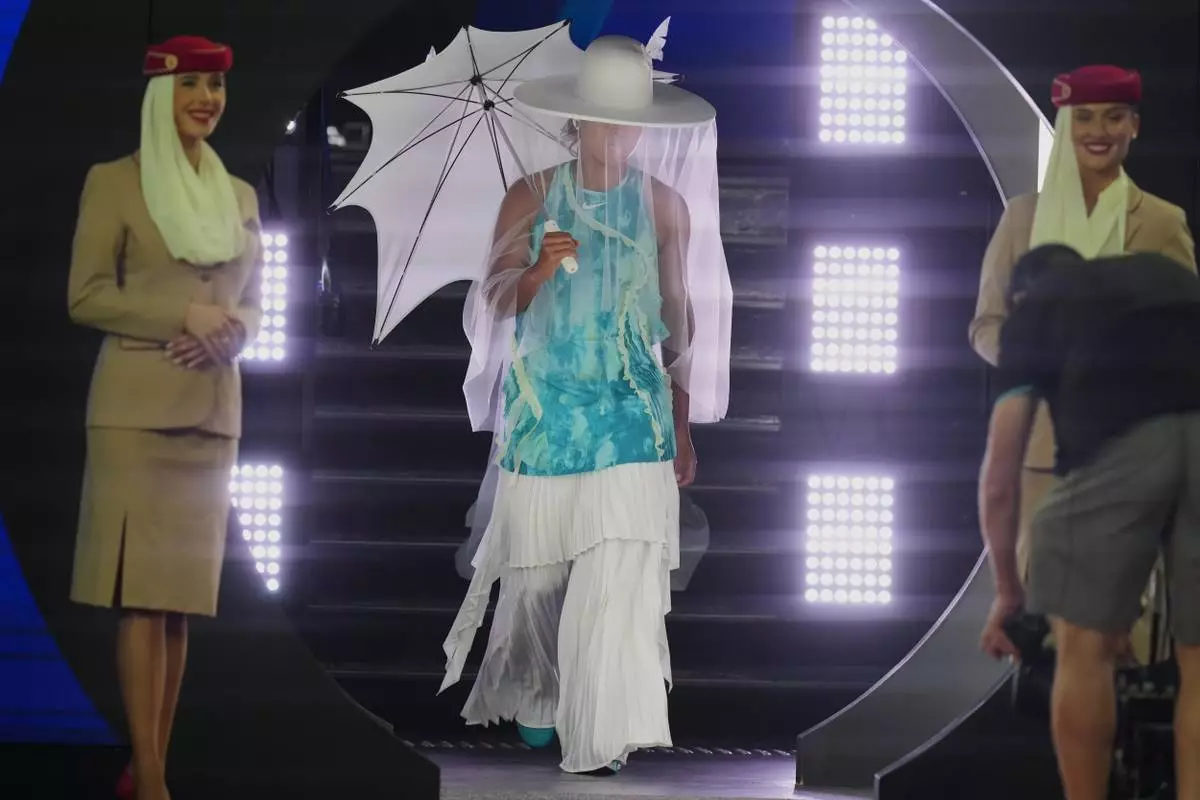
Naomi Osaka of Japan walks onto Rod Laver Arena for her first round match against Antonia Ruzic of Croatia at the Australian Open tennis championship in Melbourne, Australia, Tuesday, Jan. 20, 2026. (AP Photo/Asanka Brendon Ratnayake)
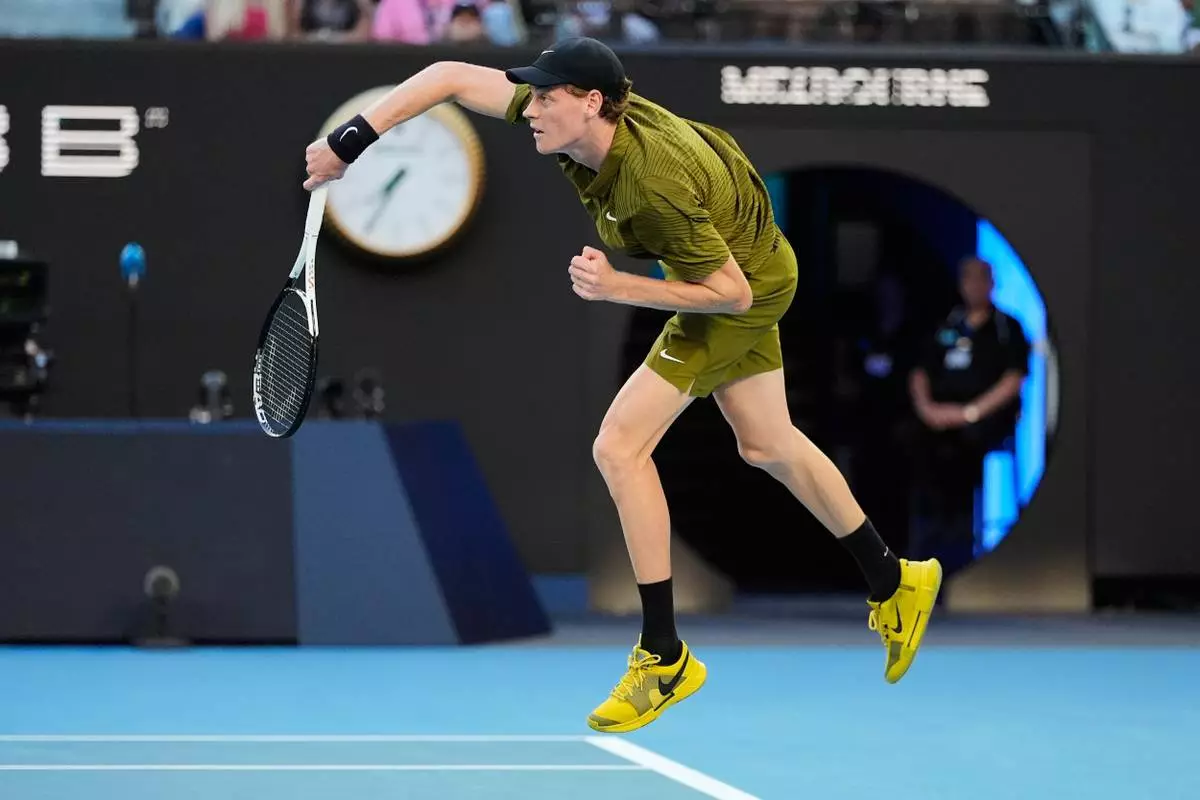
Jannik Sinner of Italy serves to Hugo Gaston of France during their first round match at the Australian Open tennis championship in Melbourne, Australia, Tuesday, Jan. 20, 2026. (AP Photo/Asanka Brendon Ratnayake)
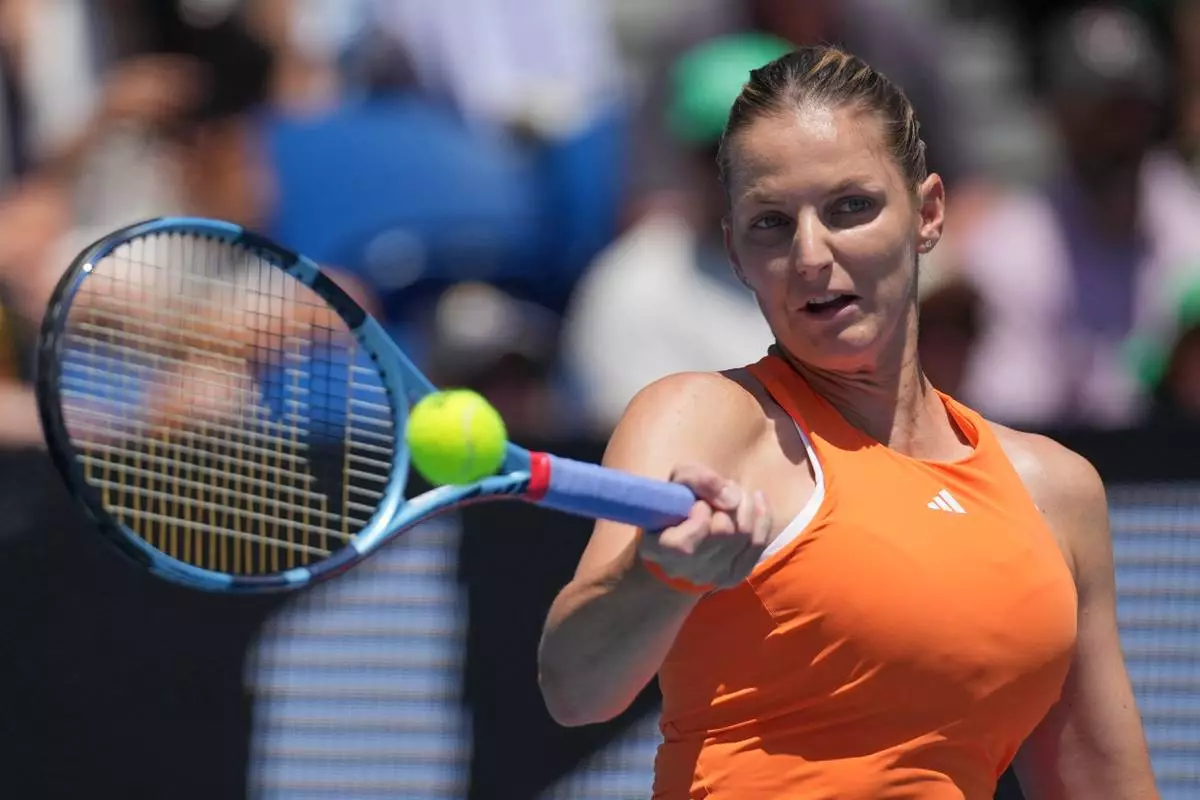
Karolina Pliskova of Czech Republic plays a forehand return to Sloane Stephens of the U.S. during their first round match at the Australian Open tennis championship in Melbourne, Australia, Tuesday, Jan. 20, 2026. (AP Photo/Dita Alangkara)
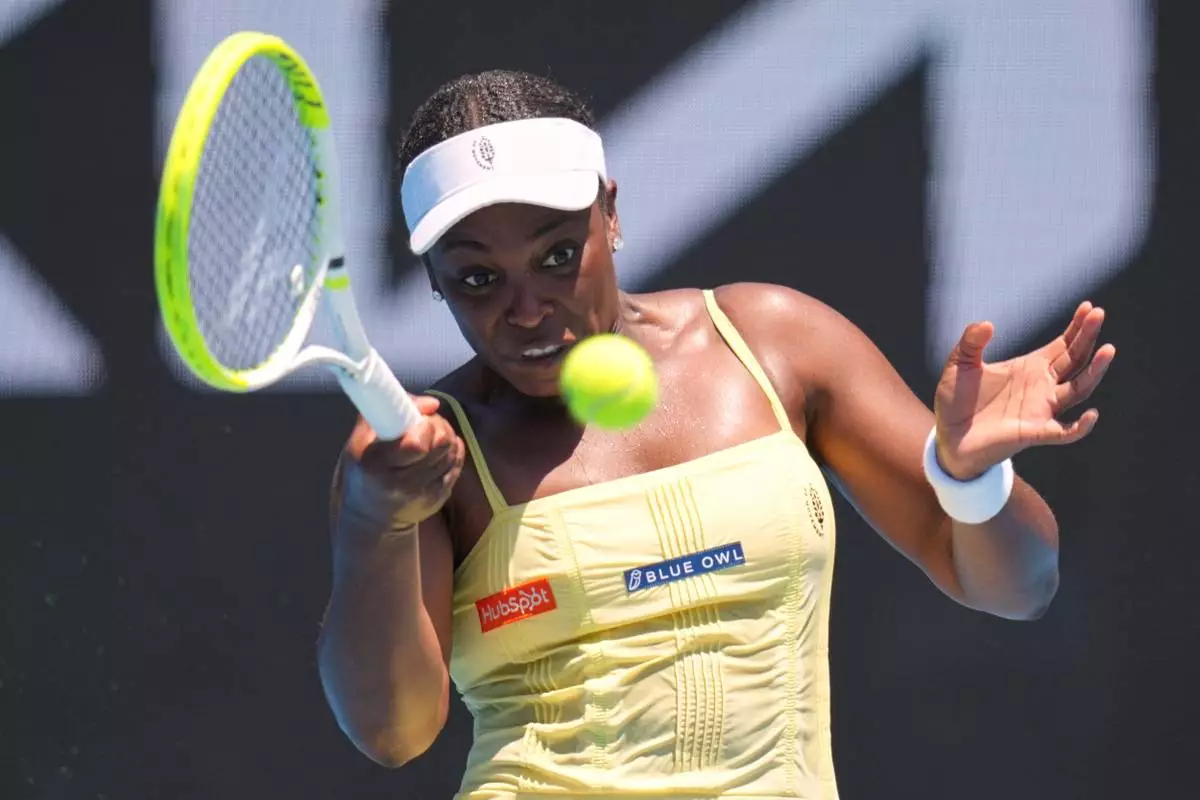
Sloane Stephens of the U.S. plays a forehand return to Karolina Pliskova of Czech Republic during their first round match at the Australian Open tennis championship in Melbourne, Australia, Tuesday, Jan. 20, 2026. (AP Photo/Dita Alangkara)
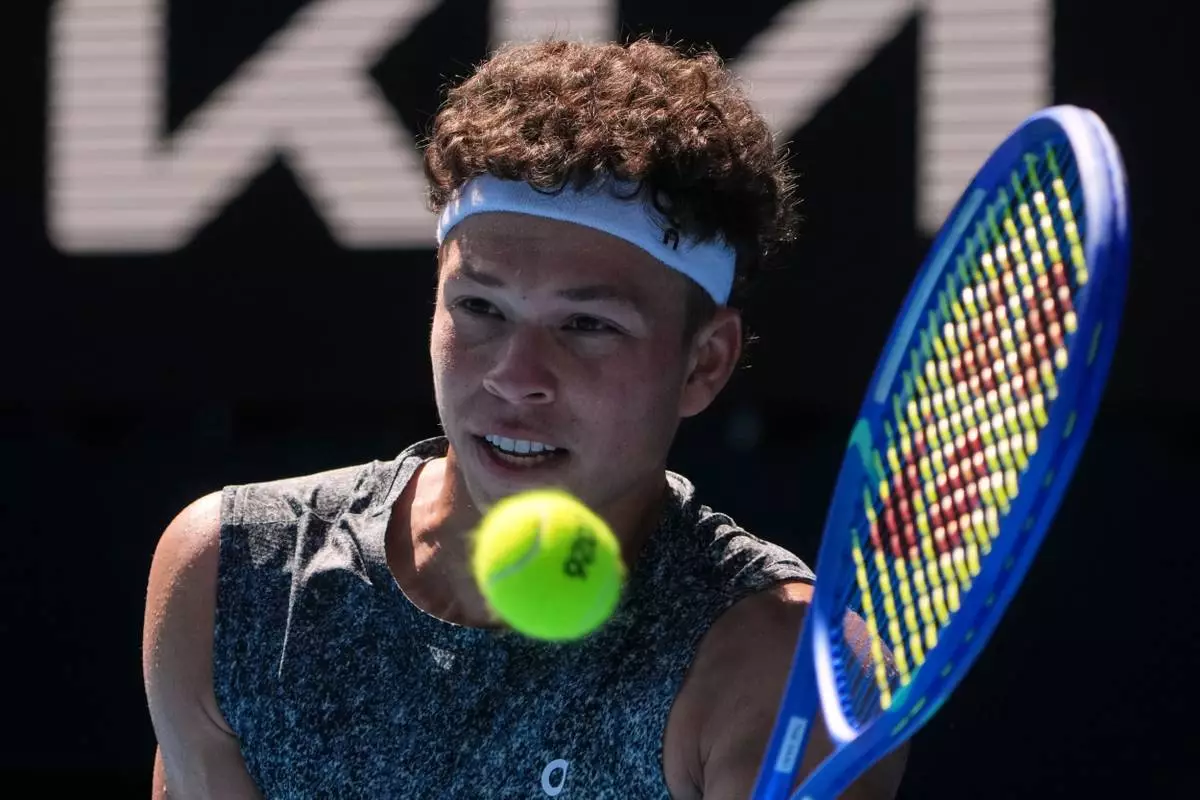
Ben Shelton of the U.S. plays a forehand return to Ugo Humbert of France during their first round match at the Australian Open tennis championship in Melbourne, Australia, Tuesday, Jan. 20, 2026. (AP Photo/Asanka Brendon Ratnayake)
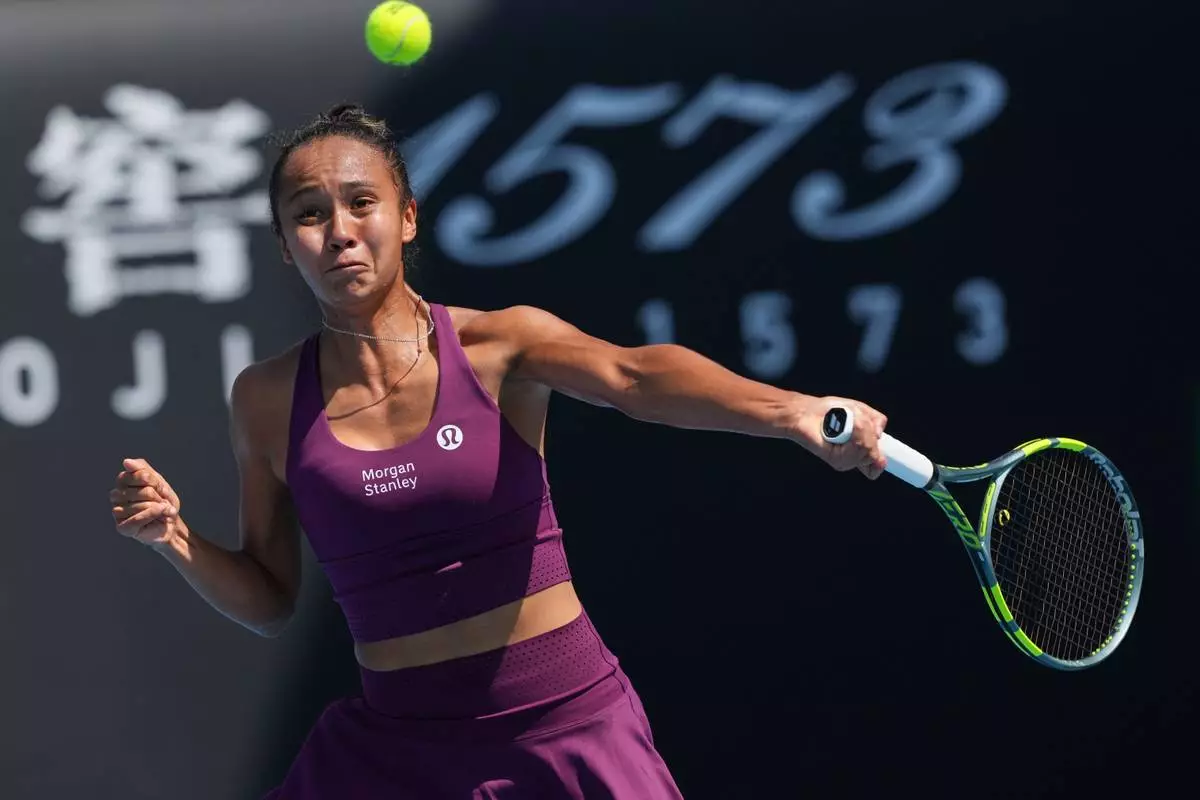
Leylah Fernandez of Canada plays a forehand return to Janice Tjen of Indonesia during their first round match at the Australian Open tennis championship in Melbourne, Australia, Tuesday, Jan. 20, 2026. (AP Photo/Dar Yasin)
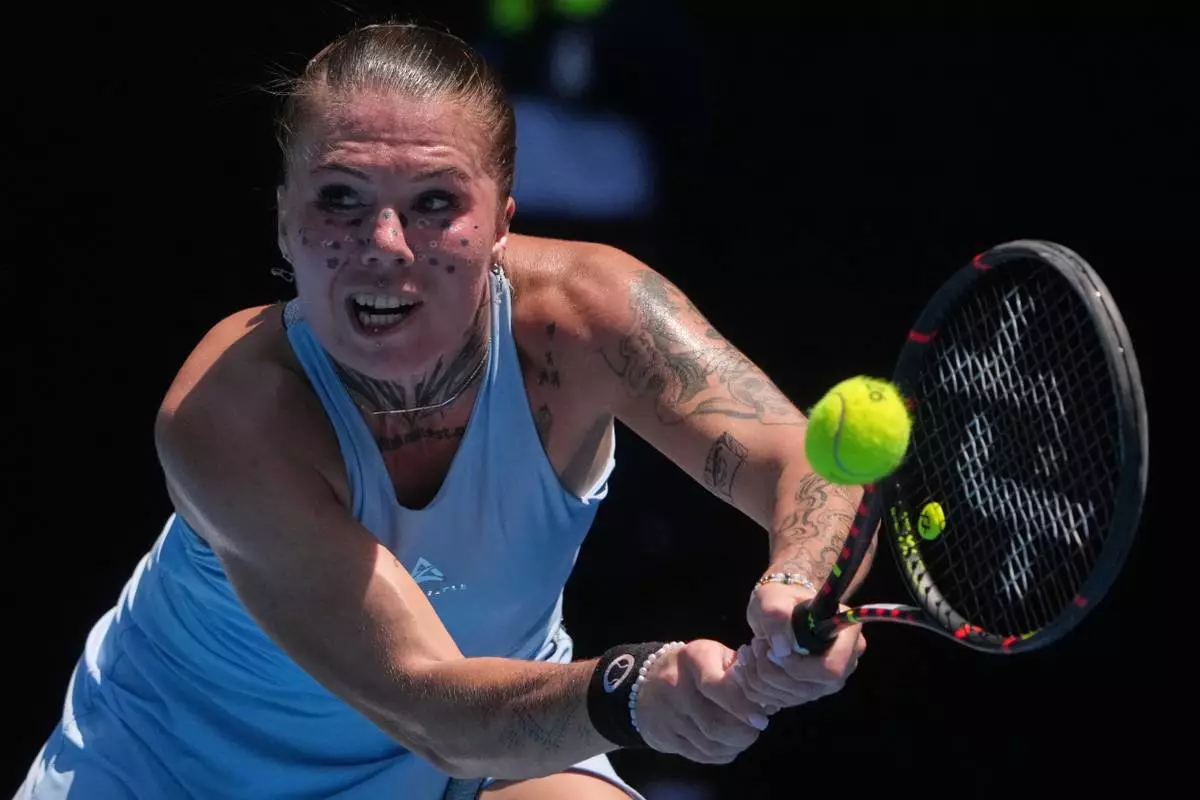
Oleksandra Oliynykova of Ukraine plays a backhand return to Madison Keys of the U.S. during their first round match at the Australian Open tennis championship in Melbourne, Australia, Tuesday, Jan. 20, 2026. (AP Photo/Asanka Brendon Ratnayake)
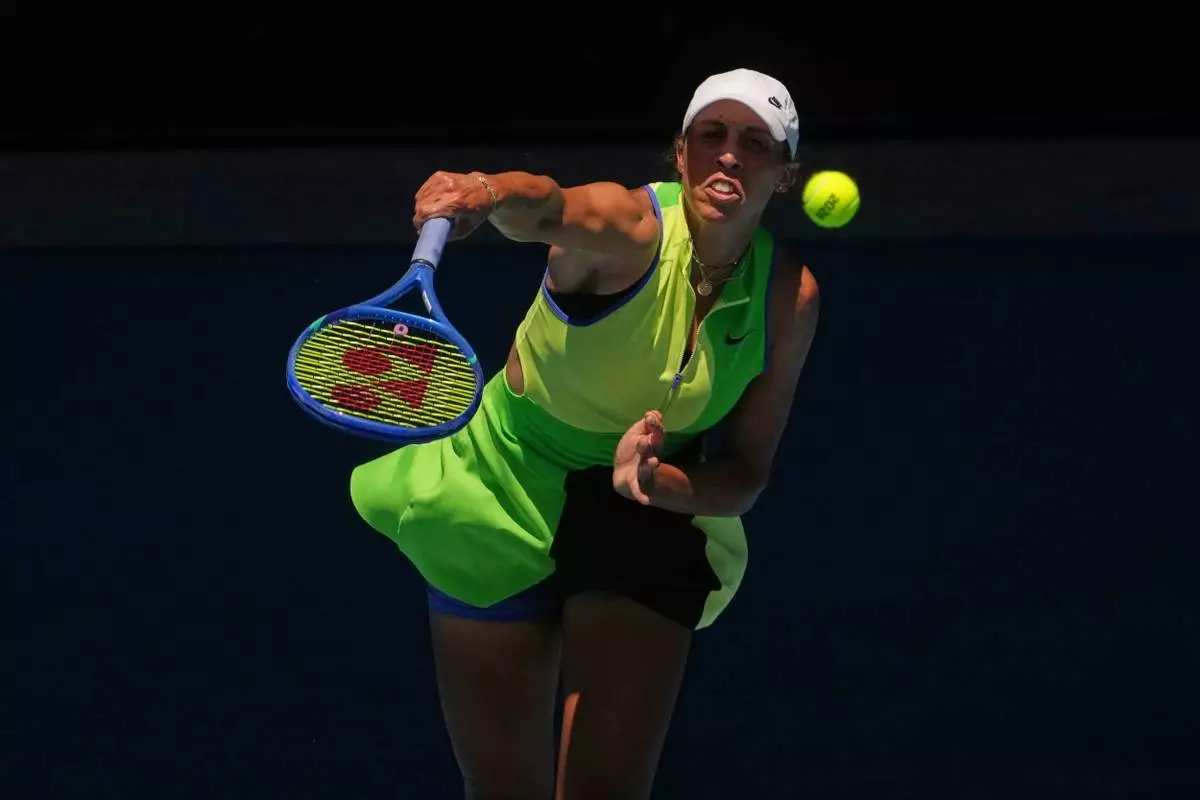
Madison Keys of the U.S. serves to Oleksandra Oliynykova of Ukraine during their first round match at the Australian Open tennis championship in Melbourne, Australia, Tuesday, Jan. 20, 2026. (AP Photo/Asanka Brendon Ratnayake)
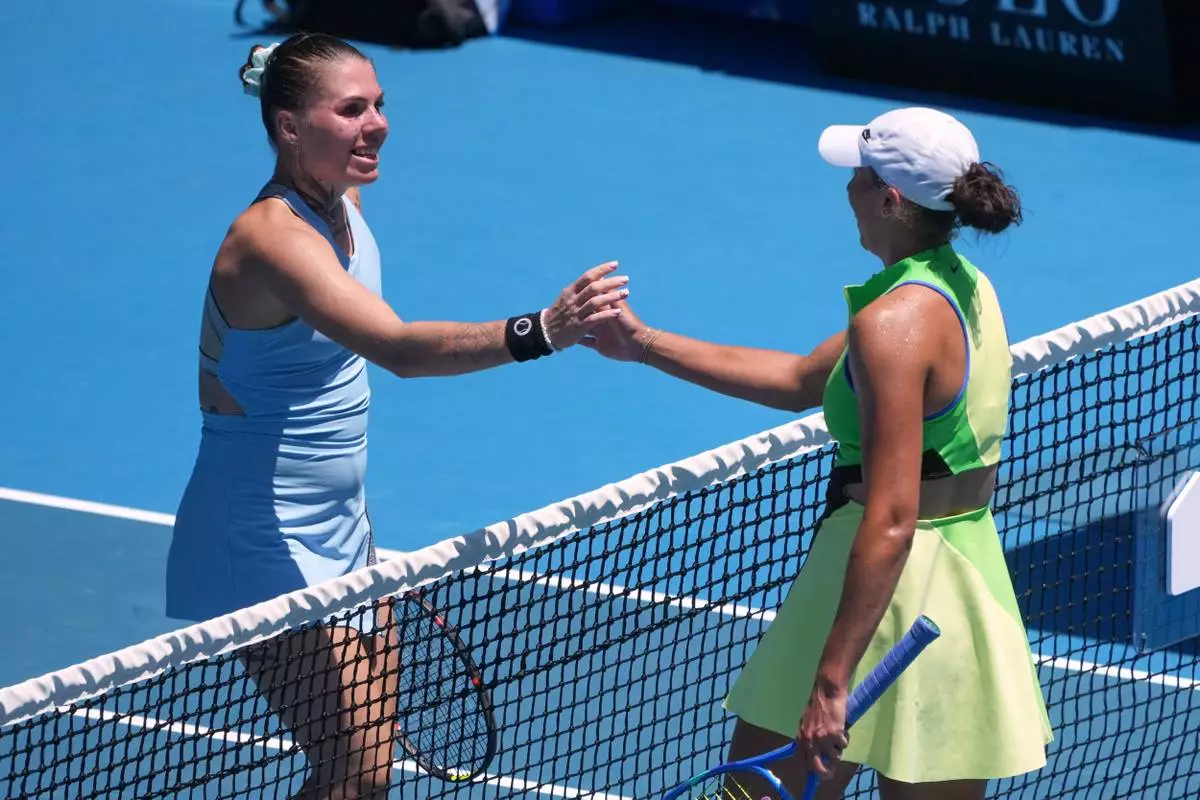
Madison Keys, right, of the U.S. is congratulated by Oleksandra Oliynykova of Ukraine following their first round match at the Australian Open tennis championship in Melbourne, Australia, Tuesday, Jan. 20, 2026. (AP Photo/Asanka Brendon Ratnayake)
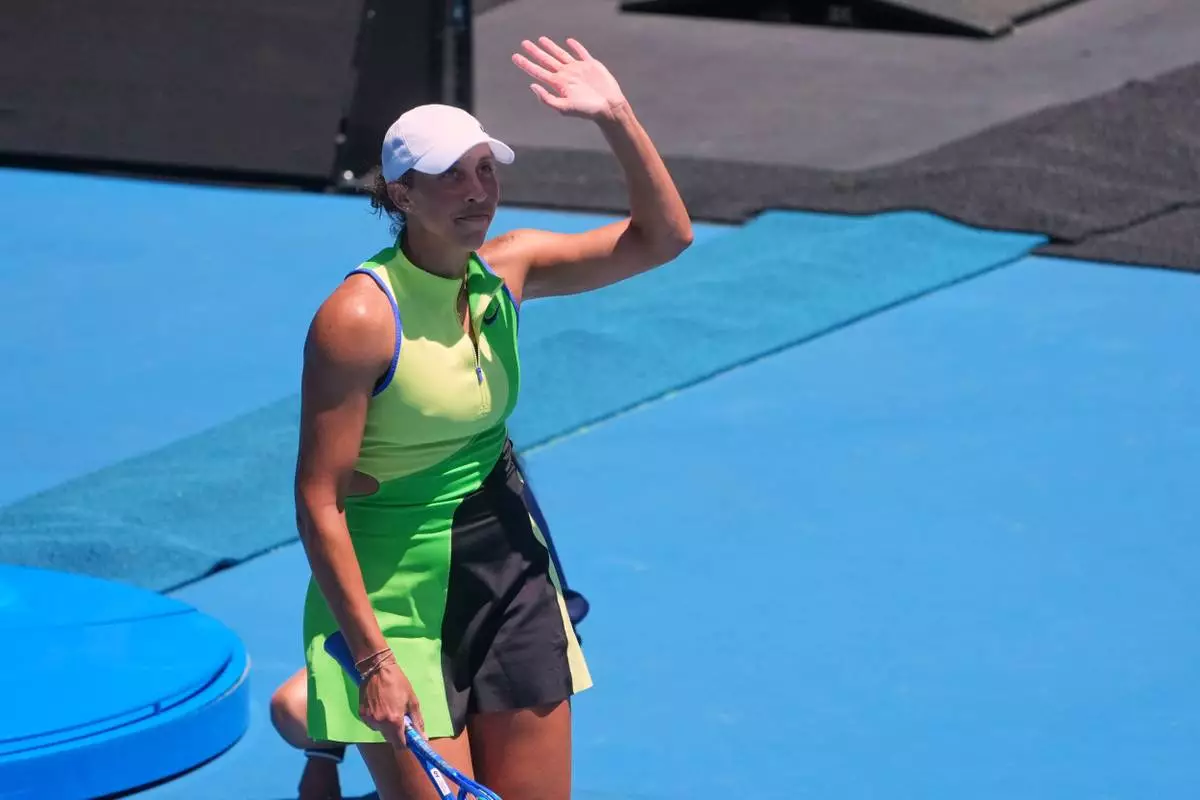
Madison Keys of the U.S. waves after defeating Oleksandra Oliynykova of Ukraine during their first round match at the Australian Open tennis championship in Melbourne, Australia, Tuesday, Jan. 20, 2026. (AP Photo/Asanka Brendon Ratnayake)