LCQ 13: Promoting application of gerontechnology
Following is a question by the Hon Tang Ka-piu and a written reply by the Secretary for Labour and Welfare, Mr Chris Sun, in the Legislative Council today (January 21):
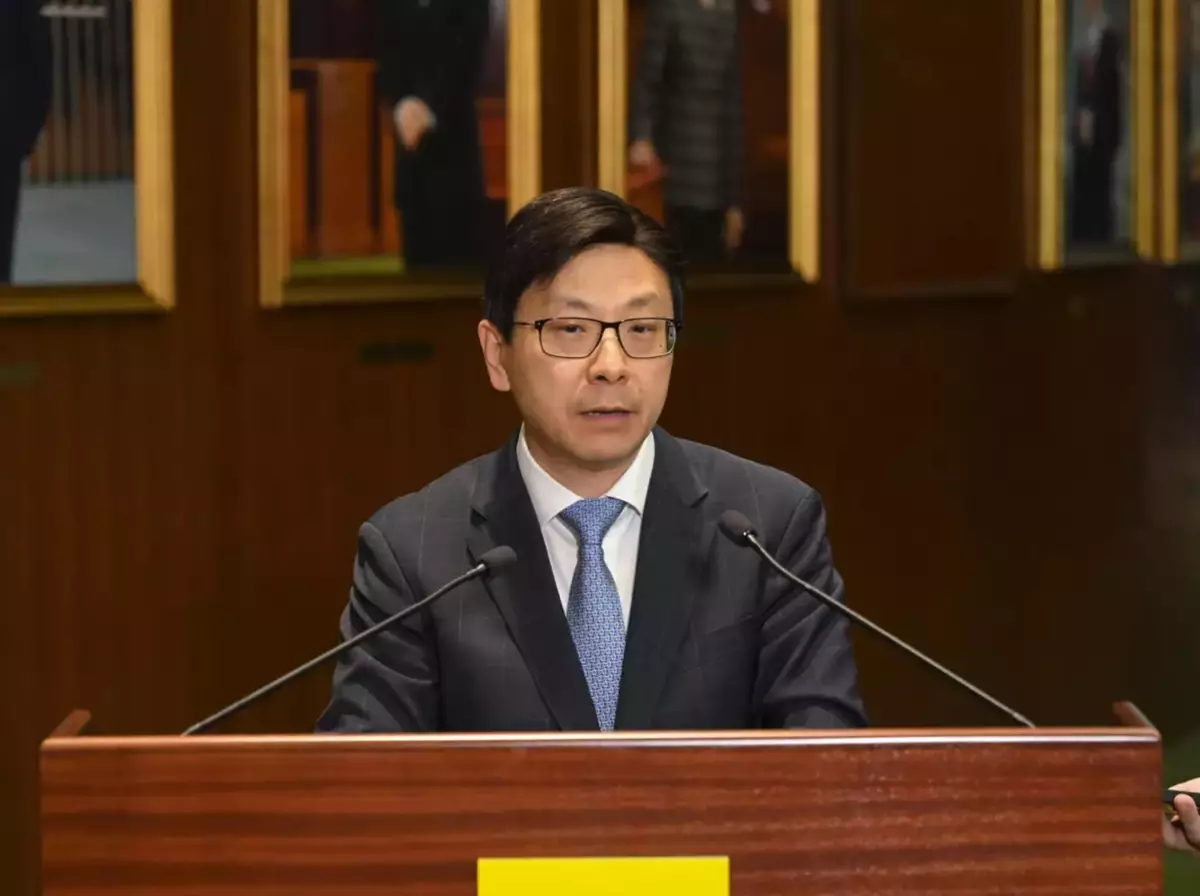
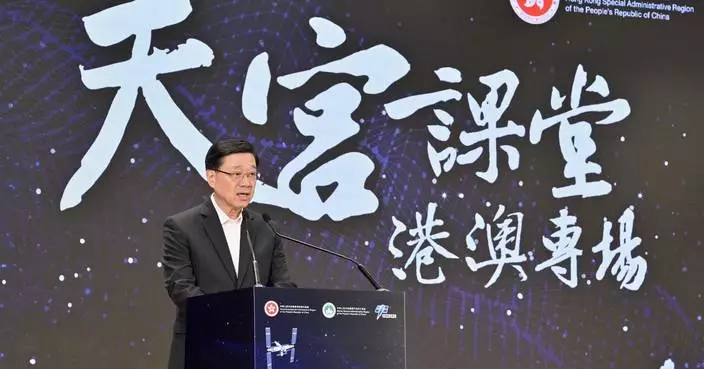
Mr Chris Sun, Photo source: HKSAR Government Press Releases
Question:
It is learnt that there has been continued concern in Hong Kong society about families of elderly doubletons featuring "the elderly taking care of the elderly" as well as families with "persons with disabilities taking care of elderly persons" and families with "elderly persons taking care of persons with disabilities". The Chief Executive mentioned in the 2025 Policy Address that an intelligent accident detection system (detection system) would be installed for 300 high-risk households to detect dangerous situations involving high-risk elderly persons in a timely manner. In addition, it has been reported that some organisations have collaborated with enterprises in the community to install gerontechnology products for elderly households. In this connection, will the Government inform this Council:
(1) whether it has set a timetable for installing the detection system for those high-risk households; if so, of the details; if not, the reasons for that;
(2) of the number of households currently applying for the Housing Department's Grant for Emergency Alarm System (EAS Grant), with a breakdown by the number of elderly tenants in the relevant units, their districts of residence and age groups (each covering five years);
(3) given that in the reply to a question raised by a Member of this Council on the Estimates of Expenditure for the financial year 2025-2026, the Government indicated that the number of recipients of the Comprehensive Social Security Assistance Scheme receiving the EAS Grant had gradually decreased from the 2020-2021 financial year to the 2024-2025 financial year, whether the Government has studied the reasons for the decrease in the number of recipients;
(4) whether it has conducted performance assessments of organisations currently providing EAS (commonly known as "ping on bell") service; if so, of the standard of service provided by various organisations; if not, whether the Government will consider conducting such assessments of those organisations;
(5) of the number of households that have installed the Door Sensor Installation for Elderly Households (the sensor system) to date, with a breakdown by the number of elderly tenants in the relevant units and their districts of residence;
(6) whether the Hong Kong Housing Authority (HA) may receive the alerts issued by the sensor system simultaneously; if so, of the number of alerts issued by the sensor system to date, with a breakdown by the reasons for issuing alerts; if not, whether the Government will consider allowing HA to receive the relevant alerts simultaneously in the future;
(7) whether it has compiled statistics on the number of cases where elderly persons were found dead at home in the past five years, with a tabulated breakdown by their districts of residence, whether "ping on bell" was installed and the level of impairment under the Standardized Care Need Assessment Mechanism for Elderly Services; and
(8) apart from the detection system and the sensor system, whether the Government has considered further providing other practical gerontechnology products for elderly persons directly for free; if so, whether it has estimated the additional funding required; if not, the reasons for that?
Reply:
President,
The Government strives to strengthen support for carers and promote the application of gerontechnology through various measures, including providing carers' allowance to carers from low-income families, enhancing respite services, as well as establishing a dedicated fund to foster the use of gerontechnology to serve the needy. The Labour and Welfare Bureau (LWB), after consulting the Housing Bureau, the Hong Kong Housing Authority (HKHA) and the Hong Kong Housing Society (HKHS), gives the following consolidated reply to the eight parts of the question:
(1)and (8)Carers play an important role in supporting elderly persons and persons with disabilities living in the community. The LWB is committed to supporting carers of elderly persons and persons with disabilities, with a view to alleviating their physical and mental stress, and at the same time providing care recipients with more comprehensive care. As part of the bigger effort to strengthen support for carers, the LWB is, in accordance with the 2025 Policy Address, planning to launch a pilot scheme to install intelligent accident detection systems for 300 high-risk carer households.
The LWB hopes to achieve in this pilot scheme, through the application of technology, immediate detection, timely intervention, and prompt assistance whenever home accidents befall carers and/or their care recipients. The LWB is actively undertaking preparatory work and expects to announce the detailed arrangements in the first quarter of 2026 at the earliest, followed by installation of systems for relevant households. We aim to complete such installation for no fewer than 300 households by or before the third quarter of 2026.
In addition, the Government set up the $1 billion Innovation and Technology Fund for Application in Elderly and Rehabilitation Care (the Fund) in December 2018 to subsidise eligible elderly and rehabilitation service units to procure, rent or trial technology products, so as to improve the quality of life of service users and reduce the burden and pressure of care staff and carers. In 2024-25, the Government injected additional $1 billion into the Fund and expanded its scope to cover technology products suitable for household use. As at December 2025, the Fund had allocated a total of about $910 million, subsidising about 2 100 elderly and rehabilitation service units to procure or rent over 27 000 technology products.
The Social Welfare Department (SWD) expanded the scope of the Community Care Service Voucher Scheme for the Elderly in September 2023 to cover rental of assistive technology products, thus further catalysing the use of gerontechnology in community care services for elderly persons.
As for the public rental housing (PRH) estates, apart from the Internet of Things (IoT) Door Sensor Installation for Elderly Households (the Scheme), the HD is actively exploring the use of new technologies in promoting elderly-friendly living. For instance, the HD has piloted the installation of smart fall-detection systems in some accessible toilets of some PRH estates to detect incidents such as falls, fainting, prolonged inactivity, etc. The HKHA has also collaborated with the Hong Kong Police Force to promote the Project PINPOINT which encourages the use of location devices for high-risk elderly individuals so as to prevent the elderly from missing and alleviating the stress of their carers and families. The HD will continue exploring the feasibility of implementing other gerontechnologies with other government departments and social welfare organisations with a view to benefiting more elderly residents. The HKHA and the HKHS will also continue looking into the application of more smart solutions in their rental estates, such as exploring the use of robots to assist in carrying heavy items to strengthen support for elderly residents.
(2) to (4)The HKHA provides eligible elderly households who do not receive Comprehensive Social Security Assistance (CSSA) with subsidies to instal Emergency Alarm Systems (EAS) (also known as "Safety Bell"), so that the elderly in need are able to seek prompt assistance in case of emergency. The HKHA has extended the scope of the EAS subsidy to cover not only traditional EAS but also mobile EAS, such as mobile phones and watches equipped with EAS as well as products with fall detection function. Elderly households may purchase the said devices on their own. Successful applicants will be given a one-off subsidy of not more than $2,500 to cover the actual expenses. As at end November 2025, the HKHA had approved over 26 000 applications. The HKHA does not keep the breakdown of the age profile or the districts of the applicants.
On the other hand, for elderly CSSA recipients aged 65 or above, if they are single or living in a family with other family members who cannot take care of him/her, may apply for a special grant from the SWD to cover the fees for installing and using indoor or mobile EAS. CSSA recipients aged 60 to 64 may also apply for the same special grant from the SWD if they are single or living in a family with other family members who cannot take care of him/her and certified to be more than 50 per cent disabled or suffering from such medical conditions which, in the opinion of a doctor of a public hospital or clinic, may develop into life threatening conditions and require immediate attention.
From 2020-21 to 2024-25, the number of CSSA recipients receiving the grant for EAS dropped from 32 745 to 25 543, alongside the decrease in the number of CSSA elderly cases from 128 863 to 110 846. The CSSA recipients decide on whether to apply for the grant for EAS based on their individual circumstances with varying reasons. Staff at Social Security Field Units of SWD will provide eligible CSSA recipients with information on the relevant grant and facilitate their applications. Apart from the grant provided under CSSA, various organisations in society also offer CSSA recipients similar EAS assistance.
The SWD has not designated any service providers with regards the grant for EAS provided under the CSSA Scheme. CSSA recipients in need are free to purchase suitable EAS according to their needs. Separately, under the District Services and Community Care Teams - Pilot Scheme on Supporting Elderly and Carers, the Government subsidises eligible elderly persons and persons with disabilities referred by the Care Teams to install and use the emergency alarm services. Such services are provided by the designated service providers engaged by the SWD through established procurement procedures. The SWD monitors the provision of the services in accordance with the service contracts, as well as reviews and enhances the services as appropriate.
(5) to (7)The HKHA always upholds the values of "caring" and keeps pace with the times to actively explore measures that facilitate elderly persons and address various needs of elderly residents through the application of innovative technologies. In April 2025, the HKHA launched the Pilot Scheme of the IoT Door Sensor Installation for Elderly Households in Wan Hon Estate in Kwun Tong and Sheung Lok Estate in Ho Man Tin. The elderly households who voluntarily participated in the Scheme were equipped with the system which allows designated relatives or friends to keep track of the movement of the elderly concerned in and out of their flats and to provide timely support when needed. The HKHA may also conduct regular statistical analysis through its back-end systems. The Scheme concerned is still being run on a trial basis, with voluntary participation by a total of 55 elderly singleton households. As at end December 2025, four alerts were issued regarding prolonged periods of door inactivity. The said alerts did not involve any accidents, and were triggered by households' extended trips or hospitalisation without deactivating the sensors.
Subject to residents' participation and the availability of resources, the HD will identify suitable estates for expansion of the Pilot Scheme along with simultaneous receipt of door-opening/closing notifications. The HD will actively explore the feasibility of implementing other similar schemes in collaboration with other government departments and social welfare organisations, with a view to benefiting more elderly households in other PRH estates.
In the past 5 years (i.e. from 2021 to November 2025), the number of natural death cases recorded in PRH units under the HD is set out in the table below. HD does not maintain statistical breakdowns by age, district, or whether the concerned individuals had EAS installed.
Year
Number of cases of death recorded at home
2021
Around 500
2022
Around 800
2023
Around 700
2024
Around 600
2025
(January to November)
Around 500
Over the same period, the number of death cases recorded at home in rental estates under HKHS is set out in the table below.
Year
Number of cases of death recorded at home
(Number of cases with EAS installed)
2021
12 4
2022
24 4
2023
32 1
2024
26 2
2025
(January to November)
19 5
The SWD does not maintain statistics on the levels of frailty of the relevant cases as assessed under the Standardised Care Need Assessment Mechanism for Elderly Services.
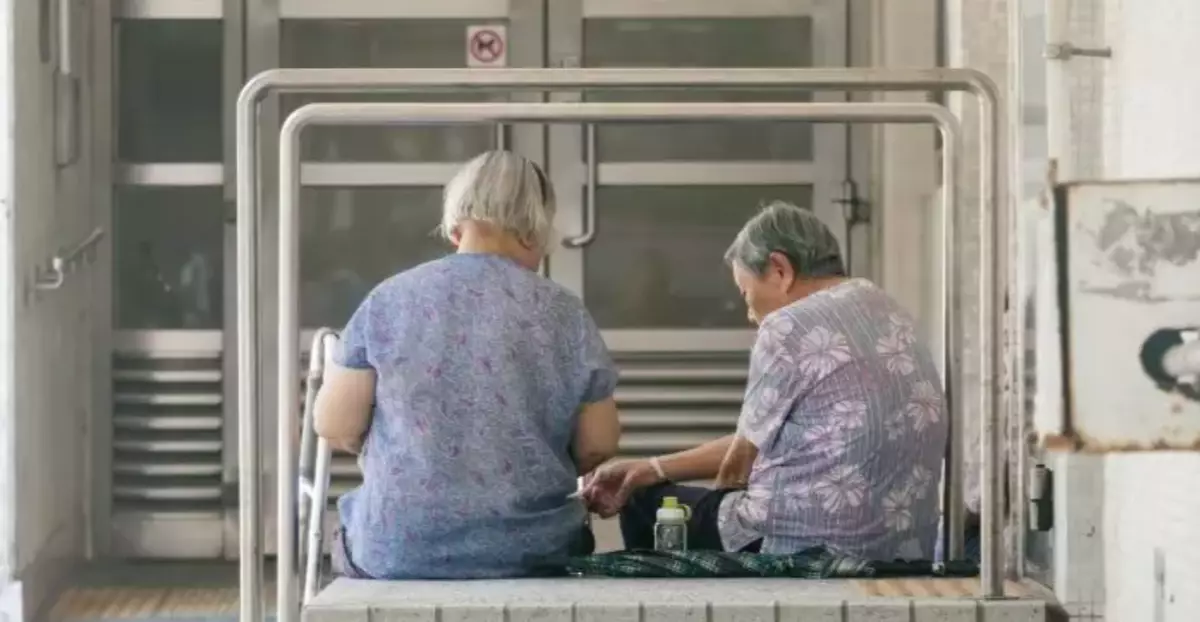
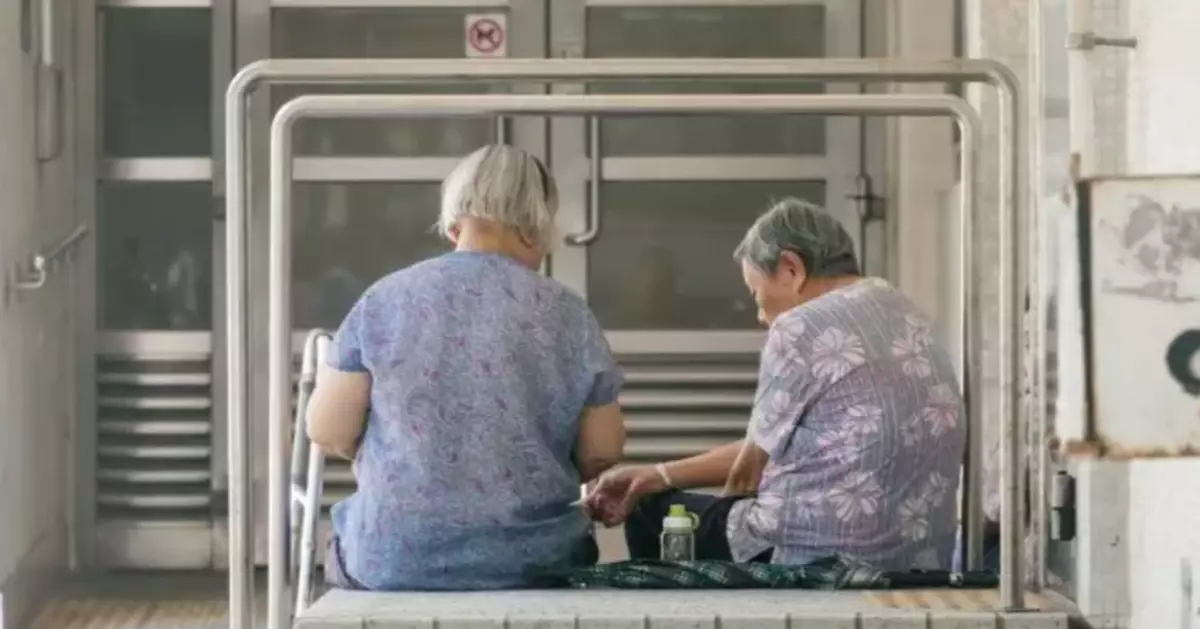
Photo source: reference image