Skip to Content Facebook Feature Image

Rising geopolitical tensions trigger global shift away from US assets

China

China

China

Rising geopolitical tensions trigger global shift away from US assets

2026-01-21 15:56 Last Updated At:16:17

Growing geopolitical strains, particularly over U.S. statements concerning Greenland, have prompted global investors to reduce exposure to U.S. financial markets, fueling concerns over a broader "capital war" and sustained volatility in U.S. assets.

On Tuesday, the U.S. dollar index, which measures the greenback against six major peers, fell 0.41 percent to close at 98.642 in late trading at 20:00 GMT. Meanwhile, the yield on the 30-year Treasury note climbed above 4.90 percent in the trading session, as safe-haven demand drove capital toward alternatives such as gold and silver.

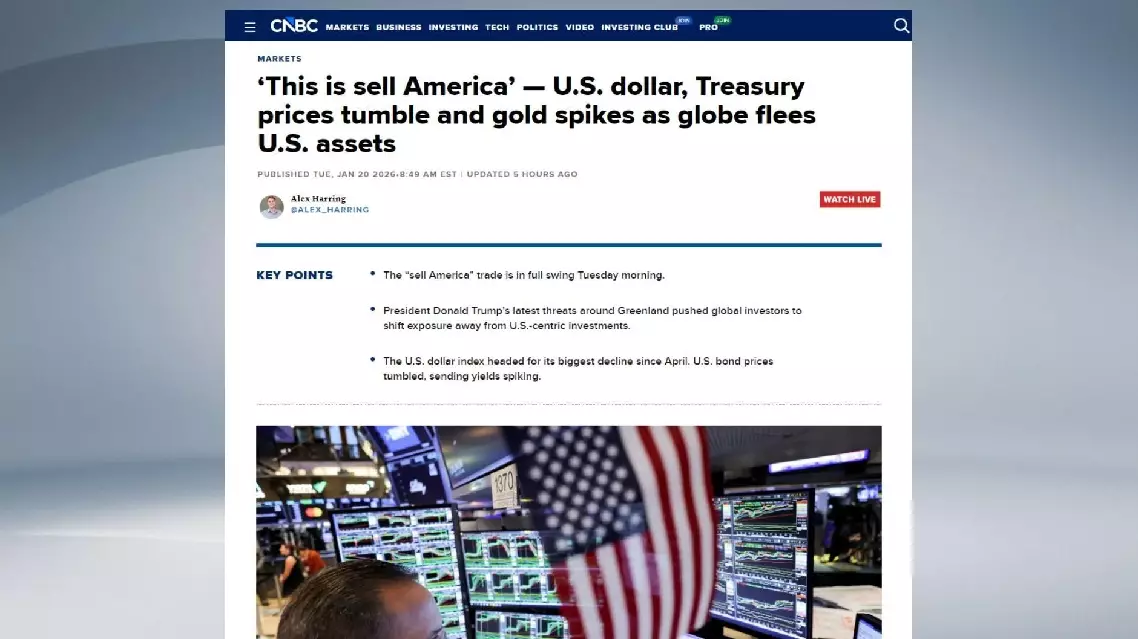
U.S. Consumer News and Business Channel (CNBC) reported that investors worldwide are selling American assets to hedge against heightened political risks.

Analysts warn that the sell-off reflects deepening doubts over the reliability of the United States as a trading partner.

The report also noted that the European governments may consider offloading U.S. holdings in response to recent threats from the U.S. President Donald Trump's administration targeting Greenland.

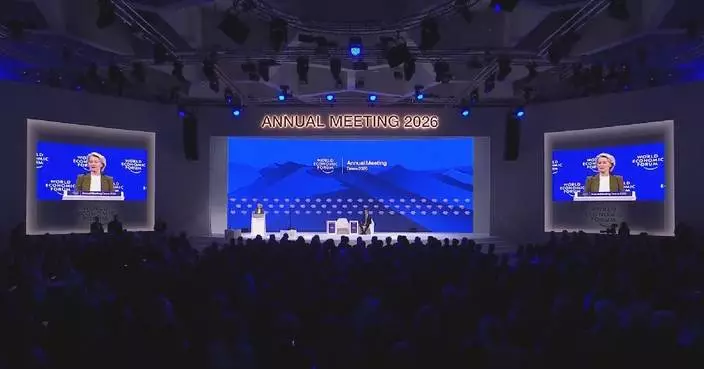
Ray Dalio, founder of Bridgewater Associates, said on Tuesday in Davos, Switzerland that the U.S. interest in Greenland could trigger a retreat from American assets by foreign governments and investors, describing the dynamic as "capital warfare." He also cautioned that mounting trade friction and rising fiscal deficits may further weaken confidence in U.S. debt, accelerating a shift into assets like gold.

Recent U.S. statements regarding Greenland, including suggestions of potential military actions and threats to impose tariffs on European nations that oppose U.S. claims, have sparked discussions in Europe about retaliatory measures, including large-scale disposals of U.S. assets.

The Deutsche Bank has previously raised the prospect of "weaponizing capital," warning that regulatory tightening, tax investigations, or restrictions on profit repatriation targeting U.S. firms could significantly impact American businesses.

Data from the U.S. Treasury Department shows that entities within the European Union hold over 10 trillion U.S. dollars in U.S. assets, with Britain and Norway holding additional substantial sums.

Meanwhile, Bloomberg noted on Monday that any move by Europe to deploy its holdings of U.S. assets as a strategic tool would signal an escalation of transatlantic tensions into the financial sphere, with direct repercussions for global capital markets.

The shift underscores mounting risks to the long-term appeal of U.S. credit and the stability of the dollar-dominated financial system.
Rising geopolitical tensions trigger global shift away from US assets

Rising geopolitical tensions trigger global shift away from US assets

As global uncertainties weighed on growth, China stood out in 2025 with strong resilience, contributing most to the world economy, said distinguished figures at the 2026 World Economic Forum (WEF) gathering in Davos, Switzerland.

China's gross domestic product (GDP) expanded by 5 percent year on year in 2025, hitting a record 140.19 trillion yuan (about 20 trillion U.S. dollars) and achieving the annual growth target, official data showed Monday.

The Chinese economy during the 14th Five-Year Plan period (2021-25) was marked by four consecutive leaps, surpassing 110, 120, 130, and 140 trillion yuan, despite multiple unexpected shocks.

For many years, China has contributed roughly 30 percent of global economic growth, cementing its role as an indispensable "ballast" for the world economy.

Forum participants observed that maintaining rapid growth is difficult for an economy of China's size. They emphasized that China’s robust economic results helped stabilize global confidence amid geopolitical challenges and trade frictions.

"China has been an important engine of growth over the past at least two decades, if not more. And so this is a very important of course data point that China is growing at this pace in this economic environment and obviously contributing to the picture that the IMF put out that we seem to have more resiliency in the world economy than maybe many predicted," said Mirek Dusek, managing director of the WEF.

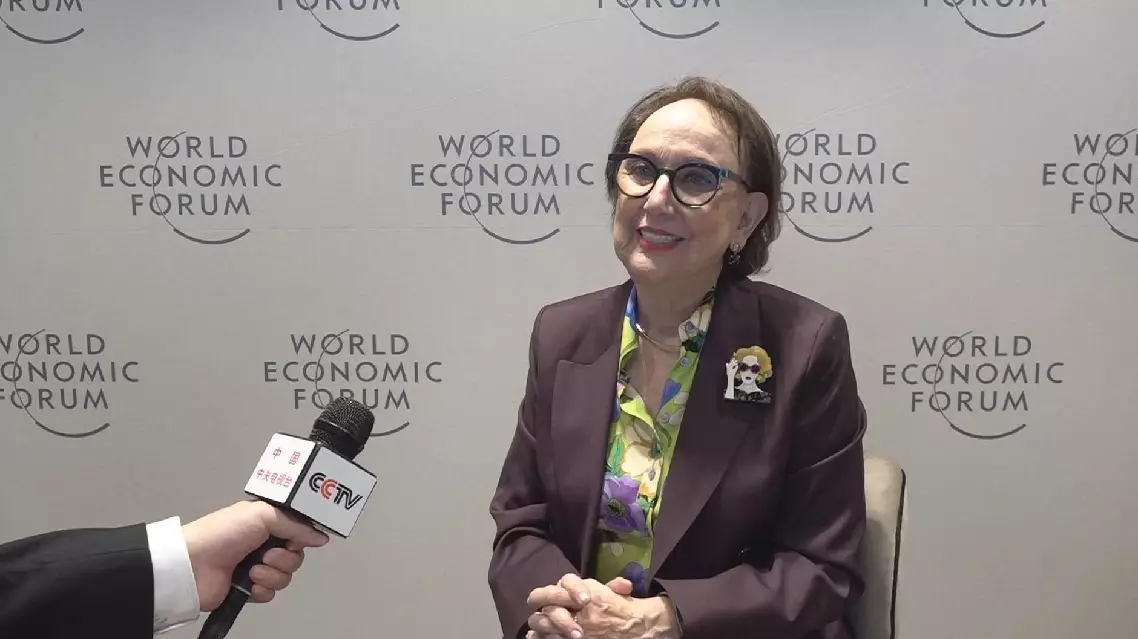
"In 2025, despite the tariffs and all what has happened in trade and you have grown 5 percent that is more or less what was the target. It's important to understand is that China needs to grow between 4.5 and 5 percent and that will make the world economy also more stable because you are so important to the world economy, so it is something to be celebrated," said Rebecca Greenspan, secretary-general of the United Nations Conference on Trade and Development.

Under the theme "A Spirit of Dialogue," the five-day WEF event opened Monday, drawing nearly 3,000 leaders and experts worldwide to discuss five pressing global challenges, including enhancing cooperation, unlocking new sources of growth and deploying innovation at scale and responsibly.

Davos participants hail China’s strong 2025 growth despite global headwinds

Davos participants hail China’s strong 2025 growth despite global headwinds

Recommended Articles