Russia said on Tuesday that its armed forces had struck numerous Ukrainian military-industrial enterprises, while Ukraine reported strikes against multiple Russian military targets.
The Russian Ministry of Defense said in its latest report its forces carried out large-scale strikes in the early hours of Tuesday in response to Ukrainian attacks on civilian infrastructure within Russia.
Using land-based and air-launched long-range high-precision weapons as well as attack drones, Russian troops targeted Ukrainian military-industrial enterprises, as well as energy and transport infrastructure facilities supporting the Ukrainian Armed Forces, ammunition depots, and workshops producing long-range unmanned aerial vehicles. All designated targets had been hit, the ministry said.
Meanwhile, the General Staff of the Armed Forces of Ukraine said on Tuesday that the Ukrainian air force, missile troops, and artillery units conducted a series of strikes against Russian military personnel and equipment, command posts, and artillery systems.
It noted that Ukrainian forces had also launched multiple assaults against Russian troops in the directions of Kupiansk in the Kharkiv Oblast and Lyman in Donetsk, and repelled 44 Russian assaults in the direction of Pokrovsk, another city in the Donetsk region.
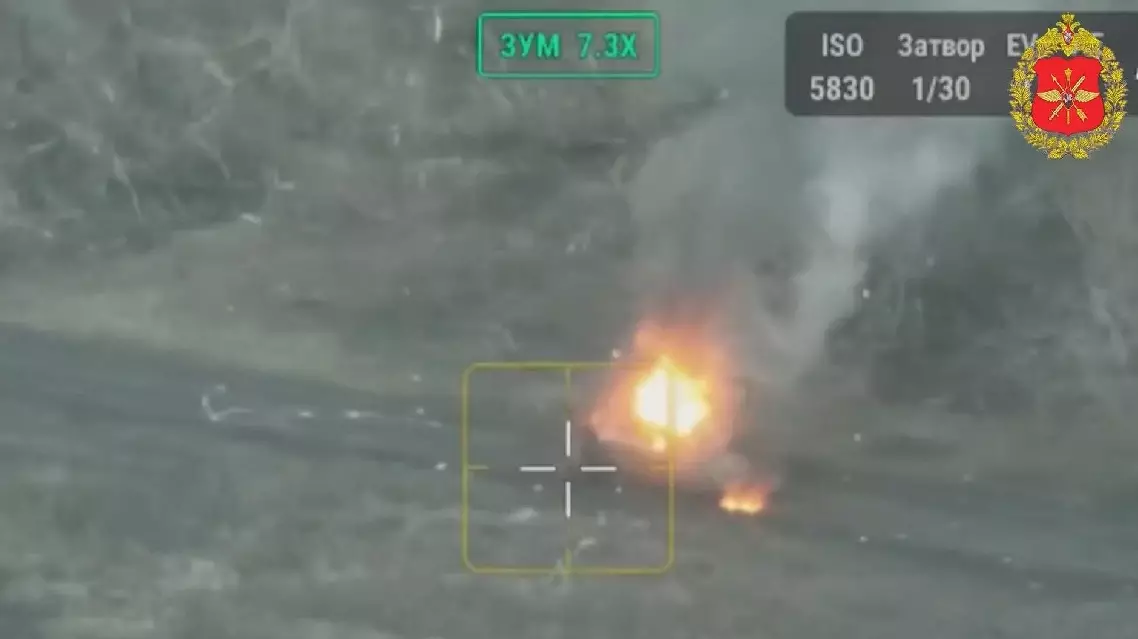
Russia reports strikes on Ukrainian military-industrial enterprises, Ukraine hits Russian military targets
China has made full preparations for the upcoming autumn grain procurement as the summer procurement approaches its end, according to the National Food and Strategic Reserves Administration.
For now, the country's total amount of wheat procurement has exceeded 100 million tons.
To protect grain farmers' interests, the government has promptly activated the minimum purchase price program for wheat. Sinograin has opened 164 purchasing sites across two major producing provinces of Henan and Anhui, offering to buy wheat at prices supported by the policy without any volume cap.
"The payment for my grain came through quickly today, and I feel much more at ease now that the minimum purchase price policy has been put into effect," said Hou Erwei, a local farmer.
As the autumn grain crop gradually ripens across the coutry, the autumn grain purchasing season is about to begin, expected to run from late September through the end of April next year.
The Autumn season accounts for approximately three-quarters of the country’s total annual grain purchases, making it the most significant grain procurement and storage period of the year.
This year, grain dryers and smart grain-handling equipment have been included into subsidy, helping ensure that the autumn harvest can be purchased, stored, and transported smoothly.
"At present, grain storage capacity, purchasing funds, personnel, equipment, and other resources are all in place. It is expected that grain purchases during this year's peak autumn harvest season will reach approximately 350 million tons. We will strengthen market monitoring and information dissemination, as well as make effective use of the drying and other services provided by post-harvest grain service centers to help farmers reduce losses and increase their incomes," said Luo Shouquan, director of Grain Reserves Department, National Food and Strategic Reserves Administration.

China ready for autumn grain procurement as summer purchase draws to close