UK Foreign Secretary Yvette Cooper’s visit to China spotlights Shenzhen as a technology hub, with 48 Group Chairman Jack Perry Junior stressing its importance for global innovation and opportunities for British businesses.
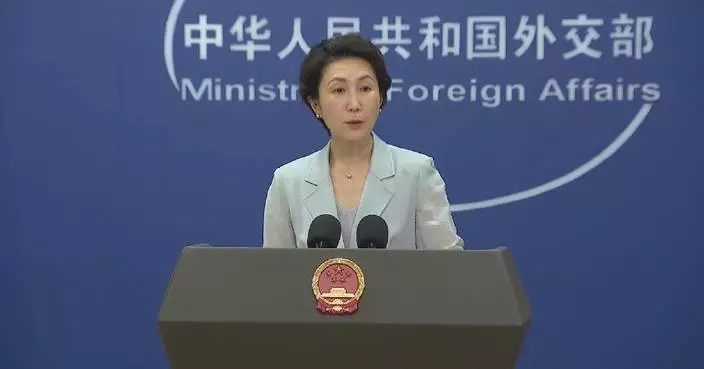
At the invitation of the Minister of Foreign Affairs Wang Yi, UK Foreign Secretary Yvette Cooper is paying a visit to China from June 1 to 3.
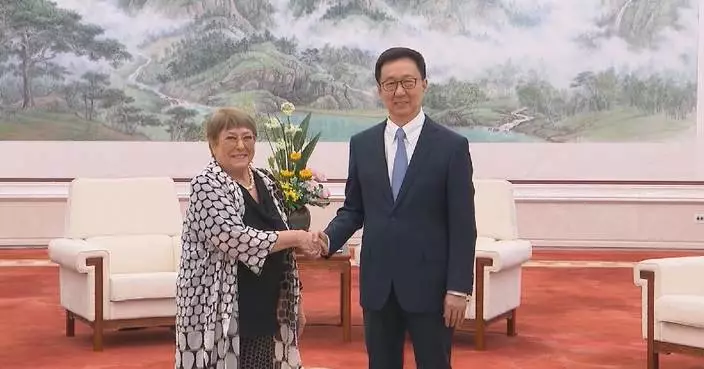
Wang and Cooper held the 11th China-UK Strategic Dialogue in Beijing on Monday. Meanwhile, a key part of Cooper's visit is Shenzhen City in south China's Guangdong Province, which is one of China's leading sci-tech innovation hub.
In an exclusive interview with the China Global Television Network (CGTN), Perry described Shenzhen as the "Silicon Valley of the East," pointing to its thriving ecosystem of robotics, artificial intelligence (AI), and world-leading companies.
He said that tech giants such as Huawei and BYD are headquartered in the city not by coincidence, but because of the supportive environment for innovation.
"When it comes to technology, Shenzhen is definitely one of the leaders in that area. I think you've seen Guangdong be a leader in innovation ever since 1978, and I think they're doing it again, and they're leading the way with technology. Some of the biggest companies, like Huawei, BYD, all headquartered there. That's not just by circumstance. There's a reason for it. I think you've got to really understand China and go there and spend some time to see what they're doing in innovation and technology. The States said that China were a year and a half behind in AI a year and a half ago. I would say they're about a year ahead of America right now in AI. I think a lot of people will disagree with that, but it is exactly what it is. When you go there and you spend time with the companies, you understand what they're doing, the innovation that is happening there," said Perry.
As the chairman of the London-based 48 Group, which has been promoting trade between China and the West since the 1950s, Perry stressed that British businesses cannot afford to stand on the sideline.
"I spend time to understand China to see what the possibilities and opportunities are, and then we bring British businesses to take advantage of that, to work with the Chinese in that, to give opportunities to UK businesses. If you don't look at China and say, we want to do business with China, well, you're saying we're not into supply chains, we're not into logistics, and we're not into trade. It's as simple as that. Trade in technology is just what it's going to be now. I mean, you look at the robotics, you look at hardware, software, data governance, and I think that's a huge issue that we should probably spend two hours on. Data governance and the security within it needs to be dialogue that needs to happen between all countries, and isolating China in that just doesn't help anyone, because they're one of the biggest leaders in it," said Perry.
Perry urged European countries to ensure they remain included in China's growth story. "We can do that through technology in places like Shenzhen," he said.
In 1954, Jack Perry Junior's grandfather Jack Perry Senior, founder of the London Export Corporation, led a group of 48 British businessmen on a historic trade mission to Beijing and helped deliver one of the first modern-day trade links with China, effectively breaking the U.S.-led Western embargo on the newly founded Asian country. The 48 men were precursors of the 48 Group Club. The trip became known as the "Icebreaking Mission," and the club members were called "icebreakers."
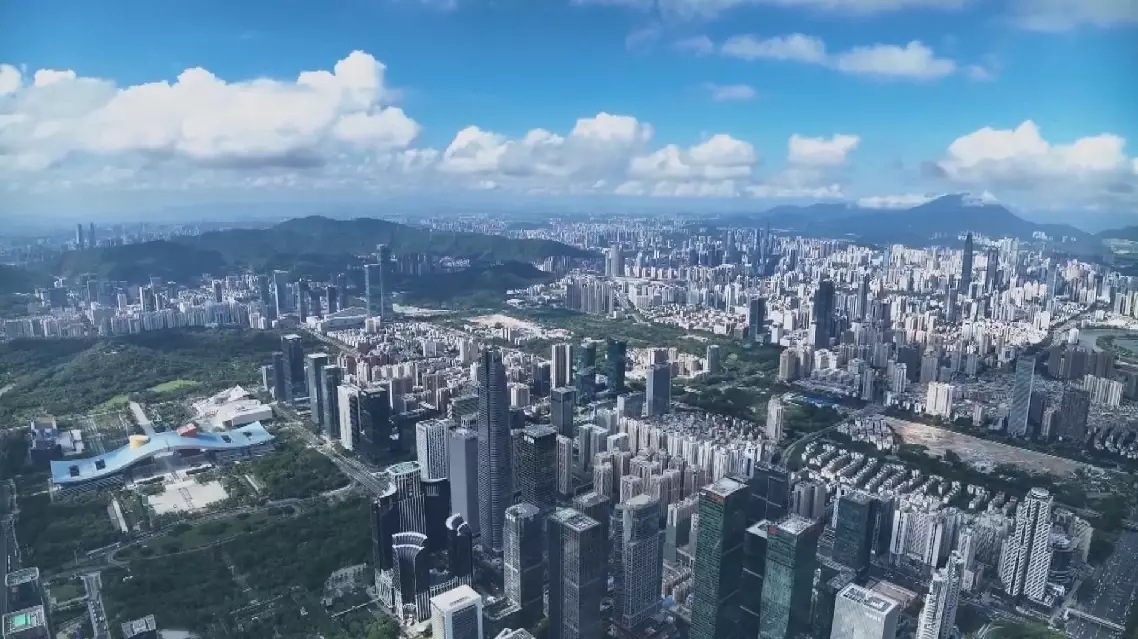
British business leader highlights Shenzhen’s role in global sci‑tech innovation