A control dispute between the Netherlands-based chipmaker Nexperia and its Chinese parent company Wingtech has left broader implications for global investment and supply chain rationalization, said a legal expert.
Dutch authorities have assumed temporary control of Nexperia, sparking a significant legal dispute within Europe's technology sector.
The case raises fundamental questions about evidence of mismanagement, the proportionality of state intervention, and the lawful oversight of the company during ongoing litigation.
Speaking to China Global Television Network (CGTN), Lin Huawei, founding partner of Chinese law firm Kingland Partners, outlined the core legal arguments that Wingtech is currently presenting to the court in its defense.
According to Lin, Wingtech has put forward three key legal arguments in its defense. The company firmly denies allegations of serious mismanagement. It maintained that the company's business has been running normally as part of a commercial semiconductor firm, arguing that internal disputes shouldn't automatically be treated as a corporate governance crisis.
Furthermore, the company challenges the sequence of government and court actions, noting what happened in this case was shareholder control being restricted first, followed by an investigation, Lin said.
Finally, the company contests the scope and justification of the state's intervention. While Dutch authorities cite an emergency economic security tool to protect national interests, Wingtech argues that even if the state had that power, any such measure must still be necessary, proportionate, and narrowly tailored in its application, he said.
Beyond the immediate case, Lin said the dispute could have wider implications on global investment and supply-chain.
"There are three implications. First, it could affect the Sino-Dutch and broader Sino-EU investment. If investors think a completed acquisition can later on face heavy restrictions through economic security tools, especially based on mismanagement or the so-called corporate governance allegations, the risk exposure apparently rises and it's harder to do deals to make investment in sensitive sectors and industries. The second implication is it means that a dangerous precedent for stronger post-closing government intervention. If the result effectively normalizes 'intervention first, investigate later', then other governments of other countries or regions may be encouraged to do the same, to follow the same [path]. Finally, it accelerates supply chain regionalization. This means more backup suppliers, more buffers, more local alternatives. This raises cost and lowers efficiency," Lin said.
Lin also shared lessons from this incident for Chinese companies investing abroad, particularly in sensitive sectors.
"The biggest lesson for Chinese companies is [that] compliance is necessary, but not sufficient. In sensitive sectors, you should treat economic security as [a] top priority. In semiconductors, data, telecom, energy and critical infrastructure, the risk is not only [whether] can we close that deal, but also can we operate the company and the business normally after the closing. Another lesson is we should build audit-ready corporate governance. You need very clear, for example, board meeting procedures, very strict related-party transaction control measures or very clear conflict-of-interest rules and well-established rules for sensitive intellectual property and data. Another lesson is we should prepare the legal toolbox before closing. Think through all the available mechanisms. The final lesson is operational resilience is really important," he said.
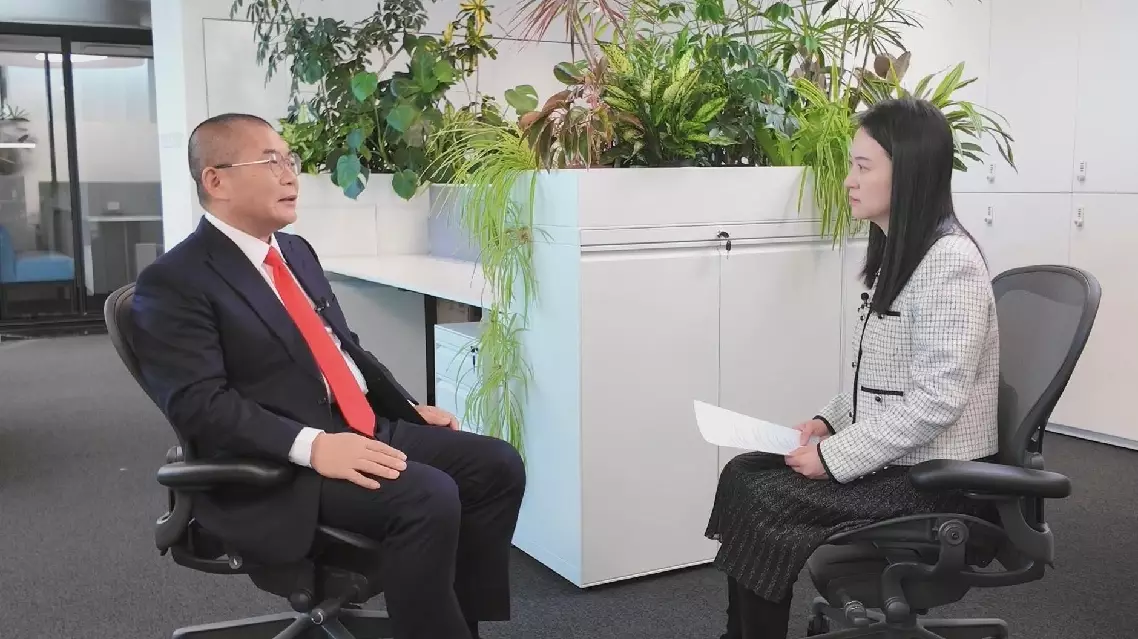
Legal expert shares insights on implications of Wingtech-Nexperia control dispute