Skip to Content Facebook Feature Image

Catholicism shrinks in Latin America while more are religiously unaffiliated, Pew surveys find

News

Catholicism shrinks in Latin America while more are religiously unaffiliated, Pew surveys find
News

News

Catholicism shrinks in Latin America while more are religiously unaffiliated, Pew surveys find

2026-01-21 23:10 Last Updated At:23:31

Catholicism in Latin American countries has shrunk over the last decade, while a growing percentage of adults identify as religiously unaffiliated, describing themselves as atheist, agnostic or “nothing in particular.”

Those are among the key findings in a report released Wednesday by the Pew Research Center based on surveys conducted in early 2024 of adults in six of the region's most populous countries: Argentina, Brazil, Chile, Colombia, Mexico and Peru.

“Our analysis found that the Catholic share of the population in Argentina, Brazil, Chile, Colombia, Mexico and Peru — which collectively make up about 75% of Latin America’s population — has significantly declined since 2013-14, while a growing share of adults in the region are religiously unaffiliated,” said Kirsten Lesage, a Pew research associate and the lead author of the report.

Most Latin Americans are Christian, and Catholicism remains the dominant religion. But the exodus from the church continues in a region that was once a stronghold for the Catholic faith and has close ties to Pope Leo XIV, who served for decades in Peru before being elected in 2025, and his Argentina-born predecessor, Pope Francis.

The survey found that Catholics make up 46% to 67% of the adult population in these six countries, and the percent who are religiously unaffiliated ranges from 12% to 33%.

But the share of Catholics has declined in each country over the past decade by at least 9 percentage points. Meanwhile the percent of adults who are unaffiliated rose by 7 percentage points or more, the survey found.

“In fact, there are now more religiously unaffiliated adults than Protestants in Argentina, Chile, Colombia and Mexico,” Lesage said.

A decade ago, Argentina, Brazil, Chile, Colombia, Mexico and Peru all had Catholic majorities: about 6 in 10 or more adults in each country identified as Catholic, the report says.

Today, about half of Brazilians and Chileans identify as Catholic. About two-thirds of Mexicans and Peruvians are Catholic, as are about 6 in 10 adults in Argentina and Colombia, but all of those majorities are smaller than 10 years ago.

The Catholic church’s strong influence has eroded in Latin America following clergy sex abuse scandals and opposition to the church’s stances against abortion and LGBTQ+ rights.

Many, in countries like Argentina, now seek spiritual answers beyond the church — in yoga, tarot, astrology and beliefs outside religion.

In a decade, the share of adults who are religiously unaffiliated increased significantly across the region, rising as high as about one-quarter of adults in Argentina and Colombia.

A decade ago, the Pew survey focused on how Latin Americans born into Catholic families had increasingly left the faith for Protestant churches, while many others had dropped organized religion altogether in a major shift in the region’s religious identity.

But since then, Protestantism has remained “relatively stable” across Latin America, according to Pew's analysis. In Brazil — which has the largest percentage of Protestants of the six countries surveyed — 29% of adults now identify as Protestant, compared with 26% in 2013-14.

The major shift is among those with no affiliation.

The analysis found there are now more religiously unaffiliated adults than Protestants in Argentina, Chile, Colombia and Mexico.

When asked about their current religion, about 2 in 10 Mexican adults identify as atheist, agnostic or “nothing in particular.” By contrast, roughly 1 in 10 Mexicans identify with any branch of Protestantism.

“What’s striking is that, despite these shifts in religious identity, Latin Americans remain quite religious, on average,” Lesage said.

Belief in God is widespread; religion matters deeply to many people; and prayer is fairly common:

— About 9 in 10 or more adults surveyed in each country say they believe in God.

— About half or more of adults surveyed in Brazil, Colombia, Mexico and Peru say religion is “very important” in their lives.

— And majorities of adults in Brazil, Colombia and Peru say they pray at least once a day.

“By these measures, Latin Americans are more religious than adults in many other countries the Center has surveyed in recent years, especially in Europe, where many adults have left Christianity since childhood,” the Pew analysis said.

Latin Americans are also about as likely to believe in God as they were a decade ago. Even among those with no religious affiliation, most of them across the region say they believe in God.

The poll surveyed 6,234 Latin American adults from Jan. 22-April 27, 2024. The margin of error varies by country, ranging from plus or minus 4.0 percentage points to 4.5 percentage points.

Associated Press religion coverage receives support through the AP’s collaboration with The Conversation US, with funding from Lilly Endowment Inc. The AP is solely responsible for this content.
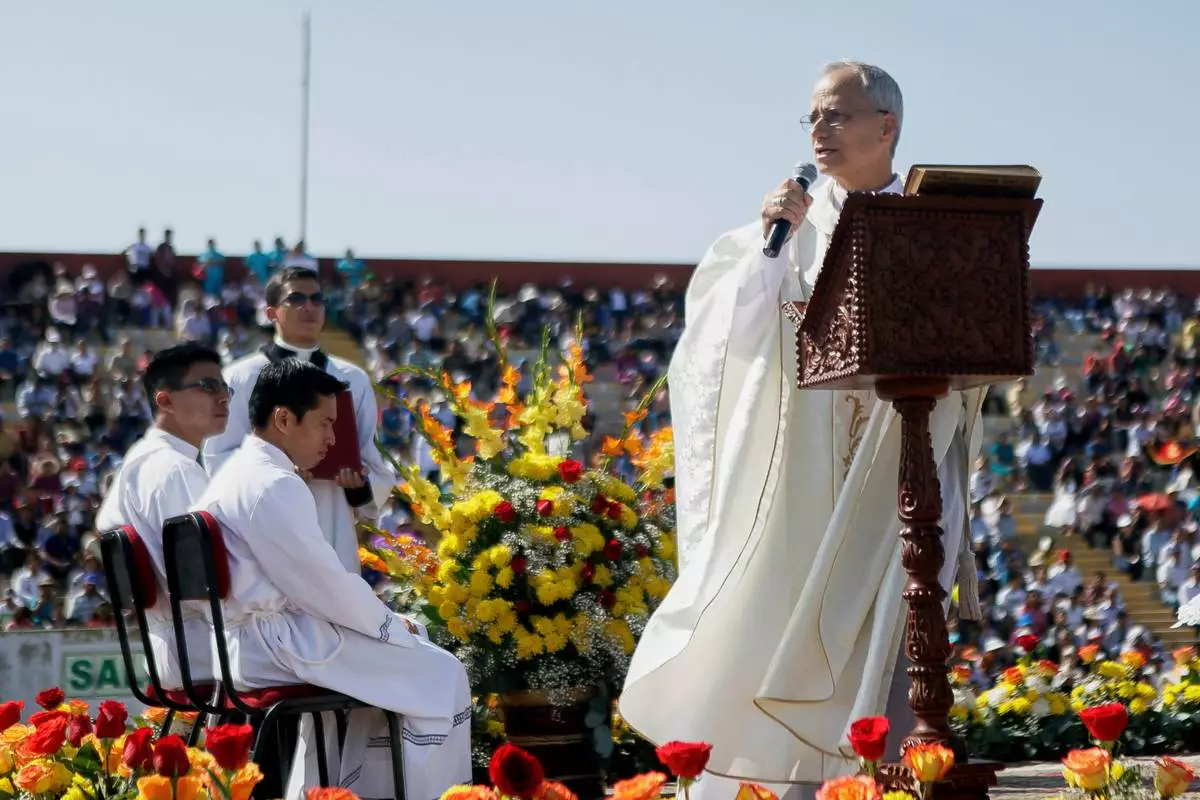
FILE - Pope Leo XIV, then Apostolic Administrator of Chiclayo Robert Prevost, preaches during a Corpus Christi celebration in a stadium in Chiclayo, Peru, June 19, 2015. (AP Photo/Julio Reano, File)
FILE - Pope Leo XIV, then Apostolic Administrator of Chiclayo Robert Prevost, preaches during a Corpus Christi celebration in a stadium in Chiclayo, Peru, June 19, 2015. (AP Photo/Julio Reano, File)

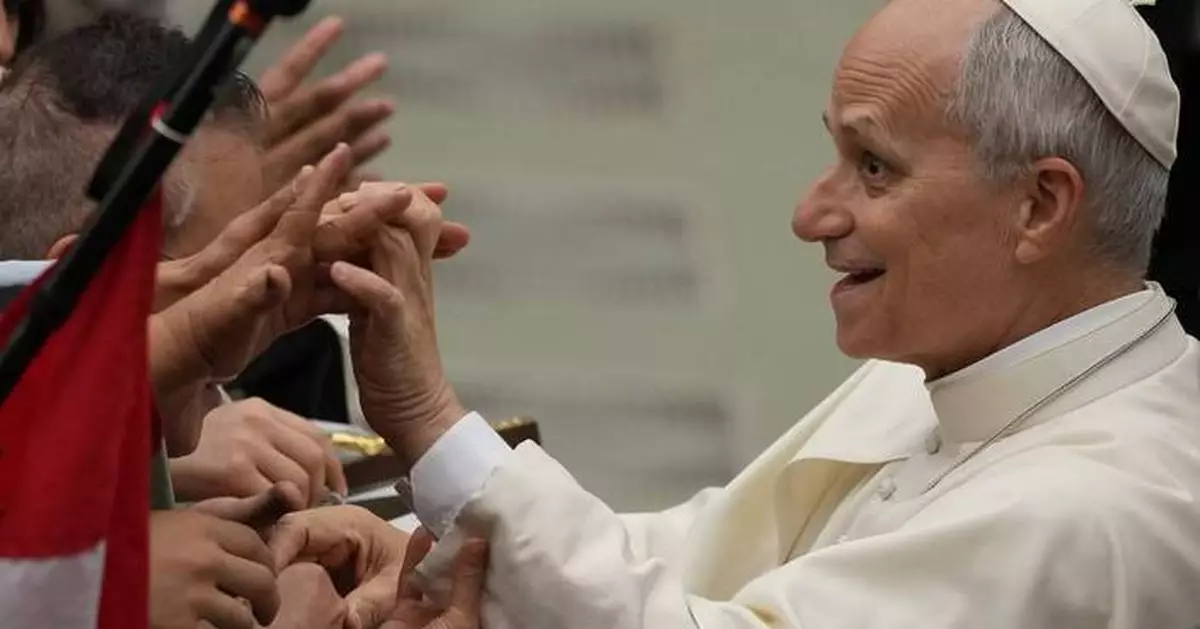
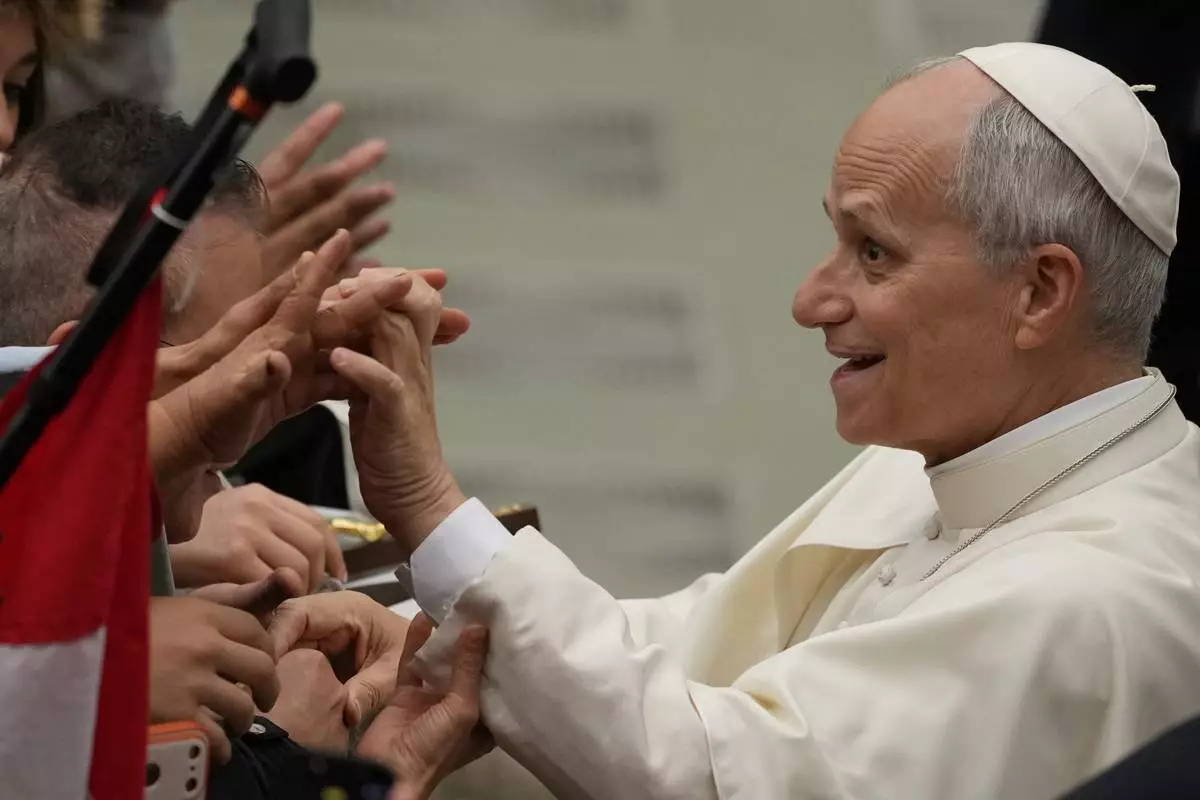
Pope Leo XIV greets people during his weekly general audience in the Pope Paul VI hall at the Vatican, Wednesday, Jan. 14, 2026. (AP Photo/Andrew Medichini)
Pope Leo XIV greets people during his weekly general audience in the Pope Paul VI hall at the Vatican, Wednesday, Jan. 14, 2026. (AP Photo/Andrew Medichini)
NEW YORK (AP) — The U.S. stock market is bouncing back from its worst day since October, though some signs of fear remain on Wall Street Wednesday about President Donald Trump’s desire to take Greenland.

The S&P 500 climbed 0.7% after Trump said in a speech before business and government leaders in Europe that he would not use force to take “the piece of ice.” The potential de-escalation in rhetoric around Greenland helped the index recover some of its 2.1% drop from the day before and pull closer to its all-time high set earlier this month.

The Dow Jones Industrial Average was up 353 points, or 0.7%, as of 10:15 a.m. Eastern time, and the Nasdaq composite was 0.7% higher.

Treasury yields also held steadier in the bond market, a day after jumping in a potential signal of worries about higher inflation in the long term. They got help from a calming of government bond yields in Japan. The value of the U.S. dollar was also mixed against the euro, Swiss franc and other currencies after sliding the day before.

But some nerves seemed to remain in the market, and the price of gold rose another 2.1% and topped $4,800 per ounce for the first time.

Trump himself acknowledged how his desire for Greenland led to Tuesday’s drop in the stock market, but he called it “peanuts compared to what it’s gone up” in the first year of his second term and said it would go up more in the future. While saying he would not use force to take Greenland, he also called for “immediate negotiations” for the United States to acquire it from Denmark.

Helping to lead the U.S. stock market was Halliburton, which rose 3.9% after the oilfield services company reported a stronger profit for the latest quarter than analysts expected.

United Airlines climbed 4.2% after likewise reporting a better profit for the end of 2025 than expected. CEO Scott Kirby said that the airline’s strong momentum in revenue is continuing into 2026.

They helped offset a 2.6% drop for Netflix. The streamer sank even though it reported a stronger profit than expected as investors focused instead on a drop in its subscriber growth.

Kraft Heinz sank 4.9% after Berkshire Hathaway warned investors Tuesday that it may be interested in selling its 325 million shares in the name brand food giant that former CEO Warren Buffett helped create back in 2015.

Berkshire took a $3.76 billion write-down on its Kraft-Heinz stake last summer. Buffett said last fall that he was disappointed in Kraft Heinz’ plan to split the company in two, and Berkshire’s two representatives resigned from the Kraft board last spring.

In the bond market, the yield on the 10-year Treasury eased to 4.28% from 4.30% late Tuesday. But it's still well above the 4.24% level where it was at on Friday, before Trump said he will impose 10% tariffs on Denmark, Norway, Sweden, Germany, France, the United Kingdom, the Netherlands and Finland beginning in February. That would be on top of a 15% tariff specified by a trade agreement with the European Union that has yet to be ratified.

Natural gas futures rose more than 8% in anticipation of demand for more heating as a cold snap and brutal storms hit large swaths of the United States.

In stock markets abroad, indexes were mixed in mostly modest movements across Europe and Asia.

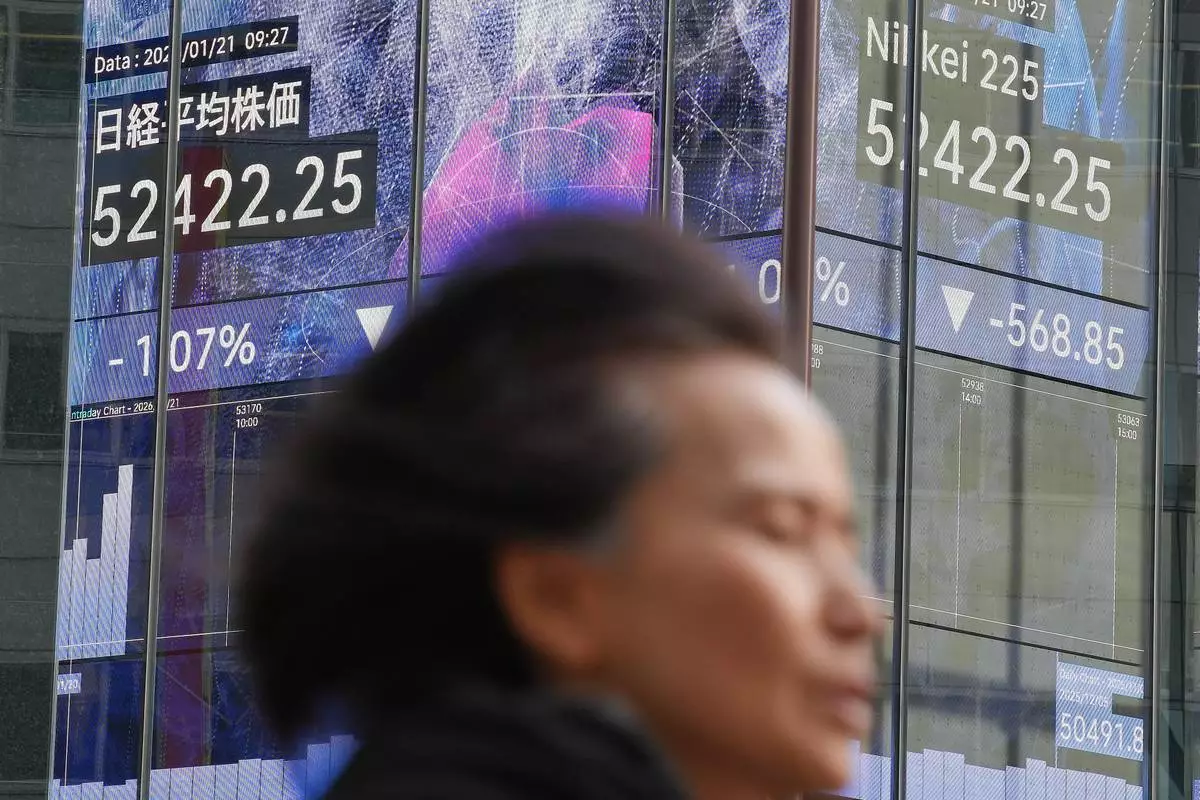
Japan's Nikkei 225 slipped 0.4%.

The country's prime minister, Sanae Takaichi, has called a snap election for Feb. 8, which sent yields of long-term government bonds to record levels. The expectation is that Takaichi, who is capitalizing on strong public support ratings, will cut taxes and boost spending, adding to the challenges Japan faces in handling its massive government debt.

The yield on the 40-year Japanese government bond pulled back to 4.05% Wednesday, down from 4.22% level that it surged to on Tuesday.

AP Business Writers Chan Ho-him and Matt Ott contributed.

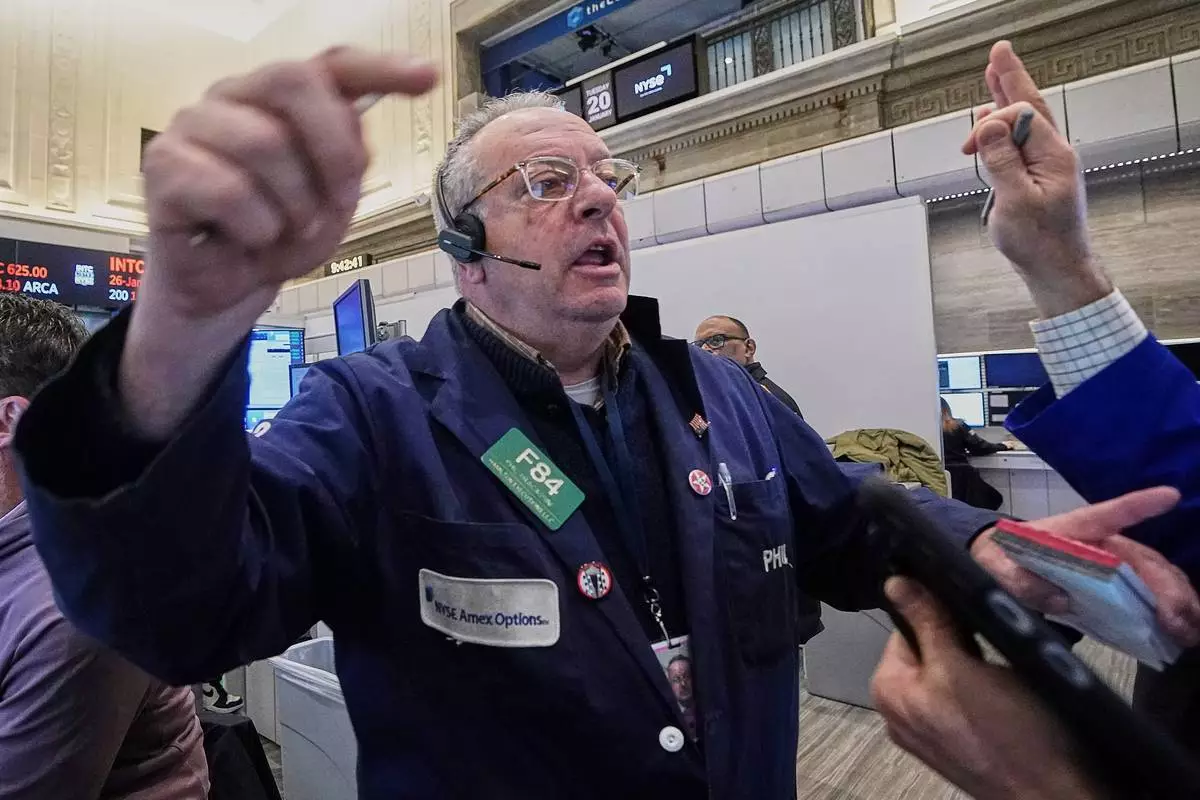
Options trader Phil Fracassini works on the floor of the New York Stock Exchange, Tuesday, Jan. 20, 2026. (AP Photo/Richard Drew)

Options trader Phil Fracassini works on the floor of the New York Stock Exchange, Tuesday, Jan. 20, 2026. (AP Photo/Richard Drew)

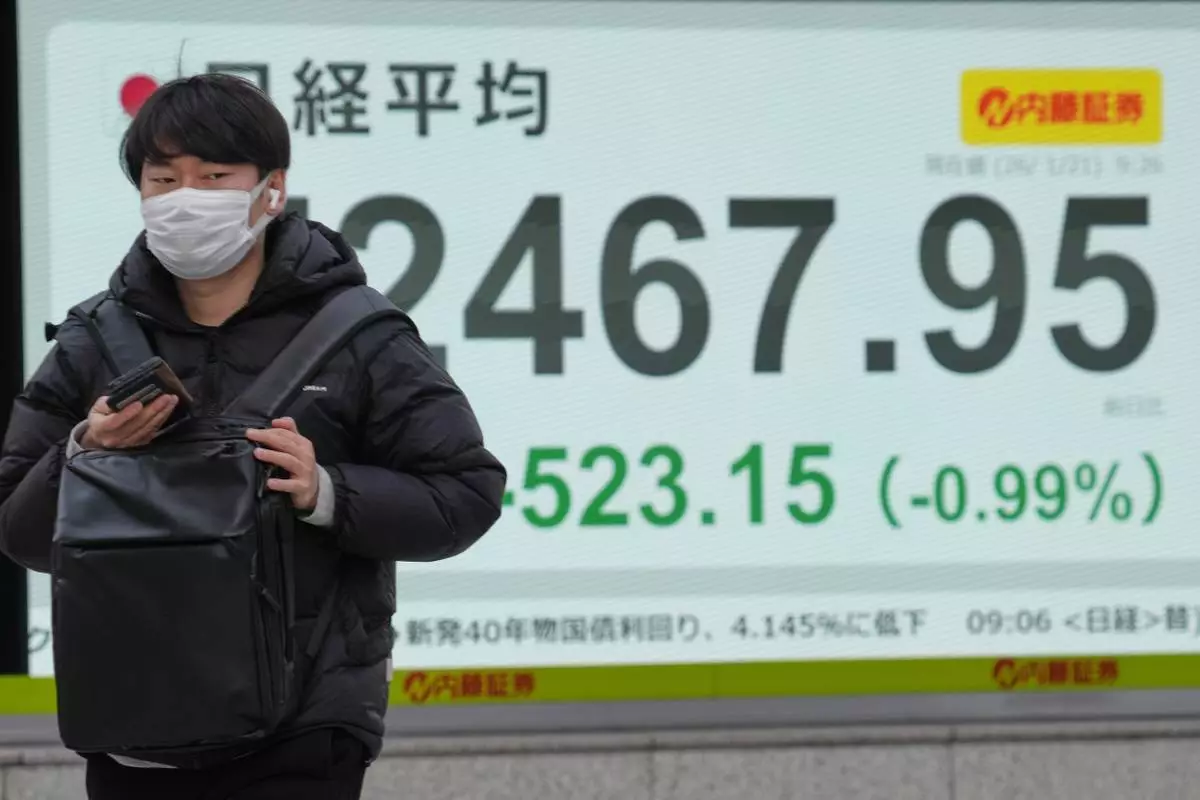
A person walks in front of an electronic stock board showing Japan's Nikkei index at a securities firm Wednesday, Jan. 21, 2026, in Tokyo. (AP Photo/Eugene Hoshiko)

A person walks in front of an electronic stock board showing Japan's Nikkei index at a securities firm Wednesday, Jan. 21, 2026, in Tokyo. (AP Photo/Eugene Hoshiko)

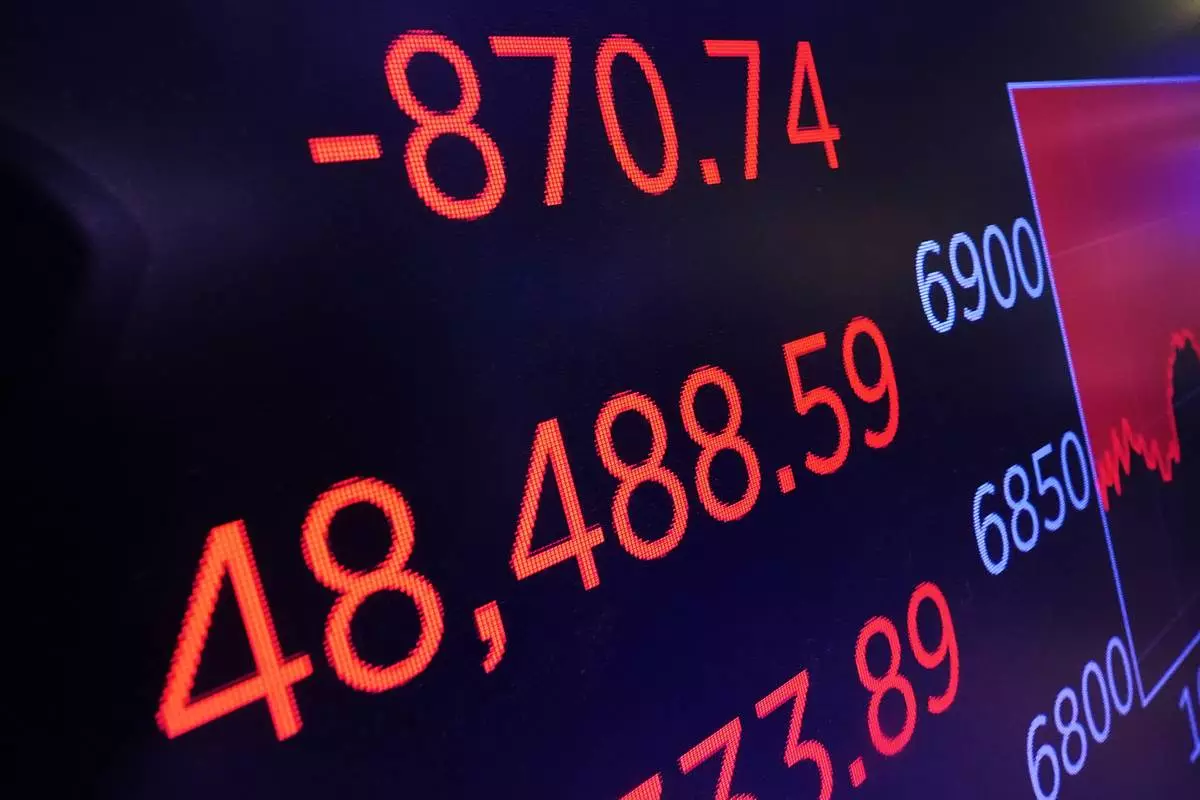
A screen above the trading floor of the New York Stock Exchange displays the closing number for the Dow Jones industrial average, Tuesday, Jan. 20, 2026. (AP Photo/Richard Drew)

A screen above the trading floor of the New York Stock Exchange displays the closing number for the Dow Jones industrial average, Tuesday, Jan. 20, 2026. (AP Photo/Richard Drew)

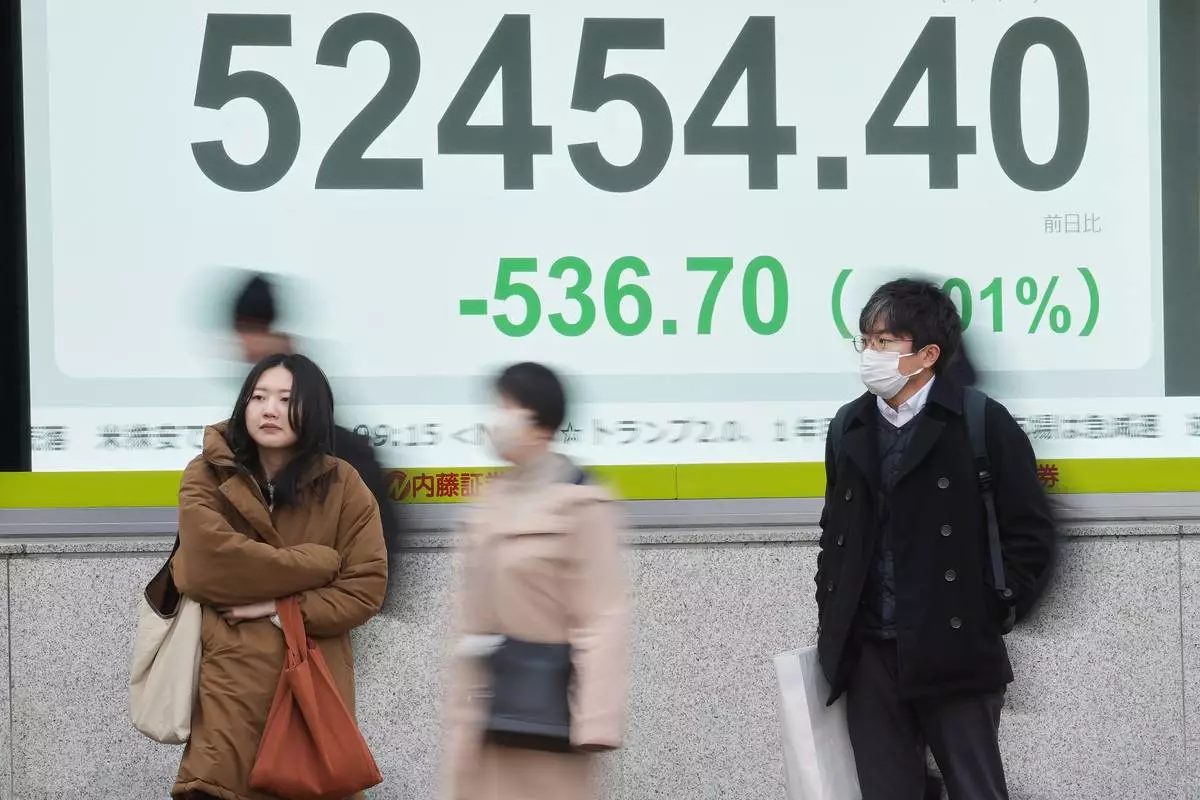
People stand in front of an electronic stock board showing Japan's Nikkei index at a securities firm Wednesday, Jan. 21, 2026, in Tokyo. (AP Photo/Eugene Hoshiko)

People stand in front of an electronic stock board showing Japan's Nikkei index at a securities firm Wednesday, Jan. 21, 2026, in Tokyo. (AP Photo/Eugene Hoshiko)

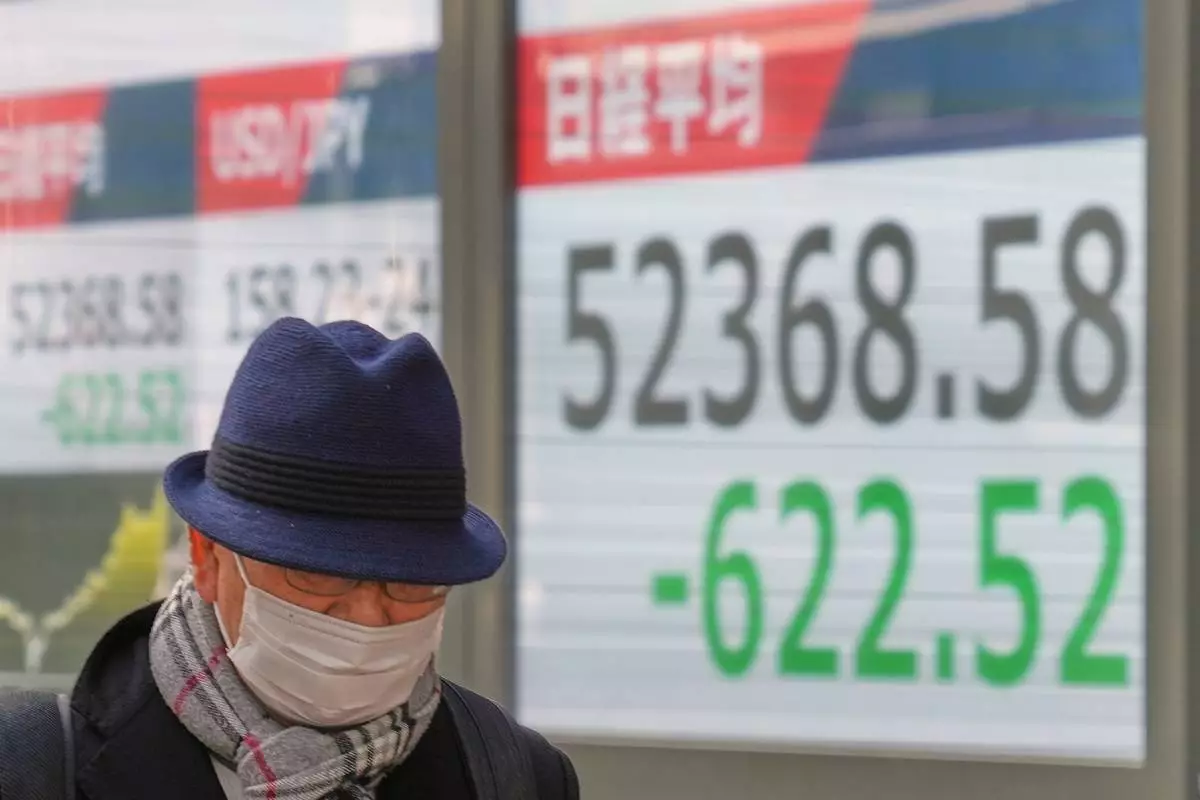
A person walks in front of an electronic stock board showing Japan's Nikkei index at a securities firm Wednesday, Jan. 21, 2026, in Tokyo. (AP Photo/Eugene Hoshiko)

A person walks in front of an electronic stock board showing Japan's Nikkei index at a securities firm Wednesday, Jan. 21, 2026, in Tokyo. (AP Photo/Eugene Hoshiko)

A person walks in front of an electronic stock board showing Japan's Nikkei index at a securities firm Wednesday, Jan. 21, 2026, in Tokyo. (AP Photo/Eugene Hoshiko)

A person walks in front of an electronic stock board showing Japan's Nikkei index at a securities firm Wednesday, Jan. 21, 2026, in Tokyo. (AP Photo/Eugene Hoshiko)

Recommended Articles