THE HAGUE, Netherlands (AP) — For days it seemed there was no way out of the latest standoff between Europe and the United States: U.S. President Donald Trump insisted he must have Greenland — and would settle for nothing short of total ownership.
Even after he dropped the threat of force in a speech in Davos, Switzerland, on Wednesday, the impasse remained. Enter: Mark Rutte.
Click to Gallery
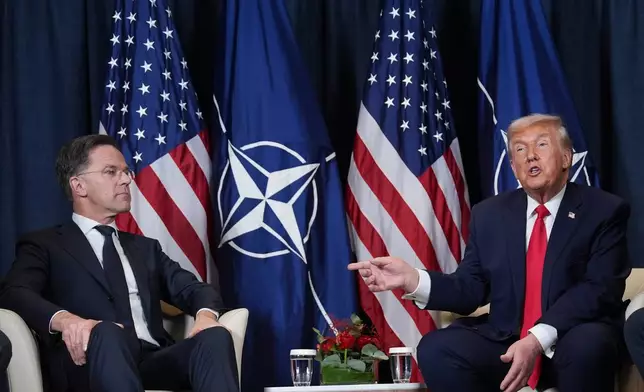
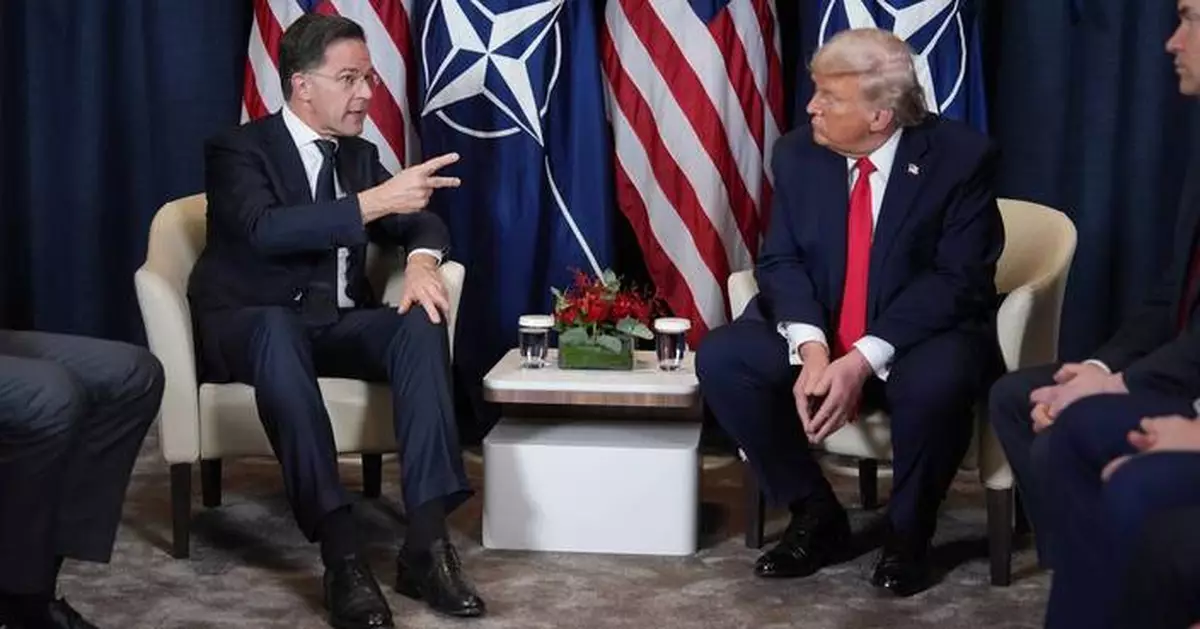
President Donald Trump, right, meets with NATO Secretary General Mark Rutte during a meeting on the sidelines of the Annual Meeting of the World Economic Forum in Davos, Switzerland, Wednesday, Jan. 21, 2026. (AP Photo/Evan Vucci)
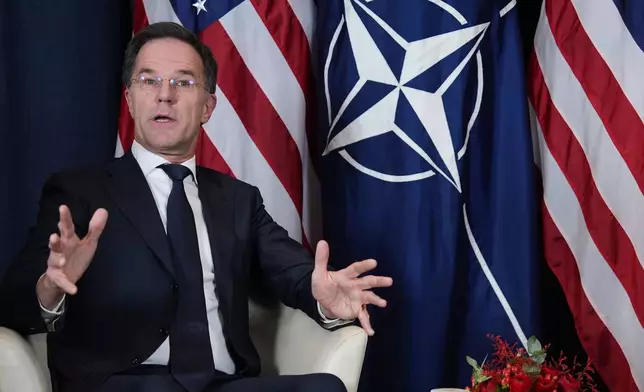
NATO Secretary General Mark Rutte speaks during a meeting with President Donald Trump on the sidelines of the Annual Meeting of the World Economic Forum in Davos, Switzerland, Wednesday, Jan. 21, 2026. (AP Photo/Evan Vucci)
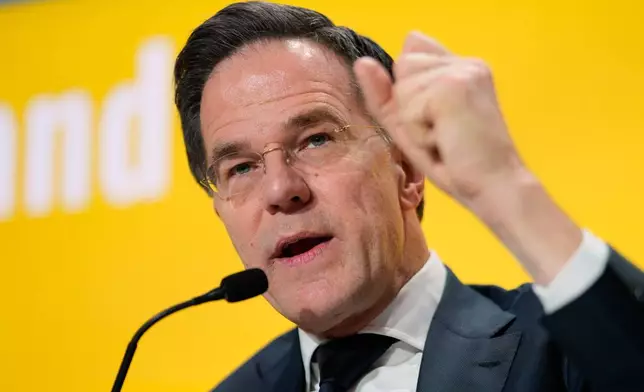
Secretary General of NATO Mark Rutte speaks during an Ukrainian Breakfast alongside the Annual Meeting of the World Economic Forum in Davos, Switzerland, Thursday, Jan. 22, 2026. (AP Photo/Markus Schreiber)
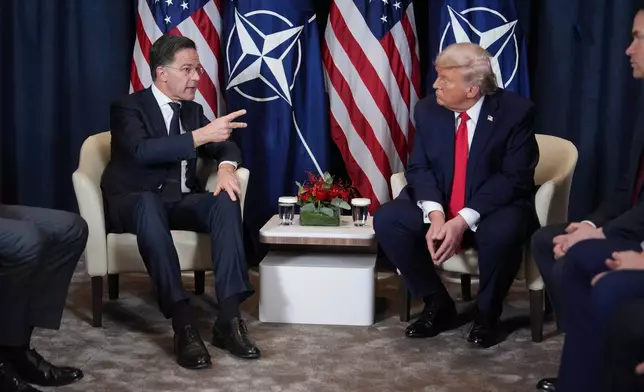
President Donald Trump, right, meets with NATO Secretary General Mark Rutte during a meeting on the sidelines of the Annual Meeting of the World Economic Forum in Davos, Switzerland, Wednesday, Jan. 21, 2026. (AP Photo/Evan Vucci)
The NATO secretary-general may have been instrumental in persuading Trump to scrap the threat of slapping punitive tariffs on eight European nations to press for U.S. control over Greenland — a stunning reversal shortly after insisting he wanted to get the island “including right, title and ownership.”
In a post on his social media site, Trump said he had agreed with Rutte on a “framework of a future deal” on Arctic security at the World Economic Forum in Davos, potentially defusing tensions that had far-reaching geopolitical implications.
Little is known about what the agreement entails or how crucial Rutte’s intervention was, and Trump could change course again. But for now, Rutte has earned his reputation as a “Trump whisperer.”
That’s only the latest nickname for the man long known as “Teflon Mark” during his domination of Dutch politics for a dozen years.
Rutte's reputation for successfully charming the U.S. president took flight last year when he referred to Donald Trump as “daddy” during an alliance summit in The Hague and sent him a flattering text message.
Matthew Kroenig, vice president and senior director of the Atlantic Council’s Scowcroft Center for Strategy and Security, said the dramatic scenes in Davos underscored Rutte's ability to keep NATO’s most powerful leader on board.
“I think Secretary-General Rutte has emerged as one of Europe’s most effective diplomats and Trump whisperers,” Kroenig said. “He does seem to have a way of speaking to Trump that keeps the United States and the Trump administration engaged in NATO in a constructive way.”
Rutte’s success in dealing with Trump appears to revolve around his willingness to use charm and flattery while revealing little of what the two leaders discuss. It's a tactic that Rutte used to marshal coalition partners in nearly 13 years as Dutch prime minister.
Trump himself highlighted Rutte's effusive friendliness before he set off for Davos this week, publishing a text message from the NATO chief on his Truth Social platform. In it, Rutte addresses “Mr. President, dear Donald” and praises Trump for his diplomacy in Syria, Gaza and Ukraine.
“I am committed to finding a way forward on Greenland. Can't wait to see you. Yours, Mark,” the message ended.
Rutte became a poster boy for Dutch consensus politics while leading four often fractious ruling coalitions on his way to becoming the Netherlands’ longest-serving leader, surviving a number of domestic political scandals over the years and earning the nickname “Teflon Mark” because the fallout never seemed to stick to him for long.
The back cover of a 2016 book about Rutte by Dutch journalist Sheila Sitalsing, who followed him when he was prime minister, calls him “a phenomenon.”
“With indestructible cheerfulness he navigates the fragmented political landscape, recklessly forges the most extraordinary alliances and steadily works towards a new Netherlands,” it adds.
Rutte and his government resigned in 2021 to take responsibility for a child care allowance scandal in which thousands of parents were wrongly accused of fraud. But he bounced back to win national elections two months later with a slightly larger share of the vote and began his fourth and last term in office.
In another scandal that he survived, Rutte said in an interview that he couldn’t recall being informed about the Dutch bombing of Hawija that killed dozens of Iraqi civilians in 2015. In 2022, he survived a no-confidence motion in parliament in a debate about deleting messages from his old-school Nokia cellphone. Critics accused him of concealing state activity — but he insisted the messages just took up too much space in his phone.
Opposition lawmaker Attje Kuiken quipped: “It appears that the prime minister’s phone memory is used just as selectively as the prime minister’s own memory.”
His winning smile and enduring optimism, along with his habit of riding his bicycle to work while chomping on an apple seemed to help cement his popularity in the Netherlands, where such down-to-earth behavior is prized. When his last coalition collapsed in 2023 in a dispute over reining in migration, Rutte again leaned on that image, driving an old Saab station wagon to a royal palace to hand his resignation to King Willem-Alexander.
Just landing the NATO chief's job showed how adept Rutte is at navigating turbulent geopolitical waters. He managed to convince entrenched doubters, including Hungarian Prime Minister Viktor Orbán and Turkish President Recep Tayyip Erdogan, to back his candidacy.
“It took a very long time. It’s a complicated process, but it’s an honor that it appears to have happened,” Rutte told reporters after securing all the support he needed to become secretary-general.
Rutte's soft diplomatic skills were seen as a key asset for the leader of the 32-nation alliance as it faced Trump's repeated criticism while navigating how to support Ukraine in the war against Russia.
Several hours before Trump made his dramatic reversal on Greenland, Finnish President Alexander Stubb — another European leader credited with having a way with Trump — was asked during a panel discussion on European security in Davos “who or what can diffuse the tensions” over Greenland?
“Oh, Mark Rutte,” Stubb said, to laughter in the audience and among the panel that included the Dutchman himself.
Associated Press writers Lorne Cook in Brussels and Ali Swenson in Washington contributed.
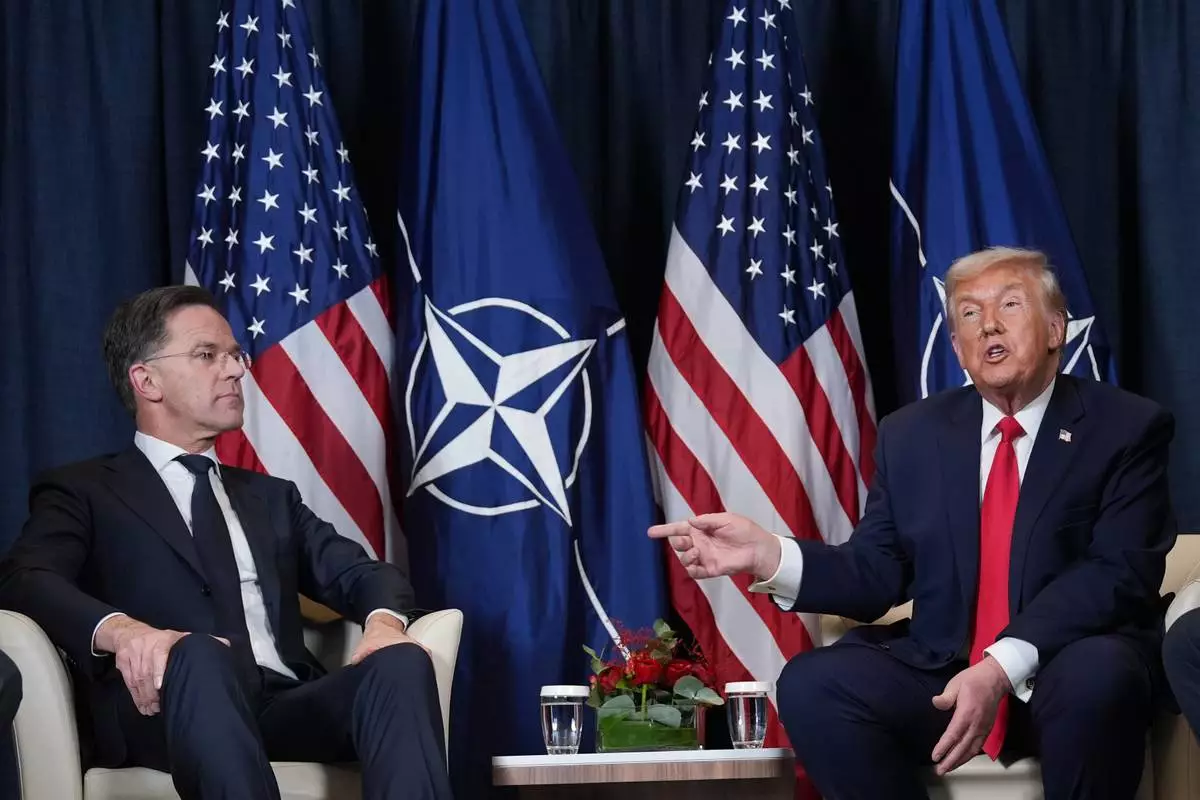
President Donald Trump, right, meets with NATO Secretary General Mark Rutte during a meeting on the sidelines of the Annual Meeting of the World Economic Forum in Davos, Switzerland, Wednesday, Jan. 21, 2026. (AP Photo/Evan Vucci)
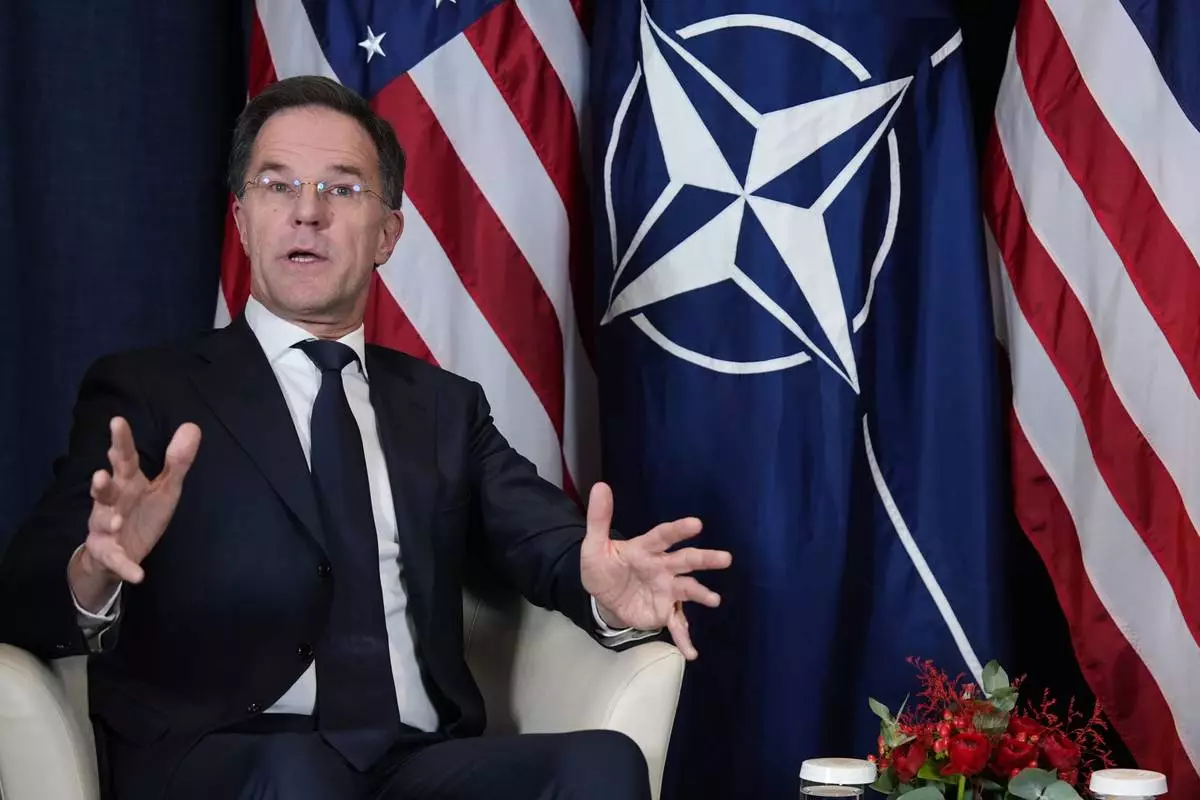
NATO Secretary General Mark Rutte speaks during a meeting with President Donald Trump on the sidelines of the Annual Meeting of the World Economic Forum in Davos, Switzerland, Wednesday, Jan. 21, 2026. (AP Photo/Evan Vucci)
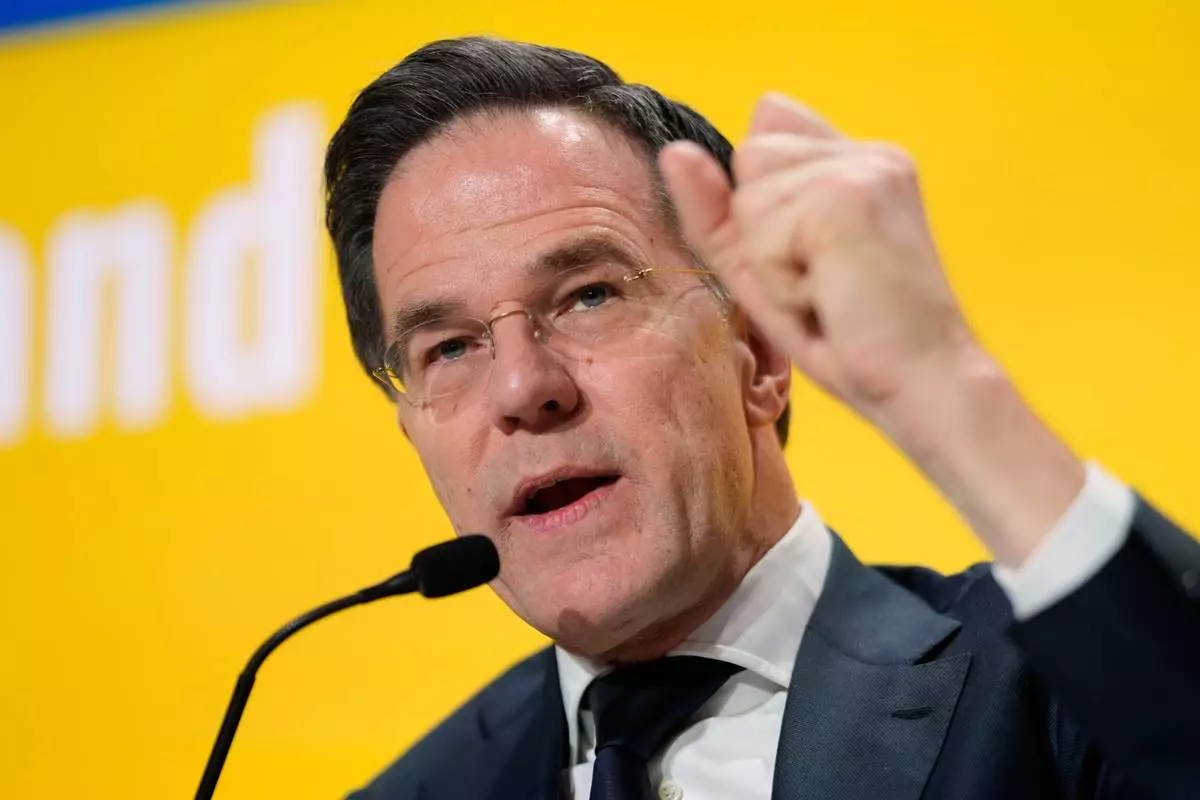
Secretary General of NATO Mark Rutte speaks during an Ukrainian Breakfast alongside the Annual Meeting of the World Economic Forum in Davos, Switzerland, Thursday, Jan. 22, 2026. (AP Photo/Markus Schreiber)
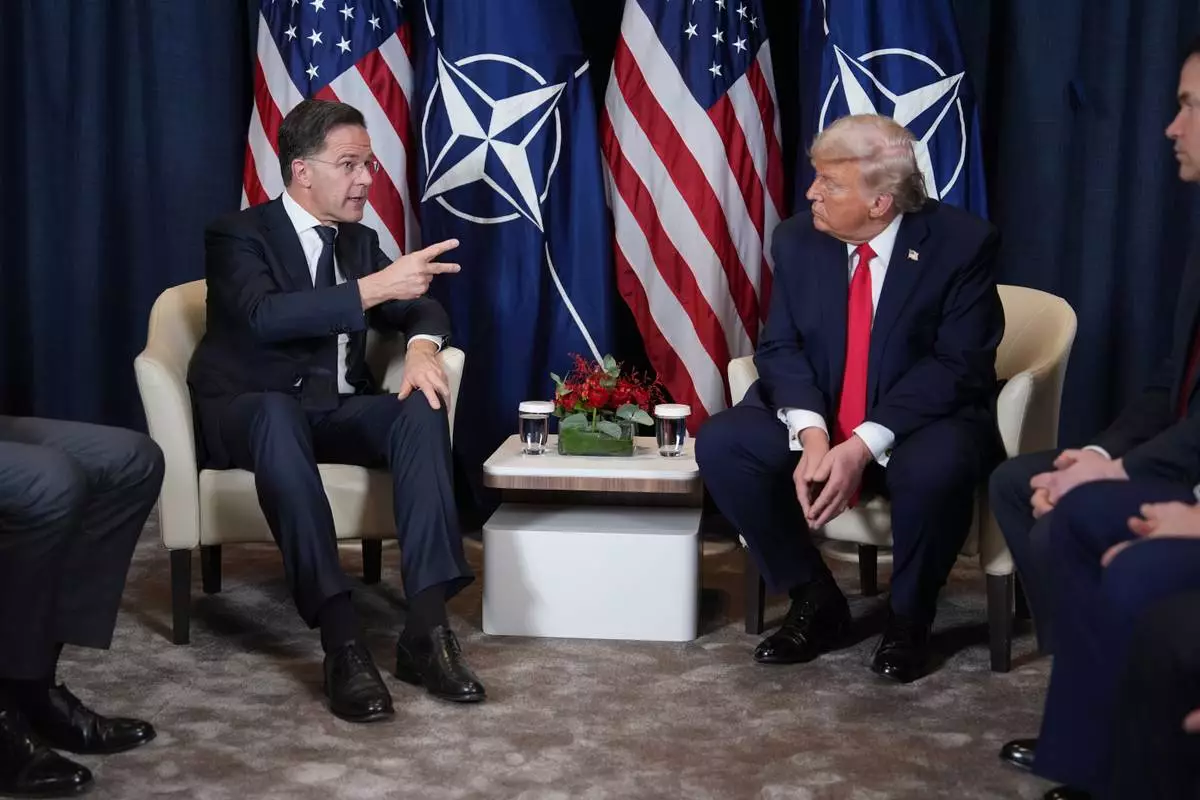
President Donald Trump, right, meets with NATO Secretary General Mark Rutte during a meeting on the sidelines of the Annual Meeting of the World Economic Forum in Davos, Switzerland, Wednesday, Jan. 21, 2026. (AP Photo/Evan Vucci)