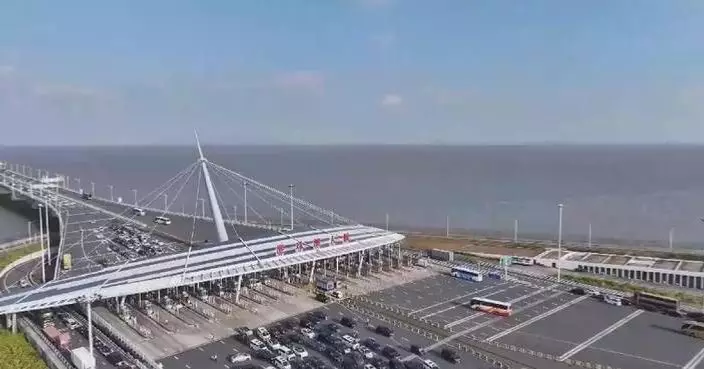
The Erenhot Port, China's largest land port on the border with Mongolia, handled more than 3,900 China-Europe freight trains in 2025, with total cargo volume exceeding 4.5 million tonnes, both marking record highs, customs data showed.
The China-Europe freight trains exiting and entering the port totaled 3,986 in 2025, according to the data released by the China Railway Hohhot Group Co., Ltd.
In 2025, the port added new routes, including routes connecting Wuhu in east China's Anhui Province with Moscow, Russia, and Datong in north China's Shanxi Province with Selyatino, Russia.
Customs authorities have also taken a series of measures to enhance efficiency. Currently, the border inspection time for each train has been reduced to about 20 minutes.
As the sole transit port for the "middle corridor" of China-Europe freight train services, Erenhot now operates 75 routes, with an average of 12 trains passing through daily. These routes connect more than 70 cities in over 10 countries and regions, while also linking over 60 cities across China.
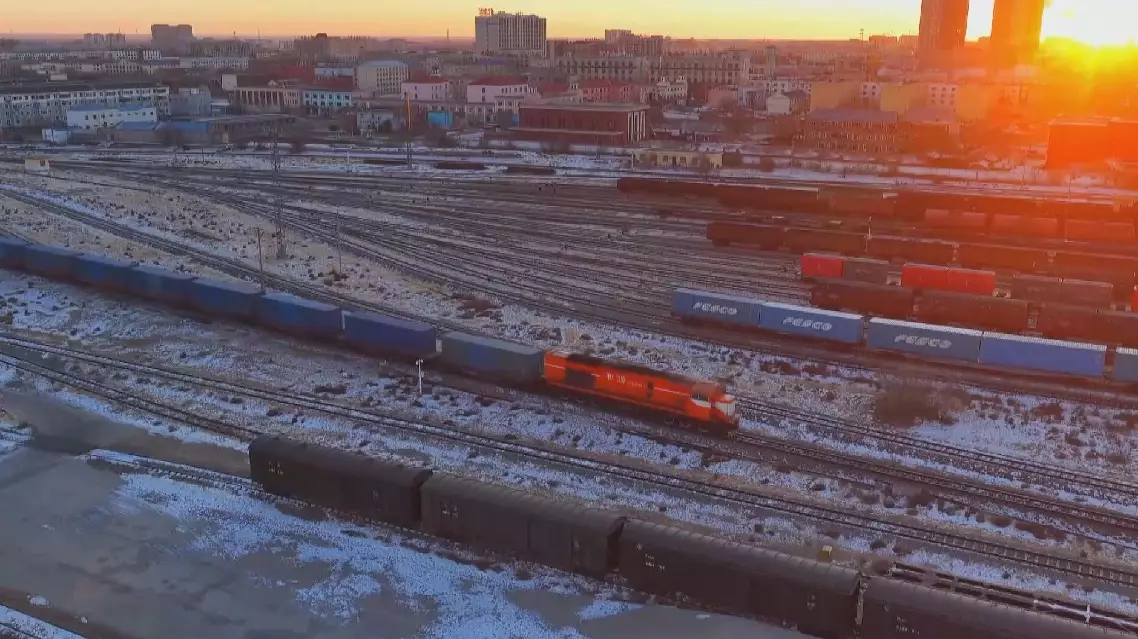
North China port handles record number of China-Europe freight trains, cargo volume in 2025
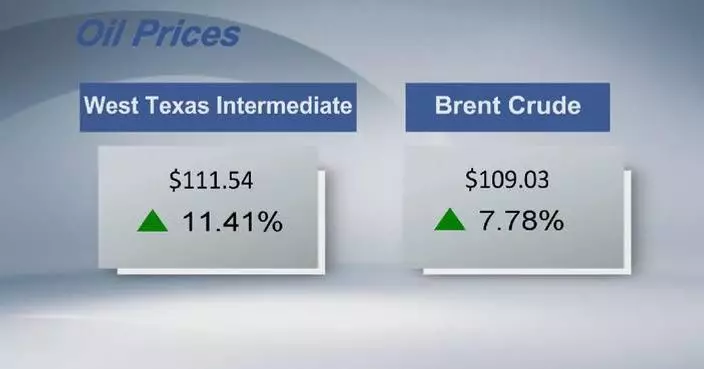
The energy price shock triggered by tensions in the Middle East is weighing on German consumers and industry, placing further downward pressure on Europe's largest economy.
Sustained high oil and natural gas prices are expected to hit both Germany's economy and the global outlook, according to analysts.
"The economic outlook for Germany, and indeed for the global economy, depends crucially on the course of the conflict. This means that we will face a shortage of energy -- oil and gas -- for the foreseeable future, leading to sustained high energy prices. Naturally, this puts a strain on the German economy and also on the global economy," said Timo Wollmershauser, a researcher at the ifo Institute for Economic Research.
Escalating tensions in the Middle East are also denting German consumer confidence, as households grow more cautious about the economic outlook as energy bills climb, according to analysts.
"Germany is facing a major energy price shock. Rising oil prices are eroding real incomes across the country. People are noticing the impact at the pump, for example, and consequently have less money available for other expenses. As a result, consumption will be affected. Overall, this will weaken economic development in Germany," said Oliver Holtemoller, vice president of the Halle Institute for Economic Research.
As growing uncertainty undermines the confidence of German firms and financial markets, further clouding the prospects for an economic recovery, several German research institutes have revised down their projections for the country's future growth.
While the U.S.-Israel-Iran conflict continues, much attention is focusing on the severe disruption to shipping through the Strait of Hormuz -- a vital passageway which typically carries around one-quarter of global seaborne oil trade.
The current crisis along the Strait of Hormuz came as part of Iran's response to U.S.-Israeli operations, which saw it restricting navigation through the strait and targeting any vessels associated with the U.S. or Israel.
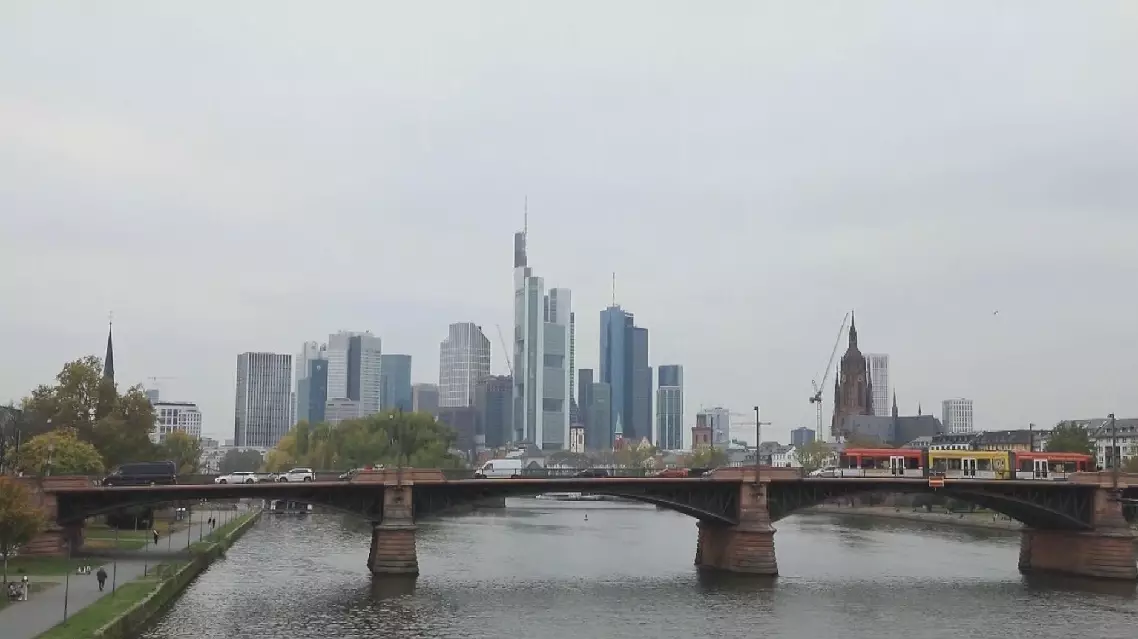
German industry, consumers affected amid Mideast energy shock