PARIS (AP) — France’s navy, working with intelligence provided by the United Kingdom, on Thursday intercepted an oil tanker in the Mediterranean Sea that traveled from Russia, in a mission targeting the sanctioned Russian shadow fleet, officials said.
French maritime authorities for the Mediterranean said the ship, the Grinch, is suspected of operating with a false flag. The French navy is escorting the ship to anchorage for more checks, the statement said. The tanker departed from the city of Murmansk in northwestern Russia, it said.
Oil revenue is a key part of Russia’s economy, allowing President Vladimir Putin to pour money into the war effort against Ukraine without worsening inflation for everyday people and avoiding a currency collapse.
France and other countries have vowed to crack down on the sanction-busting shadow fleet of oil tankers which experts estimate numbers over 400 ships. They are also trying to secure deals with flag-carrying countries to make it easier to board the vessels.
Russia is using what is described as a “shadow fleet” to evade sanctions over its war on Ukraine. The fleet is a compilation of aging vessels and tankers owned by nontransparent entities with addresses in non-sanctioning countries, and sailing under flags from such countries.
“We are determined to uphold international law and to ensure the effective enforcement of sanctions," French President Emmanuel Macron said in a post about the interception, with a photo showing a French helicopter hovering over a ship.
“The activities of the ‘shadow fleet’ contribute to financing the war of aggression against Ukraine,” Macron added.
The French mission was conducted together with the U.K, which gathered and shared intelligence that enabled the ship to be intercepted, according to French military officials who spoke to The Associated Press on condition of anonymity to discuss details of the operation.
The ship was operating under a false flag from the Comoros islands, which are off east Africa, and its crew is Indian, the officials said. It was intercepted in the western Mediterranean, off the southern Spanish coastal town of Almeria, the officials said.
Last September, French naval forces boarded another oil tanker off the French Atlantic coas t that Macron also linked to the shadow fleet. That tanker traveled from the Russian oil terminal in Primorsk near Saint Petersburg. Known as “Pushpa” or “Boracay" — its name was changed several times — the ship was sailing under the flag of Benin.
Putin denounced that interception as an act of piracy and alleged that Macron initiated the move to deflect attention from French domestic problems.
The tanker's captain will go on trial in February over the crew’s alleged refusal to cooperate, according to French judicial authorities.
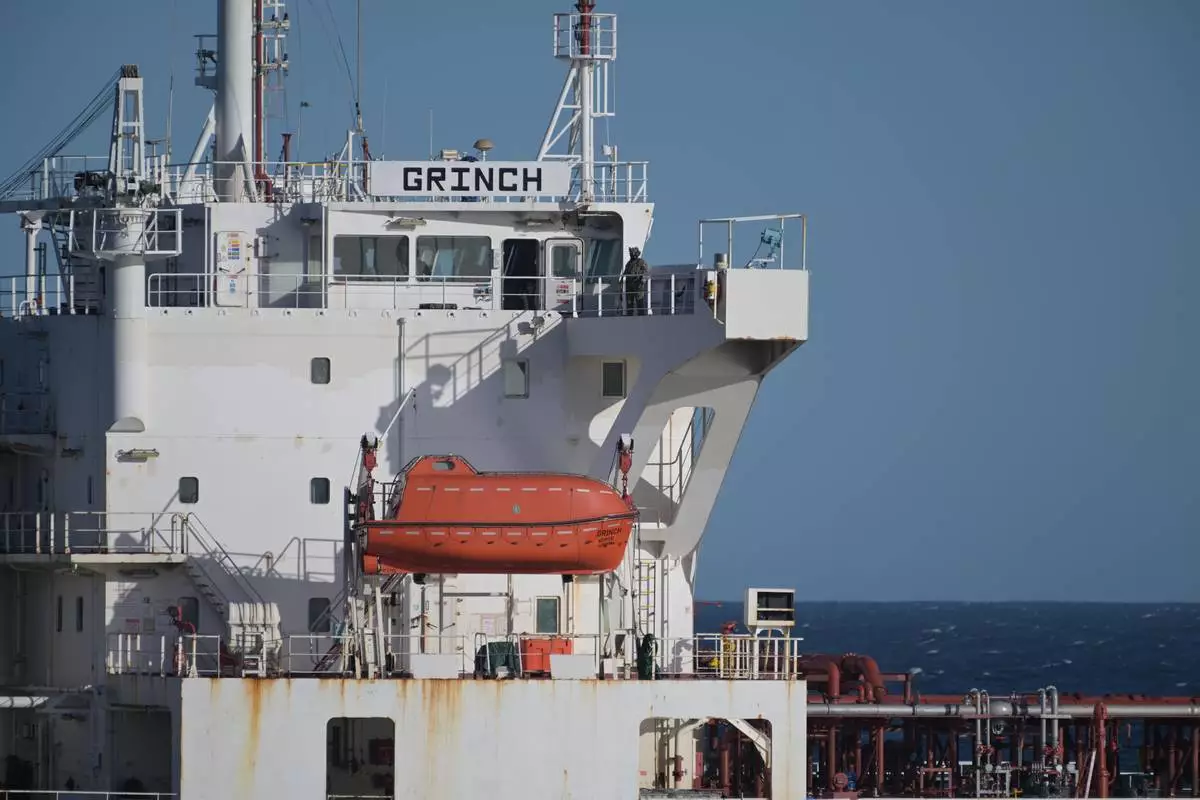
In this photo, provided by the French Army on Thursday, Jan 22, 2026, an oil tanker in the Mediterranean Sea that traveled from Russia, is pictured after being intercepted by France's Navy. (French Military via AP)
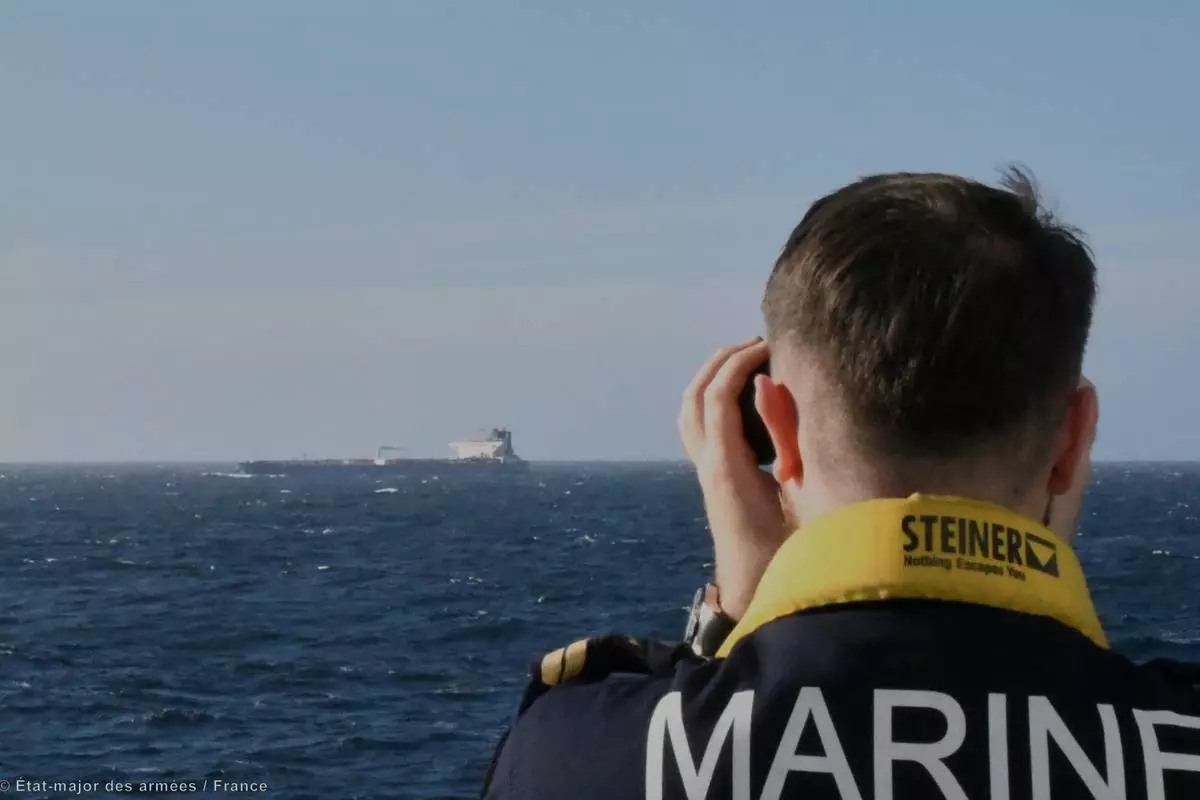
In this photo, provided by the French Army on Thursday, Jan 22, 2026, France's Navy, working with intelligence provided by the United Kingdom, on Thursday intercepted an oil tanker in the Mediterranean Sea that traveled from Russia, in a mission targeting the sanctioned Russian shadow fleet, officials said. (Etat-Major des Armees via AP)
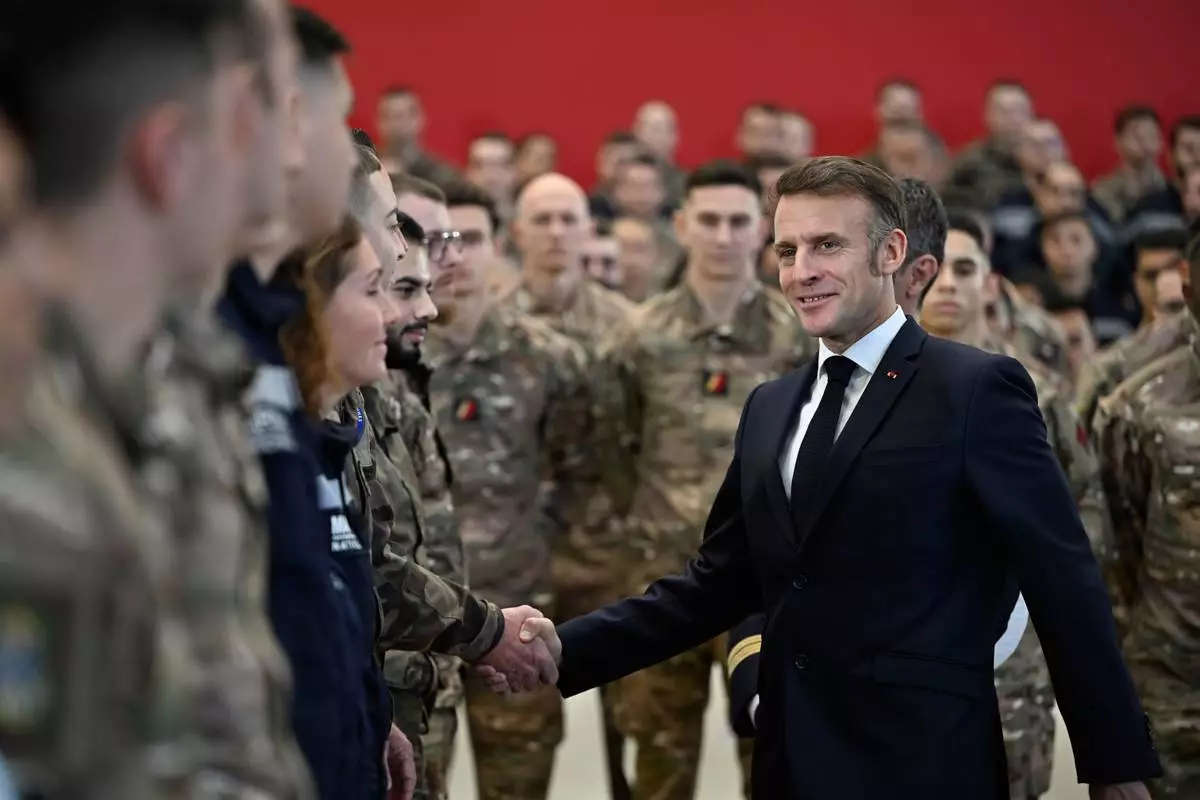
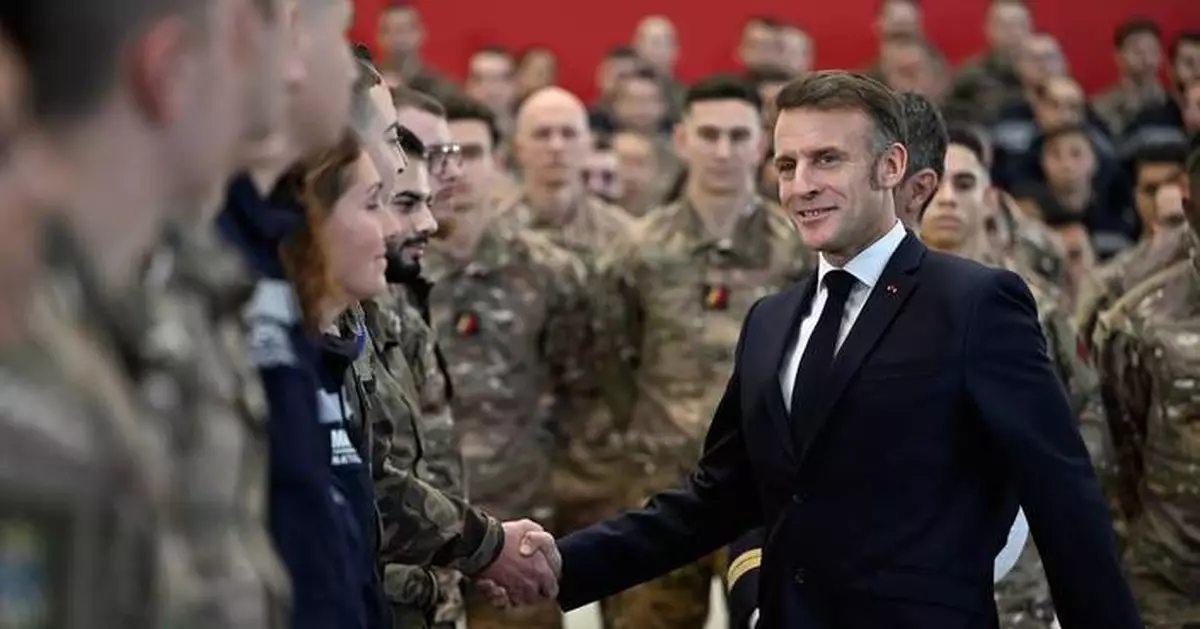
French President Emmanuel Macron shakes with soldiers as he visits the Istres military air force base, southern France, Thursday, Jan. 15, 2026. (AP Photo/Philippe Magoni, Pool)
NEW YORK (AP) — Saying “We don’t want to see ‘60 Minutes’ die,” the three remaining correspondents at the turmoil-plagued CBS News program have decided to stay, for now.
A memo from Lesley Stahl, Jon Wertheim and Bill Whitaker to fellow staffers expressed anger — and grief — over the recent firings at the show, and said the three had had “a hard time” deciding whether to remain.
“Here’s why we are staying: We don’t want to see ‘60 Minutes’ die,” the three wrote in the joint memo obtained by The Associated Press on Friday.
They expressed their regret over the recent firings of colleagues implemented by Bari Weiss, the new CBS News editor-in-chief, and the executive producer she installed last week, Nick Bilton. He replaced Tanya Simon, who was let go after a 30-plus year tenure with the show. Also dismissed were correspondents Sharyn Alfonsi and Cecilia Vega, among other top staffers. Scott Pelley was then fired this week after a tense confrontation with CBS News bosses.
“We want to express how sorry we are that these principled, fair and honest journalists were treated so shabbily, with such indecency," the three correspondents said in their memo. But they said they were “working to build trust” with Bilton, their new boss, and left open the possibility that they could leave later, if need be.
“If we can continue doing the work that made this show what it is — committing acts of independent, fearless journalism and storytelling — we’re here for it," the three wrote. “If not, we leave.”
“Here’s to Season 59!” the note ended.
Persuading the three to remain was a crucial step in Bilton’s task of getting the show back on track for the next season, which launches in September.
The show is suddenly down four correspondents. In addition to the three dismissed, Anderson Cooper — whose primary job is on-air work for CNN — said earlier this year he was leaving of his own accord after two decades.
Turmoil had been evident at “60 Minutes” for more than a year. Much of it came after President Donald Trump sued the show over its editing of a 2024 interview with then-Democratic presidential candidate Kamala Harris.
That became part of a broader shake-up at CBS News after Weiss was named to the new role of editor-in-chief by parent company Paramount late last year following David Ellison’s arrival as the network’s corporate leader.
Ellison’s company, Skydance, merged with CBS parent company Paramount, which later settled the Trump lawsuit for $16 million. That upset some at “60 Minutes” and many believe it indirectly led to the departure last month of popular longtime CBS late-night host Stephen Colbert, who had called the settlement “a big fat bribe.”
CBS News has been at the center of the American broadcast-news ecosystem since its radio days before the dawn of television, though Weiss earlier this year announced the shutdown of CBS News' radio operation. The network's nightly newscast was seen for decades as one of the most widely trusted institutions in the nation under longtime anchorman Walter Cronkite.
Noveck covers the intersection of media and entertainment for The Associated Press.
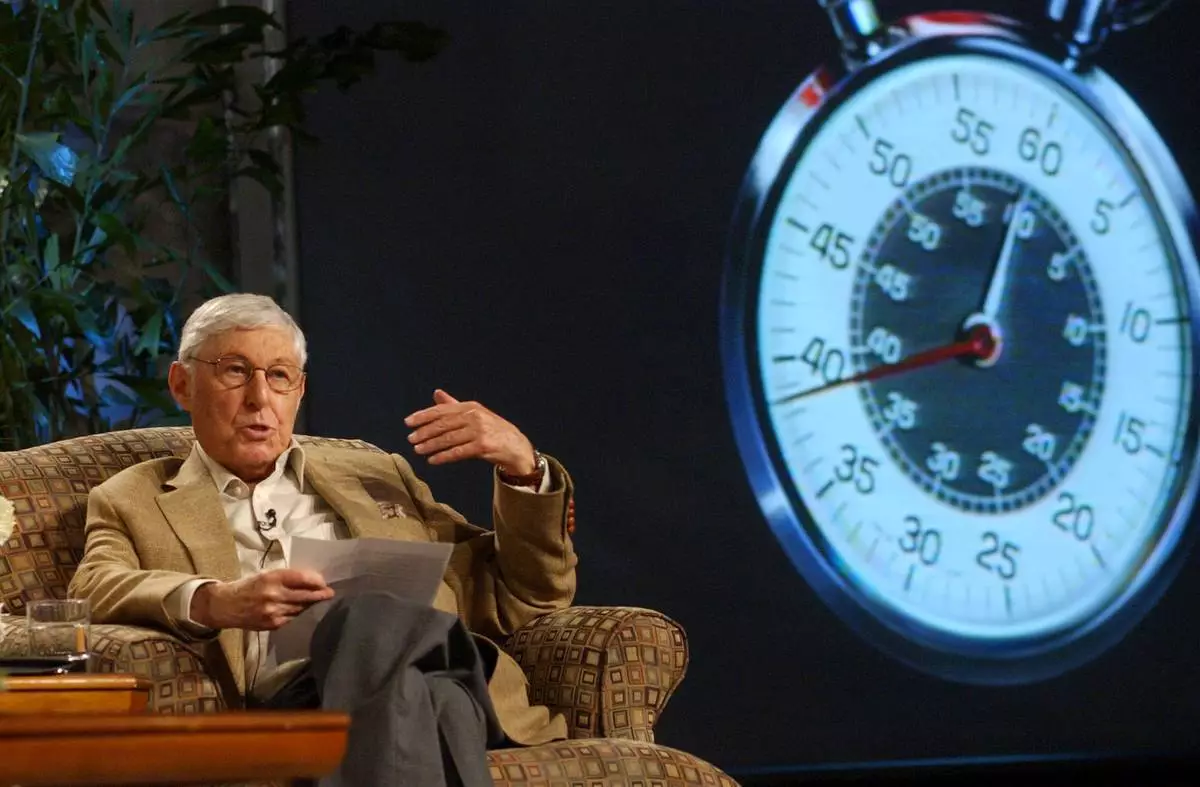
FILE - Against a backdrop of the famous "60 Minutes" stop watch, Don Hewitt, the program's creator and executive producer, reads prepared remarks to reporters during a session on "60 Minutes" during CBS' Winter Press Tour in the Hollywood section of Los Angeles, Jan. 17, 2004. (AP Photo/Rene Macura, File)
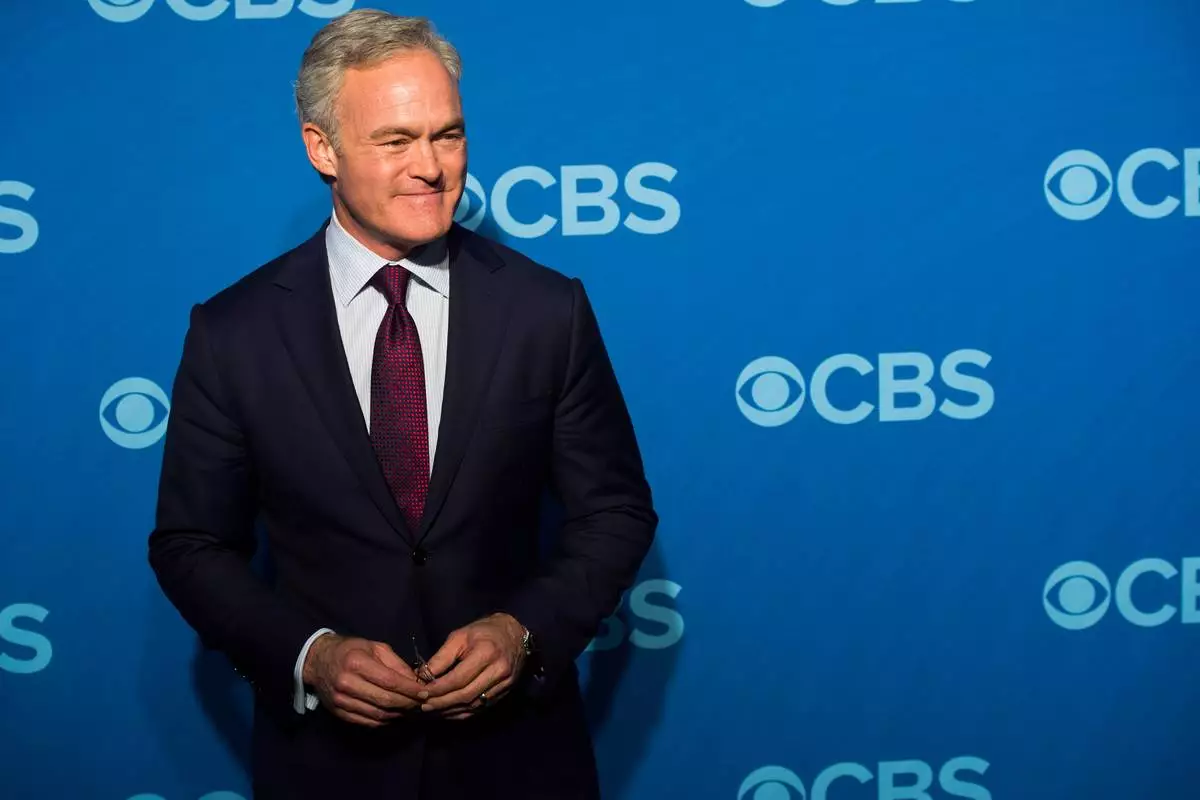
FILE - Scott Pelley, anchor of "CBS Evening News," at the CBS Upfront in New York, May 15, 2013. (Photo by Charles Sykes/Invision/AP, File)
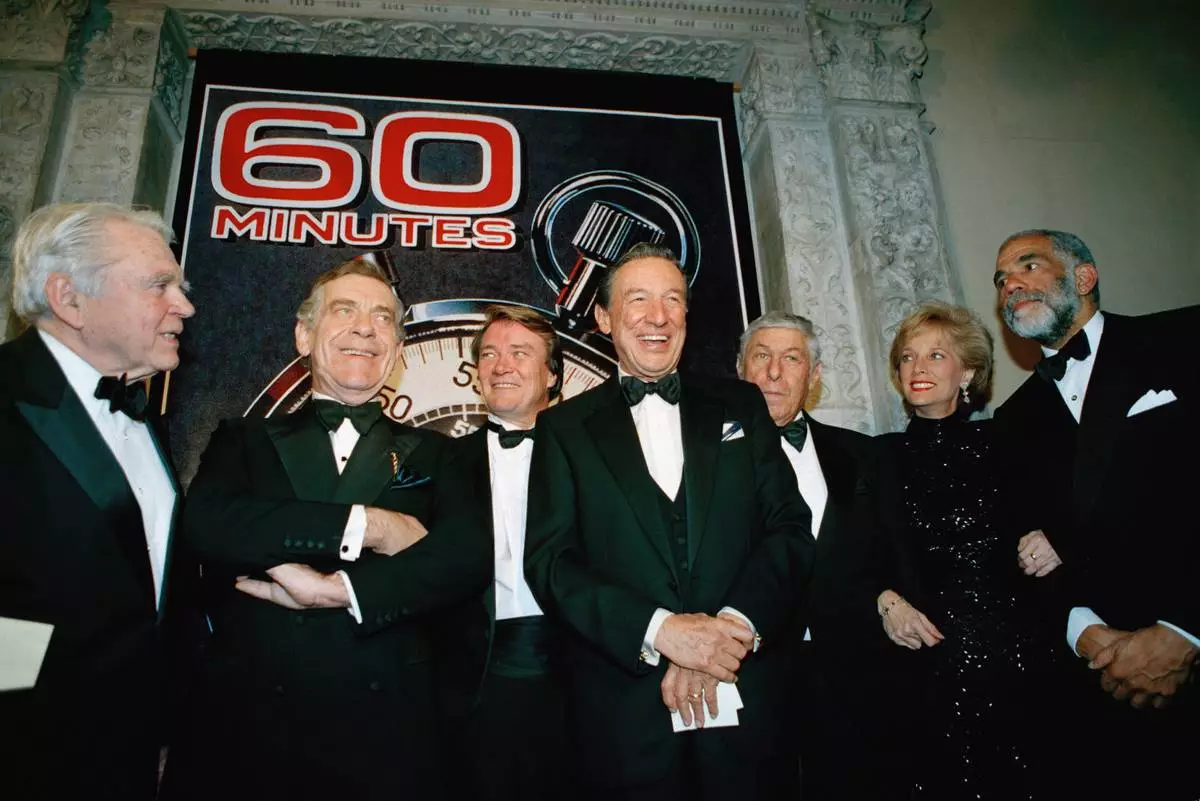
FILE - The "60 Minutes" team, from left, Andy Rooney, Morley Safer, Steve Kroft, Mike Wallace, executive producer Don Hewitt, Lesley Stahl, and Ed Bradley pose at the Metropolitan Museum of Art in New York celebrating their 25th anniversary, on Nov. 10, 1993. (AP Photo/Mark Lennihan, File)