Skip to Content Facebook Feature Image

What to know about the devastating floods in southern Africa

News

What to know about the devastating floods in southern Africa
News

News

What to know about the devastating floods in southern Africa

2026-01-23 05:26 Last Updated At:05:30

CAPE TOWN, South Africa (AP) — Torrential rains and severe flooding across parts of southern Africa have killed more than 100 people in three countries, destroyed thousands of homes and caused tens of millions of dollars’ worth of damage in one of Africa’s premier wildlife parks.

Mozambique, South Africa and Zimbabwe have experienced unusually heavy rains since late last year and the resulting floods have been the region's worst in years. Authorities expect the death toll to rise with rescue operations continuing.

More Images
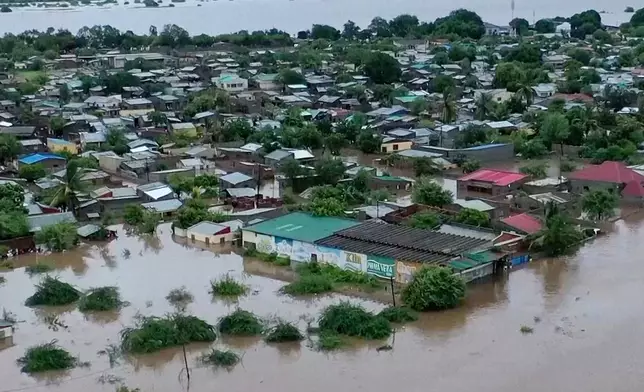
This image made from video shows the scene after flooding in Tete Province, Mozambique, Thursday, Jan. 15, 2026. (AP Photo)
This image made from video shows the scene after flooding in Tete Province, Mozambique, Thursday, Jan. 15, 2026. (AP Photo)

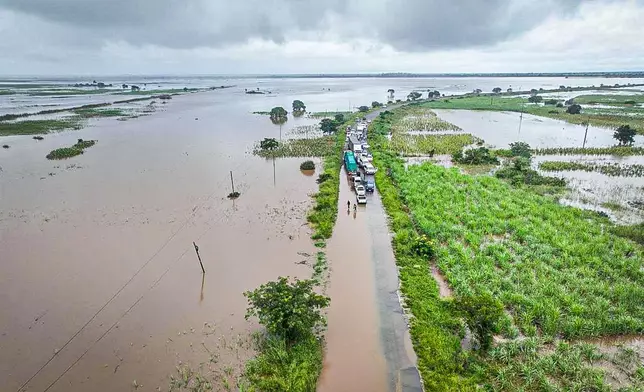
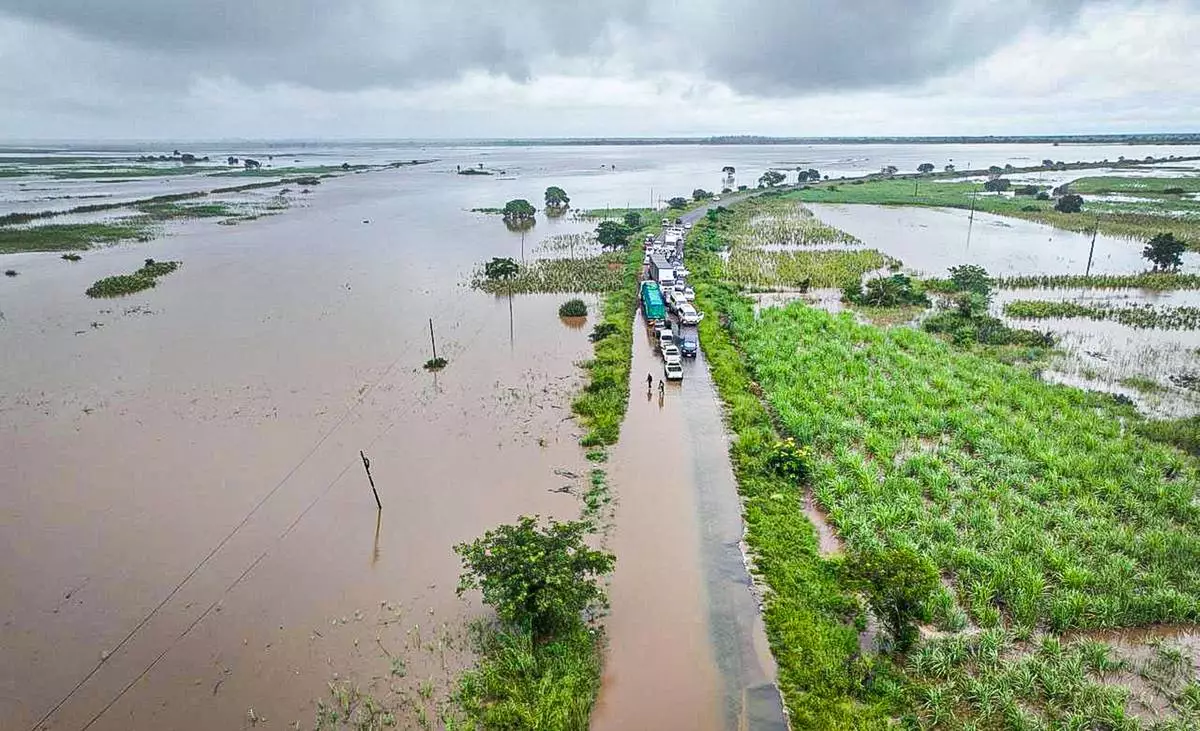
Vehicles lineup the flood-damaged N1 road in Maputo province road, Mozambique, Saturday, Jan. 17, 2026. (AP Photo)
Vehicles lineup the flood-damaged N1 road in Maputo province road, Mozambique, Saturday, Jan. 17, 2026. (AP Photo)

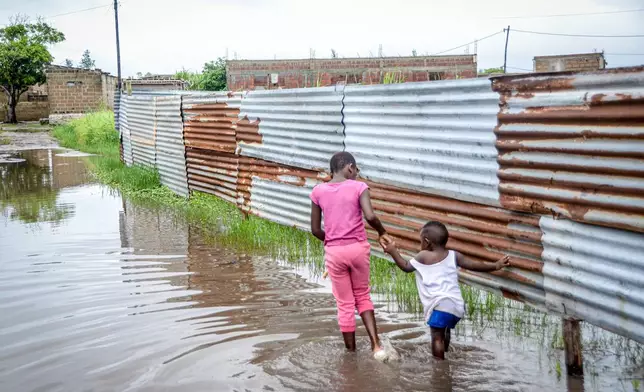
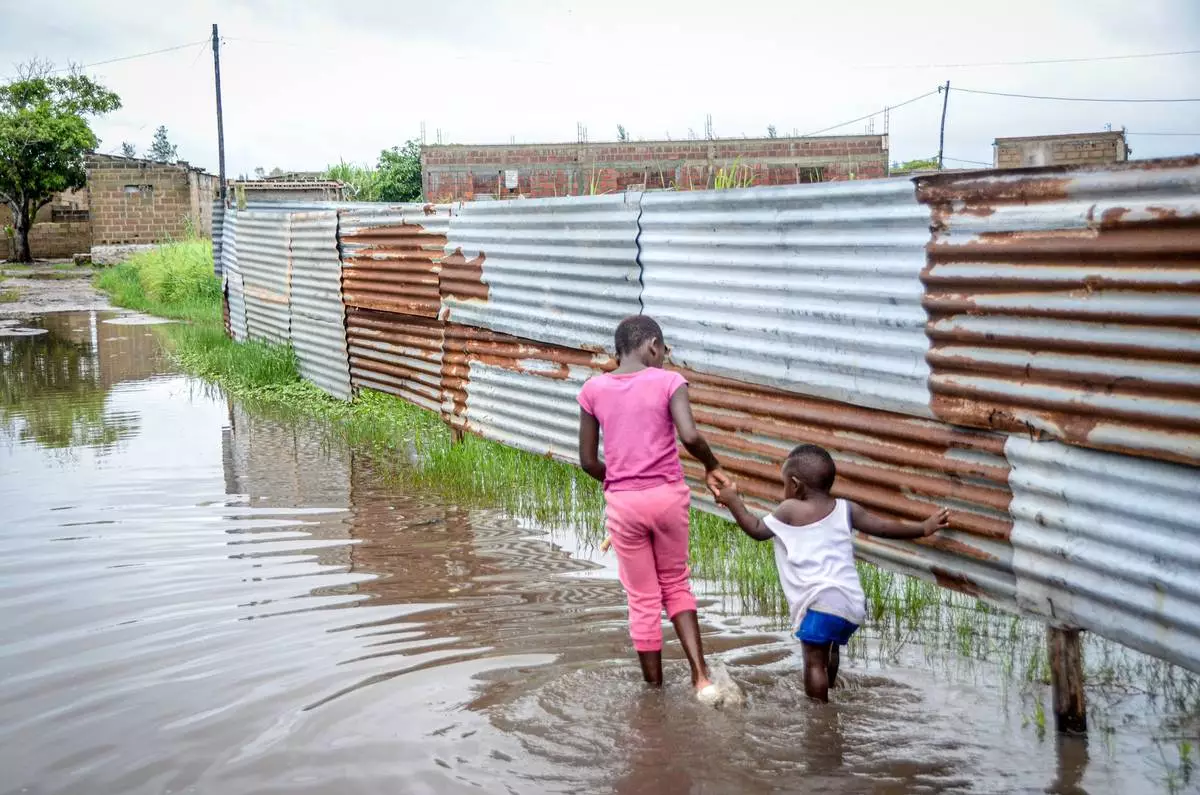
Children wade through floodwaters in a neighborhood in Maputo, Mozambique, on Friday, Jan. 16, 2026. (AP Photo/Carlos Uqueio)
Children wade through floodwaters in a neighborhood in Maputo, Mozambique, on Friday, Jan. 16, 2026. (AP Photo/Carlos Uqueio)

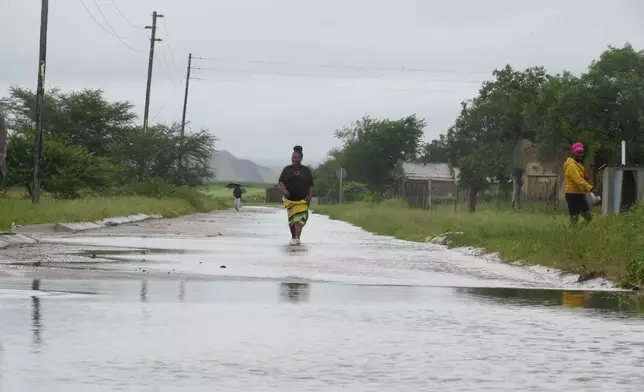
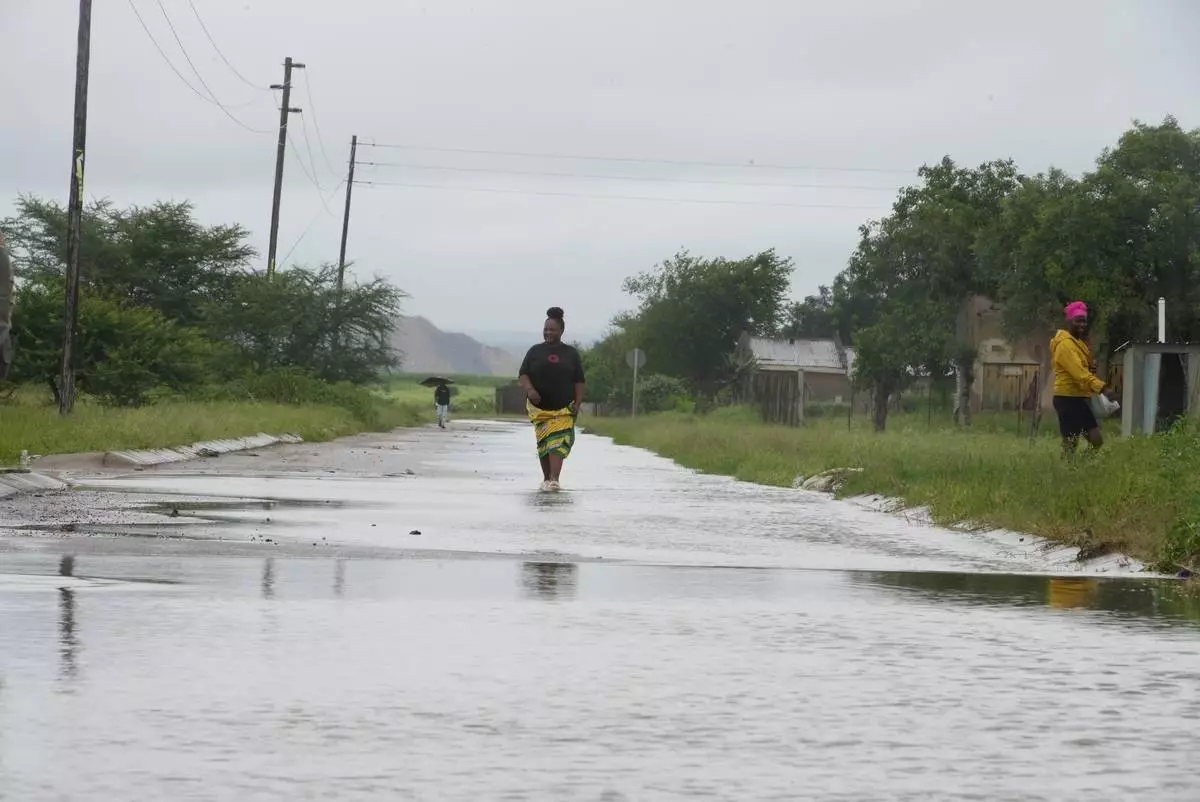
People walk through floodwaters in Nkomazi, Mpumalanga Province, South Africa, on Friday, Jan. 16, 2026. (AP Photo/Alfonso Nqunjana)
People walk through floodwaters in Nkomazi, Mpumalanga Province, South Africa, on Friday, Jan. 16, 2026. (AP Photo/Alfonso Nqunjana)

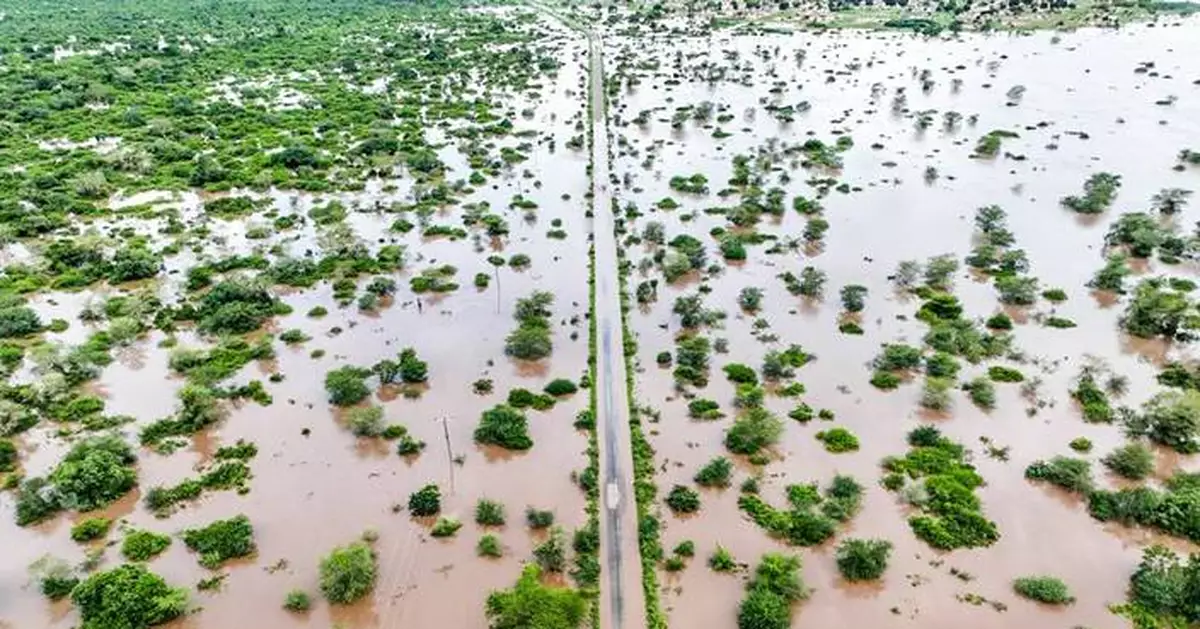
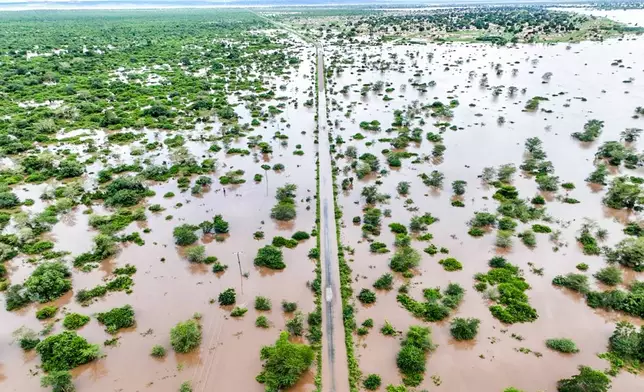
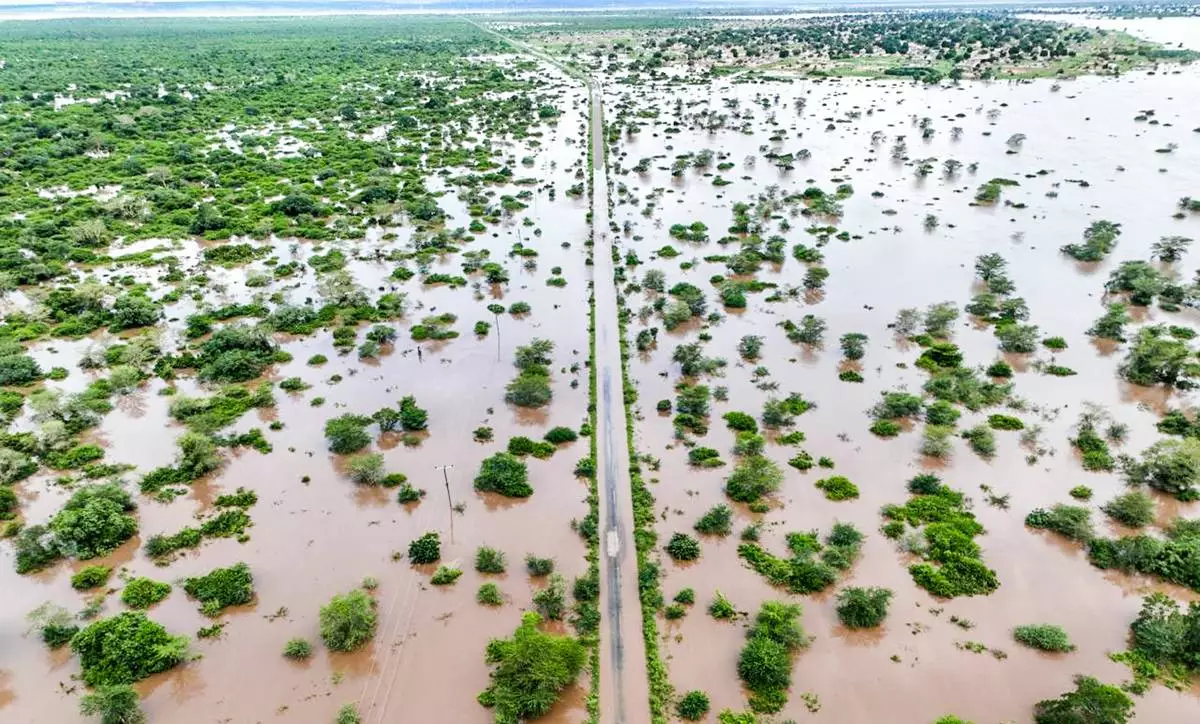
Flood waters cover the Chibuto-Chaimite road in Gaza province, Mozambique, Saturday, Jan. 17, 2026. (AP Photo)

Flood waters cover the Chibuto-Chaimite road in Gaza province, Mozambique, Saturday, Jan. 17, 2026. (AP Photo)

Here's what to know about the disaster:

More than 30 people have died in the flooding in South Africa and at least 70 in heavy rains in Zimbabwe, its northern neighbor. In Mozambique, 13 deaths have been directly attributed to flooding over the past two weeks, though the actual toll is believed to be higher.

Central and southern parts of Mozambique have been hard hit, with authorities ordering people to evacuate some towns in the southern Gaza province, where the governor says more than 300,000 people have been displaced. More than half a million people across Mozambique have been impacted by the flooding, according to the government.

The Gaza provincial capital of Xai-Xai and the nearby agricultural town of Chokwe have been submerged by the floods, with only the tips of the roofs of buildings visible in some areas. The tourist town of Marracuene, north of the capital, Maputo, is surrounded by water and effectively cut off.

In South Africa, the Kruger National Park, one of Africa's top wildlife parks, has sustained damage amounting to tens of millions of dollars and parts of it have been totally cut off by the flooding, Environment Minister Willie Aucamp said Thursday. He said roads and bridges were washed away, staff and tourist accommodation had been destroyed, and the damage was so severe in the huge park that it will likely take years to fully recover.

A special fund has been set up to rebuild the park, which covers nearly 20,000 square kilometers (7,722 square miles) — nearly the same size as Israel — and often attracts more than 1 million visitors a year. No deaths were reported in the park, though hundreds of tourists and staff were evacuated from flood-stricken areas, some by helicopter.

Kruger officials said the animals generally move to higher areas in times of flooding, but the extent of the impact on the wildlife in the park, which includes critically endangered black rhinos, is not yet clear.

The South African Air Force has deployed helicopters to rescue people stranded in trees and on the tops of buildings in the northern provinces of Mpumalanga and Limpopo. It said it was also conducting cross-border operations to assist in neighboring Mozambique and had rescued nearly 500 stranded people there. The military shared images of some of its rescue operations, which showed people huddled on rooftops surrounded by some of their possessions.

Thousands of homes and other buildings have been destroyed, and South Africa has declared a national disaster.

South African authorities are also concerned about the stability of a dam in the northeast that is under pressure from the flooding and have sent safety engineers to work on it and have ordered evacuations in case it breaches.

Humanitarian agencies say there is now increased hunger and disease, with the extreme weather wiping out crops that millions of small-scale farmers rely on to feed themselves, while the water-borne cholera disease is often a threat following major flooding.

The United Nations Children's Fund said children are especially vulnerable among the more than half a million people affected in Mozambique, with access to clean water, food and healthcare uncertain for those people.

Associated Press writers Charles Mangwiro in Maputo, Mozambique, and Michelle Gumede in Johannesburg contributed to this story.

AP Africa news: https://apnews.com/hub/africa
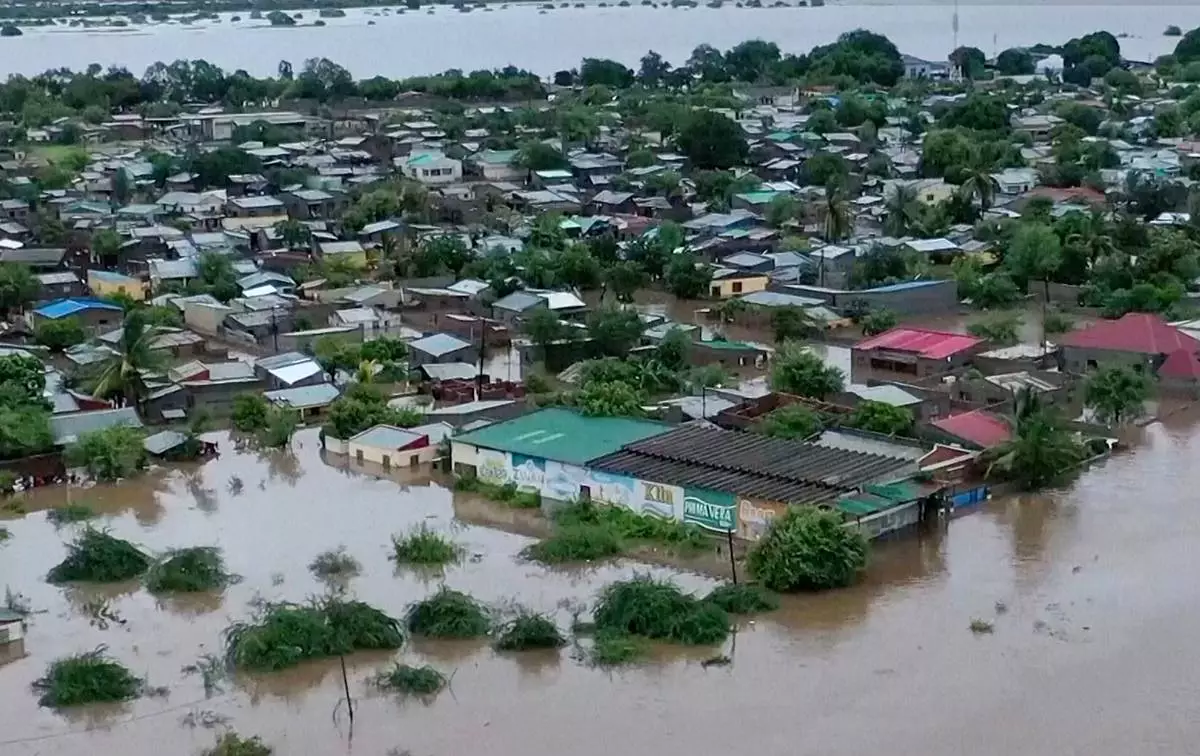
This image made from video shows the scene after flooding in Tete Province, Mozambique, Thursday, Jan. 15, 2026. (AP Photo)
This image made from video shows the scene after flooding in Tete Province, Mozambique, Thursday, Jan. 15, 2026. (AP Photo)

Vehicles lineup the flood-damaged N1 road in Maputo province road, Mozambique, Saturday, Jan. 17, 2026. (AP Photo)
Vehicles lineup the flood-damaged N1 road in Maputo province road, Mozambique, Saturday, Jan. 17, 2026. (AP Photo)

Children wade through floodwaters in a neighborhood in Maputo, Mozambique, on Friday, Jan. 16, 2026. (AP Photo/Carlos Uqueio)
Children wade through floodwaters in a neighborhood in Maputo, Mozambique, on Friday, Jan. 16, 2026. (AP Photo/Carlos Uqueio)

People walk through floodwaters in Nkomazi, Mpumalanga Province, South Africa, on Friday, Jan. 16, 2026. (AP Photo/Alfonso Nqunjana)
People walk through floodwaters in Nkomazi, Mpumalanga Province, South Africa, on Friday, Jan. 16, 2026. (AP Photo/Alfonso Nqunjana)

Flood waters cover the Chibuto-Chaimite road in Gaza province, Mozambique, Saturday, Jan. 17, 2026. (AP Photo)


Flood waters cover the Chibuto-Chaimite road in Gaza province, Mozambique, Saturday, Jan. 17, 2026. (AP Photo)

DES MOINES, Iowa (AP) — The former superintendent of Iowa’s largest school district pleaded guilty Thursday and admitted to falsely claiming to be a U.S. citizen on a federal form and illegally possessing firearms.

Ian Roberts, a native of Guyana in South America, had initially pleaded not guilty to both counts, which together carry a maximum sentence of 20 years in prison, and a trial was scheduled to begin in early March. Roberts is aware he could face deportation after he serves his sentence, according to the plea agreement he signed Wednesday.

Roberts ascended as an exuberant and inspiring leader over a two-decade career in urban education. For two years, he was superintendent of the Des Moines public school district, which serves 30,000 students.

Just weeks into a new school year, Roberts was detained by federal immigration officers. The Sept. 26 arrest stunned community members and drew national attention to his history of criminal charges and falsified credentials.

As part of Roberts’ plea agreement, prosecutors in the U.S. Attorney’s Office for the Southern District of Iowa agreed to not pursue additional charges against Roberts or others related to these counts, according to the filing. Prosecutors also agreed to recommend some leniency, but Roberts’ sentence is ultimately up to the judge.

THIS IS A BREAKING NEWS UPDATE. AP’s earlier story follows below.

DES MOINES, Iowa (AP) —

The former superintendent of Iowa’s largest school district is expected to plead guilty in federal court Thursday to two charges, including falsely claiming to be a U.S. citizen, which could result in a lengthy prison sentence and increase the risk of deportation.

Ian Roberts, a native of Guyana in South America and a former Olympic runner, ascended as an exuberant and inspiring leader over a two-decade career in urban education. For two years, he was superintendent of the Des Moines public school district, which serves 30,000 students.

Just weeks into a new school year, Roberts was detained by federal immigration officers. The Sept. 26 arrest stunned community members and drew national attention to his history of criminal charges and falsified credentials.

Roberts in October initially pleaded not guilty to one count of making a false statement for employment and one count of unlawfully possessing a firearm while being in the country illegally. Together, the charges carry a maximum sentence of 20 years in prison. Roberts is expected to plead guilty to both charges, according to a plea agreement he signed Wednesday.

The plea agreement also indicates that Roberts is aware he could face deportation after he serves his sentence.

In a targeted U.S. Immigration and Customs Enforcement operation, Roberts was pulled over in his school-issued Jeep Cherokee and allegedly fled from federal agents. They later found the car abandoned near a wooded area and located Roberts with the help of state troopers. Authorities said a loaded handgun was wrapped in a towel under the seat and there was $3,000 in cash in the car.

A federal grand jury in October returned a two-count indictment. According to the plea agreement, Roberts admits he knowingly and intentionally made a “false attestation” on the Employment Eligibility Verification form, known as an I-9, that he submitted in Des Moines, claiming he was a U.S. citizen even though he was not. That carries a punishment of up to five years in prison and a fine.

Roberts completed the I-9 form when he was hired in 2023 and submitted a Social Security card and driver’s license as verifying documents, according to the district. He also stated he was a U.S. citizen in his application to the state board of educational examiners, which issued Roberts a professional administrator license in 2023.

Roberts was subject to a notice to appear before an immigration judge in October 2020, just months before his work authorization was set to expire, and a final removal order in 2024, authorities said. District officials said they were not aware of the immigration issues.

Alfredo Parrish, one of Roberts’ attorneys, has said his client was under the impression from a prior attorney that his immigration case was “resolved successfully.”

Parrish declined to comment Wednesday.

Phil Roeder, a spokesperson for Des Moines Public Schools, declined to comment on Roberts' legal proceedings. The district's focus “remains on serving the educational needs of students," he said in a statement.

Roberts also faces a federal weapons charge, punishable by up to 15 years in prison and a fine. The indictment describes two pistols, a rifle and a shotgun found in Roberts’ possession. In addition to the one in his vehicle when he was arrested, three firearms were found during a search of Roberts’ home, authorities said.

Roberts will agree to forfeit the weapons, according to the agreement.

As part of Roberts’ plea agreement, prosecutors in the U.S. Attorney's Office for the Southern District of Iowa agreed to not pursue additional charges against Roberts or others related to these counts. Prosecutors also agreed to recommend some leniency but Roberts' sentence is ultimately up to the judge.

A trial had been scheduled to begin in early March.

FILE - This photo provided by WOI Local 5 News in September 2025 shows Des Moines schools Superintendent Ian Roberts. (WOI Local 5 News via AP, File)

FILE - This photo provided by WOI Local 5 News in September 2025 shows Des Moines schools Superintendent Ian Roberts. (WOI Local 5 News via AP, File)

Recommended Articles