Skip to Content Facebook Feature Image

FAA is making the rules imposed after an airliner collided with an Army helicopter permanent

News

FAA is making the rules imposed after an airliner collided with an Army helicopter permanent
News

News

FAA is making the rules imposed after an airliner collided with an Army helicopter permanent

2026-01-23 08:14 Last Updated At:01-24 13:17

The temporary rules imposed after last year's collision of an airliner and an Army helicopter to improve the safety of the crowded airspace around Washington D.C. are being made permanent, the government announced Thursday.

The Federal Aviation Administration took steps to make sure that helicopters and airplanes would no longer share the same airspace around Reagan National Airport shortly after the investigation into the Jan. 29 crash began. The rules also prohibit air traffic controllers from relying on visual separation and require all military aircraft to broadcast their locations.

The National Transportation Safety Board plans to hold a hearing next Tuesday to detail everything that contributed to the deadliest plane crash on American soil since 2001.

“After that horrific night in January, this administration made a promise to do whatever it takes to secure the skies over our nation’s capital and ensure such a tragedy would never happen again. Today’s announcement reaffirms that commitment,” Transportation Secretary Sean Duffy said.

The families of the 67 people who died after an Army Black Hawk helicopter struck an American Airlines jet that was preparing to land hope Duffy and Congress will act on the recommendations NTSB is expected to make next week to help prevent a similar tragedy from ever happening again.

Matt Collins, who lost his younger brother Chris in the disaster, said he and many of the other families plan to keep going to Washington so often that lawmakers will get sick of seeing them until changes are made.

“I hope to have some hearings done in the Senate and Congress, and I hope results come out of these hearings that they have,” said Collins who lives in Dighton, Massachusetts. “I hope we’re not just placated and it falls off into the background until another big news story comes up.”

The FAA said the new final rule will take effect on Friday. It will continue to require military aircraft to broadcast their locations using their ADS-B Out systems, which was routinely not done before the crash. And air traffic controllers are not allowed to rely on pilots to ensure visual separation between aircraft within five miles (eight kilometers) of Reagan airport.

The NTSB has said that the Black Hawk helicopter in the crash was flying 78 feet (24 meters) higher than the 200-foot (61-meter) limit on the route and likely had a faulty altimeter. But even if the helicopter had been adhering to that limit, the NTSB has said the route design didn't provide nearly enough separation to ensure safety.

Air traffic controllers had warned the FAA years beforehand about the dangers of all the helicopters around the nation's capital, and the agency failed to recognize an alarming pattern of 85 near misses in the three years before the crash.

Collins said he still flies often for work and pleasure, but his parents haven't boarded a plane since the crash.

“I still think flying is probably the safest mode of transportation, but I think it could be a heck of a lot safer,” he said.

Many of the people who died on the flight were young figure skaters and their parents and coaches who had just attended a development camp in Wichita, Kansas, after the U.S. figure skating championships were held there.
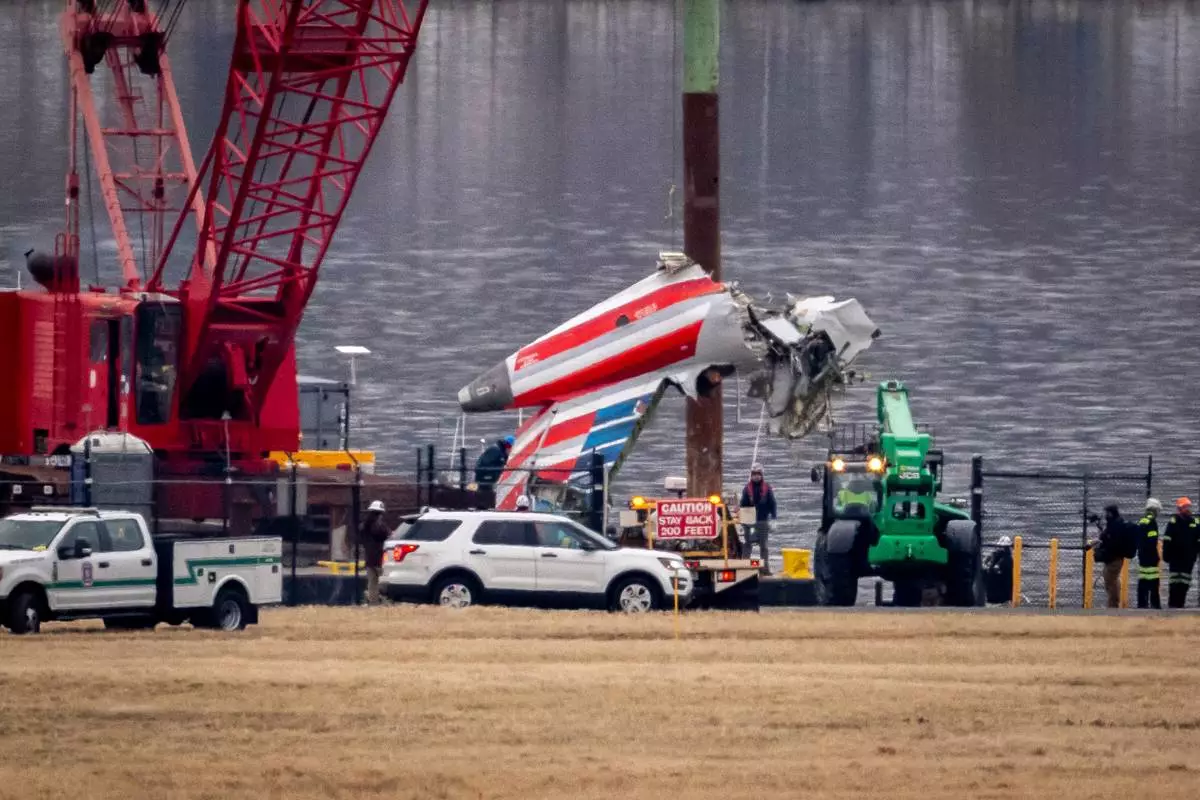
FILE - A crane offloads a piece of wreckage from a salvage vessel onto a flatbed truck, near the wreckage site in the Potomac River of a mid-air collision between an American Airlines jet and a Black Hawk helicopter, at Ronald Reagan Washington National Airport, Feb. 5, 2025, in Arlington, Va. (AP Photo/Ben Curtis, File)
FILE - A crane offloads a piece of wreckage from a salvage vessel onto a flatbed truck, near the wreckage site in the Potomac River of a mid-air collision between an American Airlines jet and a Black Hawk helicopter, at Ronald Reagan Washington National Airport, Feb. 5, 2025, in Arlington, Va. (AP Photo/Ben Curtis, File)

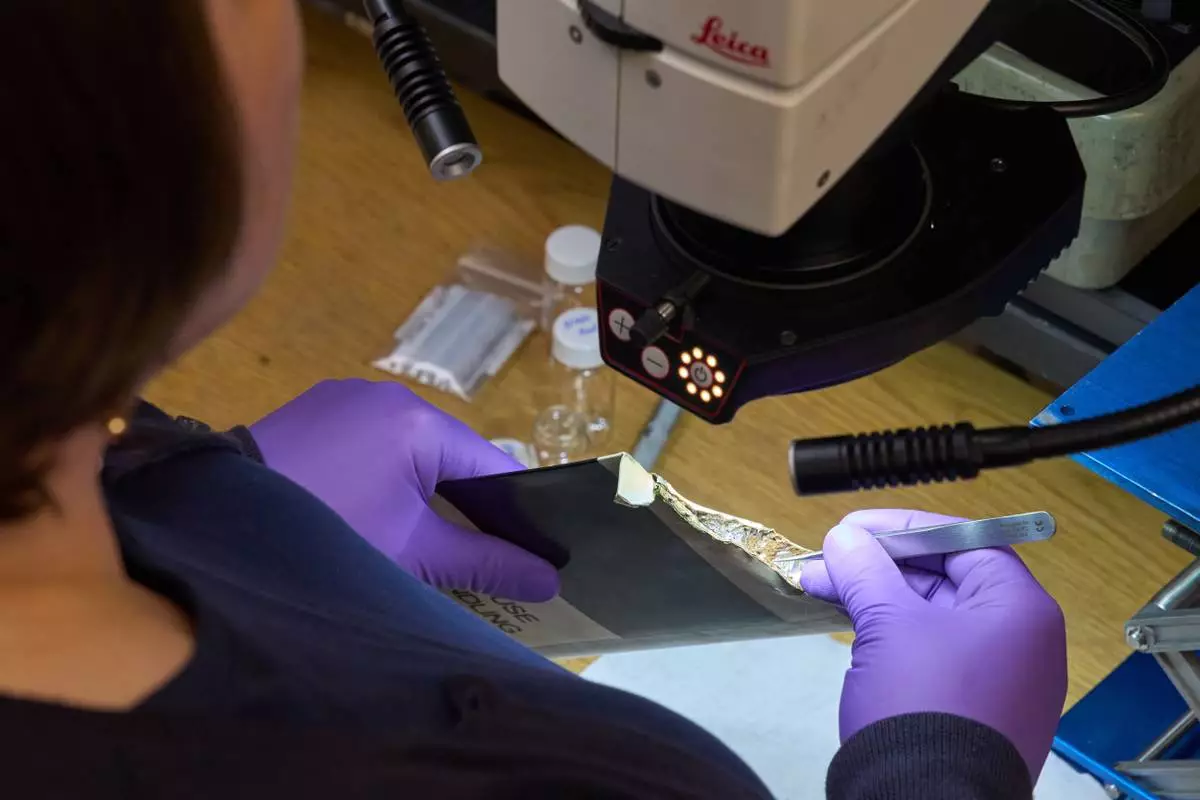
Materials Engineer Adrienne Lamm, uses an optical microscope to examine debris from inside the tail rotor blade of a helicopter, inside the Materials Laboratory of the National Transportation Safety Board (NTSB), Tuesday, Jan. 20, 2026, in Washington. (AP Photo/Jacquelyn Martin)
Materials Engineer Adrienne Lamm, uses an optical microscope to examine debris from inside the tail rotor blade of a helicopter, inside the Materials Laboratory of the National Transportation Safety Board (NTSB), Tuesday, Jan. 20, 2026, in Washington. (AP Photo/Jacquelyn Martin)

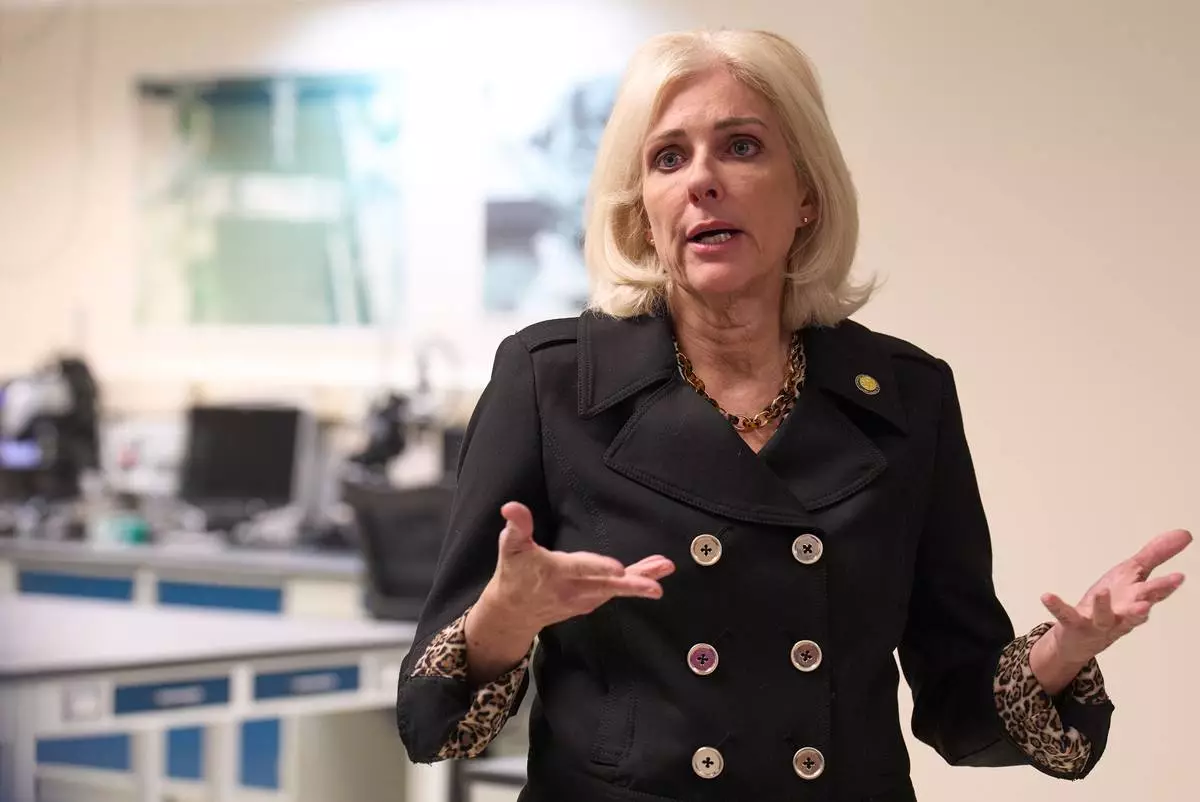
Jennifer Homendy, chair of the National Transportation Safety Board (NTSB), speaks with journalists during a tour of the NTSB's laboratories, Tuesday, Jan. 20, 2026, in Washington. (AP Photo/Jacquelyn Martin)
Jennifer Homendy, chair of the National Transportation Safety Board (NTSB), speaks with journalists during a tour of the NTSB's laboratories, Tuesday, Jan. 20, 2026, in Washington. (AP Photo/Jacquelyn Martin)
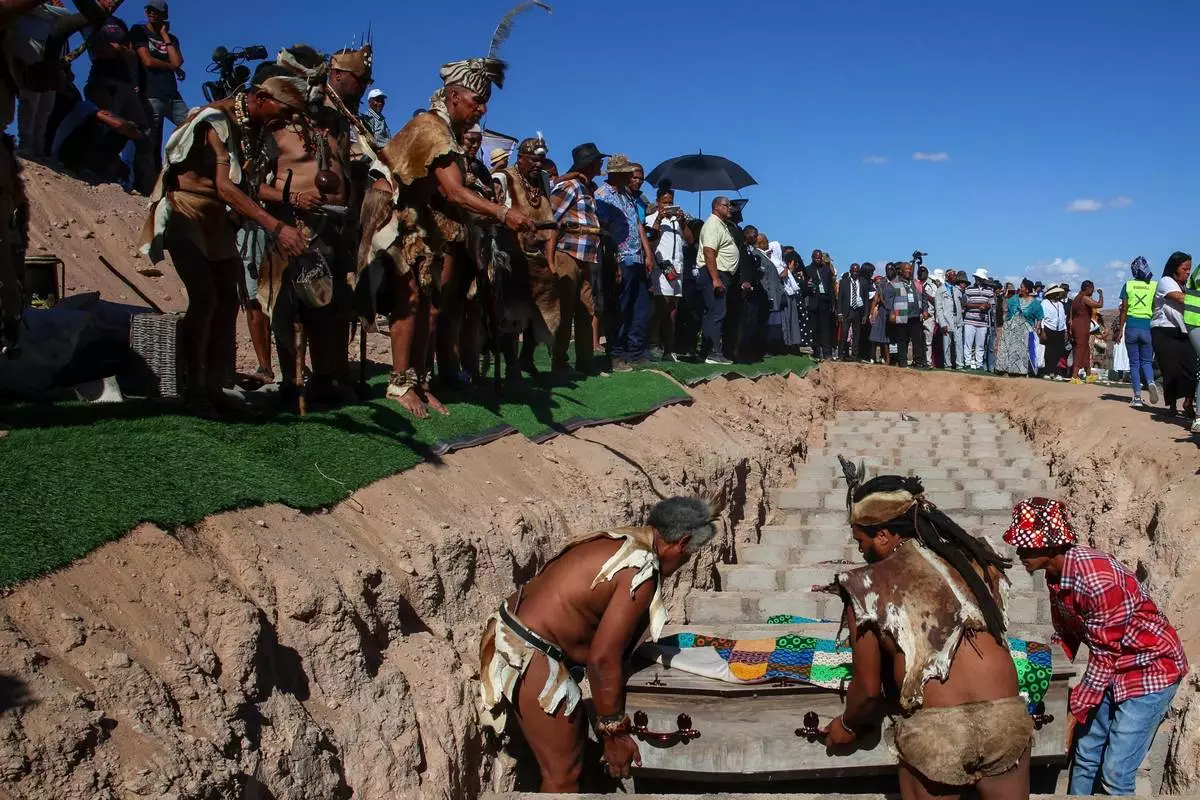
JOHANNESBURG (AP) — The remains of dozens of Africans whose bodies were dug up and sent to Europe for scientific research long ago were reburied Monday in South Africa, whose president called the practice “rooted in racism and used to advance theories of European racial superiority.”

The remains of at least 63 members of the Khoi and San communities had been repatriated from a European museum, part of a wider movement in Africa to bring back remains and artifacts that had been stolen or removed from the continent.

Widely acknowledged as the earliest inhabitants of southern Africa, the Khoi and San waged resistance against colonialism, and many were killed by European settlers.

The remains being reburied were dug up between 1868 and 1924 and donated to The Hunterian Museum at the University of Glasgow in Scotland. Others had been housed at the Iziko Museums in South Africa since the 1920s.

South African President Cyril Ramaphosa, who attended the reburial with museum representatives and traditional leaders, said the repatriation followed negotiations between the university and the government that started in 2022.

Ramaphosa called it part of efforts to restore dignity.

“The sale of human remains of Indigenous peoples for study in Europe was rooted in racism and used to advance theories of European racial superiority," he said. “They were dug up and turned into commodities and specimens, displayed under the cold gaze of pseudoscience."

Ramaphosa said most European countries must do more to acknowledge the indignity suffered by Africans through colonialism and consider paying reparations to their former colonies.

Follow AP’s Africa coverage at: https://apnews.com/hub/africa

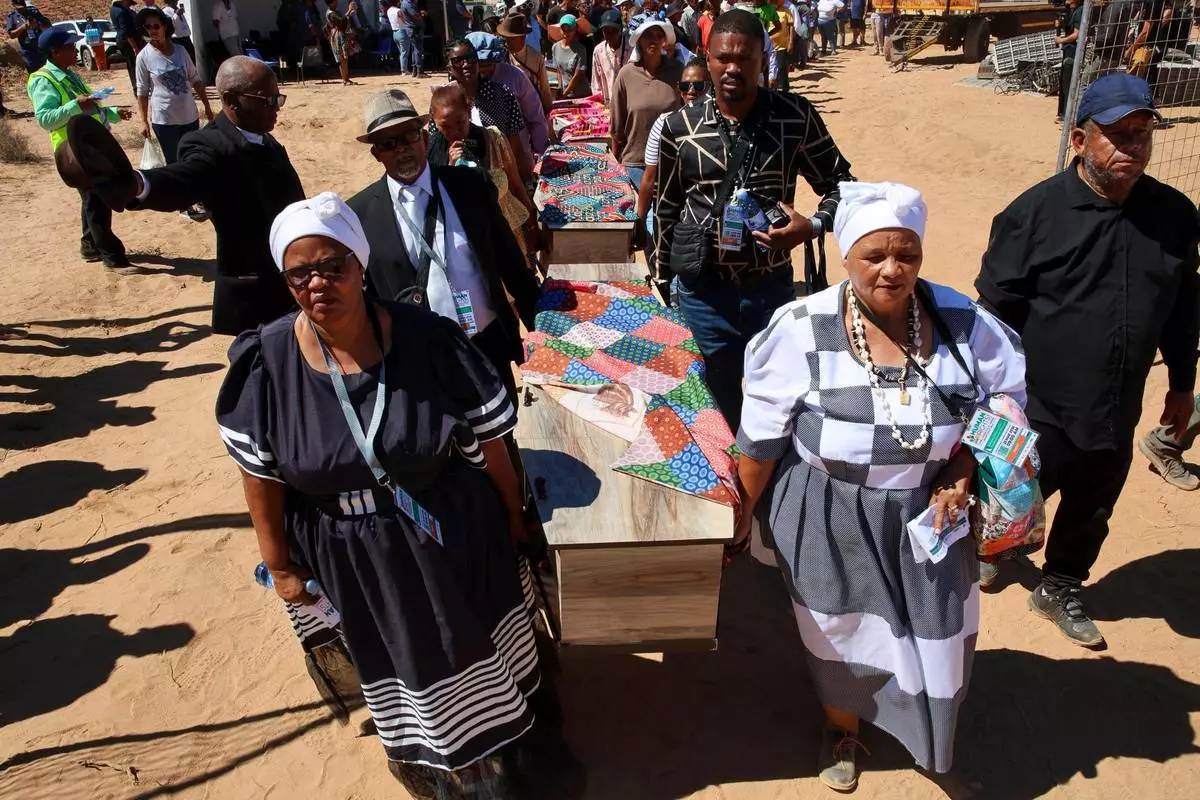
In this photo provided by the South African Government Communications and Information Services, families and community members carry coffins during a reburial of remains of dozens of Africans whose bodies were dug up and sent to Europe for scientific research long ago, in Steinkopf, South Africa, Monday, March 23, 2026. (Jairus Mmutle/GCIS via AP)

In this photo provided by the South African Government Communications and Information Services, families and community members carry coffins during a reburial of remains of dozens of Africans whose bodies were dug up and sent to Europe for scientific research long ago, in Steinkopf, South Africa, Monday, March 23, 2026. (Jairus Mmutle/GCIS via AP)

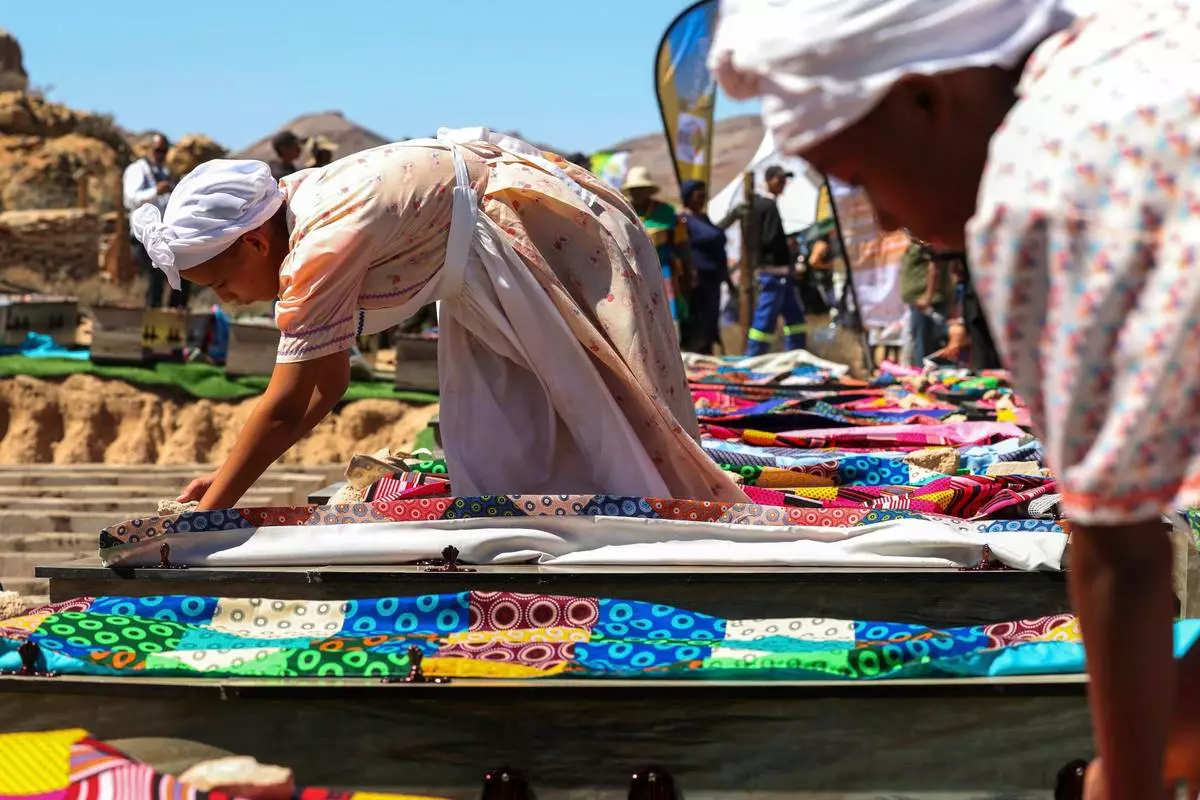
In this photo provided by the South African Government Communications and Information Services, women draping coffins with traditional cloth during a reburial of remains of dozens of Africans whose bodies were dug up and sent to Europe for scientific research long ago, in Steinkopf, South Africa, Monday, March 23, 2026. (Jairus Mmutle/GCIS via AP)

In this photo provided by the South African Government Communications and Information Services, women draping coffins with traditional cloth during a reburial of remains of dozens of Africans whose bodies were dug up and sent to Europe for scientific research long ago, in Steinkopf, South Africa, Monday, March 23, 2026. (Jairus Mmutle/GCIS via AP)

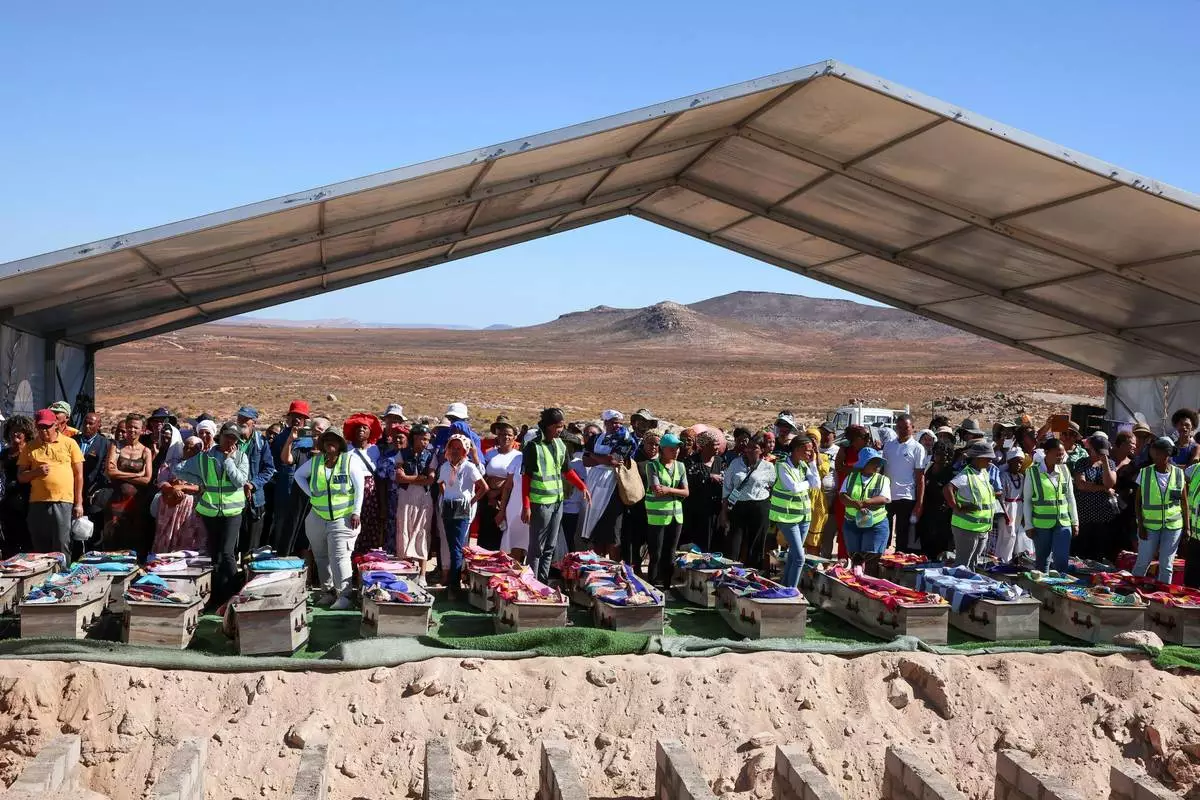
In this photo provided by the South African Government Communications and Information Services, families and community members stand behind the coffins during a reburial of remains of dozens of Africans whose bodies were dug up and sent to Europe for scientific research long ago, in Steinkopf, South Africa, Monday, March 23, 2026. (Jairus Mmutle/GCIS via AP)

In this photo provided by the South African Government Communications and Information Services, families and community members stand behind the coffins during a reburial of remains of dozens of Africans whose bodies were dug up and sent to Europe for scientific research long ago, in Steinkopf, South Africa, Monday, March 23, 2026. (Jairus Mmutle/GCIS via AP)

In this photo provided by the South African Government Communications and Information Services, Men lower a coffin into the grave during a reburial of remains of dozens of Africans whose bodies were dug up and sent to Europe for scientific research long ago, in Steinkopf, South Africa, Monday, March 23, 2026. (Jairus Mmutle/GCIS via AP)

In this photo provided by the South African Government Communications and Information Services, Men lower a coffin into the grave during a reburial of remains of dozens of Africans whose bodies were dug up and sent to Europe for scientific research long ago, in Steinkopf, South Africa, Monday, March 23, 2026. (Jairus Mmutle/GCIS via AP)

Recommended Articles