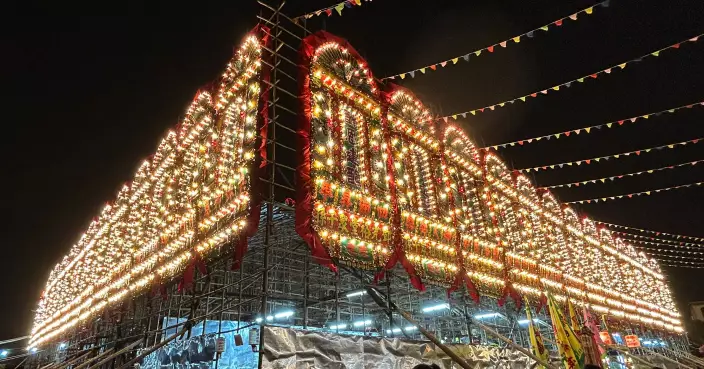
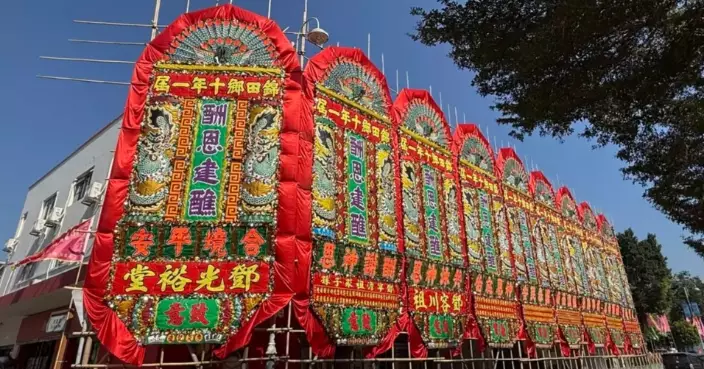
As the Kam Tin Ten-Yearly Thanksgiving Festival just concluded successfully at the end of last year, the "Kam Tin Thanksgiving Celebration Carnival" followed from January 17th to 23rd, held at the Chou Wong Yi Kung Study Hall in the Shui Tau Village of Yuen Long. The celebration carnival features Cantonese Opera for Deities, lion dance competitions, and a large-scale food stall market, attracting a large number of citizens and tourists to participate and experience this once-a-decade cultural event.
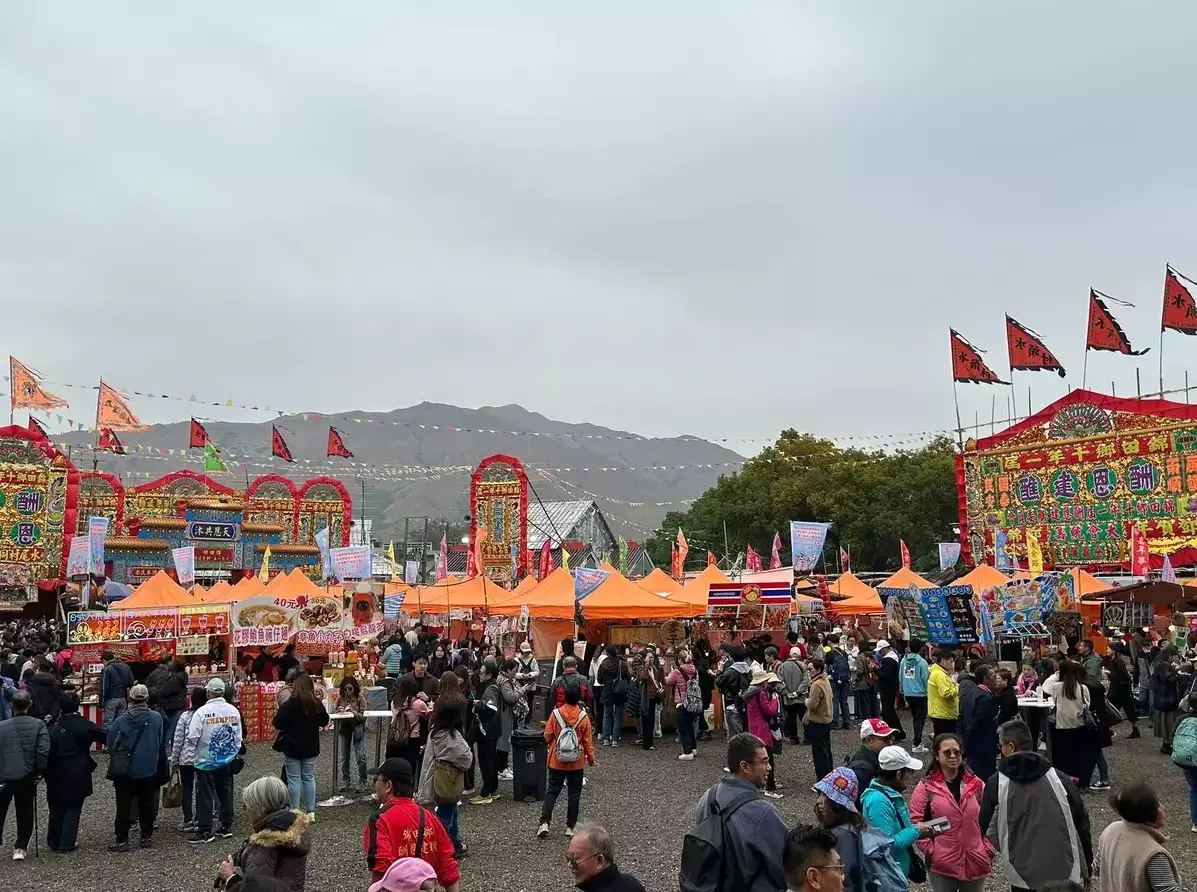
The celebration carnival has attracted a large number of citizens and tourists to participate and experience this once-a-decade cultural event. Photo by Bastille Post
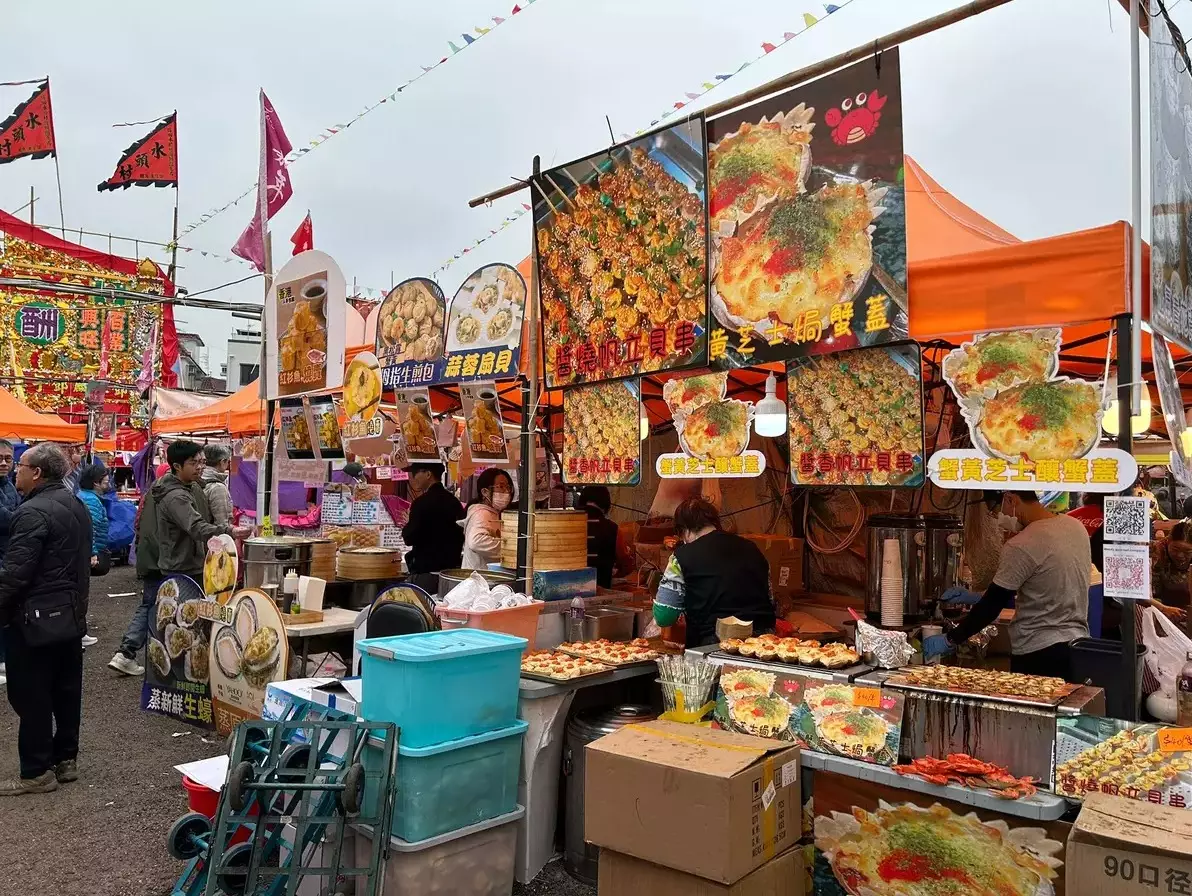
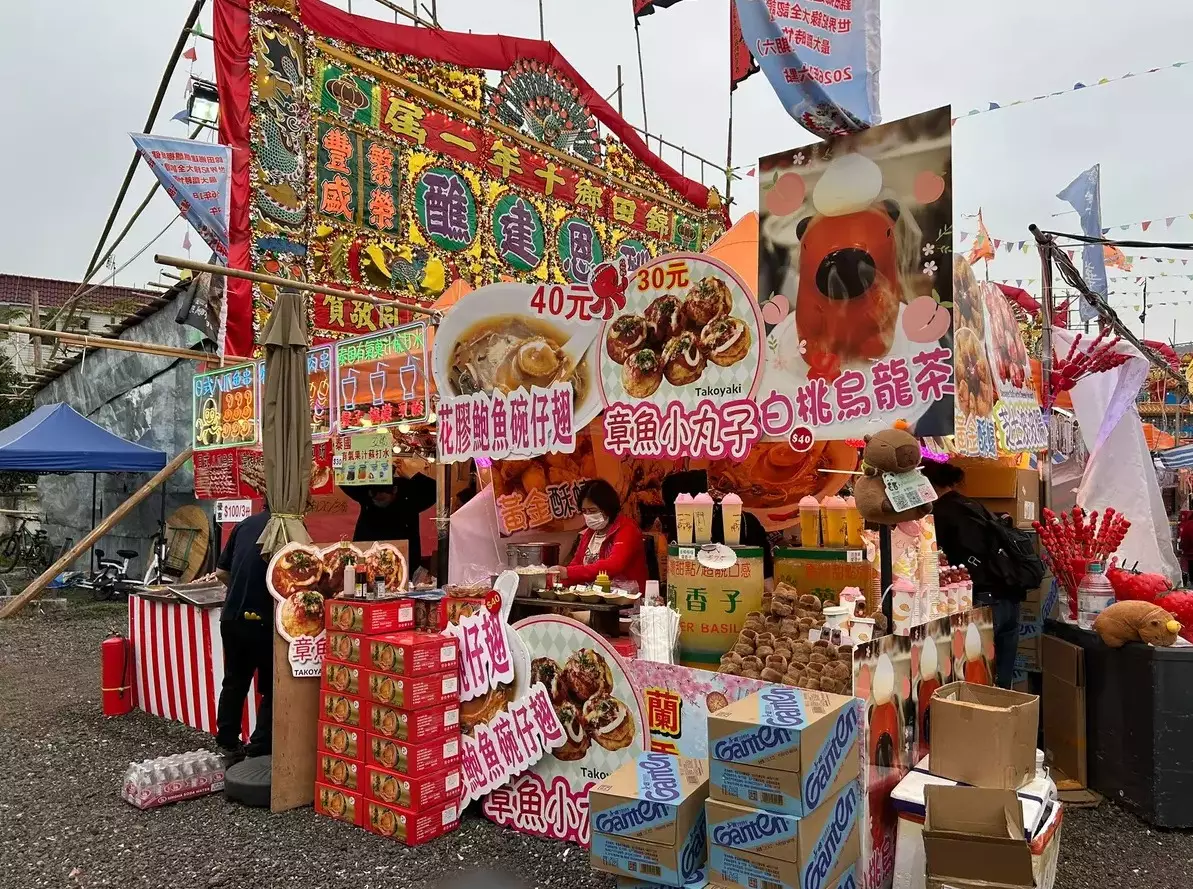
The Hong Kong-style food stall, Photo by Bastille Post
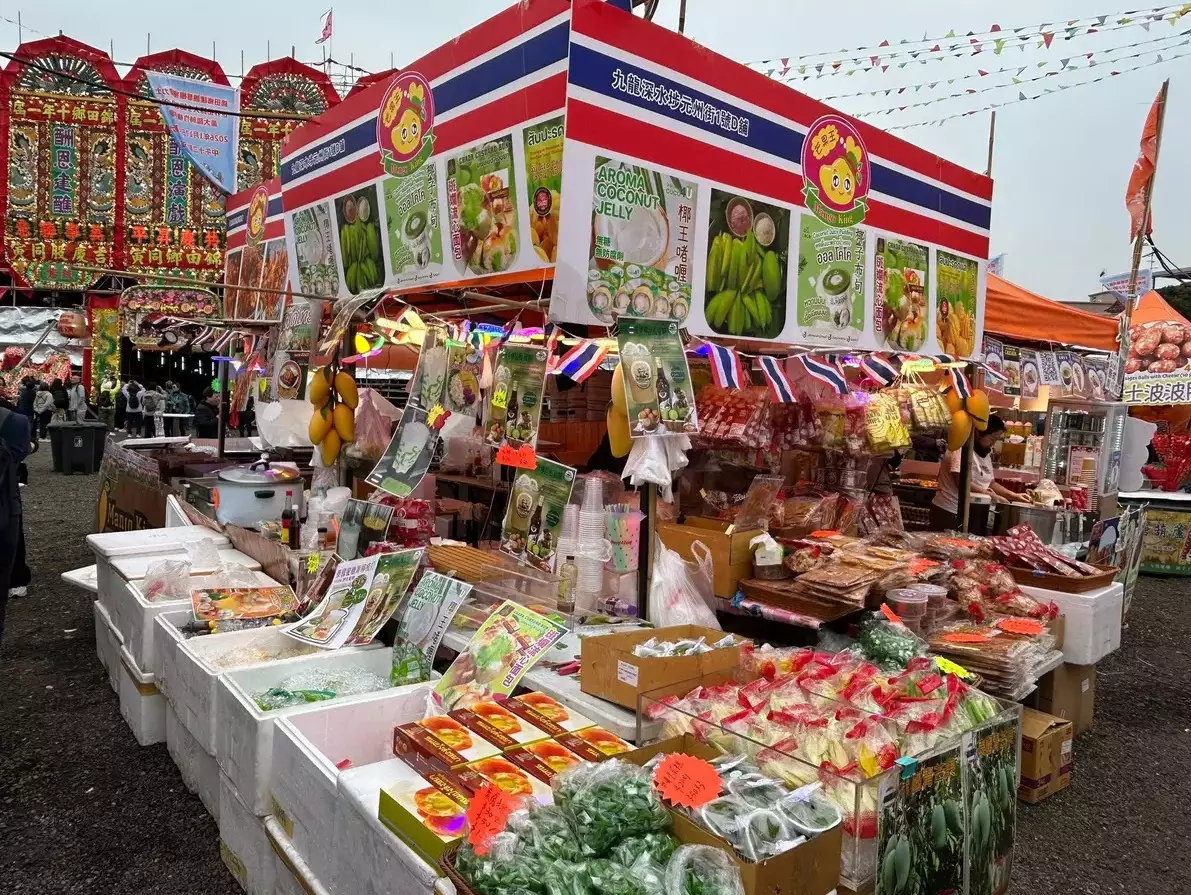
The Thai-style food stall, Photo by Bastille Post
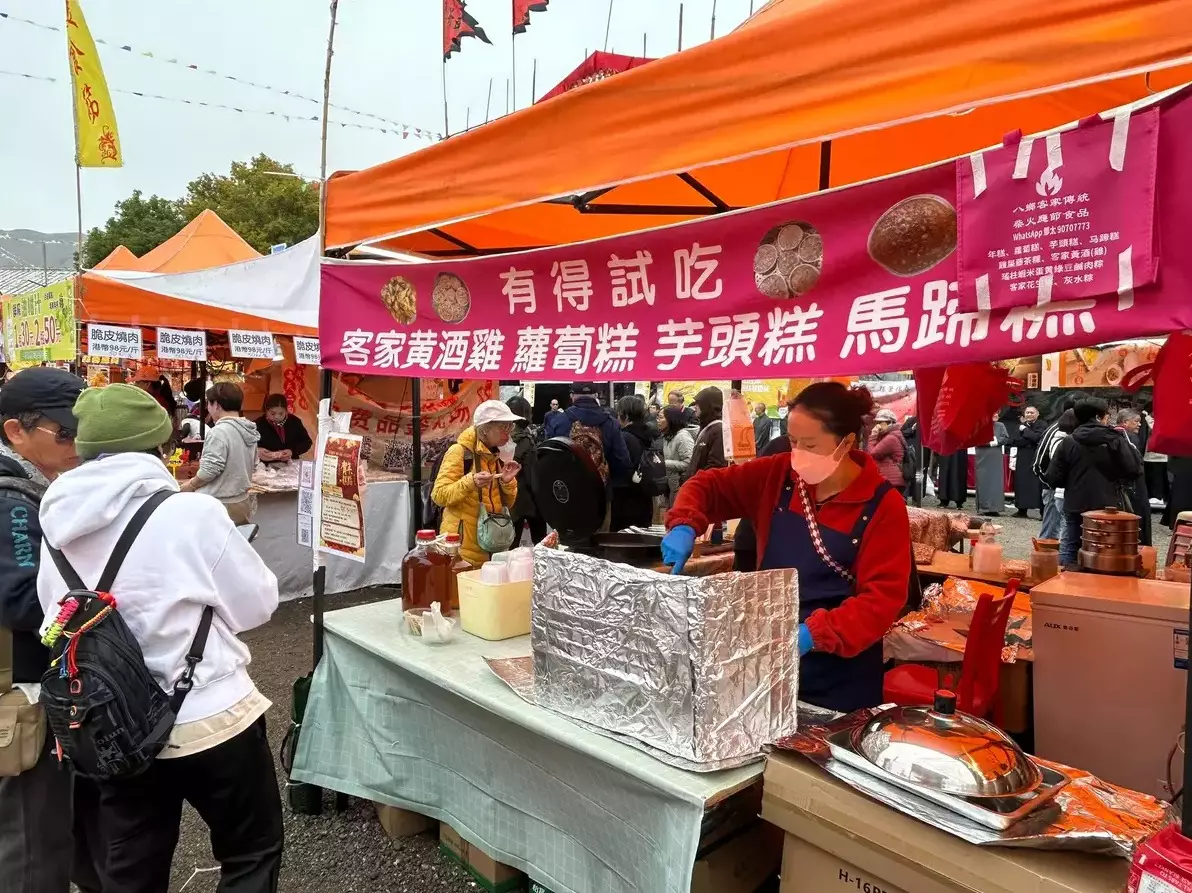
Some stalls attracted customers with free snack samples. Photo by Bastille Post
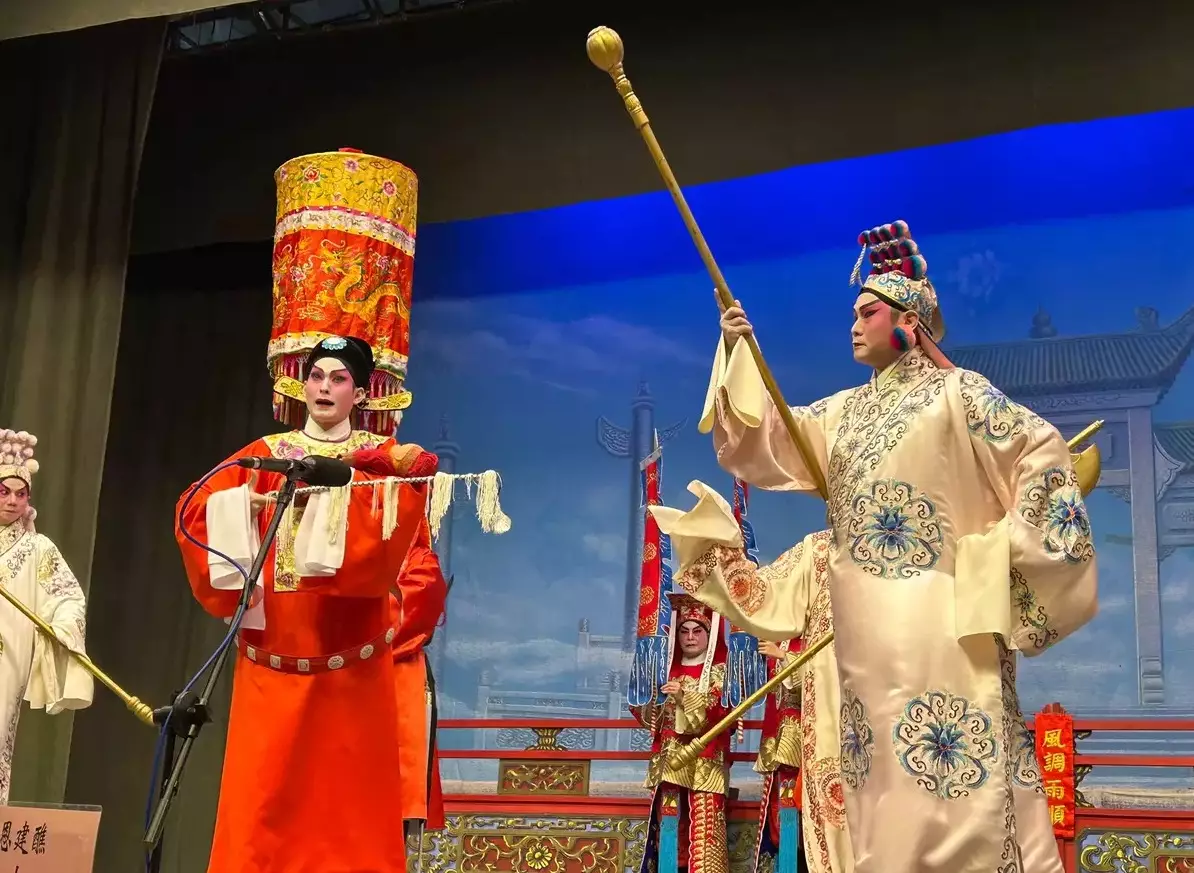
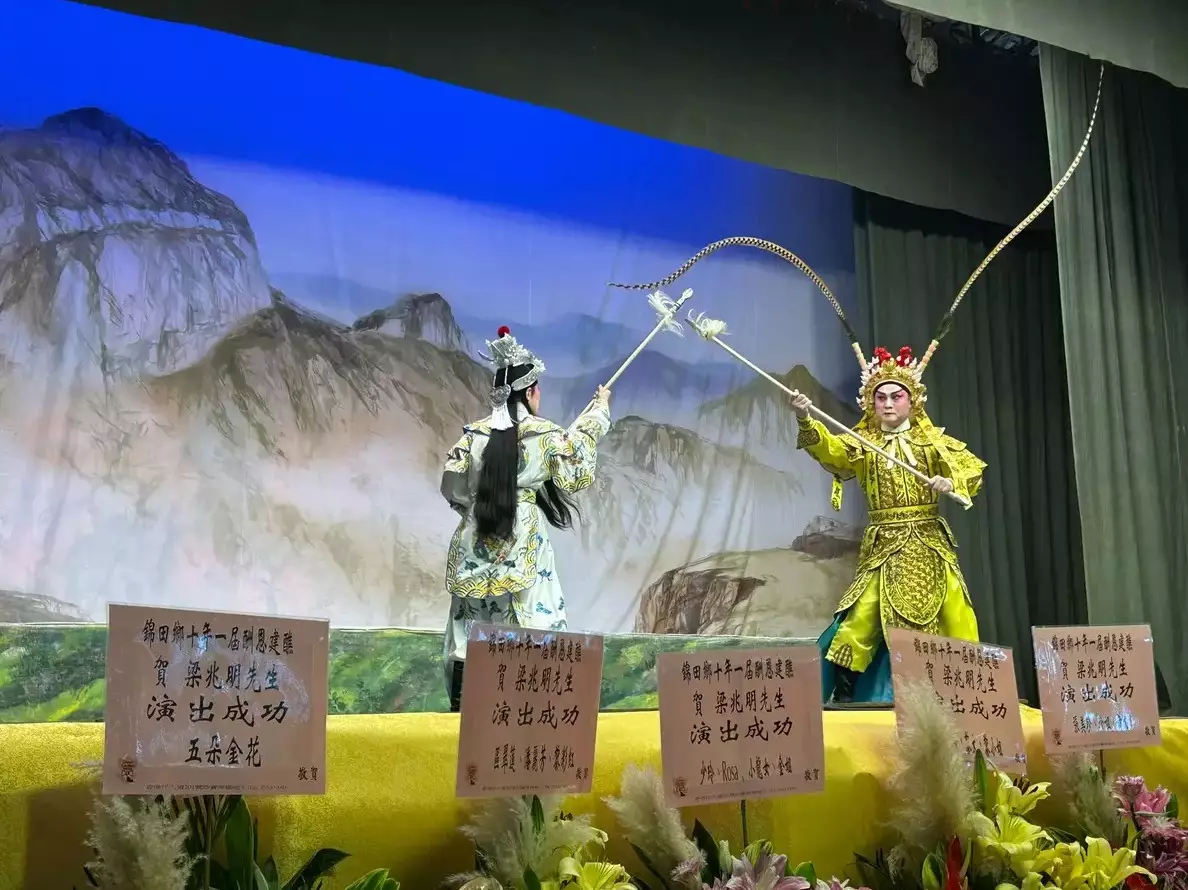
Based on three core themes: "offer opera performances to deities to thank for their blessing", "food carnival," and "lion dance competition", the celebration event features the seven-day performance of the Hung Wan Cantonese Opera Troupe, which is specially invited by the Kam Tin Rural Committee, in the bamboo opera theatre converted from the bamboo altar that has been officially recognized by Guinness World Records as the world’s largest temporary bamboo altar. Renowned Cantonese opera performers such as Leung Siu-ming, Loong Koon-tin, Hong Wah, and Wang Kit-ching, etc. would take turns presenting classic plays, including The Legend of the Purple Hairpin and Between Tears and Smiles, etc.
Click to Gallery
The celebration carnival has attracted a large number of citizens and tourists to participate and experience this once-a-decade cultural event. Photo by Bastille Post
The Hong Kong-style food stall, Photo by Bastille Post
The Thai-style food stall, Photo by Bastille Post
Some stalls attracted customers with free snack samples. Photo by Bastille Post
The Cantonese Opera for Deities on the site, Photo by Bastille Post
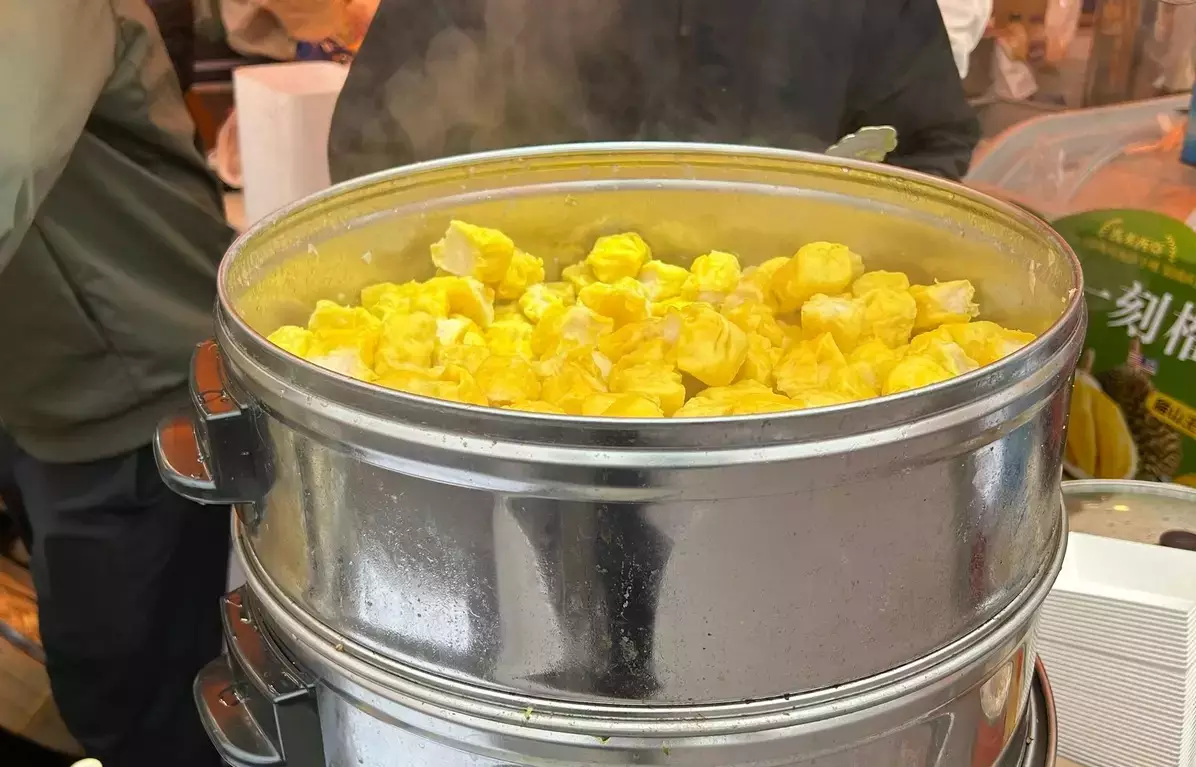
The Siu Mai on the site, Photo by Bastille Post
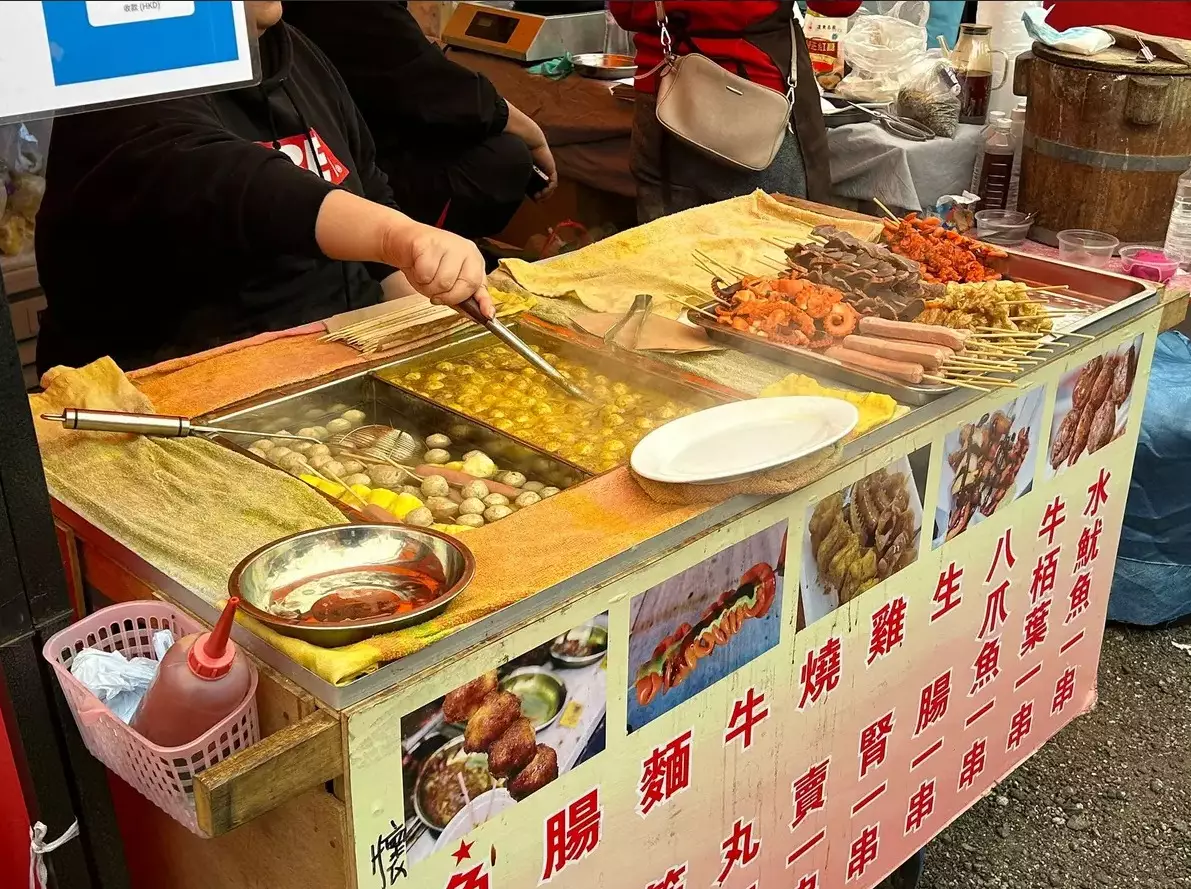
The fish balls on the site, Photo by Bastille Post
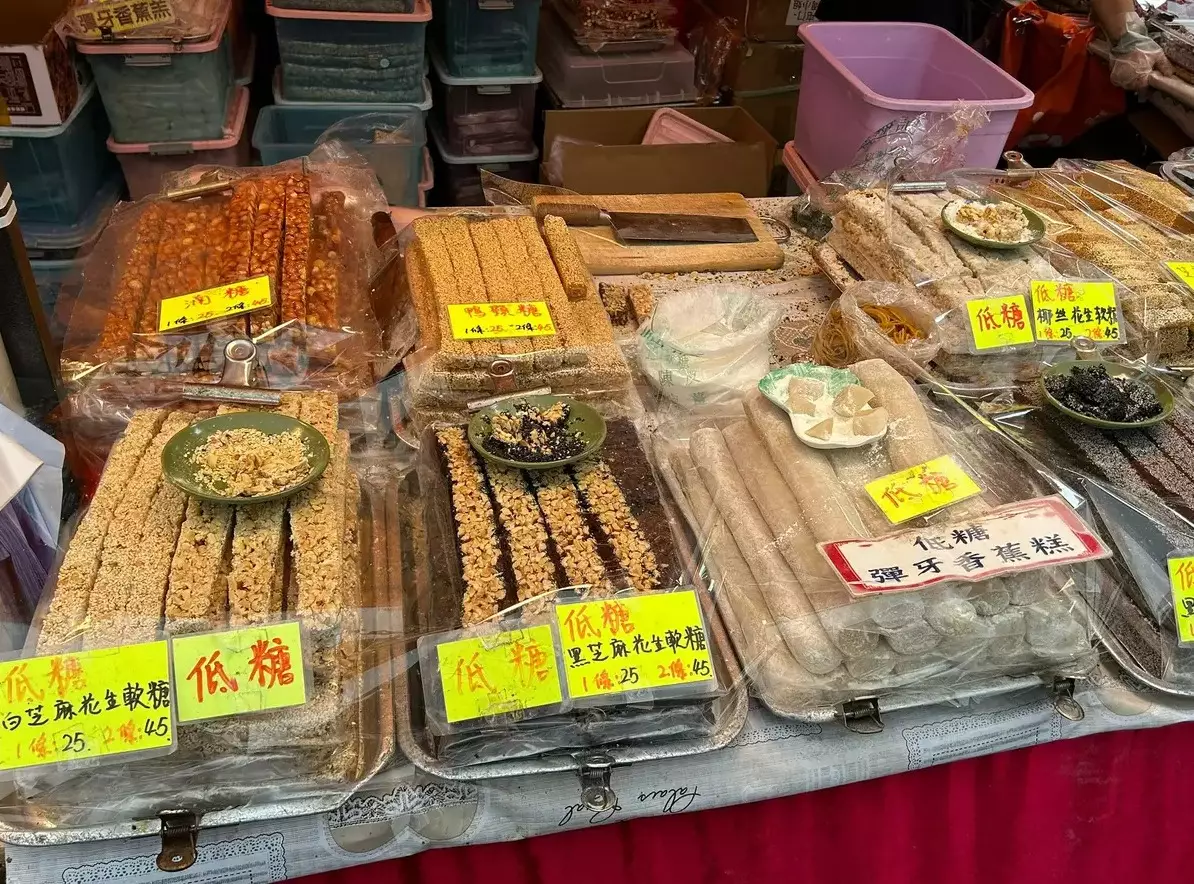
The Hong Kong-style candies on the site, Photo by Bastille Post
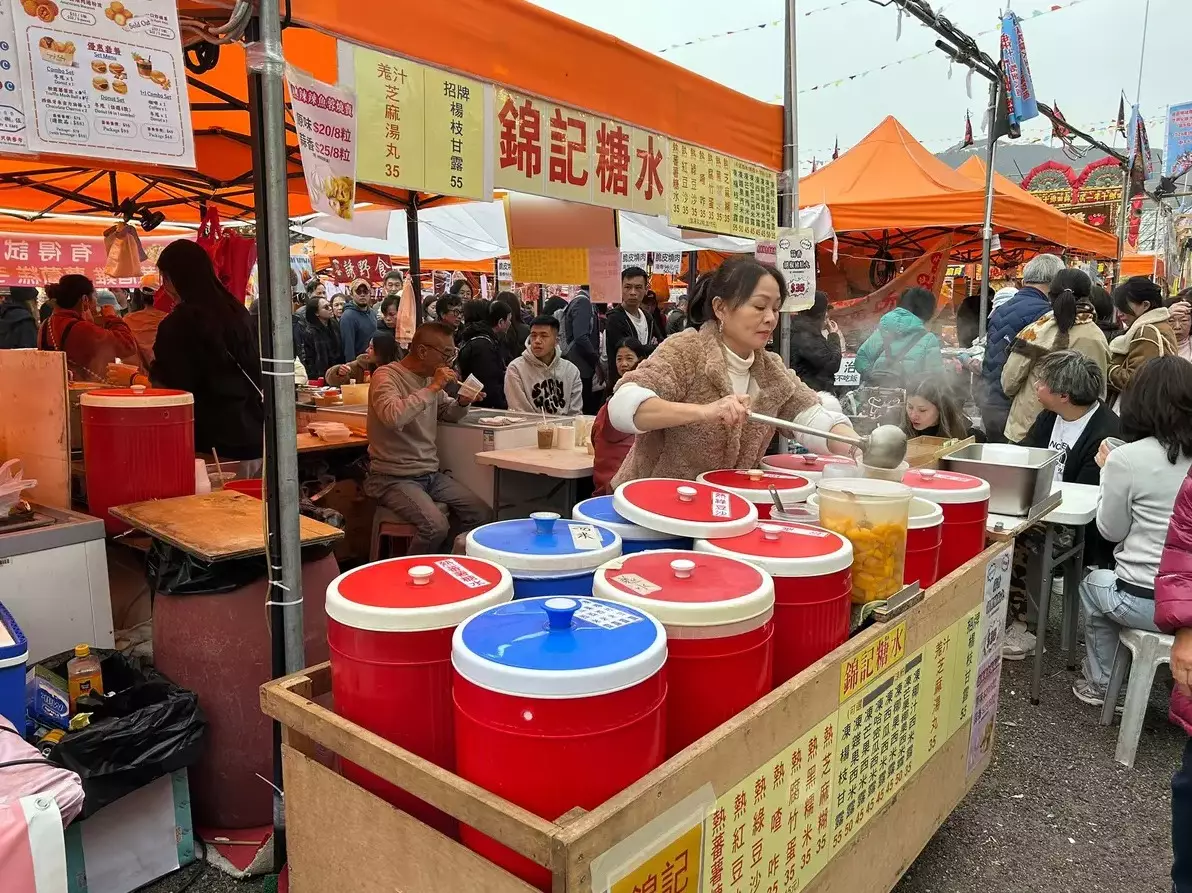
The Hong Kong-style Tong Sui on the site, Photo by Bastille Post
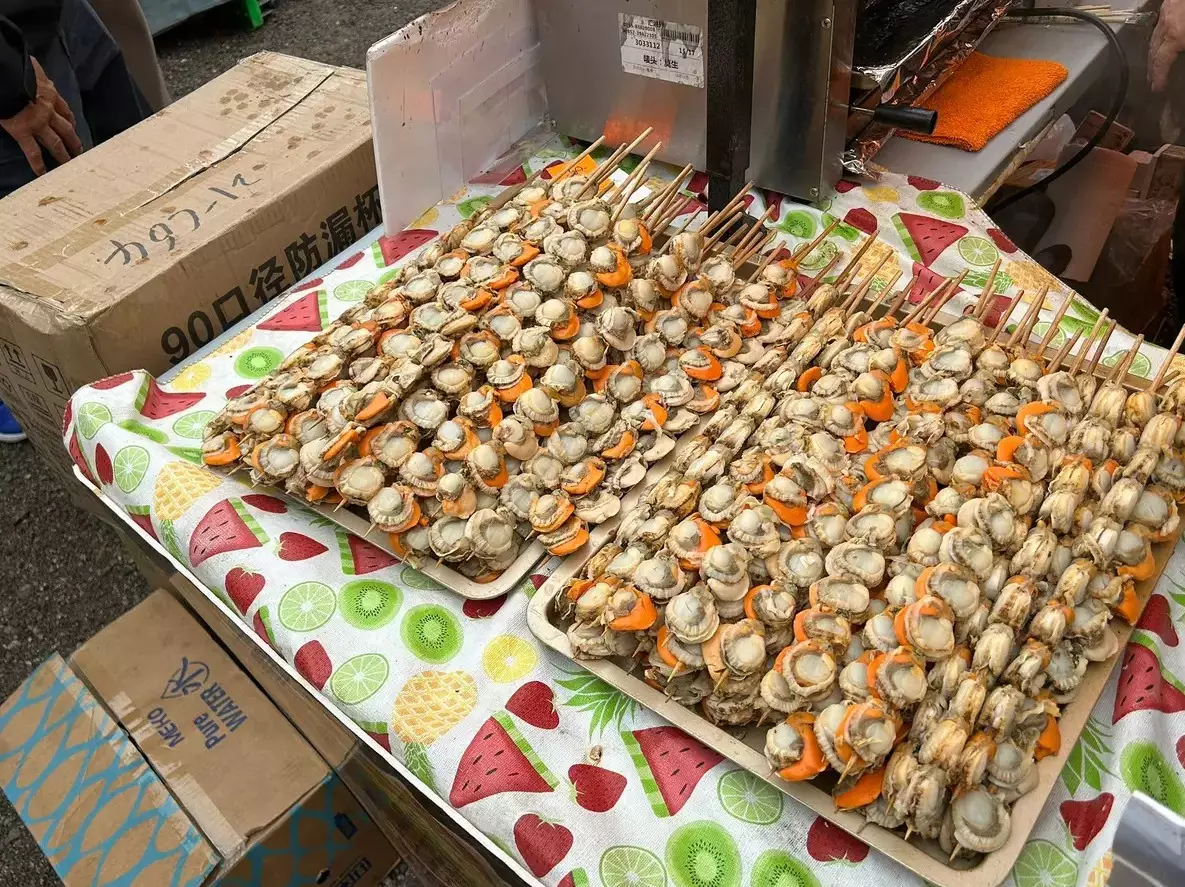
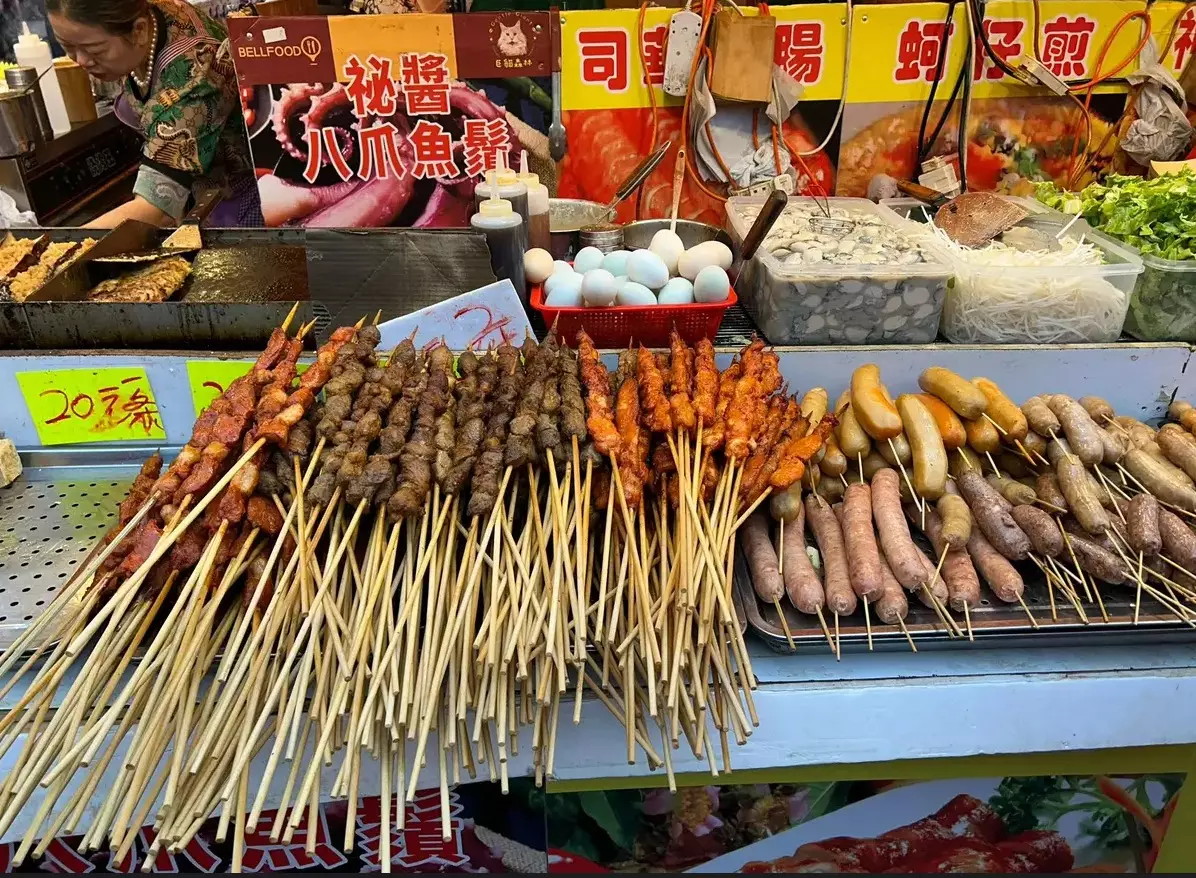
The barbecue on the site, Photo by Bastille Post
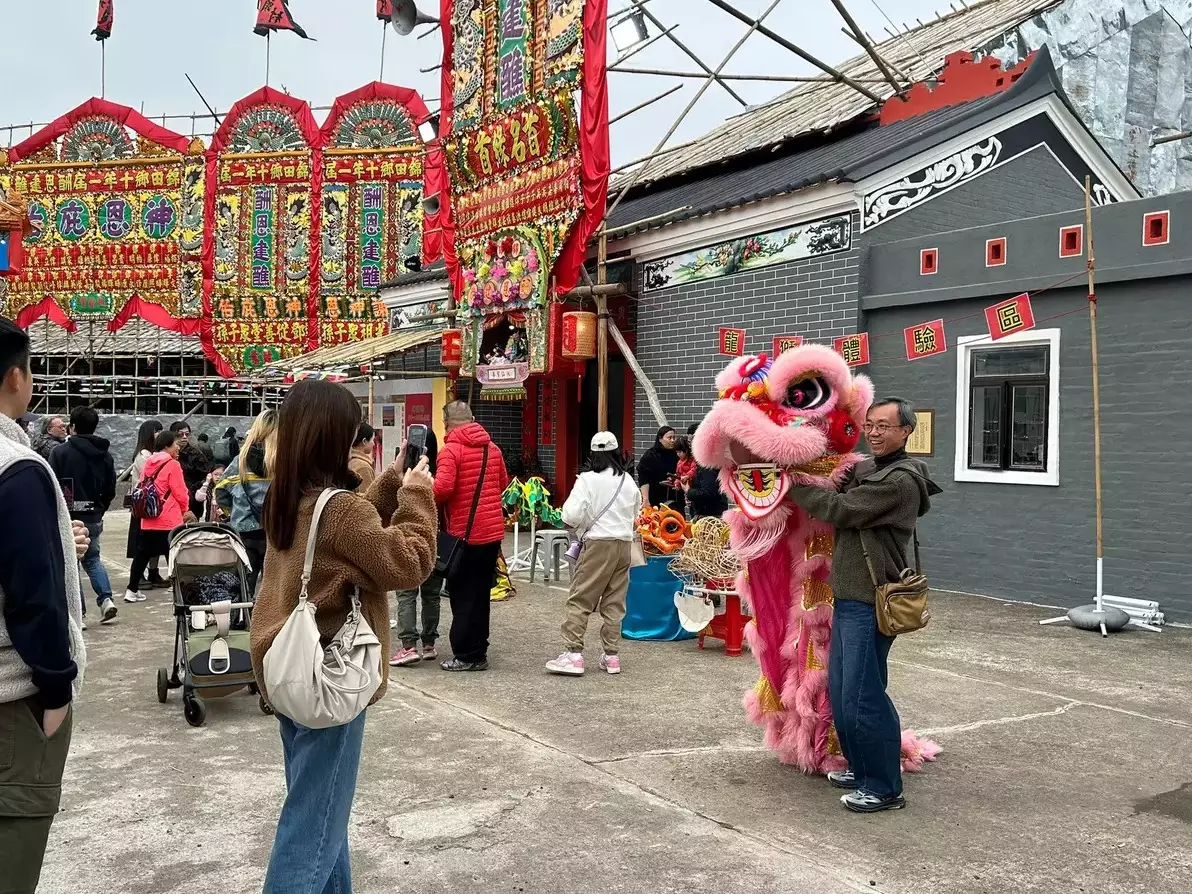
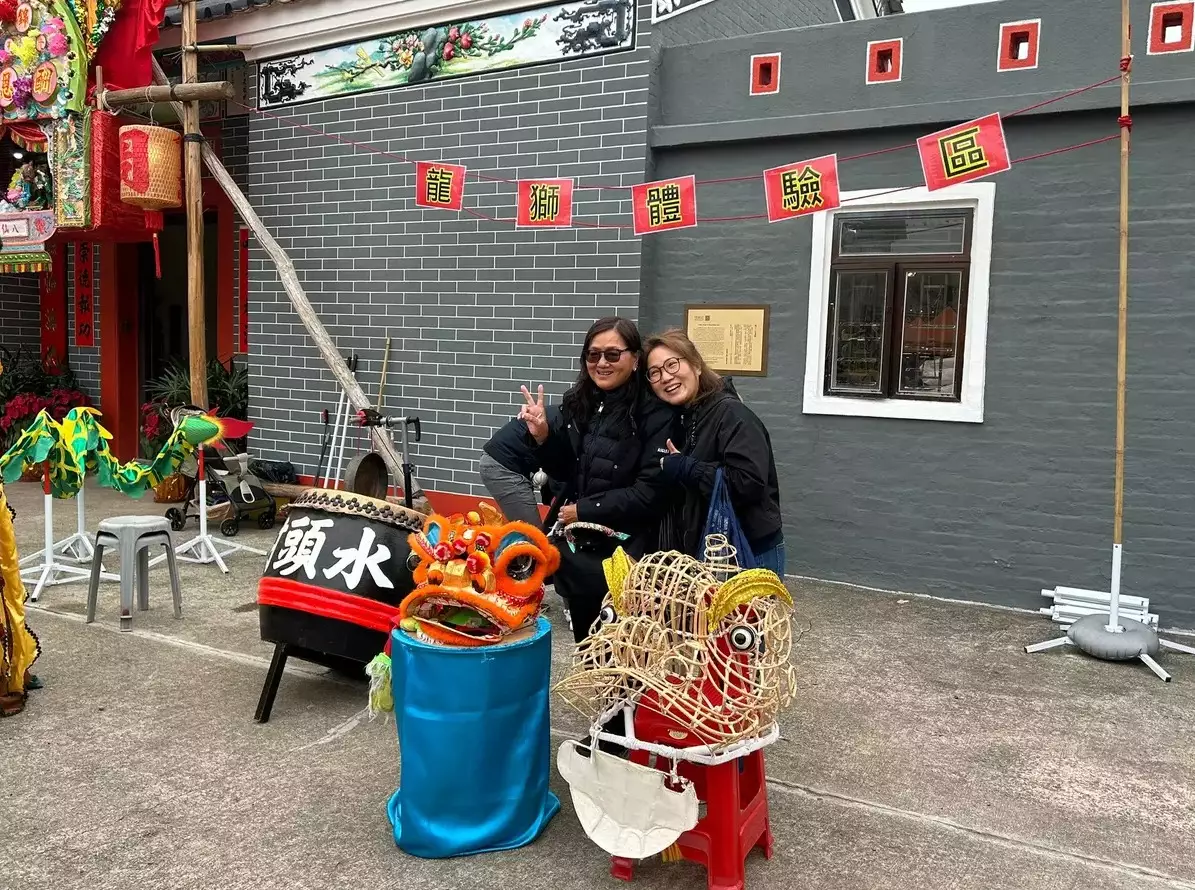
The featured experience area of lion dance, Photo by Bastille Post
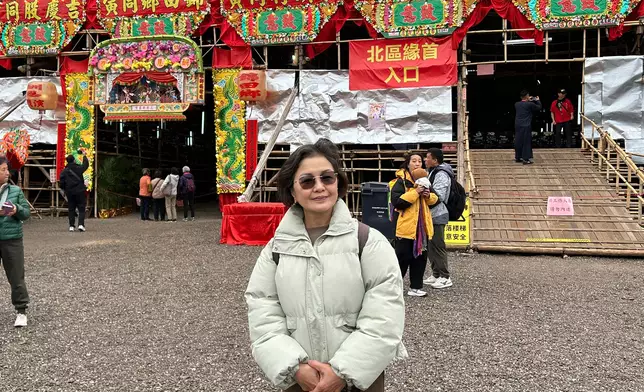
Ms. Leung, Photo by Bastille Post
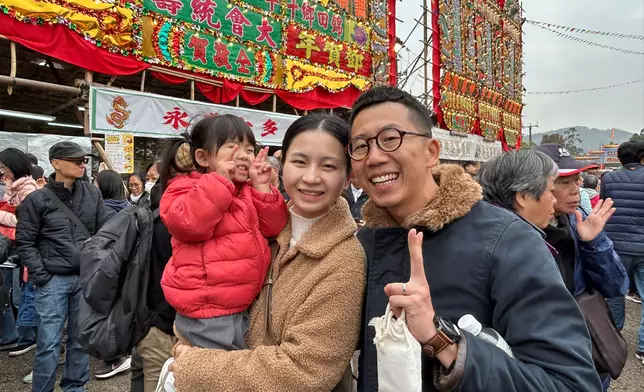
Mr. Sou's family, Photo by Bastille Post
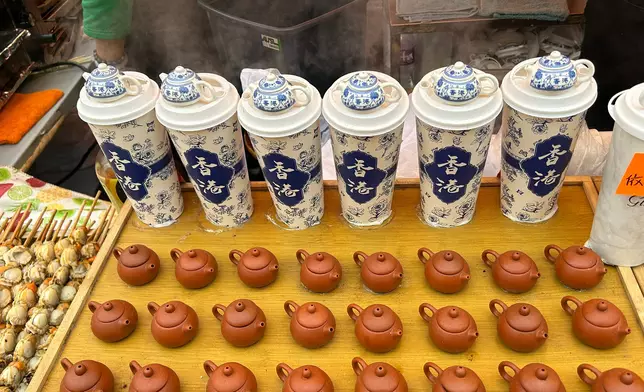
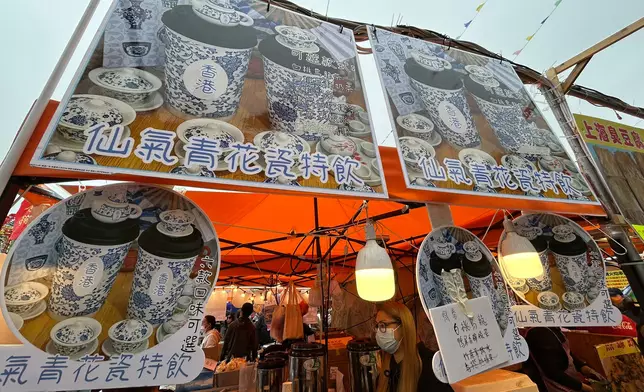
The Ethereal Blue-and-White Porcelain Specialty Drinks, Photo by Bastille Post
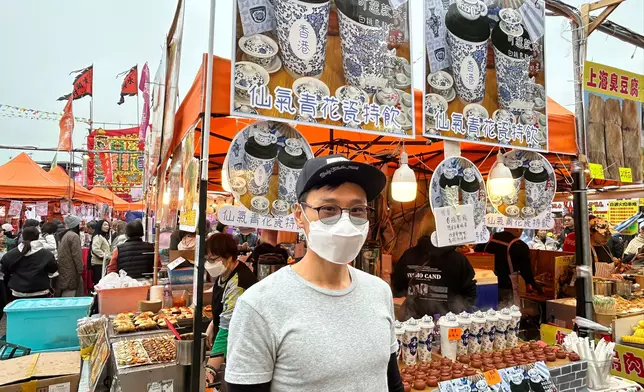
Mr. Ho, Photo by Bastille Post
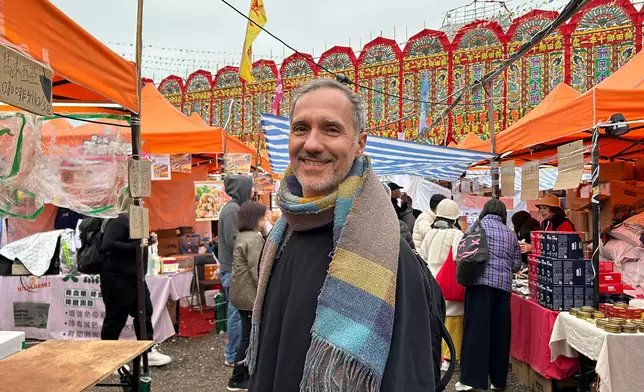
Eduardo, Photo by Bastille Post
The Cantonese Opera for Deities on the site, Photo by Bastille Post
At the site of the event, numerous food stalls featured different regional specialties—from local snacks such as Siu Mai, fish balls, imitation shark fin soup, and Hong Kong-style milk tea, to freshly grilled barbecues like honey-glazed chicken wings and roasted squid. Distinctive kinds of delicacies have been offered with irresistible aroma, making people's mouths water.
The Siu Mai on the site, Photo by Bastille Post
The fish balls on the site, Photo by Bastille Post
The Hong Kong-style candies on the site, Photo by Bastille Post
The Hong Kong-style Tong Sui on the site, Photo by Bastille Post
The barbecue on the site, Photo by Bastille Post
On the opening day of the carnival event, top dragon and lion dance teams from Guangdong, Hong Kong, and Macao competed on the same stage, showcasing each's high-level lion dance skills amidst the beating of gongs and drums. A featured experience area was also set up on site, allowing the public to personally experience the fun of lion dancing and drumming.
The featured experience area of lion dance, Photo by Bastille Post
The local residents have enjoyed delicious local snacks and the bustling atmosphere of the grand carnival
Ms. Leung, participating in such a grand folk celebration for the first time, said she was deeply impressed by the grandeur of the giant bamboo theatre. "5 to 6,000 people can sit in this bamboo theatre at the same time, which is really great." Moreover, she said the food stall market was quite attractive, revealing a unique small-town charm. In her eyes, the carnival event not only has convenient transportation based on its easy access to the MTR, but also is filled with an atmosphere of joy everywhere, making people can't help but immerse themselves in it and enjoy the vigorous vitality of traditional folk customs.
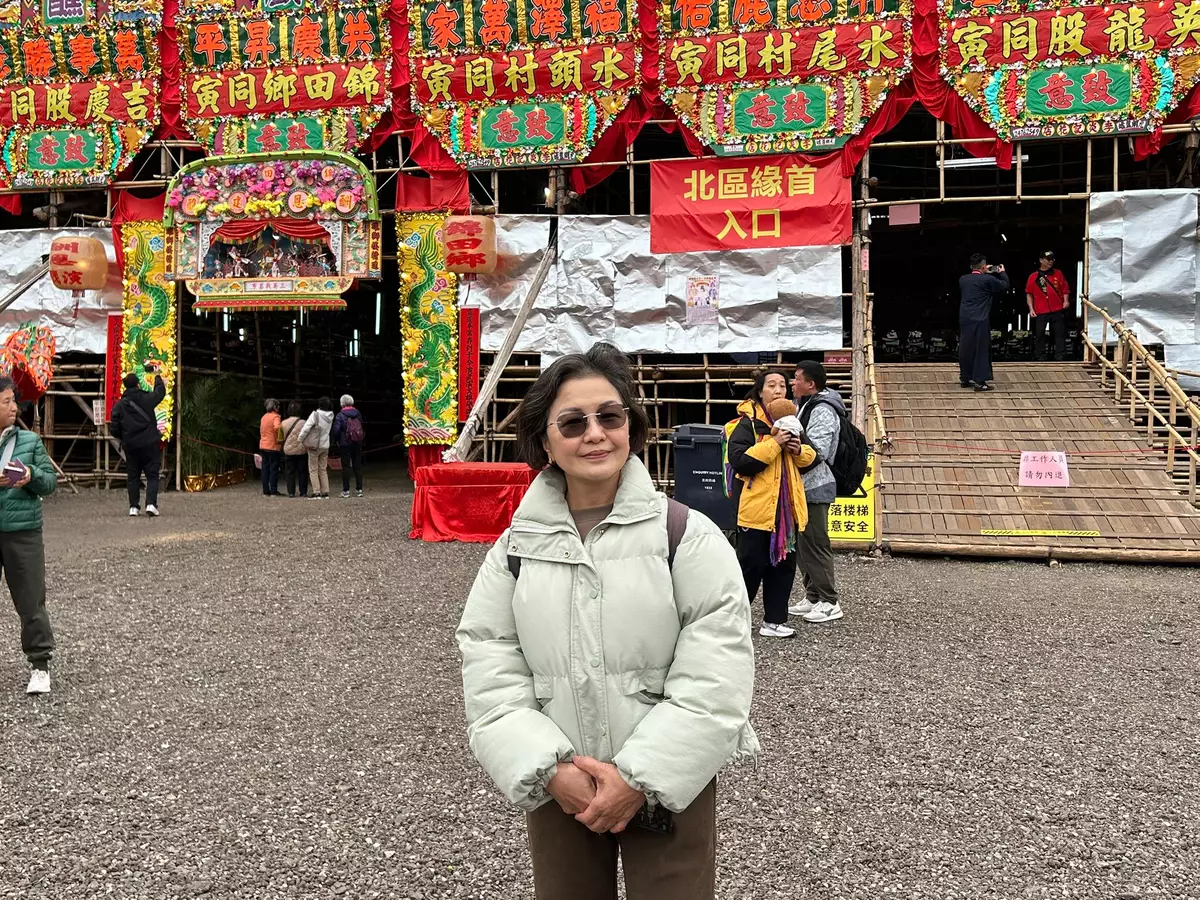
Ms. Leung, Photo by Bastille Post
Mr. Sou brought his wife and young daughter to participate, saying that the whole family has enjoyed food and cultural fun on the site. The featured experience area of lion dance has allowed his daughter to "learn while playing", which helps to deepen her understanding of traditional culture and promote the inheritance of traditional Chinese culture to the young generation like her. "There are some lion dance props and drums for children to try and play, letting the traditional culture of China and Hong Kong be better promoted and passed on." Mr. Sou said.
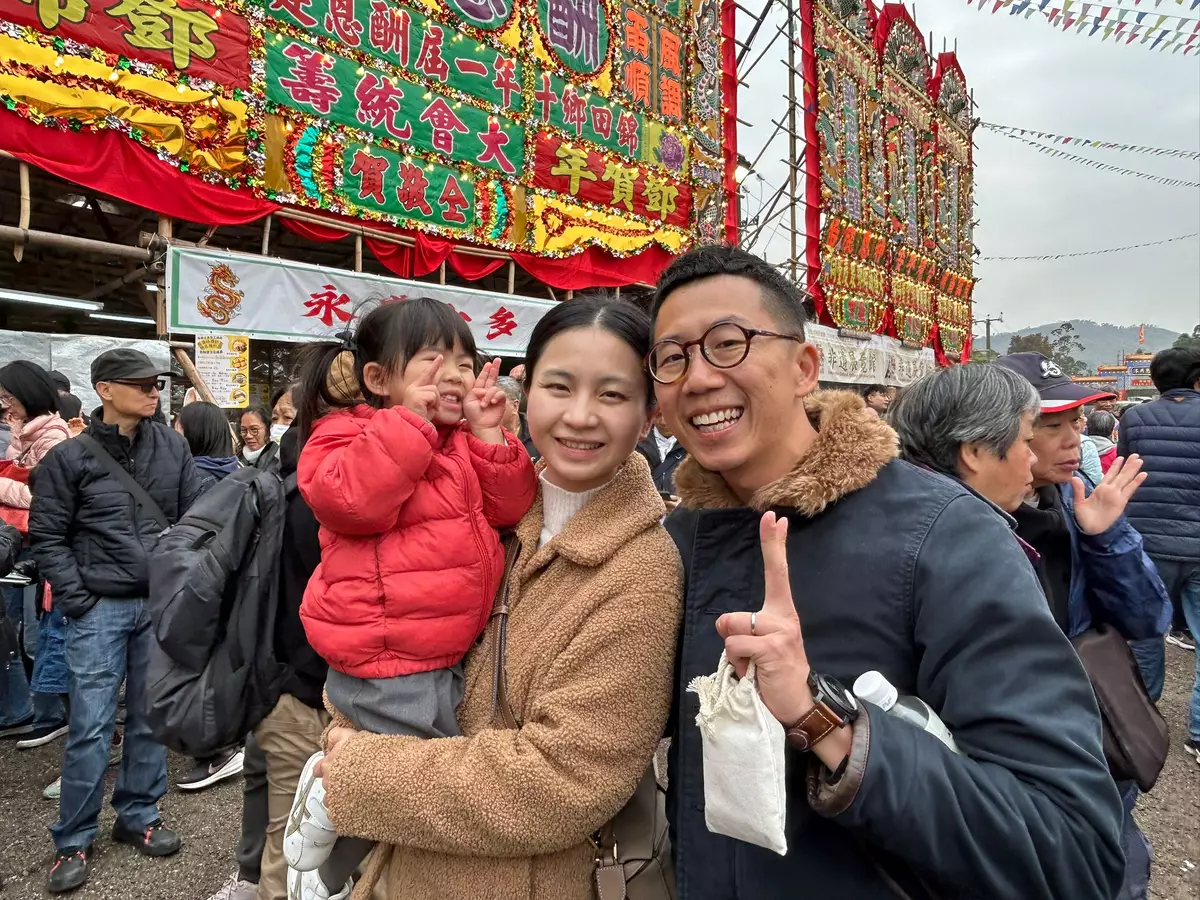
Mr. Sou's family, Photo by Bastille Post
The food stall owner has launched local specialty drinks, attracting a considerable flow of customers and generating substantial business
Mr. Ho, a food stall owner, launched his "Ethereal Blue-and-White Porcelain Specialty Drinks", which has achieved booming business based on the elegant bottle packaging as well as the refreshing and unique flavor.
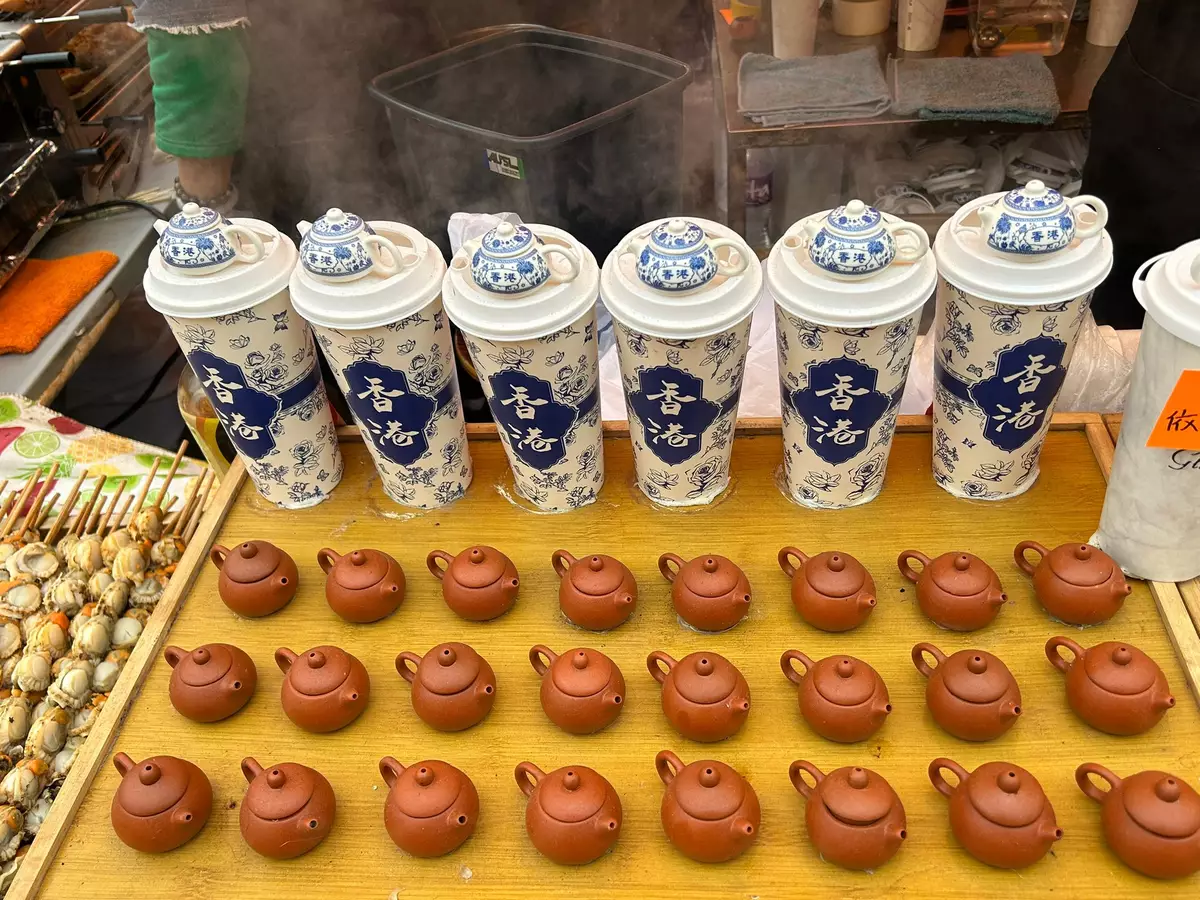
The Ethereal Blue-and-White Porcelain Specialty Drinks, Photo by Bastille Post
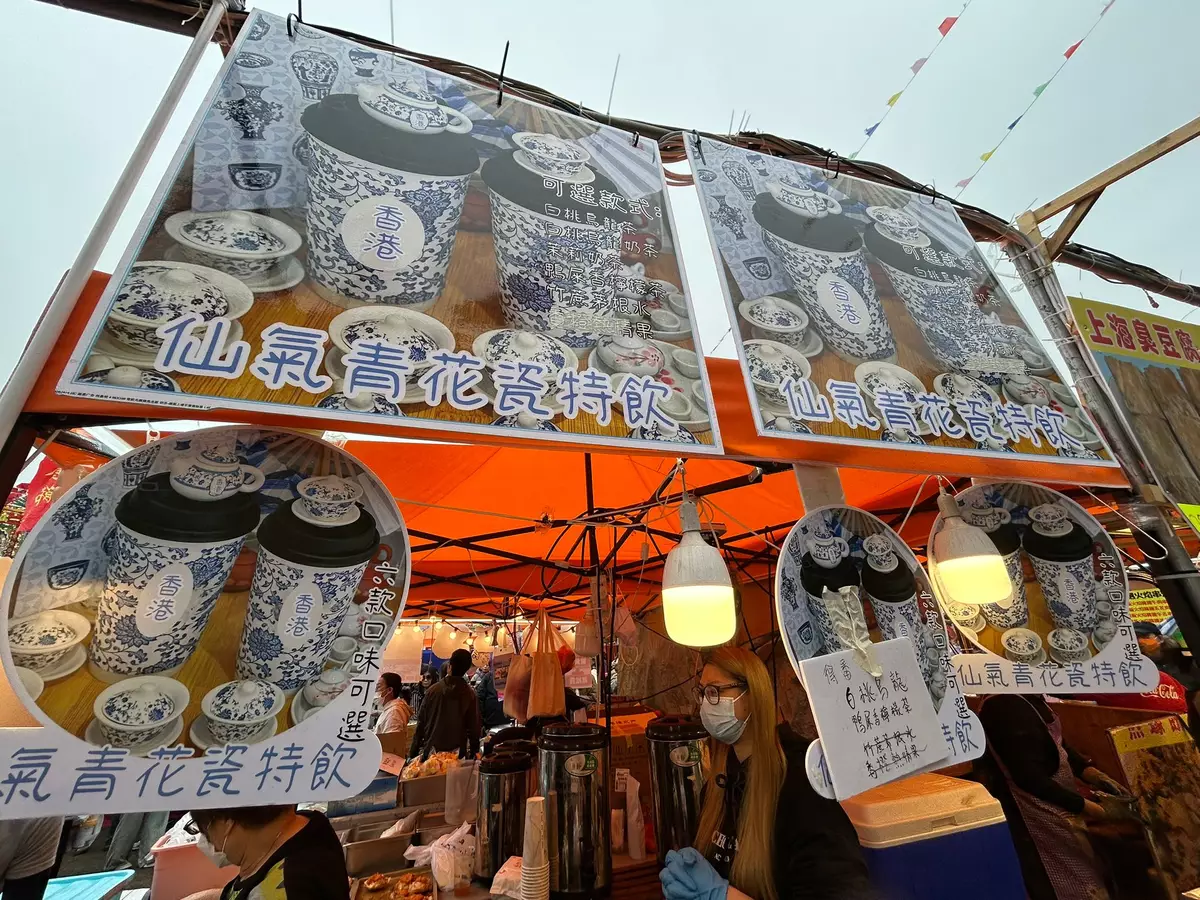
Mr. Ho stated that it's his first time participating in the once-a-decade Kam Tin Thanksgiving Celebration Carnival. Thanks to the festival's grand scale, it has attracted a large number of residents and tourists, bringing great popularity to his stall. "Business has been quite good during this period," he said. Moreover, he also mentioned that since the next celebration carnival would be held after 10 years, many citizens and tourists decided to take advantage of the rare opportunity this year to participate, which has made the site of the carnival consistently keep bustling with people.
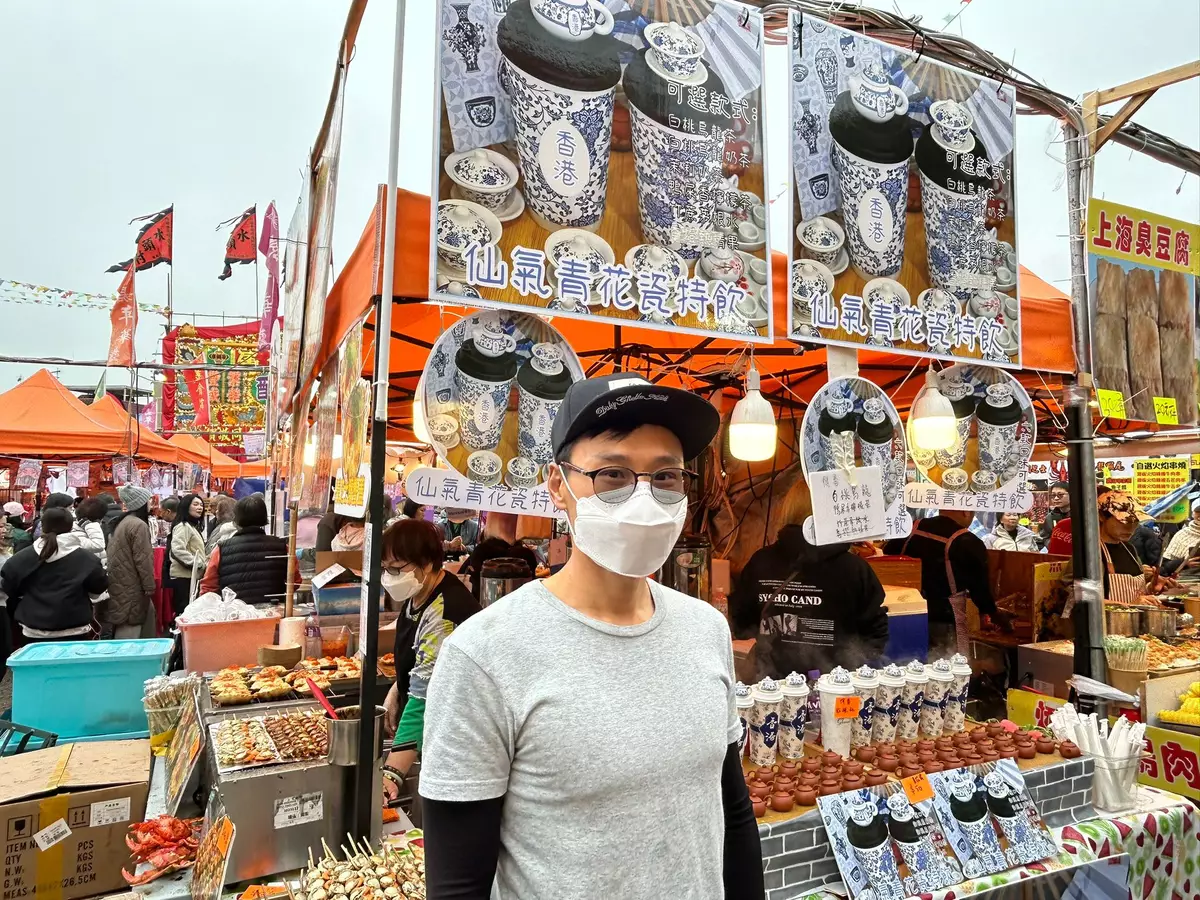
Mr. Ho, Photo by Bastille Post
The foreign tourist has praised the charm of Hong Kong's traditional culture and been immersed in authentic folk customs
Eduardo, a tourist from Brazil, expressed his deep interest in the giant bamboo theatre and Cantonese opera performances of the carnival based on his background in dance, considering the event as a precious opportunity to experience the charm of Hong Kong's local theatrical culture. He was also impressed by the authentic flavors of Hong Kong's traditional snacks at the numerous food stalls. He hopes more foreign tourists could come to experience Hong Kong's folk customs in person as he does, which would be a valuable cultural immersion.
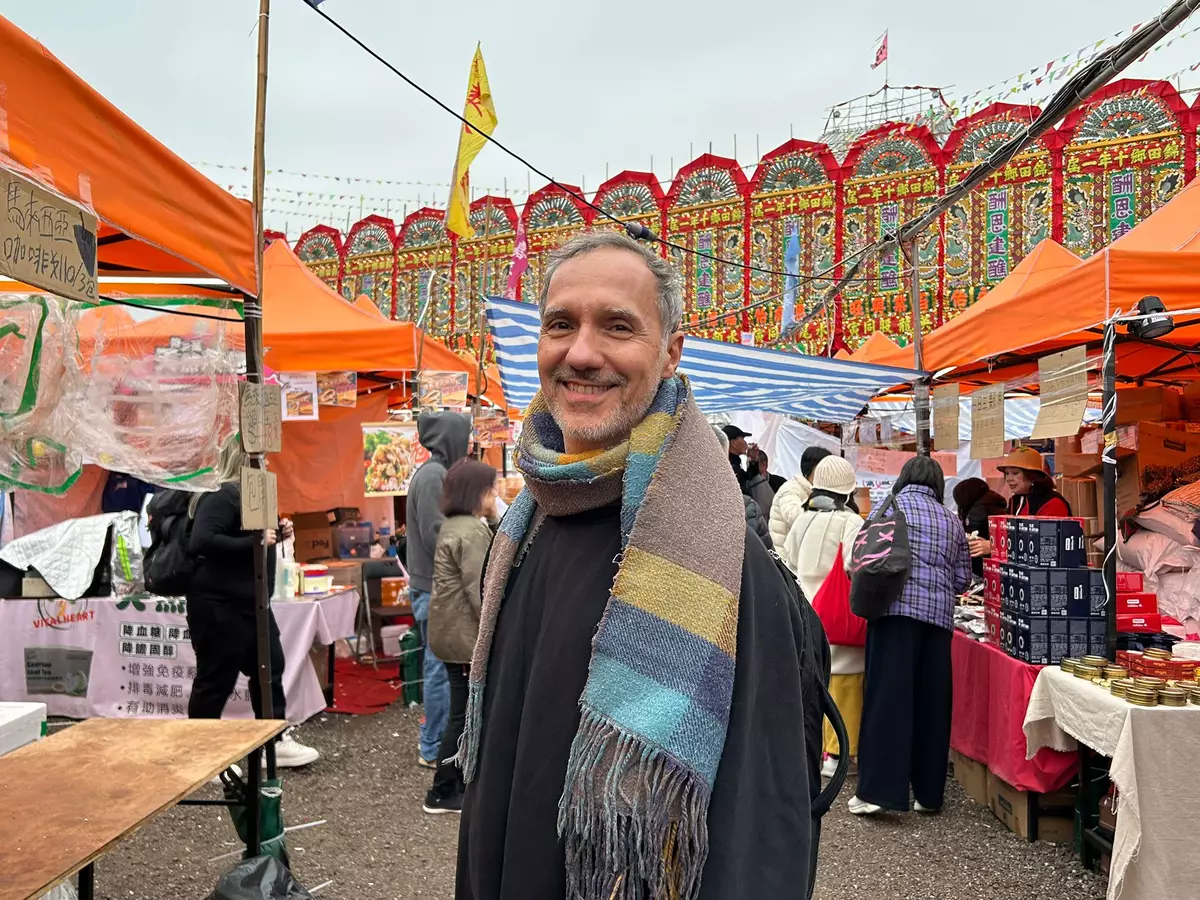
Eduardo, Photo by Bastille Post
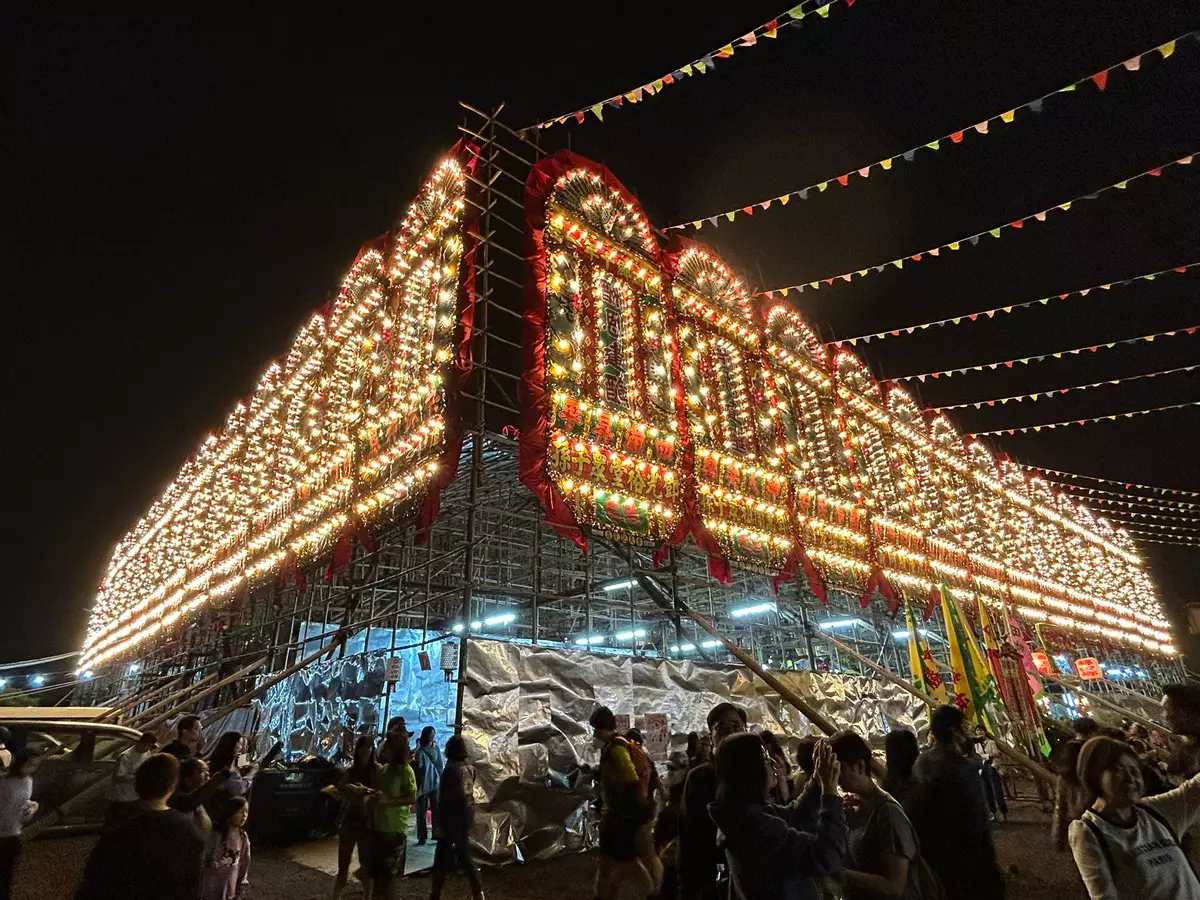
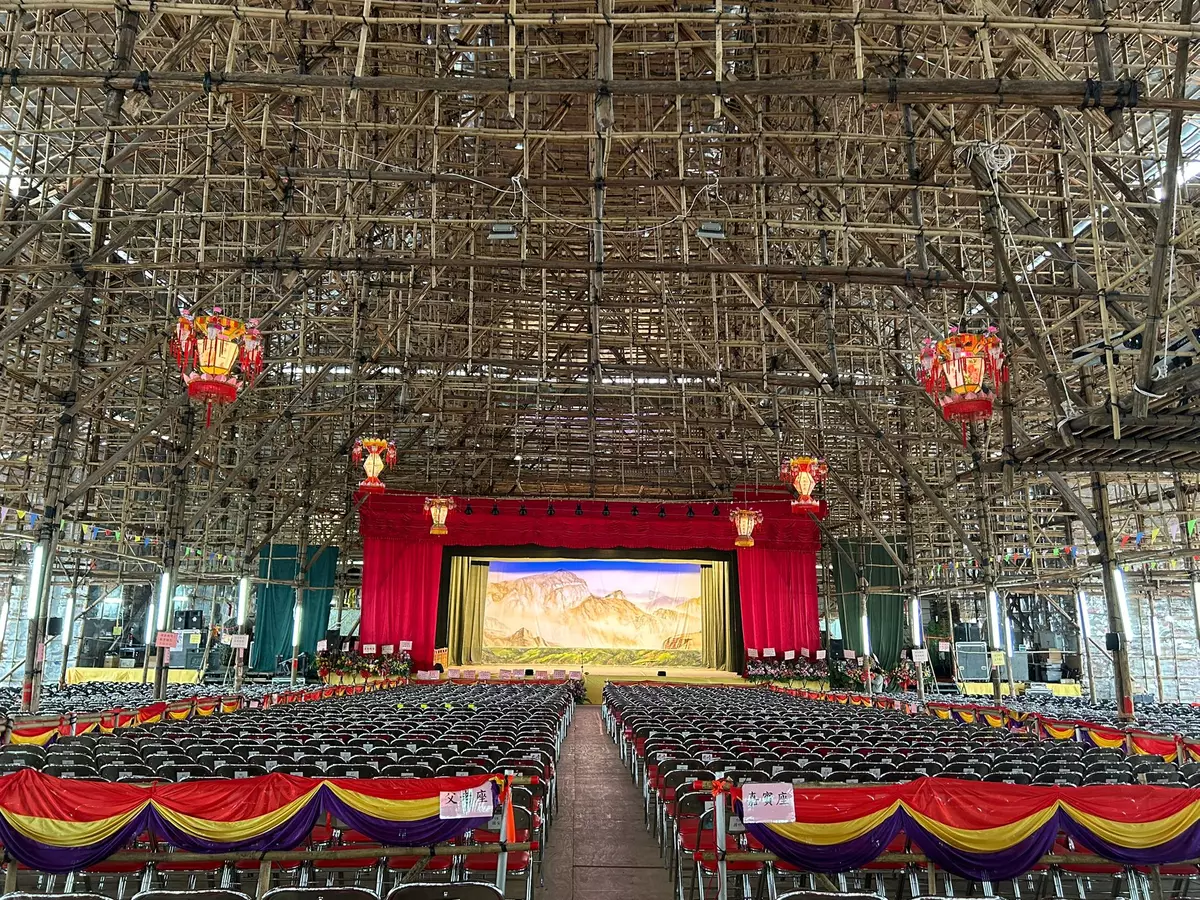
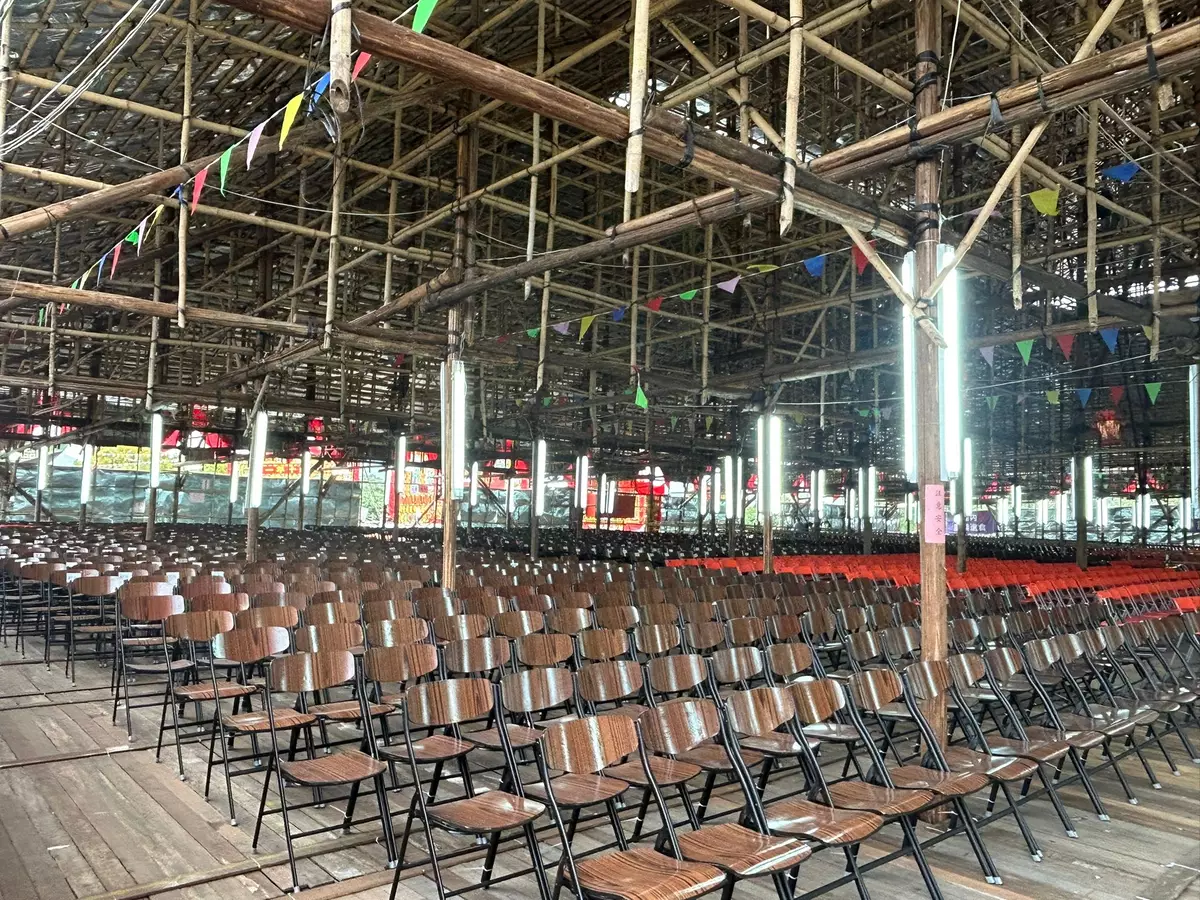
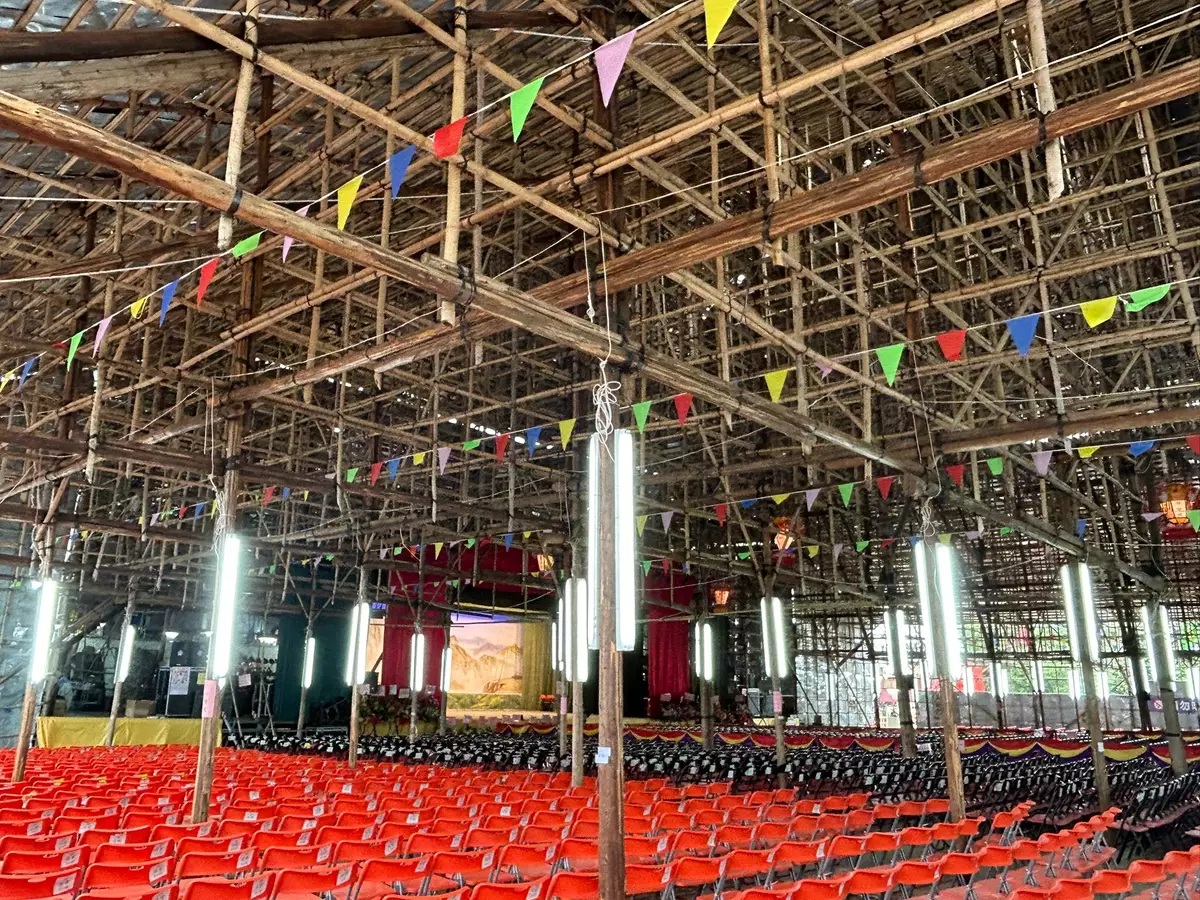
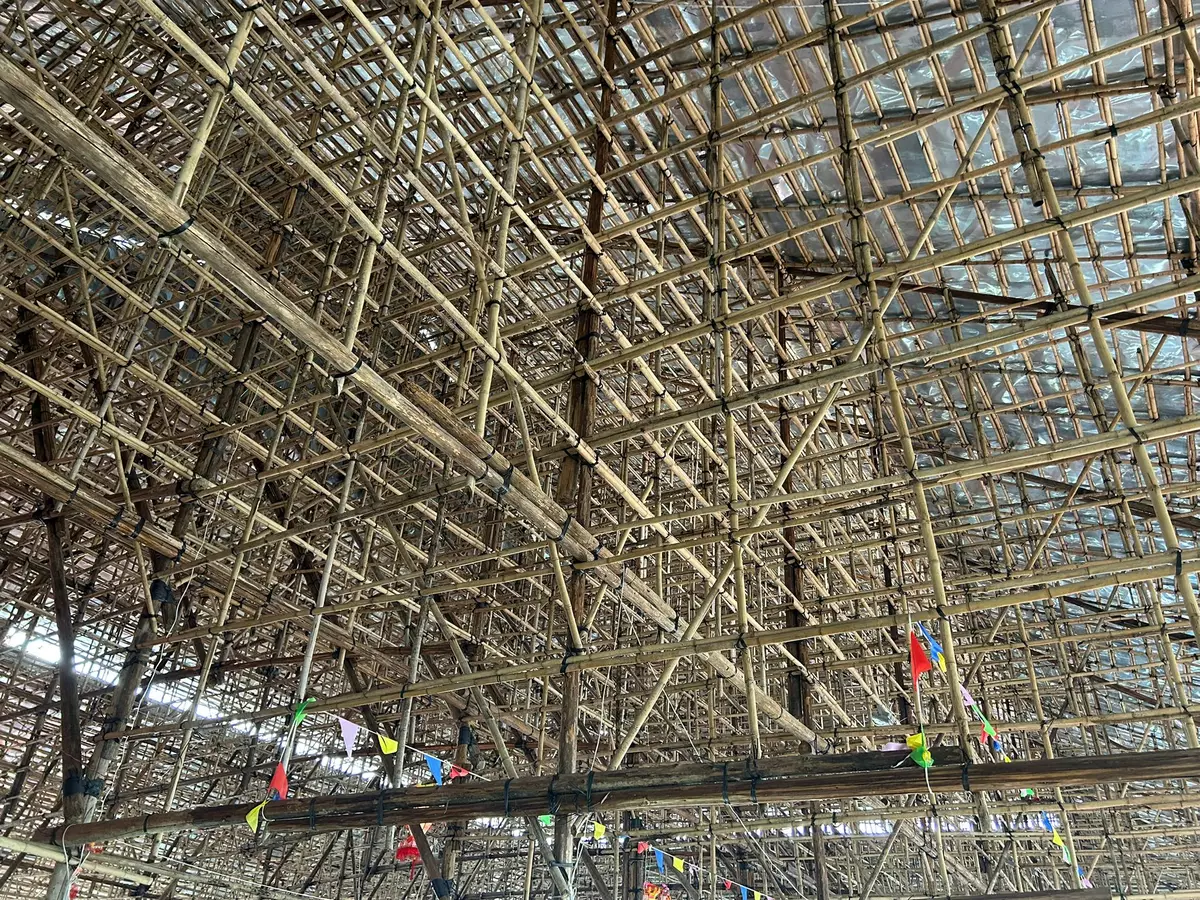
A giant bamboo altar, standing over 30 meters tall, was constructed for the Kam Tin Ten-Yearly Thanksgiving Festival and certified by Guinness World Records as the "world's largest temporary bamboo altar." As the festival drew to a close, the altar was transformed into a bamboo theater to host performances of Cantonese Opera for Deities during the Kam Tin Thanksgiving Celebration Carnival. The structure was meticulously brought to life by a team of scaffolding craftsmen led by Mr. Lai Zi Ming, who turned an empty space into a magnificent architectural marvel.
The world's largest temporary bamboo altar built in Kam Tin, Photo by Bastille Post
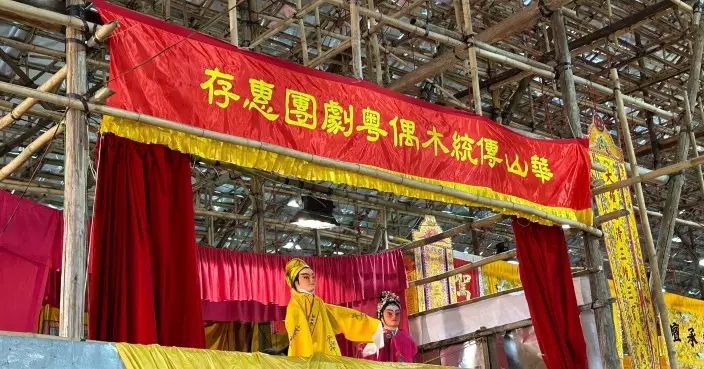
The bamboo theater to host performances of Cantonese Opera for Deities during the Kam Tin Thanksgiving Celebration Carnival, Photo by Bastille Post
Even After Achieving the Guinness World Record, the Craftsmen still Remain Dedicated to Their Craft Humbly
As the head of the team responsible for building the bamboo structure, Mr. Lai said that a total of 17 bamboo scaffolders spent 60 days bringing the magnificent structure to life. Looking back at the whole construction process, even though the team members have gone through the mill, the outcome has made all their efforts worthwhile. "Previously, such a giant bamboo structure in Hong Kong could merely exist in dreams, but now, we've made it come true," he said with a smile.
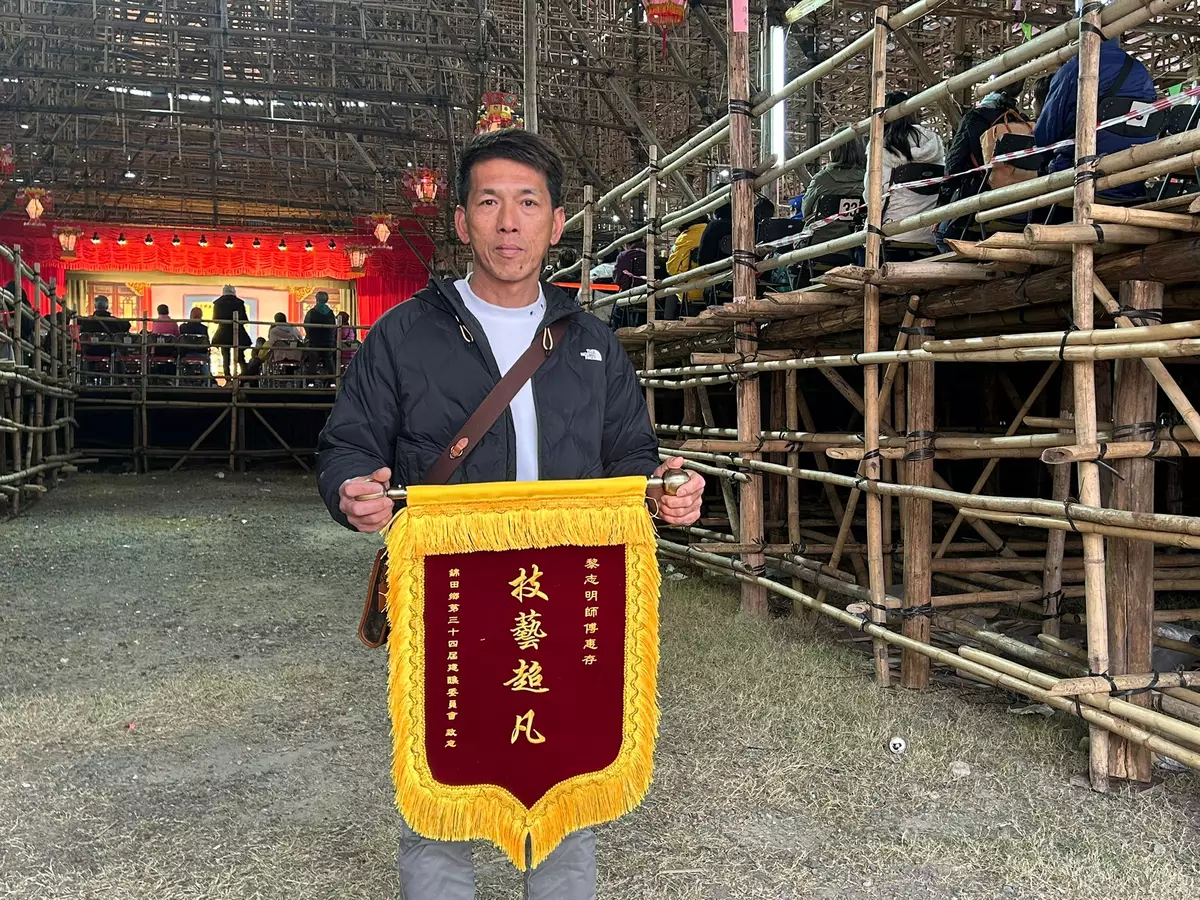
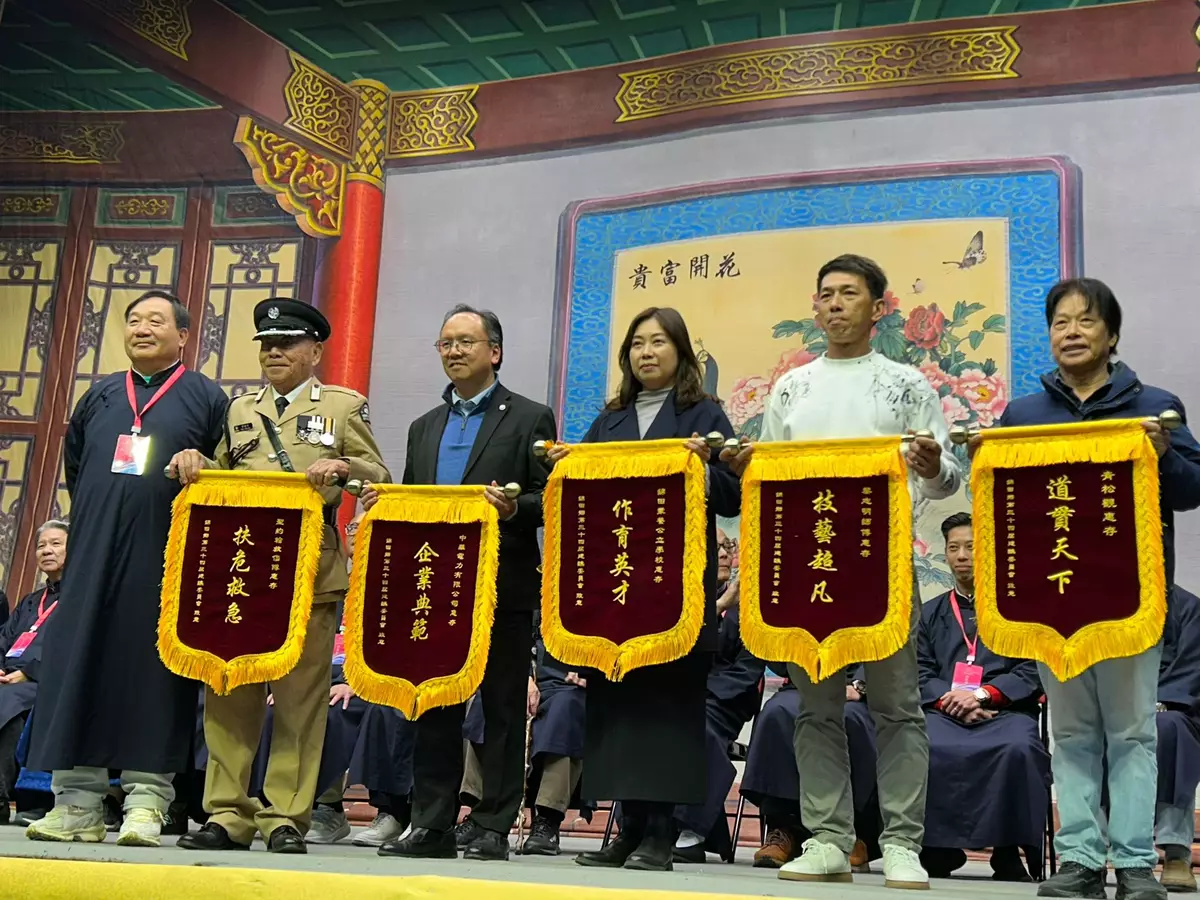
Mr. Lai Zi Ming, holding a silk banner written "Excellent Craftsmanship", Photo by Bastille Post
He mentioned that achieving the Guinness World Record this time did bring a certain degree of enhancement to the team’s fame, leading to increased work. Nevertheless, facing the influx of praise from the public, the team took it in stride and continued focusing on their work with the spirit of strict and professional craftsmanship. "In fact, whether we achieve the recognition from Guinness or not, our team members will all try our best to uphold the highest standards in every project we undertake." In Mr. Lai's view, awards and records were merely external things. Only the love and attachment to the bamboo structure building in the heart can support the craft stand the test of time.
Following in His Father's Footsteps, Mr. Lai Finds Fulfillment in Creating Something from Nothing
Recalling the journey of building the giant bamboo structure in Kam Tin, Mr. Lai also reminisced about his formative years learning the craft under the mentorship of his father. Since his father was also a bamboo scaffolder, there's no doubt that he followed in his father's footsteps and took over the craft at a young age. During the learning process, he gradually discovered the unique charm of bamboo scaffolding construction.
"Starting from an empty space and gradually bringing a giant structure to life—that journey is what truly drives me and fills me with a lasting sense of fulfillment." In Mr. Lai's eyes, this spiritual reward far outweighs any material gain, be it wealth or reputation. It is this very belief that has sustained his dedication to bamboo scaffolding construction for over a quarter of a century.
Building bamboo scaffolding is a journey starting from an empty space and gradually bringing a giant structure to life. Photo by Bastille Post
It's Difficult for Metal Scaffolds to Replace Bamboo Scaffolding Based on the Bamboo's Unique Advantages
Although the construction of bamboo scaffolding opened up a lifelong career and deep spiritual fulfillment for Mr. Lai, as the construction industry keeps advancing in the times, the metal scaffolding, prized for its standardization, high efficiency, and durability, has posed a formidable challenge to the traditional craft of bamboo scaffolding construction.
In his eyes, in terms of building construction, it is indeed difficult to guarantee the domination position of bamboo scaffolding as before, but in terms of the construction of temporary bamboo altar and theatre, "I would think it would be a little difficult for metal scaffolding to replace bamboo scaffolds." he said.
He emphasized that bamboo altars and theaters embody far more than physical structures—they are living cultural spaces where traditional folk activities and rituals unfold. Consequently, their design and construction entail distinct considerations that diverge from conventional building practices, spanning functional requirements, venue atmosphere, and construction logic, etc.
According to Mr. Lai, by leveraging the dimensional flexibility of bamboo, the giant structure built in Kam Tin successfully achieved a triple breakthrough in height, load-bearing capacity, and spatial span.
It's difficult for metal scaffolds to replace bamboo scaffolding based on the bamboo's unique advantages. Photo by Bastille Post
Given the limited space in Hong Kong, Mr. Lai noted that bamboo's advantages—particularly in cost, construction flexibility, and adaptability to varied landforms—would be key to sustaining the vitality of bamboo structures in the future.
In terms of cost, bamboo can save at least 30% to 50%. As for the construction flexibility, bamboo poles used for scaffolding can be adjusted—lengthened or shortened—to suit the specific needs of each project. By binding and splicing them to follow the curve requirement, craftsmen can achieve a tailor-made effect that feels almost seamless. When it comes to adaptability to varied landforms, bamboo scaffolding can thrive in environments where metal scaffolding struggles—whether on muddy ground, sloping terrain, or highlands—since metal structures typically require a flat and stable foundation. Moreover, given Hong Kong's narrow roads and confined spaces, bamboo scaffolding's inherent adaptability allows it to be erected efficiently even in the most challenging urban settings.
Given Hong Kong's narrow roads and confined spaces, bamboo scaffolding's inherent adaptability allows it to be erected efficiently even in the most challenging urban settings. Photo by Bastille Post
Inheriting the Craft of Bamboo Scaffolding, Hoping to Preserve Tradition Through Dedication
Looking to the future of bamboo scaffolding construction, Mr. Lai reflected that his team members have aged over the years. They all hope that newcomers could enter the industry to carry the craft forward.
He said that he would regularly follow news from the Scaffolders Association and stay updated on industry trends. Whenever he meets young people with a genuine curiosity about bamboo scaffolding, he gladly shares the lessons and reflections he has gathered over the years. He warmly welcomes any motivated young person to join his team and learn the craft. "I truly believe in the power of inheritance through personal commitment. If young people want to enter this field, I will be happy to guide them step by step, letting them learn through real hands-on experience," he said.
He also expressed his willingness to serve as an advisor or even teach in person if workshops or courses on the preservation and inheritance of bamboo scaffolding techniques could be offered in the future. He hopes to introduce the public to the beauty of this traditional craft. "My teaching principle is to set no barriers," he said. In his view, enabling more interested people to take the first step of exploration and building an emotional connection with bamboo scaffolding would be the key to ensuring the industry's continued vitality.
Mr. Lai was awarded a silk banner written "Excellent Craftsmanship" by the Kam Tin Rural Committee, recognizing his outstanding achievements in bamboo scaffolding construction. Photo by Bastille Post
For Mr. Lai, bamboo scaffolding was once simply a means of making a living. Nowadays, however, it has become something far greater—a vital stage for the inheritance of Hong Kong's intangible cultural heritage. In his eyes, preserving this craft is no longer just about safeguarding a set of skills; it is about sustaining the very force that will carry Hong Kong's folk culture into the future.