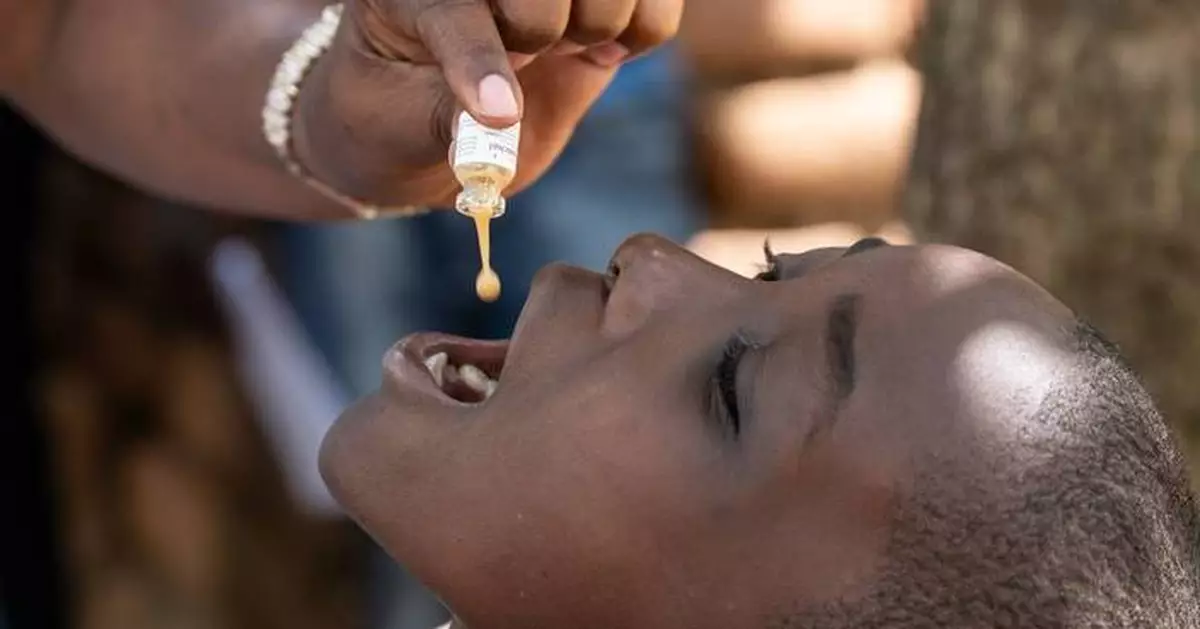
BLANTYRE, Malawi (AP) — The southern African nation of Malawi began a cholera vaccination rollout this week in a bid to stem the threat of the disease that kills tens of thousands of people globally each year.
Cholera is avoidable when there is access to clean water and largely treatable with rehydration medication, and there are effective vaccines.
Click to Gallery
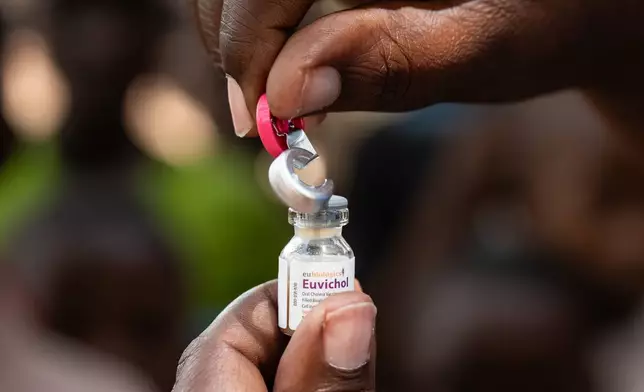
A health worker opens a cholera vaccine in Blantyre, southern Malawi, Thursday, Jan. 22, 2026. (AP Photo/Thoko Chikondi)
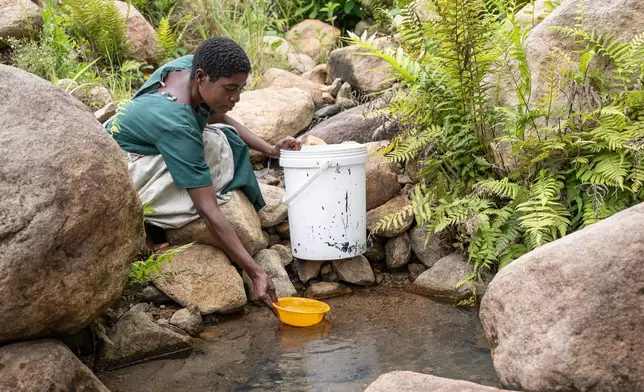
A woman draws water from a contaminated stream in Blantyre, southern Malawi, Thursday, Jan. 22, 2026. (AP Photo/Thoko Chikondi)
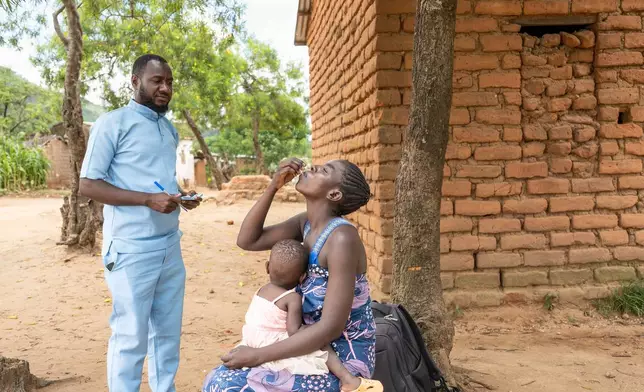
Harriet George, 24, takes a cholera vaccine near her home in Blantyre, southern Malawi, Thursday, Jan. 22, 2026. (AP Photo/Thoko Chikondi)
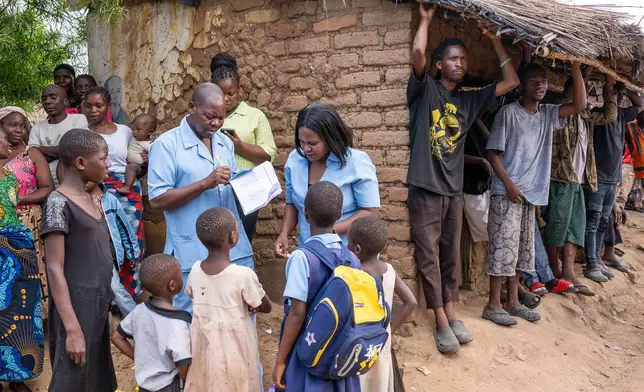
A health worker registers children for cholera vaccination in Blantyre, southern Malawi, Thursday, Jan. 22, 2026. (AP Photo/Thoko Chikondi)
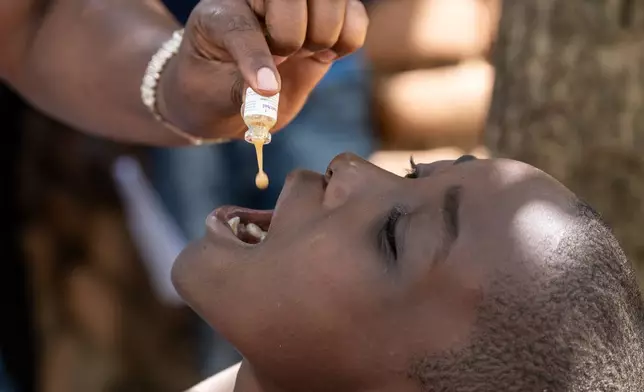
A health worker administers a cholera vaccine in Blantyre, southern Malawi, Thursday, Jan. 22, 2026. (AP Photo/Thoko Chikondi)
Malawi is one of several countries in Africa that face the perennial threat of cholera, and that's been exacerbated this year by unusually heavy rains and flooding in the southern African region, the kind of weather that often prompts cholera outbreaks.
Cholera is an acute diarrhea disease caused by a bacteria typically spread through contaminated food or water.
The continent suffered a major setback in its battle against cholera last year when cases surpassed 300,000, according to the Africa Centers for Disease Control — the worst toll in 25 years.
One of the areas targeted by Malawian health officials for the three-day rollout that ended on Friday was the densely populated Chilomoni township in the commercial capital, Blantyre. At least 17 people have been diagnosed with cholera in the city in recent weeks, with one death reported, and authorities warned of “a steady rise” in cases nationally.
Dr. Gift Kawalazira, director of health and social services at the Blantyre District Health Office, said Thursday that officials had identified unsafe water sources as the likely reason for the cholera cases reported in Chilomoni — underlining how the disease especially impacts impoverished communities with restricted access to clean water.
Residents often pay about 5 U.S. cents for a 20‑liter bucket (around 5 gallons) of clean water from private taps in Chilomoni. But when they can't afford that fee, some turn to the nearby Muluda stream, a waterway contaminated with human and animal waste, for drinking, cooking and washing.
“You can see others bring their kitchen utensils and wash them right here and also wash their clothes,” Kawalazira said. “This is the water that is causing cholera.”
Malawi hopes to roll out 24,000 of the oral vaccines as a start, though officials say many more are needed for the country.
“We’re focusing on the most vulnerable populations," Kawalazira said, calling it “a good number to start with.” Cooperation between health workers and people was key, Kawalazira said, in containing the outbreak.
The global cholera vaccine stockpile was severely depleted by 2022 because of demand and limited suppliers, and that left poorer countries scrambling to contain outbreaks. In Malawi, one of its worst outbreaks killed nearly 2,000 people that year.
Among those seeking protection in Chilomoni this week were 24‑year‑old Harriet George, who brought her two children to a vaccination point on Thursday.
“I have seen that there is an outbreak of cholera in our area, and I decided to come with my children to get vaccinated,” George said. “Nine people from this area are in the hospital, and the news was not welcome because the end result is death.”
Africa has sought to invest in its own vaccine production given that cholera has become resurgent. In November, a South African pharmaceutical firm launched trials on what it hopes will be the first African-produced cholera vaccine.
Cholera often becomes a threat during rainy seasons, and health officials in Malawi have been spurred into action by unusually heavy rainfall in the southern African region since late last year that has caused devastating flooding in parts of South Africa and Mozambique.
Humanitarian organizations have warned that there is now a grave danger of large cholera outbreaks in Mozambique, where more than 500,000 people have been impacted by the floods and could be cut off from safe drinking water and food.
UNICEF spokesperson Guy Taylor said in a statement that “waterborne diseases and malnutrition are a lethal combination.”
Parts of Malawi have also been hit by flooding this month, sparking health concerns on top of the immediate impact of the extreme weather conditions.
Another Chilomoni resident, Noel Kanjere, said that he chose to get vaccinated after witnessing how quickly the disease can spread, though he was the only member of his five-person household that came to get the vaccine, he said.
“The health department should not only come when there is an outbreak," Kanjere said Thursday. "They need to continuously give sensitization messages to the community.”
For more on Africa and development: https://apnews.com/hub/africa-pulse
The Associated Press receives financial support for global health and development coverage in Africa from the Gates Foundation. The AP is solely responsible for all content. Find AP’s standards for working with philanthropies, a list of supporters and funded coverage areas at AP.org.
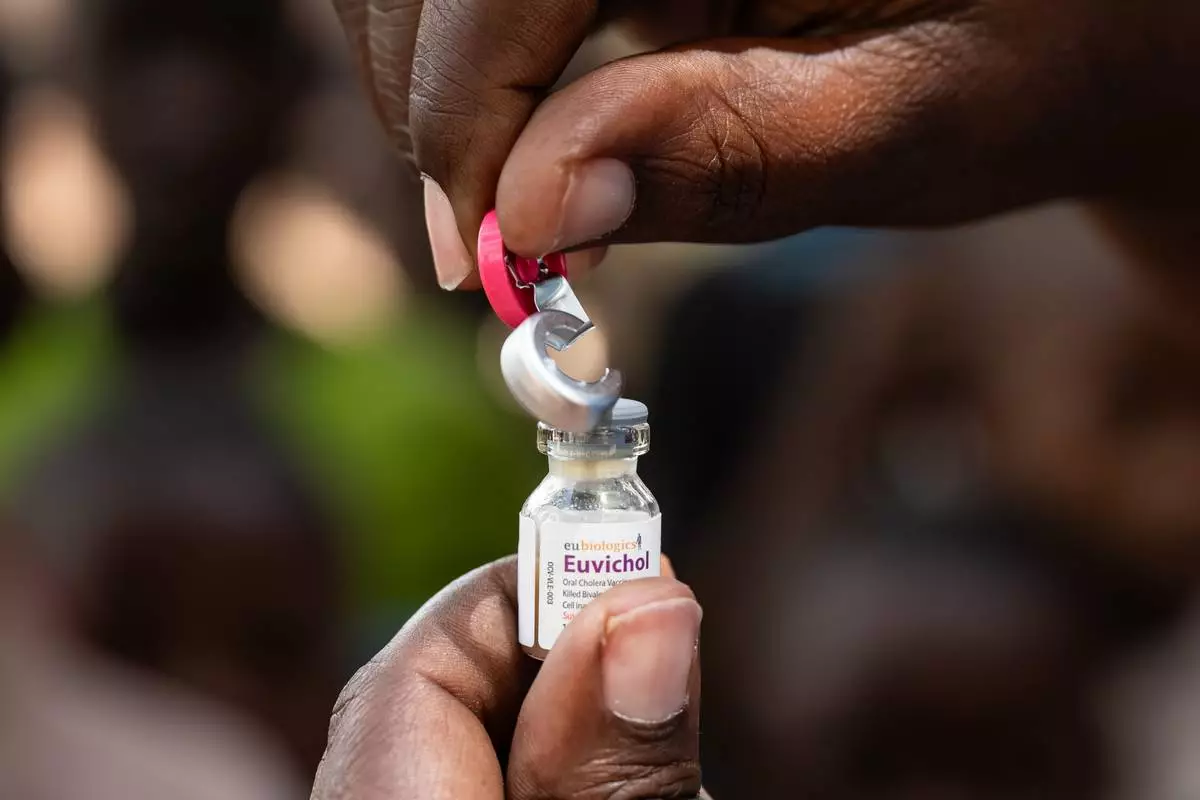
A health worker opens a cholera vaccine in Blantyre, southern Malawi, Thursday, Jan. 22, 2026. (AP Photo/Thoko Chikondi)
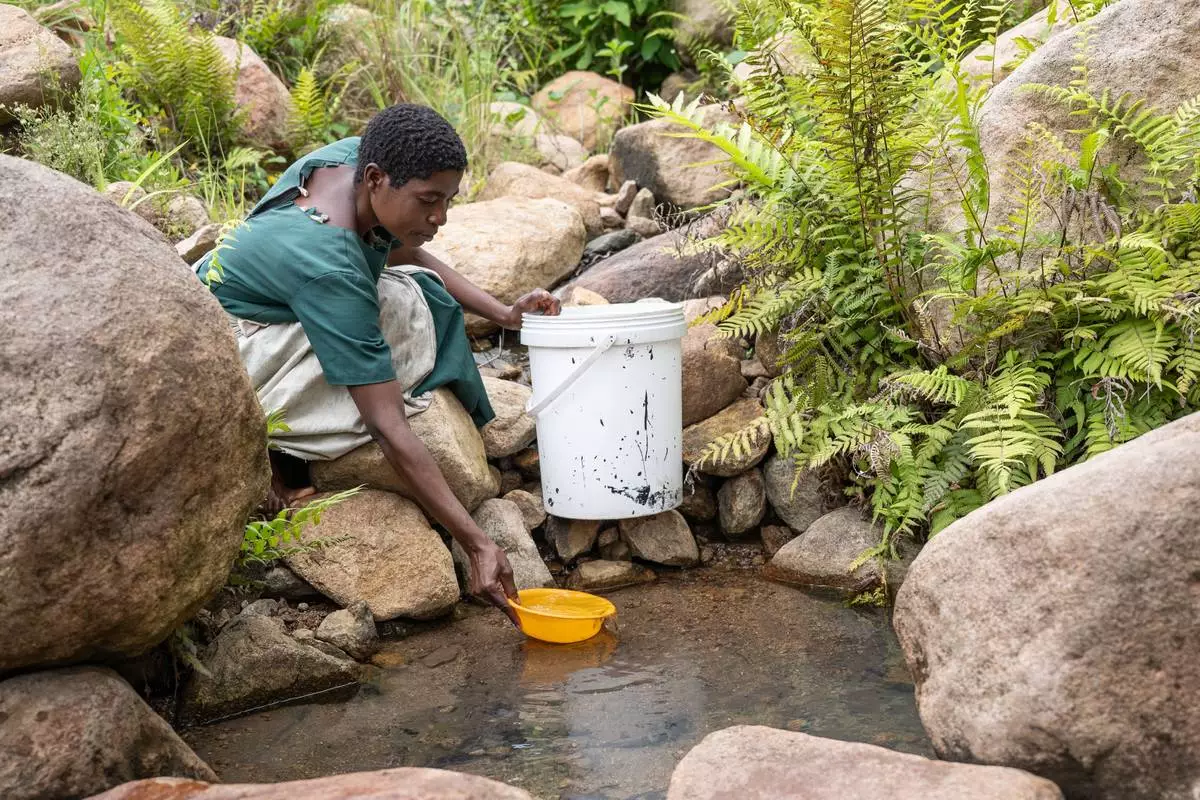
A woman draws water from a contaminated stream in Blantyre, southern Malawi, Thursday, Jan. 22, 2026. (AP Photo/Thoko Chikondi)
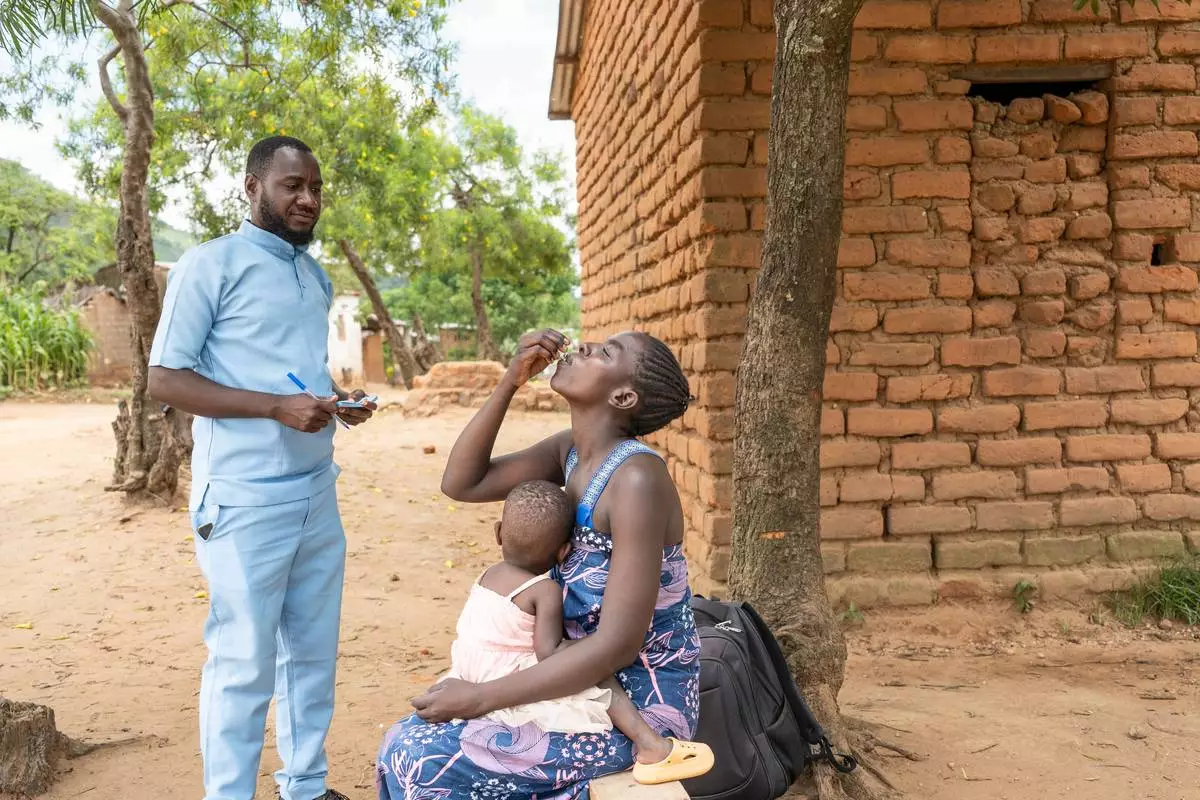
Harriet George, 24, takes a cholera vaccine near her home in Blantyre, southern Malawi, Thursday, Jan. 22, 2026. (AP Photo/Thoko Chikondi)
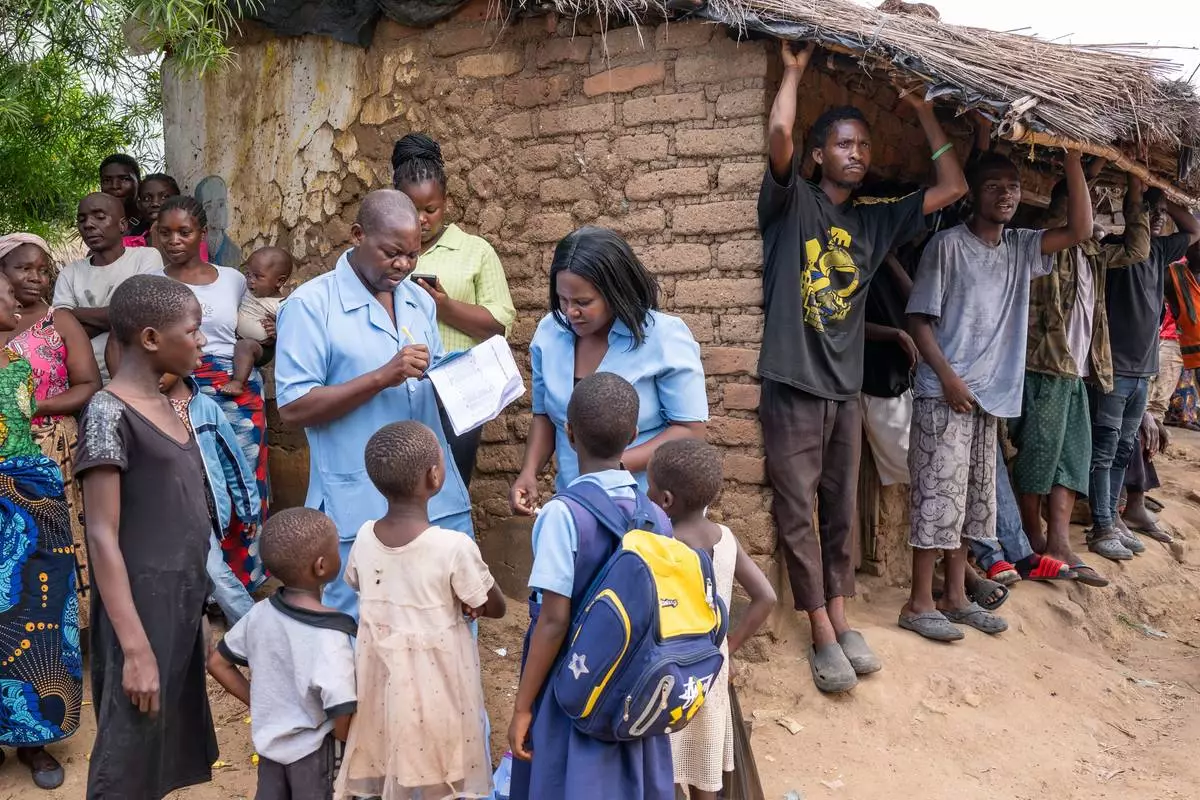
A health worker registers children for cholera vaccination in Blantyre, southern Malawi, Thursday, Jan. 22, 2026. (AP Photo/Thoko Chikondi)
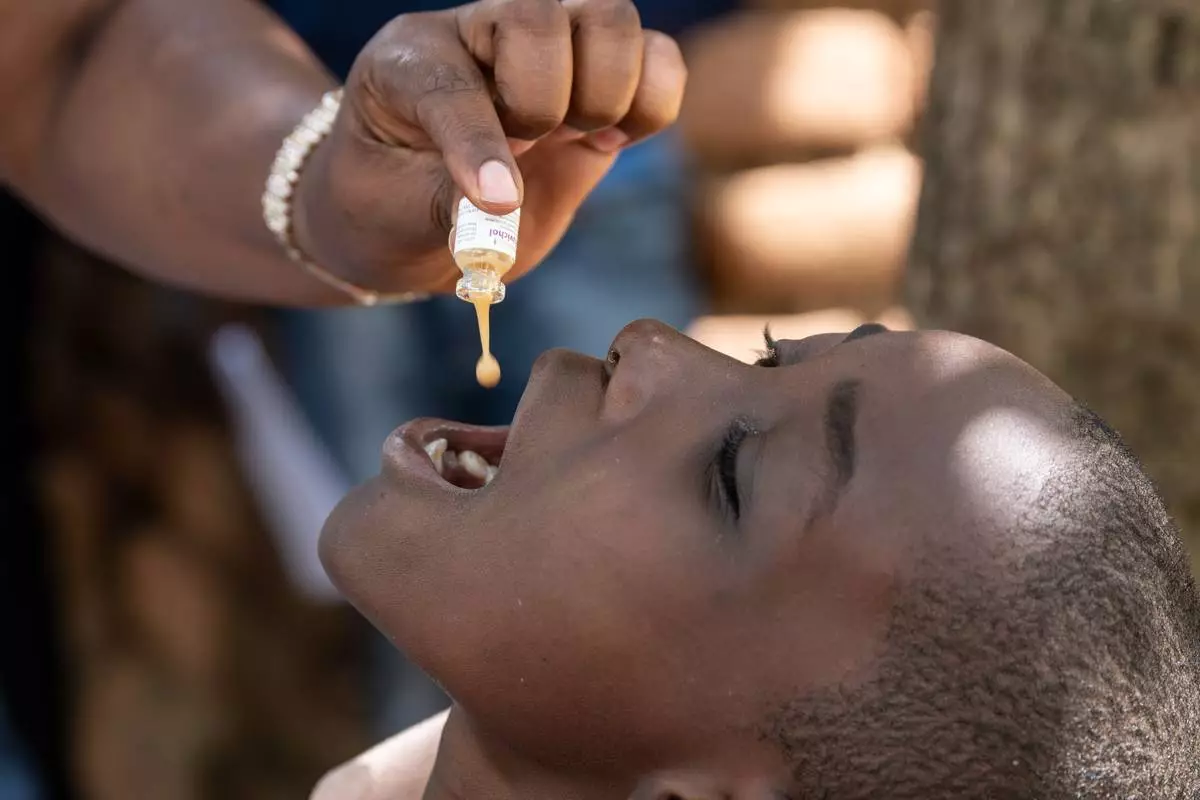
A health worker administers a cholera vaccine in Blantyre, southern Malawi, Thursday, Jan. 22, 2026. (AP Photo/Thoko Chikondi)