KYIV, Ukraine (AP) — Two days of talks involving representatives from Ukraine, Russia and the United States wrapped up Saturday with “constructive” discussions on “possible parameters" for ending the war, Ukrainian President Volodymyr Zelenskyy said. Negotiators will return to the United Arab Emirates for the next round on Feb. 1, according to a U.S. official who described the meetings as upbeat and positive.
The talks are the first known instance that officials from the Trump administration have sat down with both countries as part of Washington’s push for progress to end Moscow’s nearly 4-year-old invasion.
“All parties agreed to report to their capitals on each aspect of the negotiations and to coordinate further steps with their leaders,” Zelenskyy wrote on Telegram.
The meetings covered a broad range of military and economic matters and included the possibility of a ceasefire before a deal, said the official. There was not yet an agreement on a final framework for oversight and operation of Ukraine's Zaporizhzhia Nuclear Power Plant, which is occupied by Russia and is the largest in Europe.
The power generated from the plant will be shared “on an equitable basis,” according to the official, but control of it was still undecided.
Zelenskyy, meanwhile, said there was “an understanding of the need for American monitoring and control of the process of ending the war and ensuring real security.”
U.S. envoys Steve Witkoff and Jared Kushner participated alongside Ukrainian officials, including chief negotiator Rustem Umerov and Kyrylo Budanov, Zelenskyy's chief of staff. Russia sent military intelligence and army representatives, according to Zelenskyy.
While Zelenskyy said in Davos, Switzerland, on Thursday that a potential peace deal was “nearly ready,” certain sensitive sticking points — most notably those related to territorial issues — remain unresolved.
The U.S. official said Russian and Ukrainian officials likely would need to hold further talks in Russia or Ukraine before there was a chance of Zelenskyy meeting with Russian President Vladimir Putin, or even a joint session with President Donald Trump. There seemed to be momentum to reach the stage of leader meetings, according to the official, who spoke to reporters in Washington on condition of anonymity to describe the private talks in Abu Dhabi.
Just hours before the three-way talks began Friday, Putin discussed a Ukraine settlement with Witkoff and Kushner during marathon overnight talks. The Kremlin insists that to reach a peace deal, Kyiv must withdraw its troops from the areas in the east that Russia illegally annexed but has not fully captured.
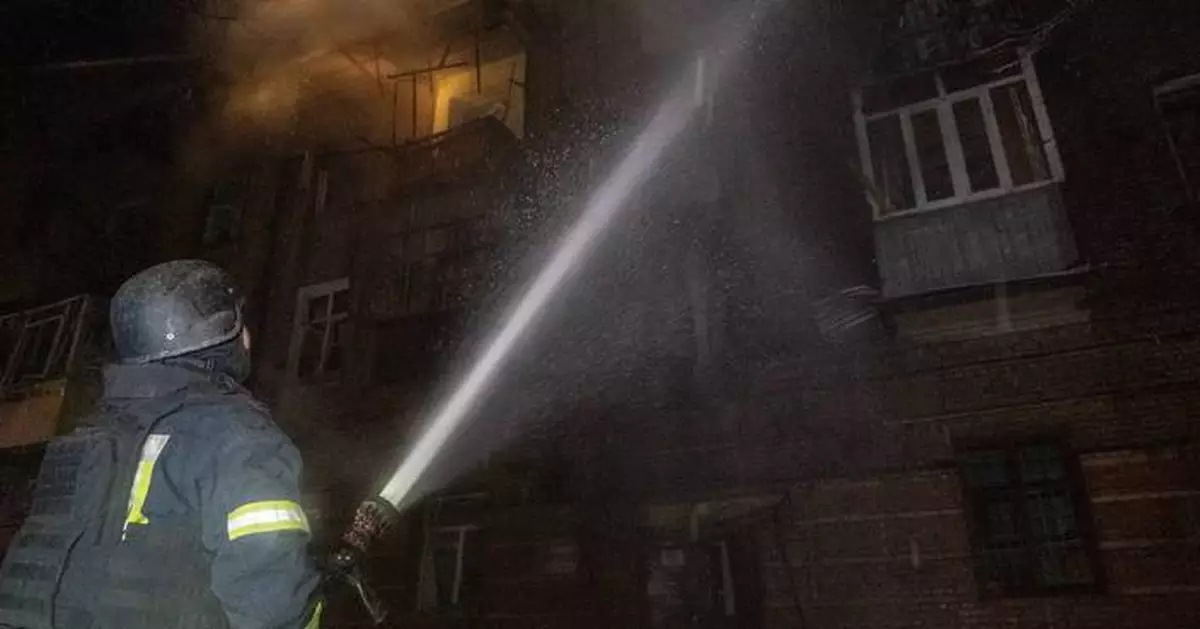
The second day of talks came as Russian drone attacks killed one person and wounded four in the capital, Kyiv, according to Kyiv City Military Administration head Tymur Tkachenko. In Ukraine’s second-largest city, Kharkiv, drone attacks wounded 27 people, Kharkiv regional head Oleh Syniehubov said Saturday.
“Cynically, Putin ordered a brutal massive missile strike against Ukraine right while delegations are meeting in Abu Dhabi to advance the America-led peace process,” Ukrainian Foreign Minister Andrii Sybiha wrote on X. “His missiles hit not only our people, but also the negotiation table.”
Morton reported from London and Price from Washington.
Follow AP’s coverage of the war in Ukraine at https://apnews.com/hub/russia-ukraine
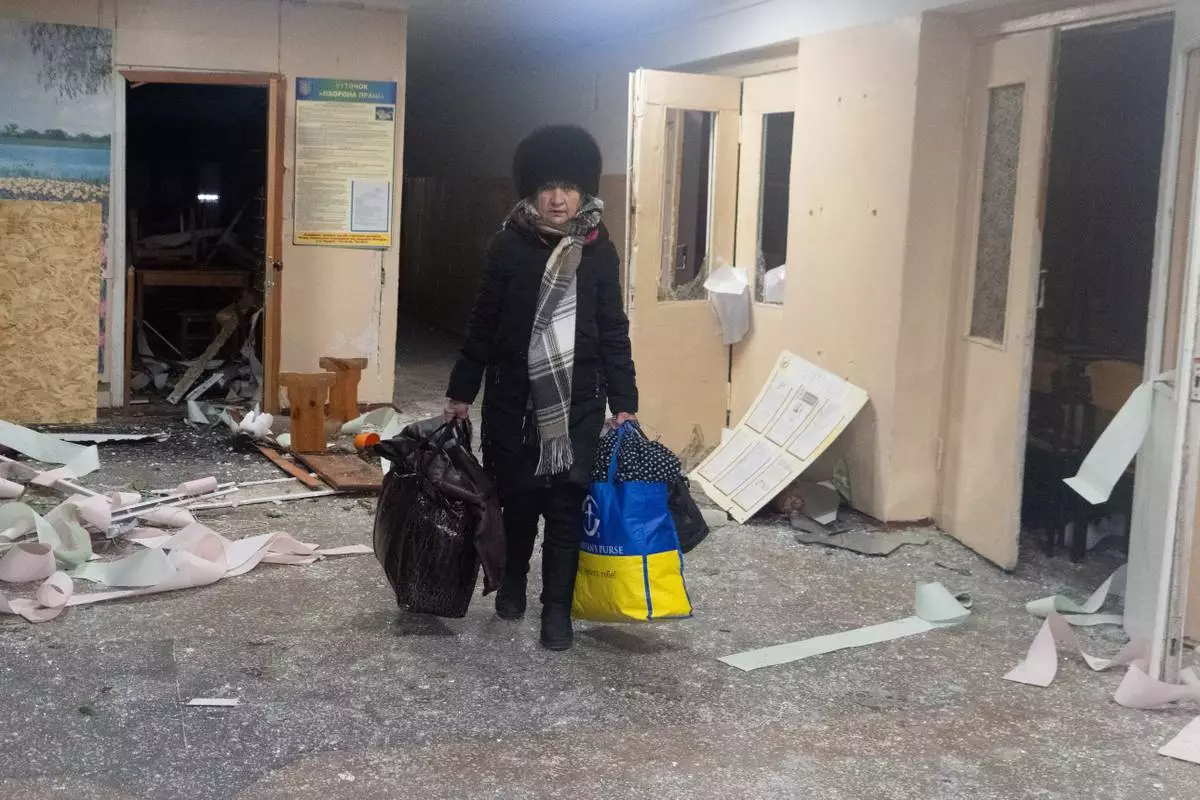
A resident leaves her home in a damaged building following a Russian drone attack in Kharkiv, Ukraine, Saturday, Jan. 24, 2026. (AP Photo/Andrii Marienko)
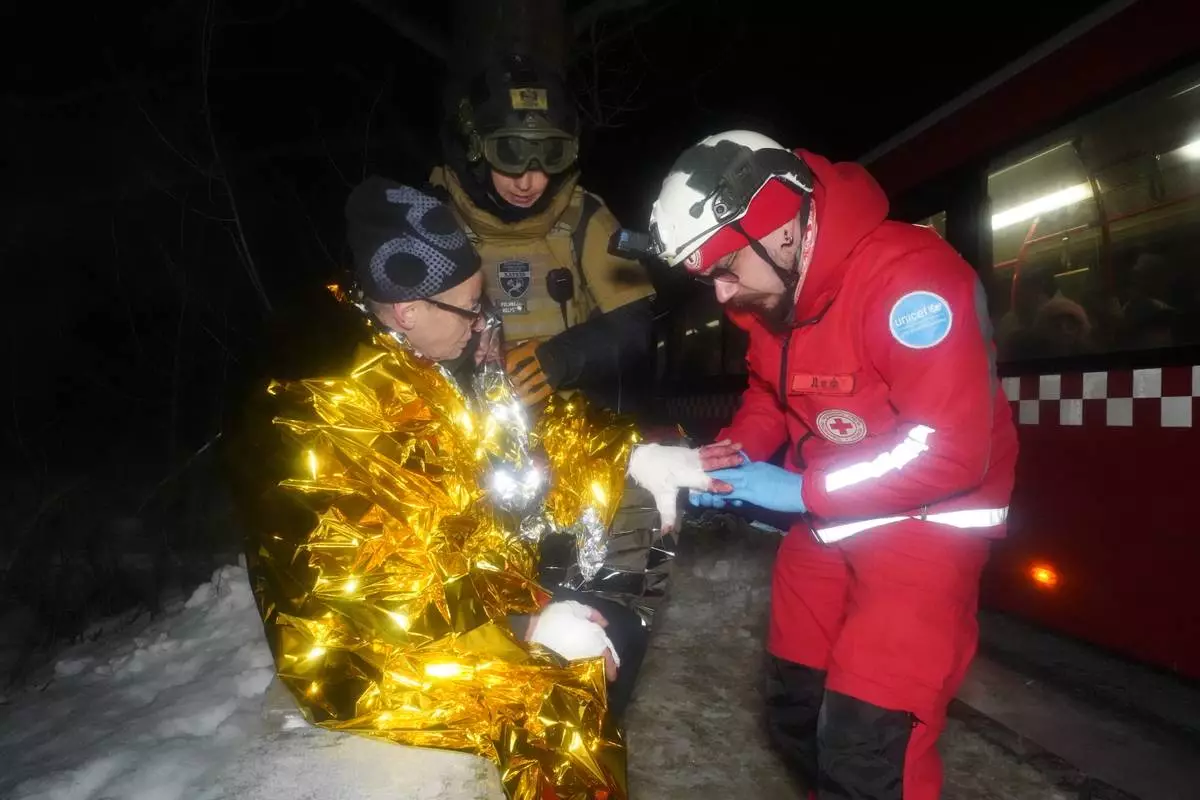
A paramedic gives first aid to a resident who was injured in a Russian airstrike in Kharkiv, Ukraine, Saturday, Jan. 24, 2026. (AP Photo/Andrii Marienko)
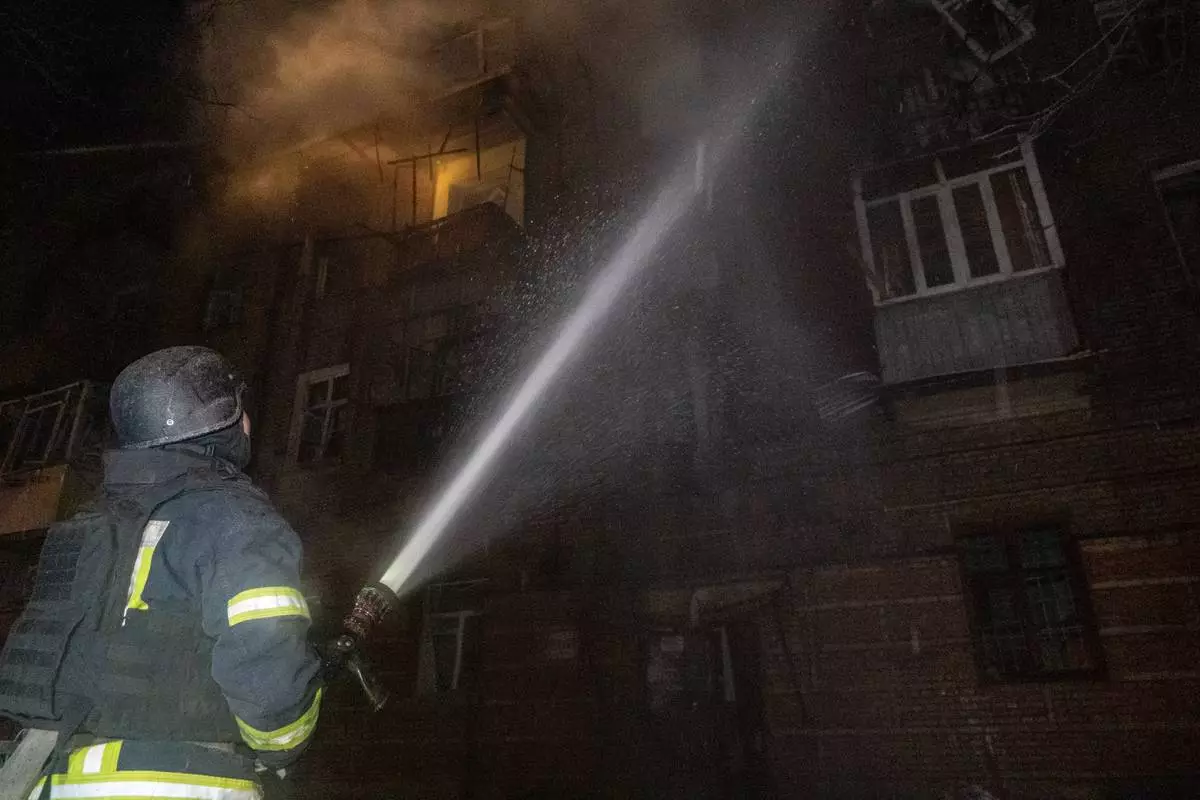
Emergency services personnel work to extinguish a fire following a Russian attack in Kharkiv, Ukraine, Saturday, Jan. 24, 2026. (AP Photo/Andrii Marienko)
France, Scotland or Ireland will clinch the most fun Six Nations in years on Saturday.
Predictions have been torn up and one last twist in the final round of a gripping championship would not surprise.
France is in pole position to win successive titles for the first time since 2006-07. France leads Scotland in the table only on points difference. Its massive though. Ireland is two points behind.
The French have the advantage of closing the championship at a packed Stade de France against an underwhelming England, knowing what they will need to do four hours after Ireland hosts Scotland in Dublin.
Scotland blew open the title race after destroying France's Grand Slam hopes 50-40 in Edinburgh last Saturday.
Scotland's most basic route to a first title since the 1999 Five Nations is beating Ireland and France losing to England. But Scotland hasn't beaten Ireland since 2017 and not in Dublin since 2010. Ireland has been the graveyard of Scotland dreams in their last 11 contests.
Ireland's simplest path to a third title in four years is beating Scotland and also hoping England beats France.
A draw and/or bonus points spin out the scenarios.
Ireland and Scotland are also in the first showdown since 2009 for the Triple Crown, awarded to the home nation which beats the other three home nations. Ireland won it in 2022, 2023 and 2025. Scotland last won it in 1990.
The championship goes into the last round with a first three-way title shootout since 2020, when the COVID-19 pandemic forced an October finish. England won on points difference after Ireland and France couldn't meet scoring requirements.
The other Six Nations match on Saturday is also tasty: Wales hosts Italy in Cardiff. Wales is trying to end a 15-match losing streak in the tournament; Italy is trying for three wins in a single championship for the first time.
Fabien Galthié, France: “We don’t dwell on what just happened (against Scotland), we focus on what's coming next. What matters to us is that we've earned the right to play for the win on Saturday. We'll assess the tournament with its highs and lows later. In this Six Nations championship everything can change from one day to the next. All six teams have experienced positive periods and more challenging times. But the most important thing is that we have the opportunity to play for the win on Saturday night. And that's what motivates us.”
Gregor Townsend, Scotland: “No (I haven't thought of winning the title). It's out of our hands, really. We can only do a certain amount. It's a game against an opponent that's had the upper hand on us for years. It's a challenge but a real opportunity for us to go and deliver an even better performance than we did last week. If we win the game we know there's something at stake. That performance (against France) was close to the best that we've seen from this group and from probably any Scotland team. I think the belief is there that when we get our game right it can put pressure on any defense, and when we get our defense in place we can frustrate opposition. But this is a different challenge. Ireland seem to play very well against us so that's what we’re expecting.”
Andy Farrell, Ireland: “Of course you would like to dream (of the title) but the rest is out of our hands. But something is in our hands and we will focus on our performance, first and foremost. It would be nice to win something that is pretty special for us and that's the Triple Crown. It's been hard to come by over the years when playing for Ireland so we're desperate to get across that. (Scotland) were outstanding against France and we have been preparing for another Scottish performance like that. We'll have to be at our best to beat them as they are a side we have always respected.”
Super Saturday
Ireland vs. Scotland, Dublin, 1410 GMT
Wales vs. Italy, Cardiff, 1640 GMT
France vs. England, Paris, 2010 GMT
AP rugby: https://apnews.com/hub/rugby
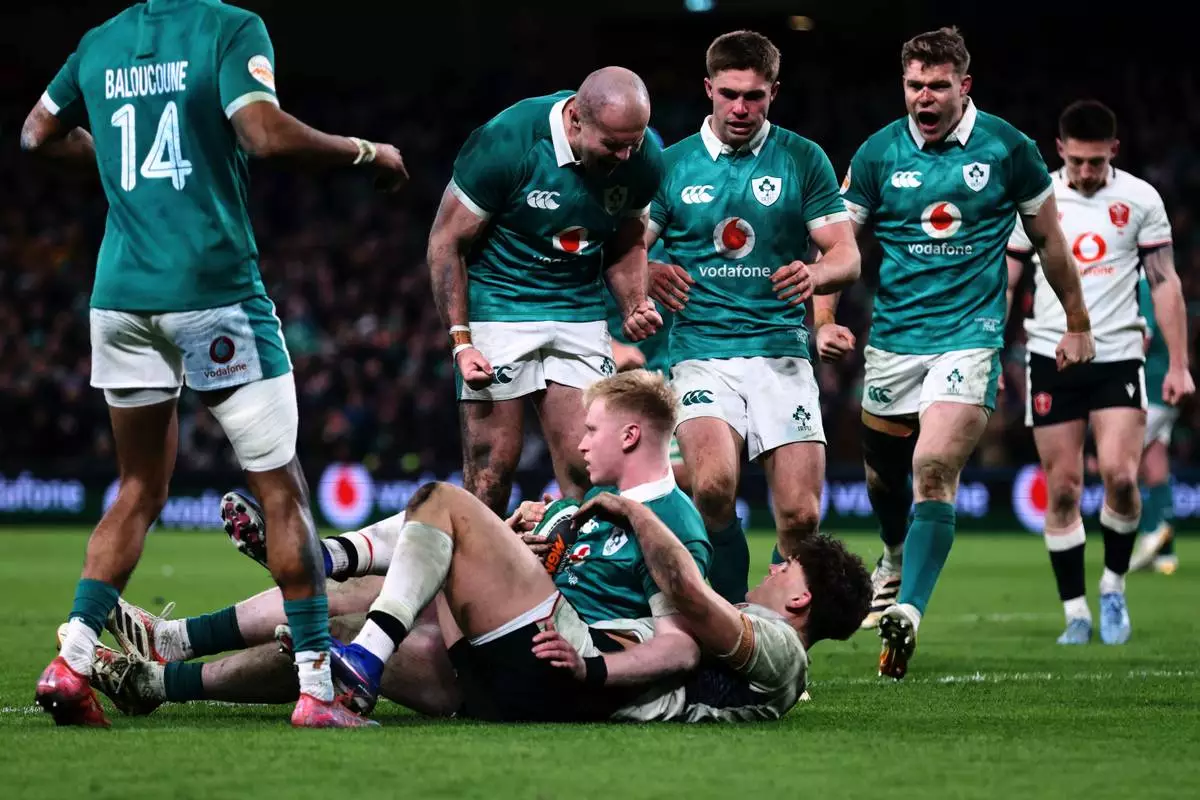
Ireland's players celebrate after their teammate Jamie Osborne scored a try during a Six Nations rugby union match between Ireland and Wales in Dublin, Ireland, Friday, March 6, 2026. (AP Photo/Peter Morrison)
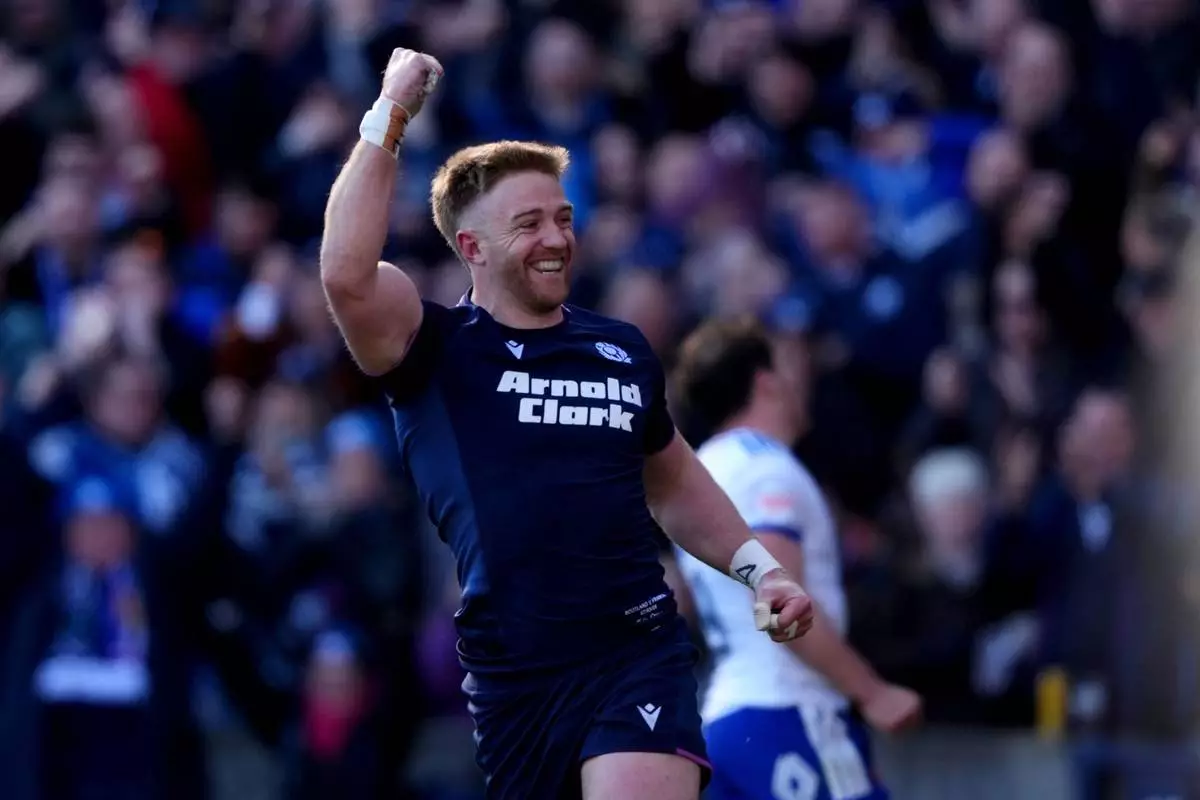
Scotland's Kyle Steyn celebrates scoring a try during the Six Nations rugby match between Scotland and France in Edinburgh, Scotland, Saturday March 7, 2026. (Andrew Milligan/PA via AP)
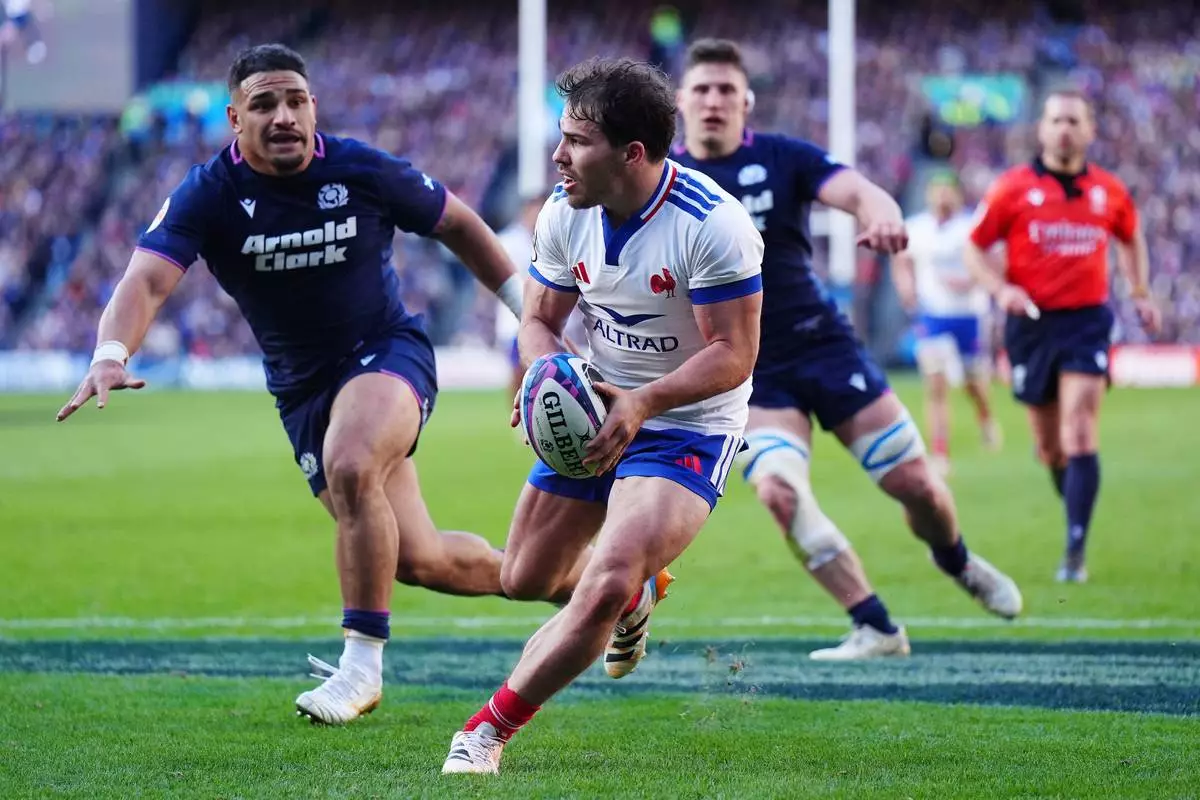
France's Antoine Dupont and Scotland's Sione Tuipulotu, left, in action during the Six Nations rugby match between Scotland and France in Edinburgh, Scotland, Saturday March 7, 2026. (Jane Barlow/PA via AP)