The Road Traffic (Safety Equipment) (Amendment) Regulation 2025 took effect from 25 January, requiring all passengers on public transport and in commercial vehicles to wear seat belts. Violations are punishable by a maximum fine of HK$5,000 and imprisonment for up to 3 months. If bus seats are equipped with seat belts, passengers must wear them at all times.
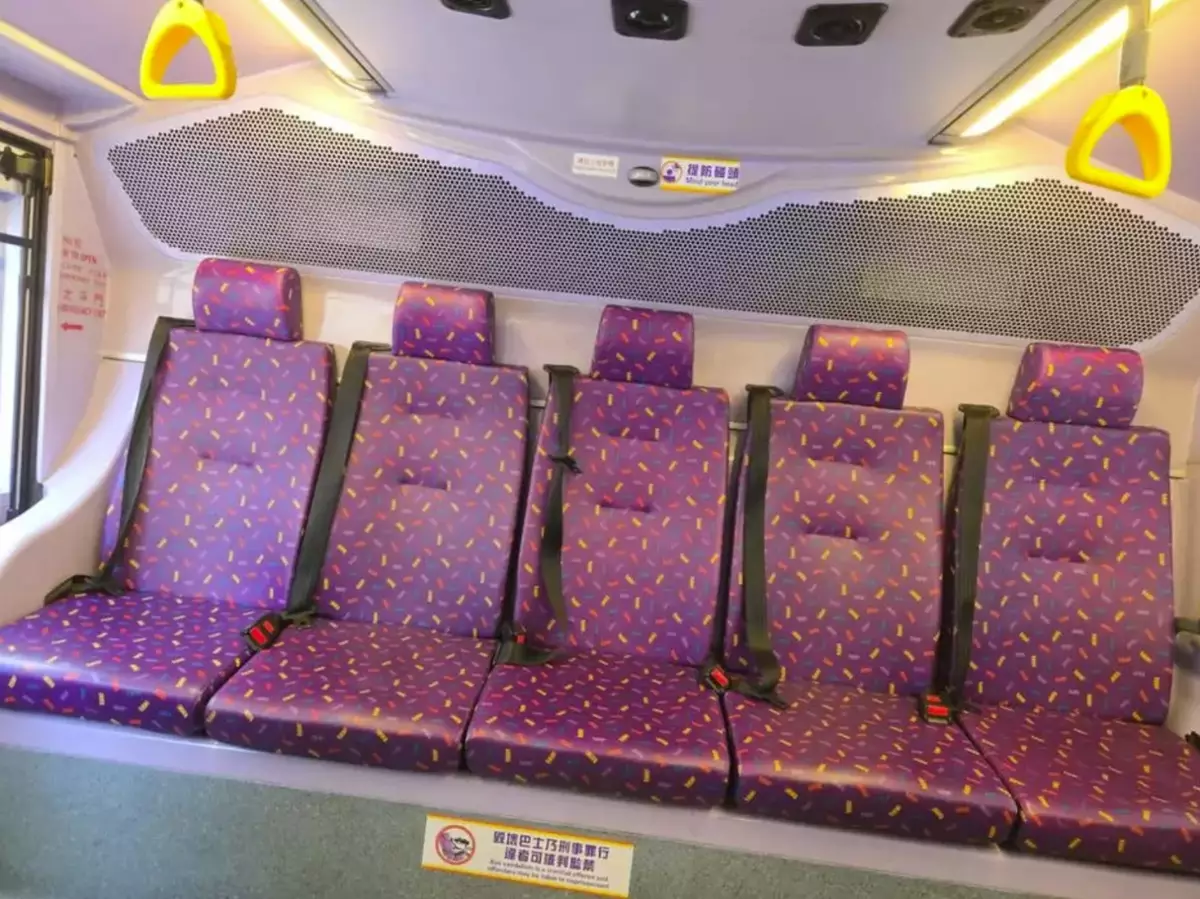
Photo by Bastille Post
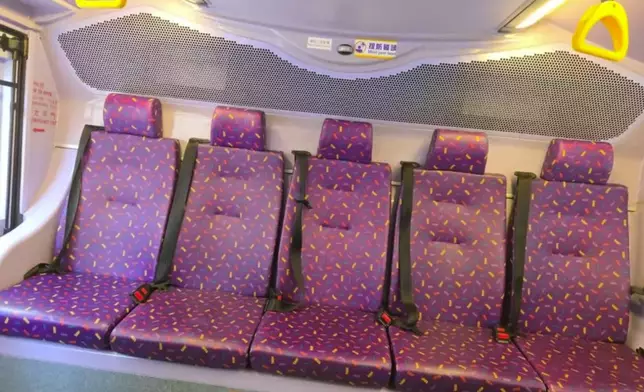
On a bus traveling from Olympic Station to Shek Lei, some seats were equipped with seat belts. One passenger said he was accustomed to wearing seat belts on public transport and would specifically choose seats with them, adding that wearing seat belts could ensure safety, and he didn't mind the inconvenience it would bring.
Click to Gallery
The Road Traffic (Safety Equipment) (Amendment) Regulation 2025 took effect from 25 January. Photo source: FB of TD
In the initial phase, strengthening promotion and public education will be prioritized. Photo source: FB of TD
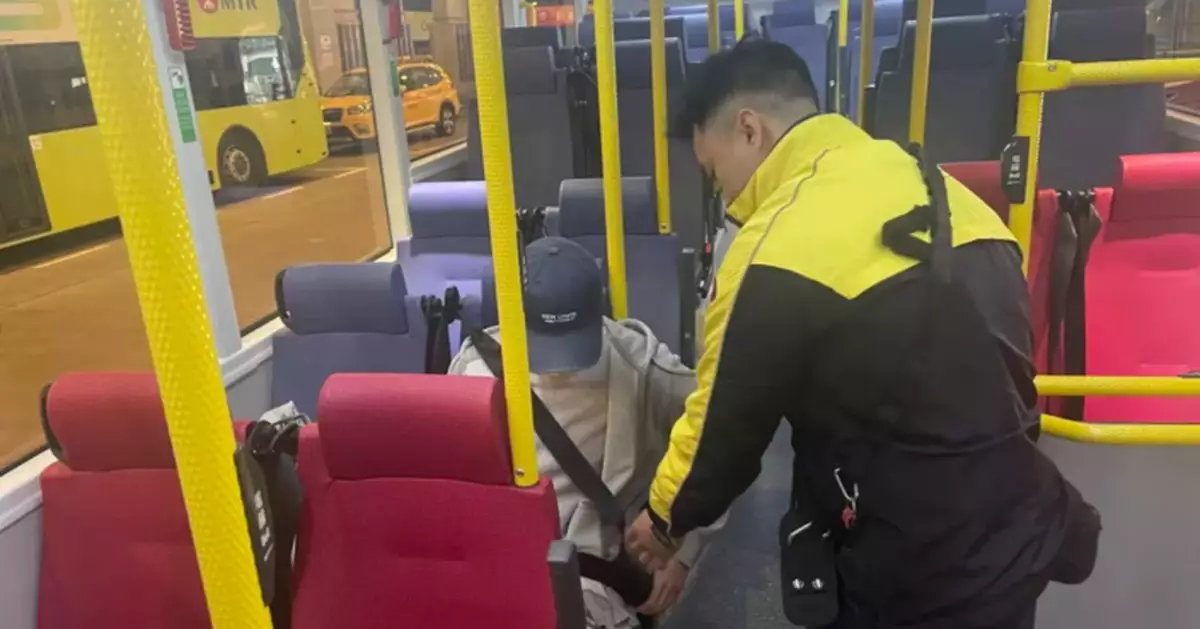
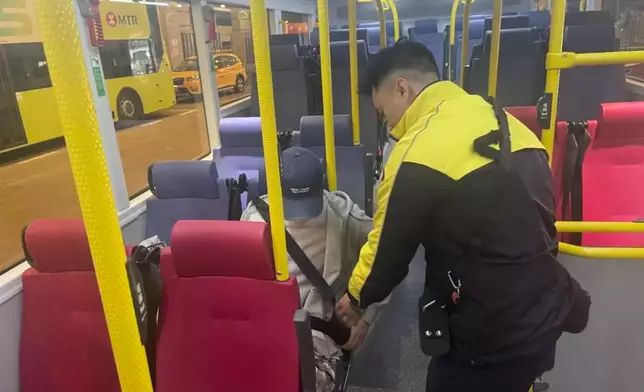
Staff would provide assistance to passengers when necessary. Photo source: FB of TD
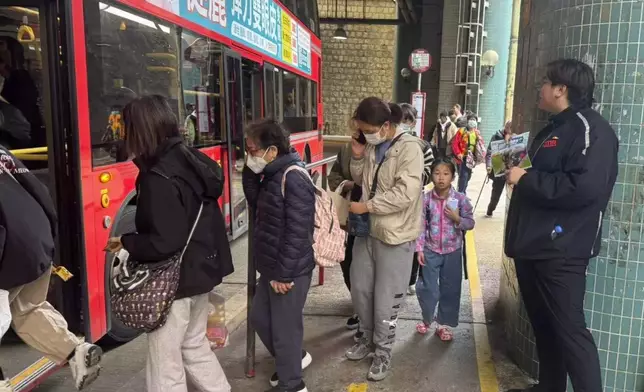
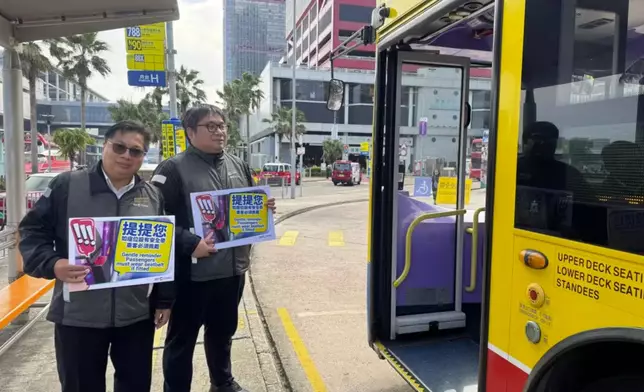
TD has further strengthened promotion and public education with the operators of both franchised bus and MTR bus. Photo source: FB of TD
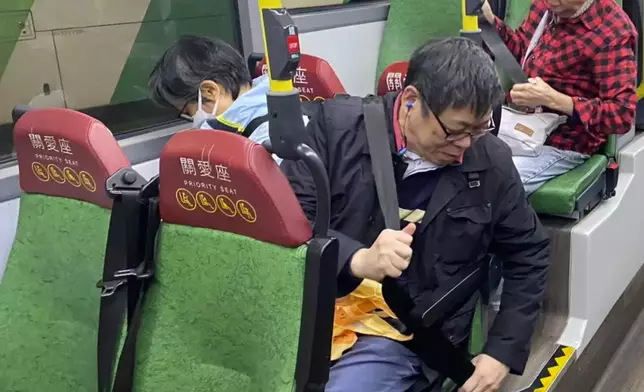
Some passengers said they were slightly not used to wearing seat belts on buses, but agreed that safety was paramount. An elderly passenger said that if he found a seat without a seat belt, he would grip the seat handle tightly. On the bus, one passenger initially had difficulty pulling out the seat belt, but successfully put it on with the help of a neighboring passenger.
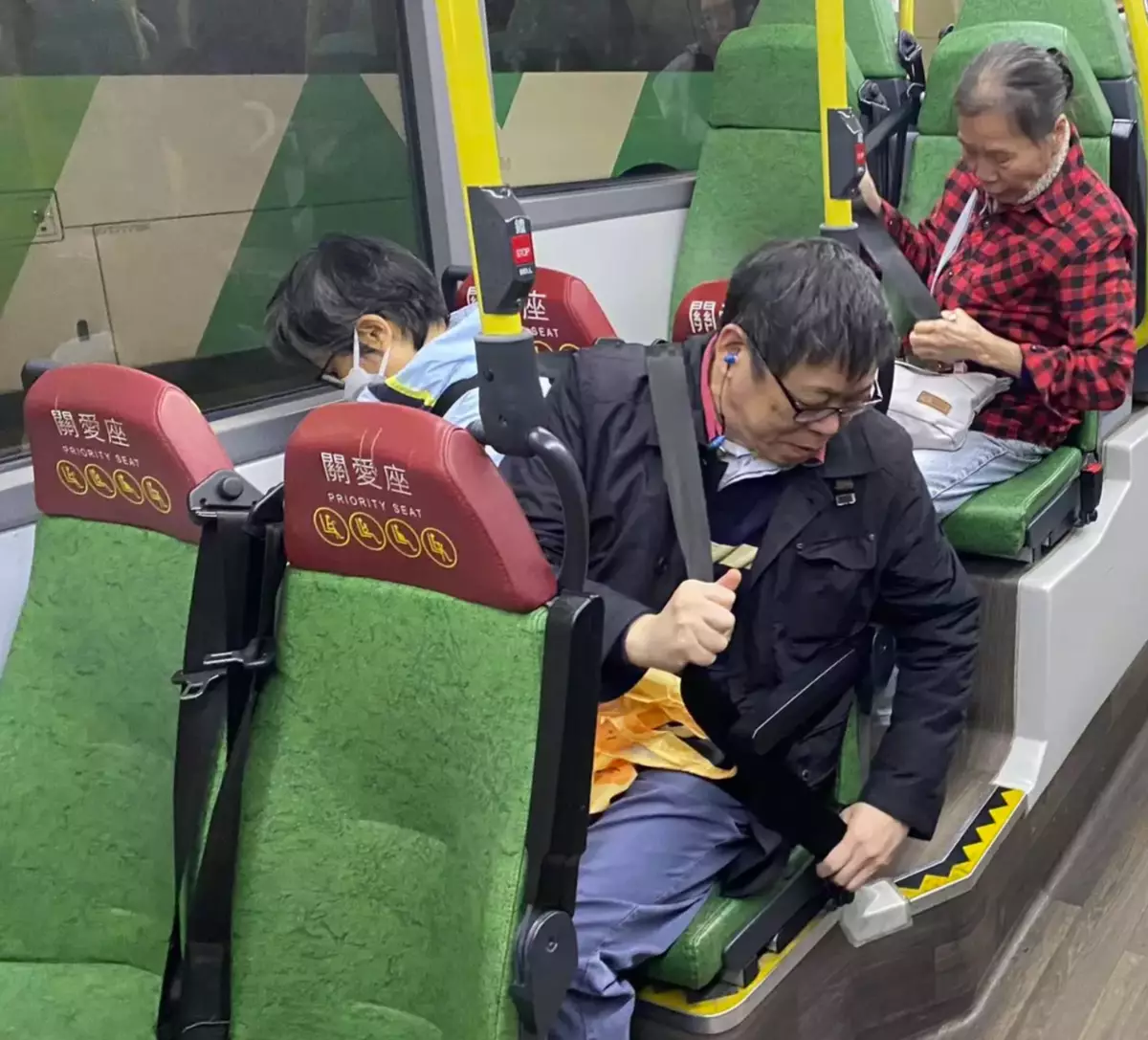
The Road Traffic (Safety Equipment) (Amendment) Regulation 2025 took effect from 25 January. Photo source: FB of TD
The Transport Department (TD) stated that the amended regulation has been operating smoothly since its implementation. In the initial phase, strengthening promotion and public education will be prioritized. The law enforcement agency will consider both reason and law when violations occur, conducting professional investigations based on actual circumstances and handling cases fairly.
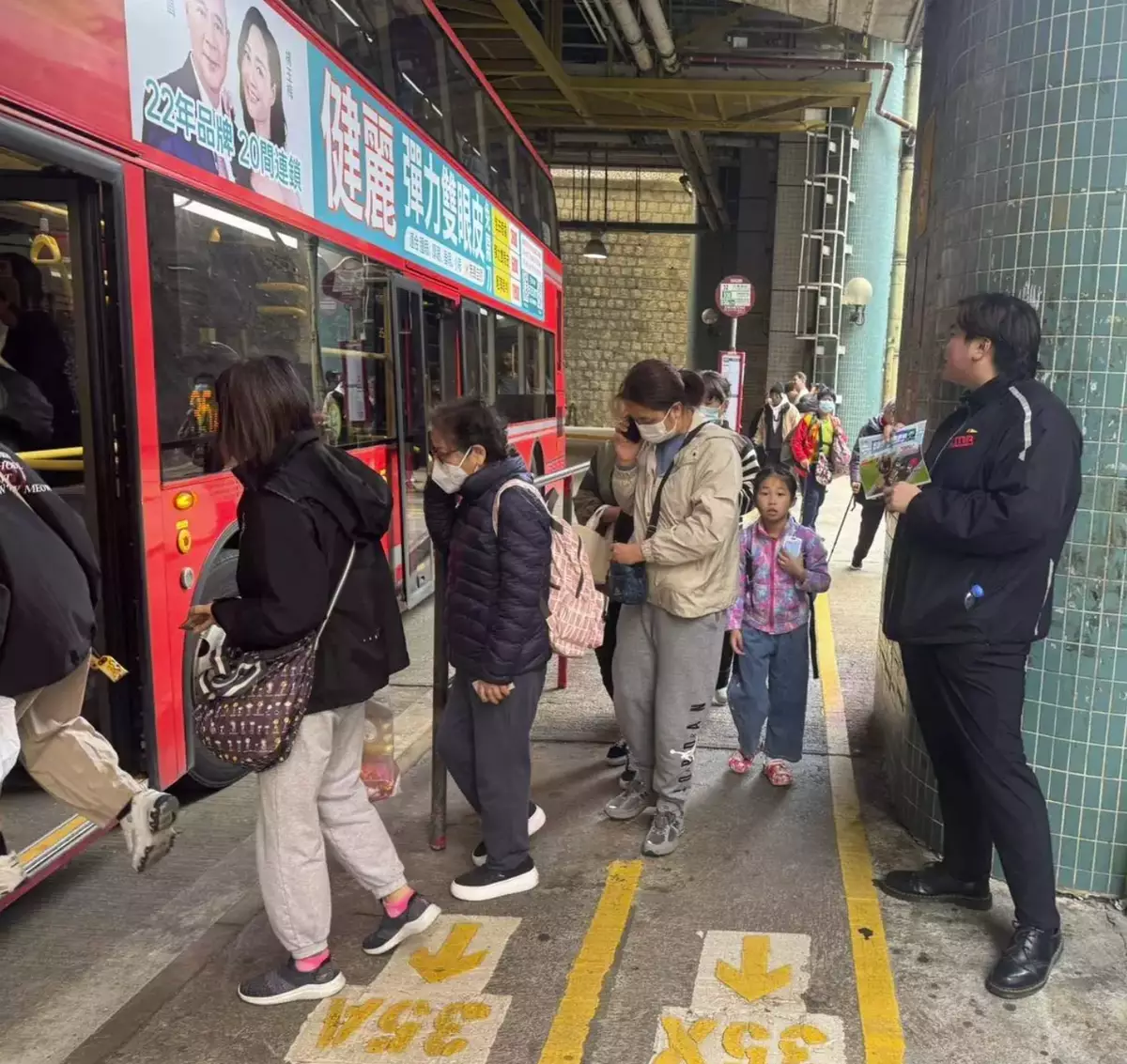
In the initial phase, strengthening promotion and public education will be prioritized. Photo source: FB of TD
The Transport Department reiterated that the regulation already includes reasonable excuses. If a passenger is unable to wear a seat belt due to individual circumstances, he or she can explain the situation and reasons when encountering the law enforcement agency, who will then consider and judge the matter based on the actual circumstances.
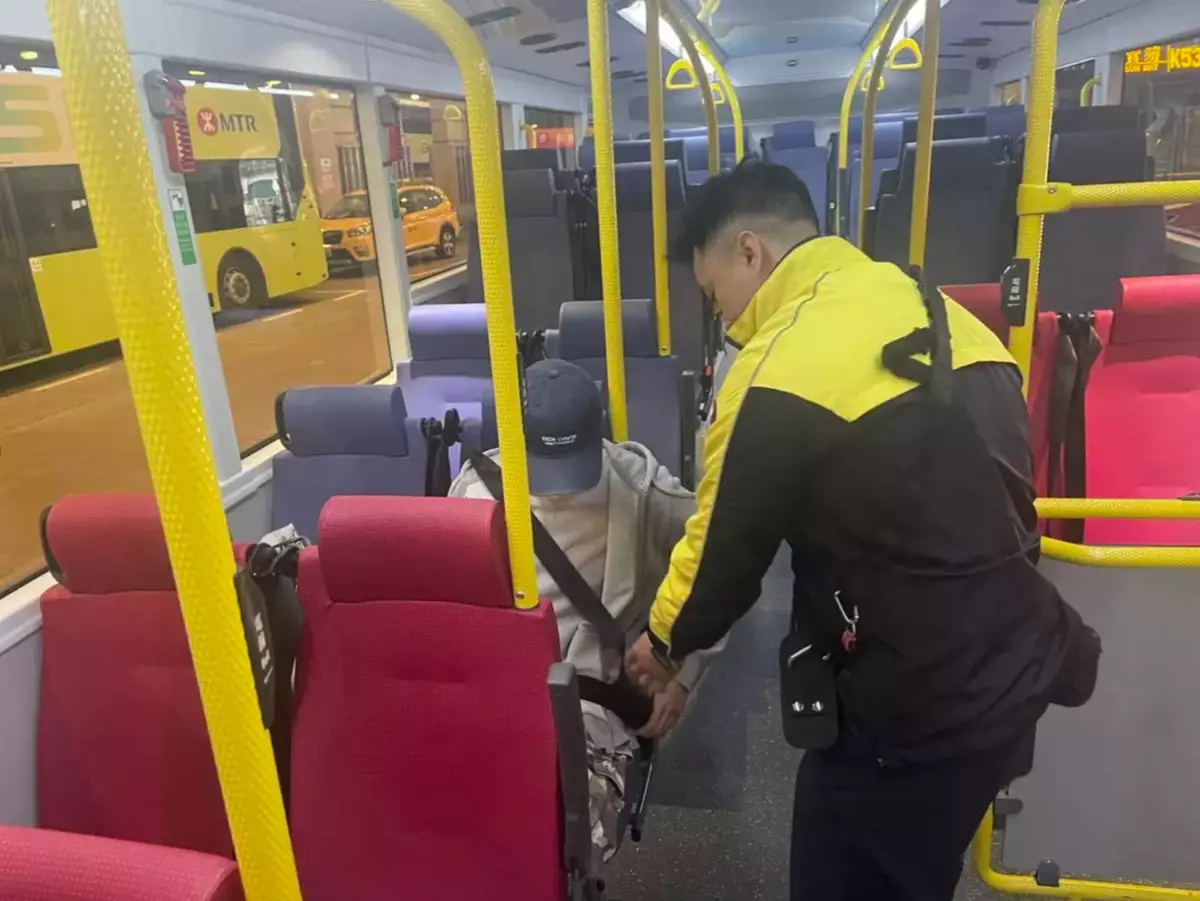
Staff would provide assistance to passengers when necessary. Photo source: FB of TD
The Department also stated that, to assist passengers in adapting the regulation requirement, it has further strengthened promotion and public education with the operators of both franchised bus and MTR bus, which includes deploying additional staff at bus termini with high passenger flow, such as the Central (Macau Ferry), Ngau Tau Kok and Lok Wah, Tai Loong Street in Kwai Chung, Queen's Hill in Fanling, and Tung Chung, etc., as well as at various public transport interchanges such as Tuen Mun Station, Siu Hong Station (North), and Tin Shui Wai Station, etc., to remind passengers, including children, the elderly, and those in need, to wear seat belts securely and to provide assistance when necessary.
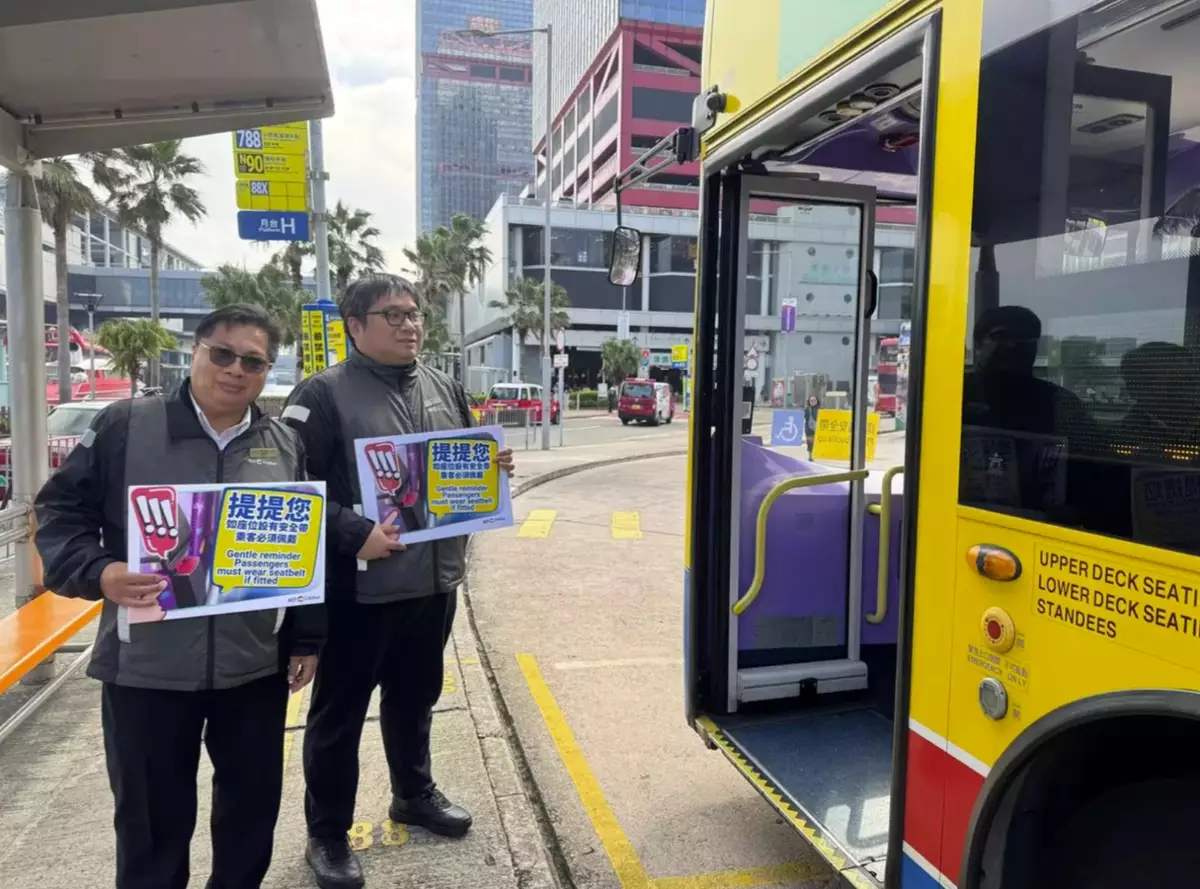
TD has further strengthened promotion and public education with the operators of both franchised bus and MTR bus. Photo source: FB of TD
Since the mandatory e-payment requirement for taxis took effect on April 1 in Hong Kong, Octopus Cards Limited, the local market leader in electronic payments, has rolled out a commercial app and mobile payment terminals that support QR code payments. The corporation revealed that user activity on its "Octopus Easy Ride" ride-hailing platform has surged 1.8 times since launch, alongside a sharp rise in ride-hailing orders.

Ms. Nora Tang, Director of Transport Business at Octopus Cards Limited, Photo by Bastille Post
In an interview with Bastille Post, Ms. Nora Tang, Director of Transport Business at Octopus Cards Limited, said the Octopus app has been downloaded over six million times, and the number of mobile Octopus users now stands at roughly three million, approaching half of Hong Kong's population. She noted that since the platform launched, user activity has increased more than 1.8 times compared to the first day, and order volumes have risen significantly, especially on days when bad weather makes hailing a taxi difficult.
Multiple QR Code Payment Options Supported
According to the new regulation introduced by the government on April 1, all taxi drivers are required to offer a "1+1" electronic payment package, at least two payment methods for passengers, including one non-QR code option (such as Octopus card, credit card, or FPS) and one QR code option (such as AlipayHK, WeChat Pay HK, or BoC Pay).
In response, Octopus has launched the "Octopus for Business" app and "Octopus Mobile POS" for drivers, supporting Octopus Wallet, AlipayHK, WeChat Pay HK, WeChat Pay, PayMe, and UnionPay QR codes.
"Octopus Easy Ride" Offers Multiple Ride Choices
Octopus also introduced "Octopus Easy Ride" on April 22, with the goal of accelerating the digitalization of local taxi services. According to Ms. Tang, the platform currently integrates five taxi fleets across Hong Kong, totaling about 8,000 taxis, and offers a wide range of vehicle options, including standard four-seaters, six-seater luxury vehicles, and wheelchair-accessible taxis.
She said that citizens simply need to download the Octopus app and book a taxi within the familiar interface, without having to download multiple ride-hailing apps, which significantly improves both the success rate and convenience of booking a ride.

The "Octopus Easy Ride" platform currently integrates five taxi fleets across Hong Kong, totaling about 8,000 taxis, and offers a wide range of vehicle options. Photo source: Octopus
While the platform handles order dispatch smoothly, both drivers and passengers are still adjusting to the operation. Drivers need time to familiarize themselves with the order-taking process and travel-time estimates, while passengers are also getting used to the new booking rules.
Ms. Tang pointed out that many drivers in the industry are elderly and may not be tech-savvy. That's why the "Octopus Easy Ride" platform connects five local taxi fleets, licensed ride-hailing platforms, and various chambers of commerce and fleet groups. These groups use their own resources to organize fleets, while "Octopus Easy Ride" provides them access to Octopus's large customer base. "This significantly lowers the barrier for drivers to participate in ride-hailing and gives them an additional, stable source of income alongside traditional street-hailing," she explained.
Fixed Pricing Helps Reduce Disputes
"Octopus Easy Ride" uses a fixed-price mechanism. Ms. Tang explained that each fleet sets a capped fare based on pickup location, destination, real-time traffic conditions, and its own operating costs. Passengers can see quotes from different fleets when booking, and if the final fare from the matched fleet is lower, the platform refunds the difference.
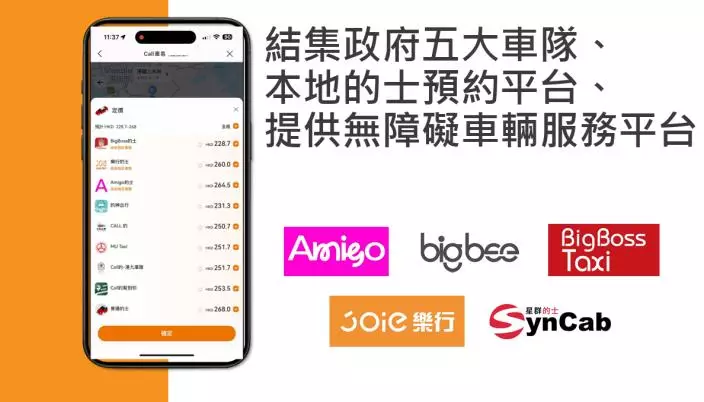
The five local taxi fleets cooperated with the platform, Photo source: Octopus
"This mechanism effectively reduces disputes over detours, traffic jams, or meter fares, ensuring fairness for both passengers and drivers," she said. The platform also uses taxi meter rates as a benchmark to prevent cutthroat price competition and maintain a healthy industry ecosystem. Currently, the platform does not allow passengers to change their destination after boarding. If needed, they can cancel the ride and negotiate with the driver to use the traditional meter.
Some media tests have shown that "Octopus Easy Ride" fares are typically a few tens of dollars higher than street-hailed taxis. Ms. Tang acknowledged that passengers want lower prices, but noted that drivers also face operating costs such as car rental, charging, and fuel. "The platform aims to strike a balance between the two," she said. From now until June 30, 2026, every "Octopus Easy Ride" customer can receive a coupon worth up to HK$100.
Driver and Transaction Fees Waived
Ms. Tang said Octopus will continue to work with local taxi groups to bring more fleets onto the platform and will keep driver and transaction fees waived, supporting drivers who use the "Octopus for Business" app and "Octopus Mobile POS." Starting this June, the monthly transfer limit from the app to personal Octopus cards will be significantly raised to HK$40,000, improving cash flow. The platform will also gradually add new features, including more vehicle options and enhanced support for visitors to Hong Kong.
Octopus Cards Limited, Photo by Bastille Post
She also mentioned that Octopus first launched an overseas version of "Octopus Easy Ride" last May in Singapore, Malaysia, Thailand, Vietnam, and Japan, mainly to provide Hong Kong residents with a seamless ride-hailing experience while traveling abroad, allowing them to solve problems using a familiar app and Cantonese-speaking customer service. Since its launch, usage of the overseas version has more than quadrupled. The Hong Kong version has been adapted based on that experience, with a greater focus on collaboration with local fleets and groups to lower the barriers for driver participation.