The Central Kowloon Bypass (Yau Ma Tei Section) has opened at 10 a.m. on December 21. Ms. Mable Chan, the Secretary for Transport and Logistics, stated at the opening ceremony that the construction of the bypass has overcome multiple challenges in the urban area. After its opening, the east-west traffic and public transport in Kowloon will be significantly improved.
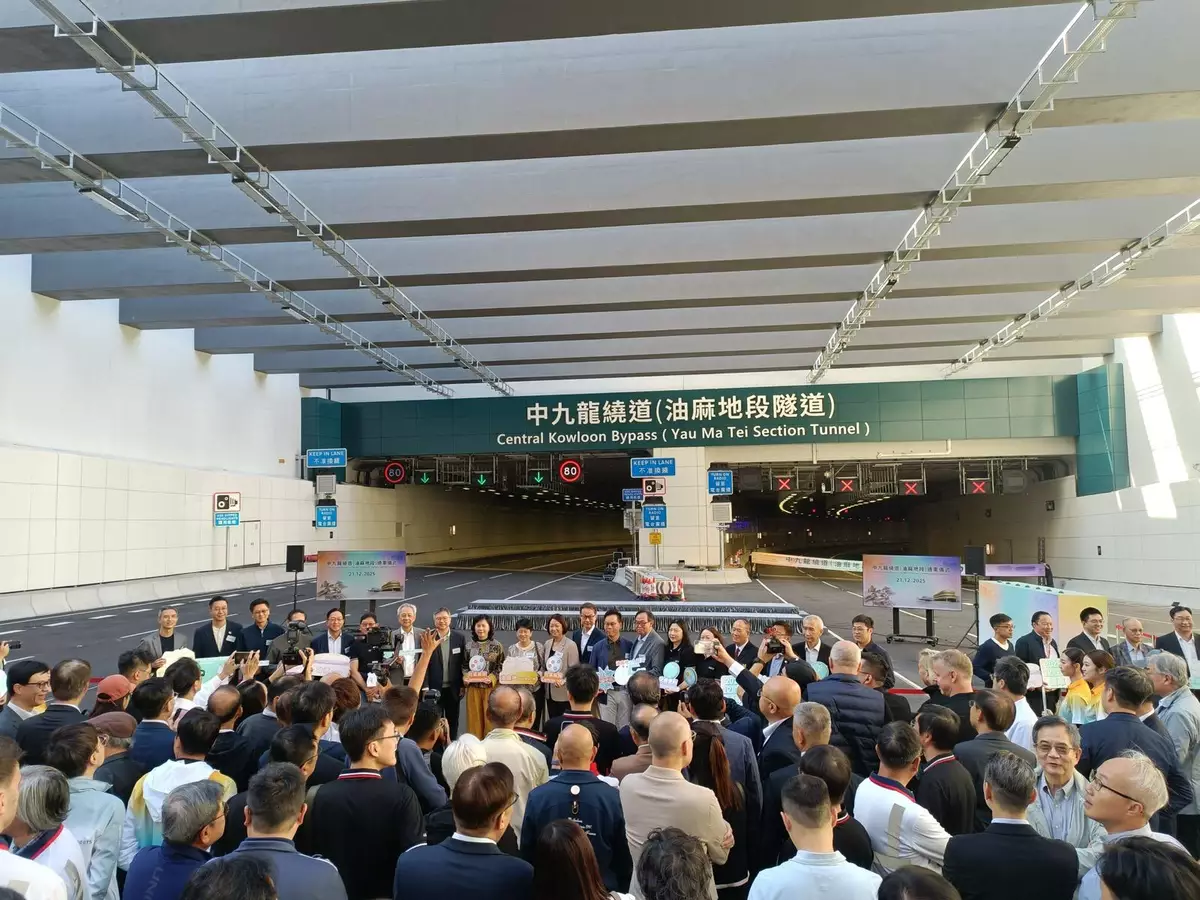
The opening ceremony of the Central Kowloon Bypass (Yau Ma Tei Section), Photo by Bastille Post
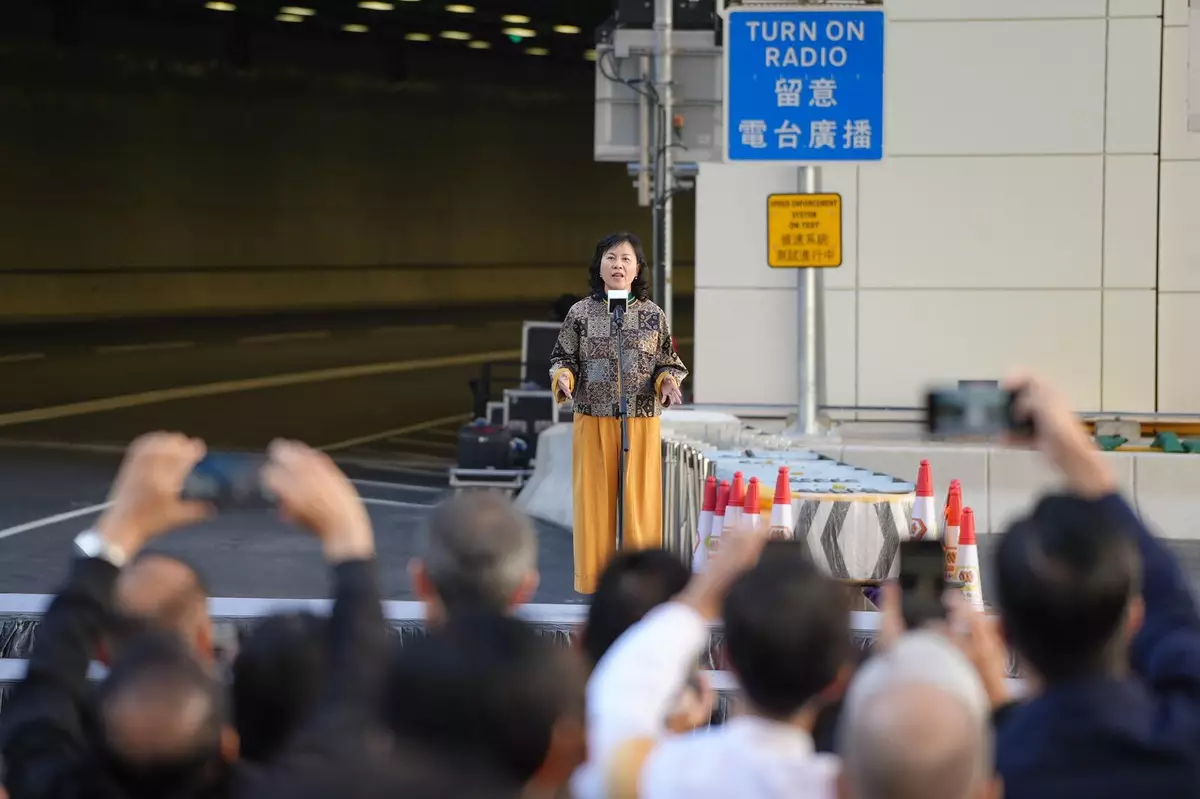
Ms. Mable Chan, the Secretary for Transport and Logistics, Photo by Bastille Post
Ms. Chan pointed out that, during the final stage of the bypass construction over the past few years, the related personnel from the Transport and Logistics Bureau, Highways Department and the Transport Department have repeatedly explained the construction challenges and difficulties, as well as the transportation arrangements to the public. Relevant information has also been disclosed to the public through various channels.
Click to Gallery
The opening ceremony of the Central Kowloon Bypass (Yau Ma Tei Section), Photo by Bastille Post
Ms. Mable Chan, the Secretary for Transport and Logistics, Photo by Bastille Post
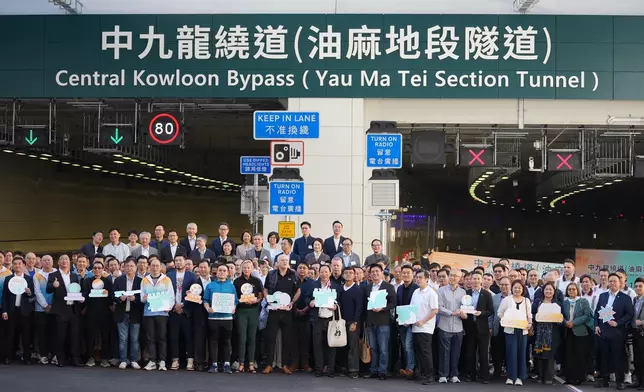
The opening ceremony of the Central Kowloon Bypass (Yau Ma Tei Section), Photo by Bastille Post
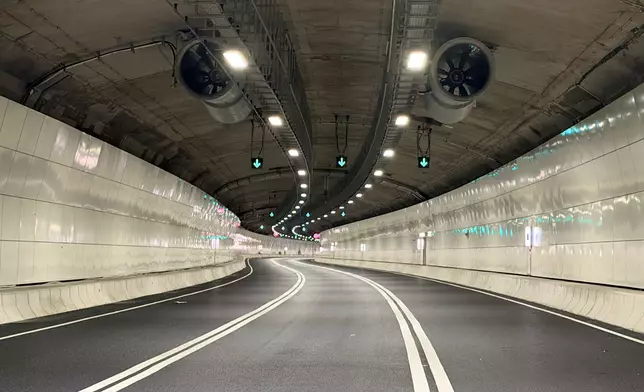
The tunnel of the Central Kowloon Bypass (Yau Ma Tei Section)
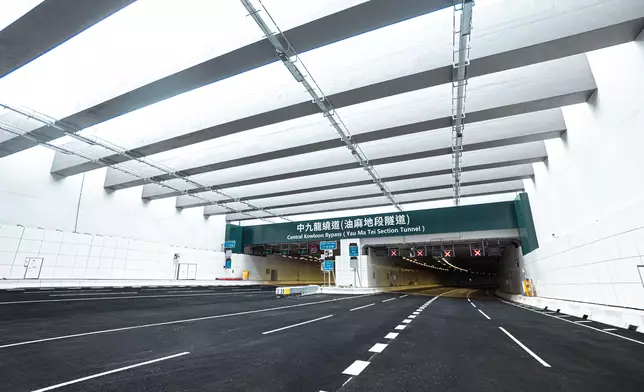
The entrance and exit of the tunnel of the Central Kowloon Bypass (Yau Ma Tei Section)
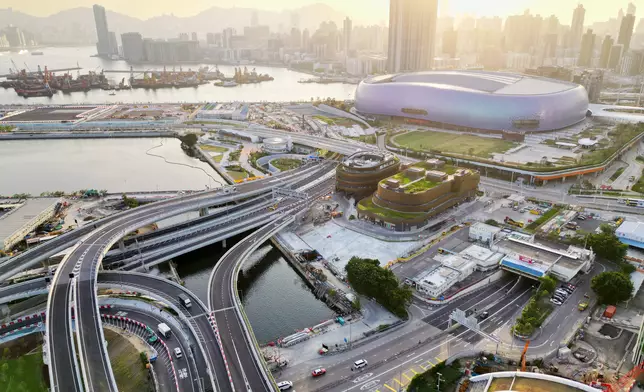
The intersection of Kai Tak of the Central Kowloon Bypass (Yau Ma Tei Section)
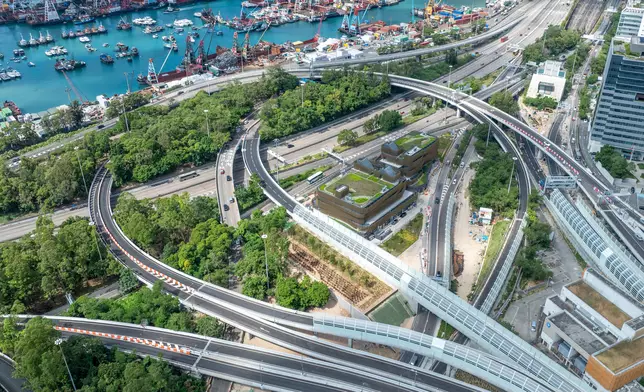
The intersection of Yau Ma Tei of the Central Kowloon Bypass (Yau Ma Tei Section)
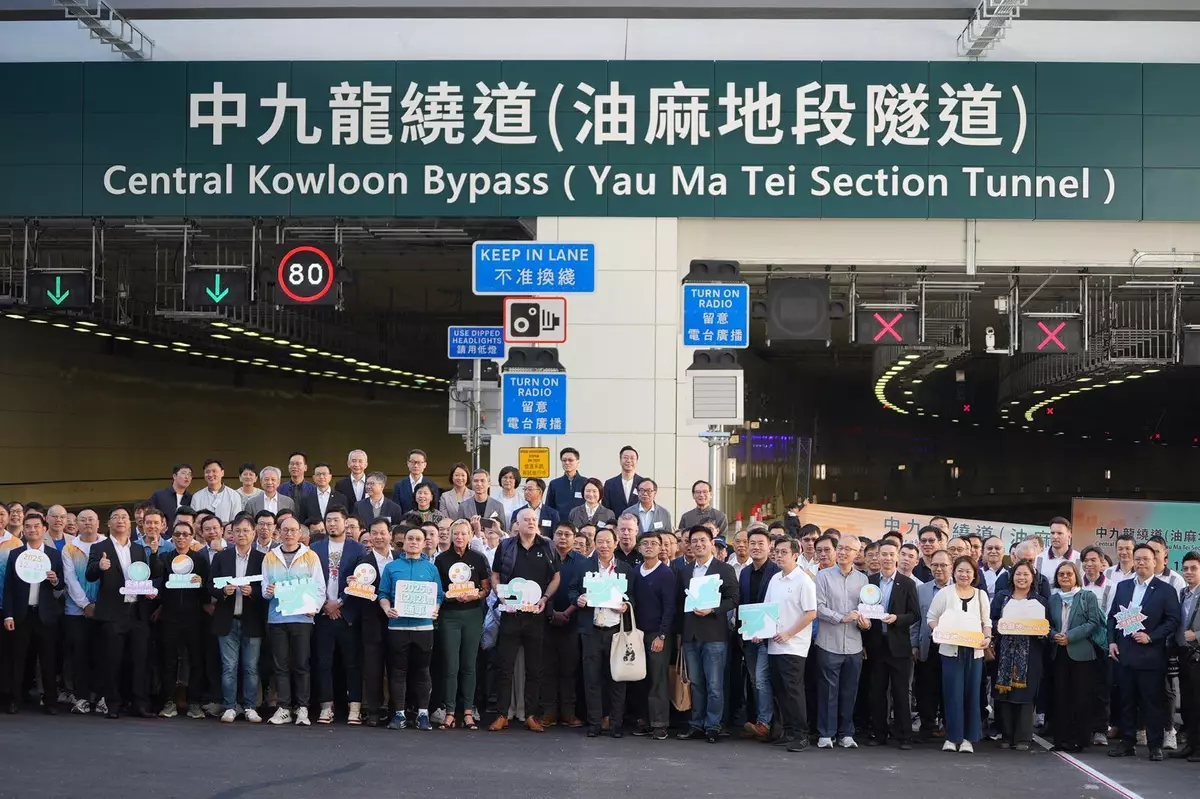
The opening ceremony of the Central Kowloon Bypass (Yau Ma Tei Section), Photo by Bastille Post
Ms. Chan said that the construction of the Central Kowloon Bypass has three major characteristics: "reaching up to the sky, going down to the ground, and reaching out to the sea". The construction process needs to pass through various busy urban areas and neighbourhoods in Kowloon, including Yau Ma Tei, Jordan, Kowloon Bay and Kai Tak, involving tunnel engineering and a number of complex construction techniques.
She mentioned that during the construction, multiple MTR routes need to be crossed, with the nearest construction distance being only about three meters. More than two thousand underground blasting operations have been carried out. Since the time for some of the construction procedures is extremely limited, the construction team has adopted the application of technology and close teamwork to ensure the safety of the construction and the smooth operation of the city.
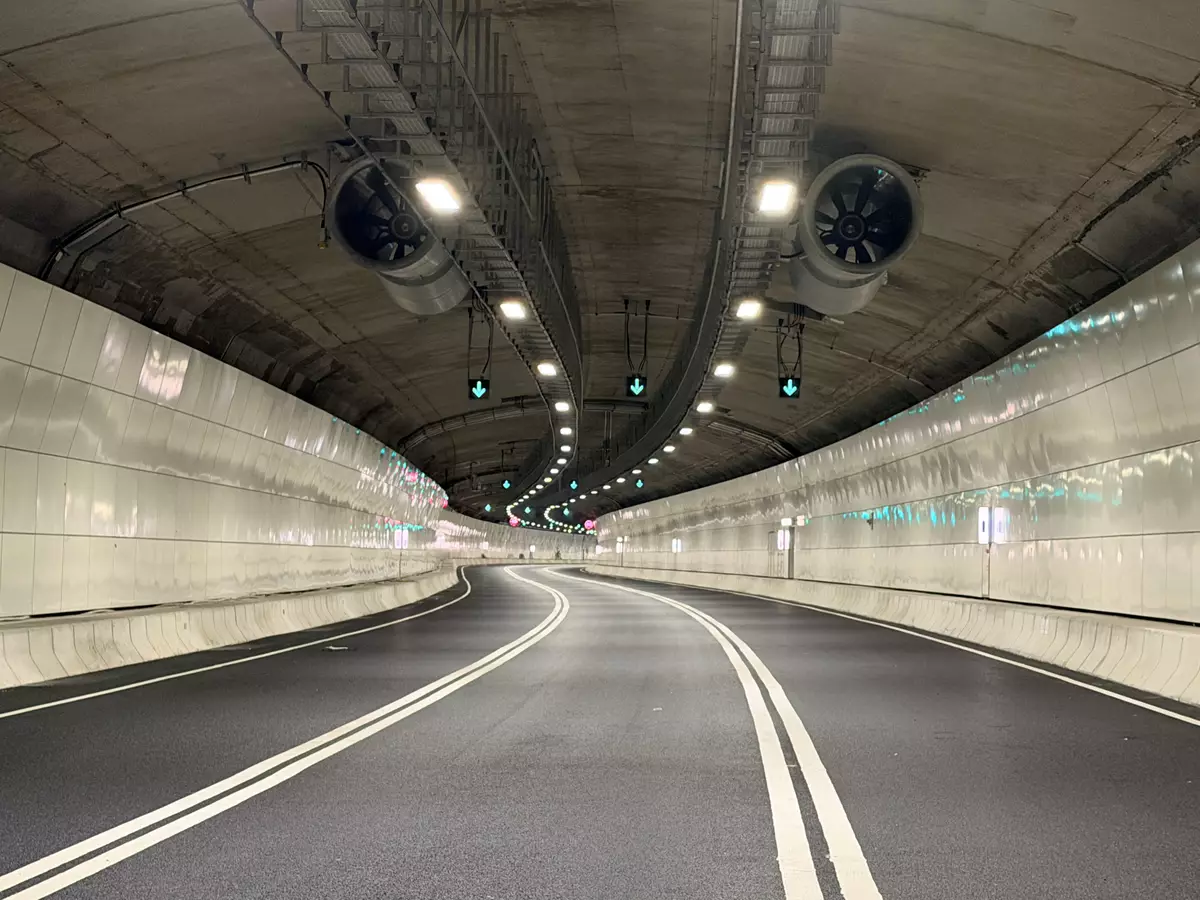
The tunnel of the Central Kowloon Bypass (Yau Ma Tei Section)
In terms of transportation of the bypass, Ms. Chan said that eight franchised bus routes will cover the relevant sections after the opening of the bypass, including three newly established routes and five adjusted routes. The government will continue to optimize public transportation arrangements in a timely manner according to the travel needs of citizens.
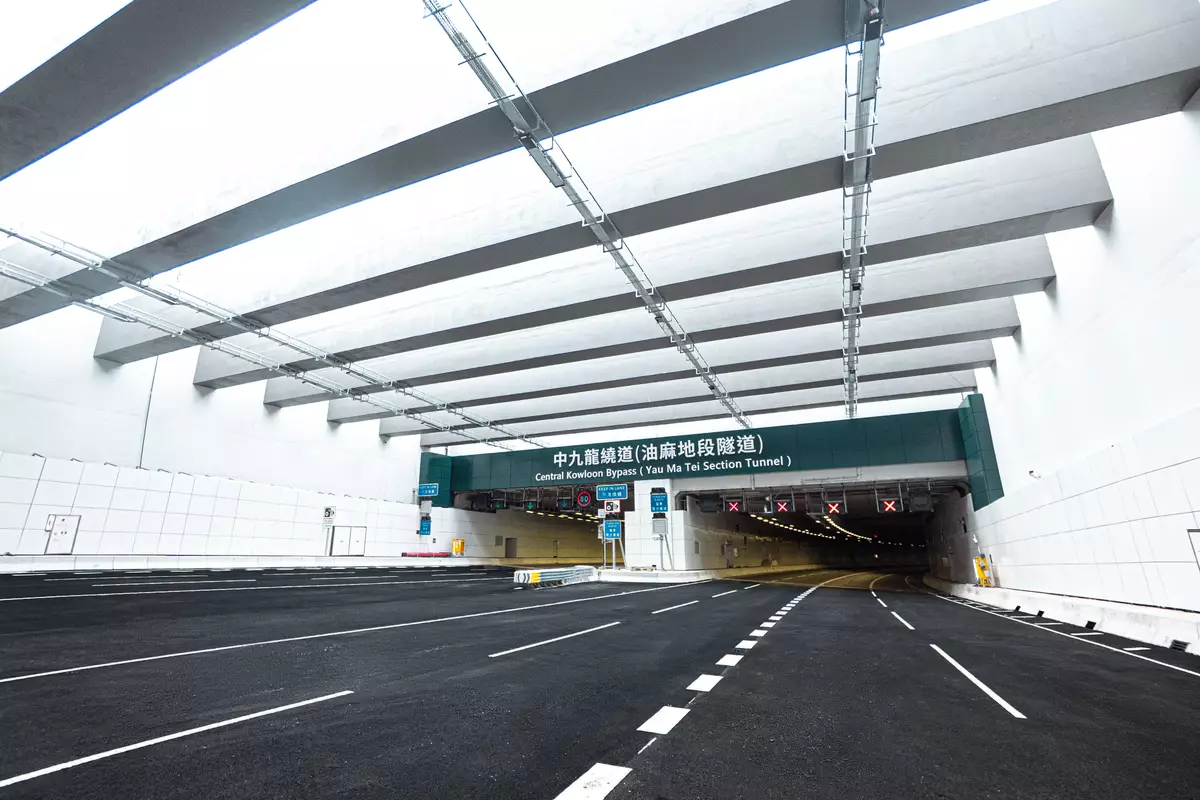
The entrance and exit of the tunnel of the Central Kowloon Bypass (Yau Ma Tei Section)
She also pointed out that the driving time between Yau Ma Tei and Kai Tak will be shortened from about 30 minutes to about 5 minutes after the opening of the bypass, helping to improve overall traffic efficiency and promote the long-term development of surrounding neighbourhoods.
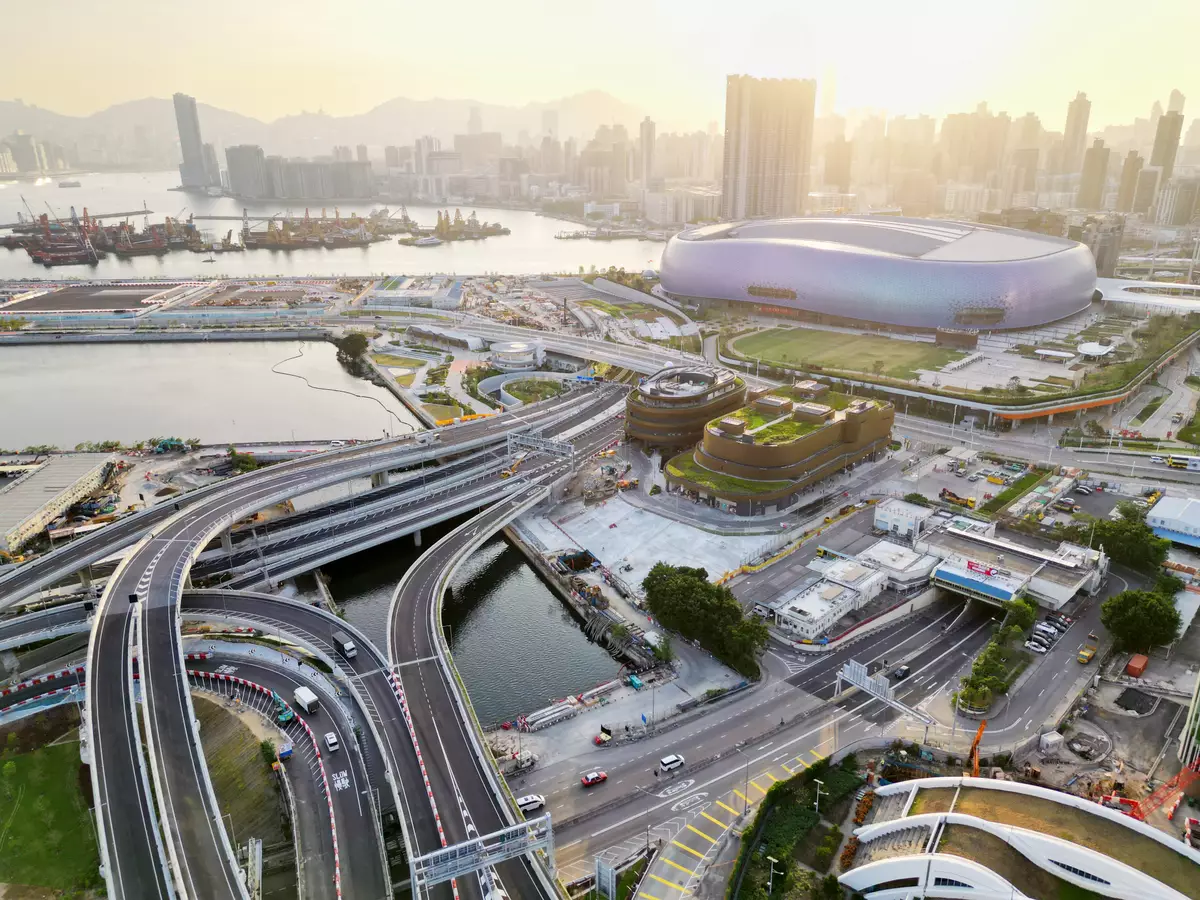
The intersection of Kai Tak of the Central Kowloon Bypass (Yau Ma Tei Section)
After the opening ceremony, Ms. Chan and the officials present, members of the Legislative Council, District Councillors and other guests boarded the open-top bus to experience the operation of the bypass. Ms. Chan said that since December 22 would be the first working day after the opening of the bypass, eight bus routes will be arranged to pass through the bypass, including three new routes and five existing routes, driving from Yau Ma Tei to Kai Tak.
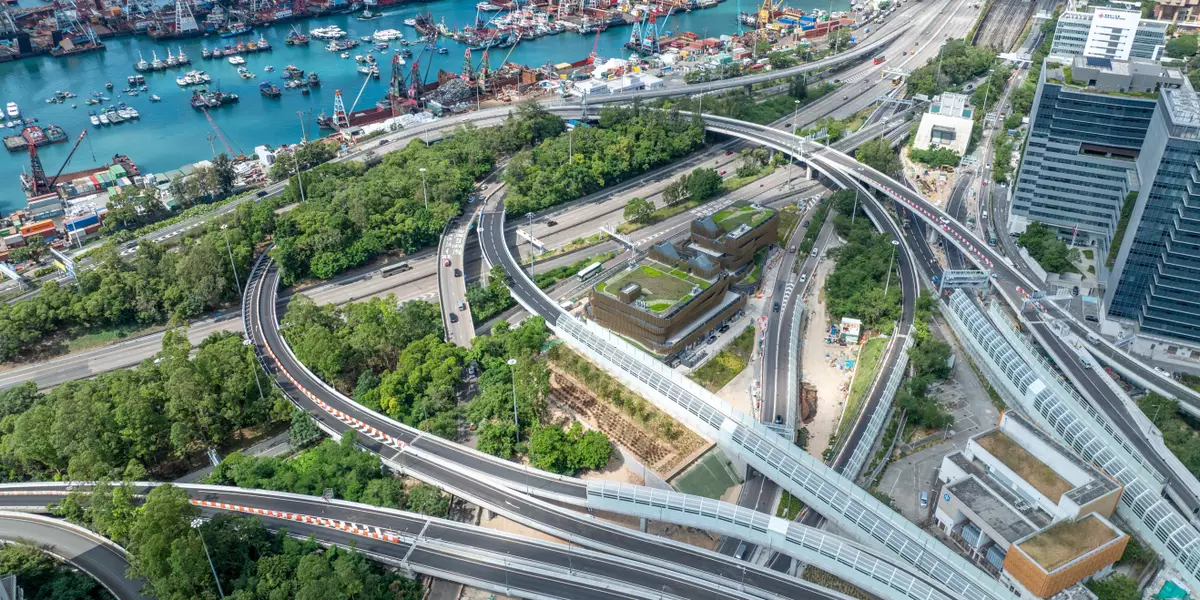
The intersection of Yau Ma Tei of the Central Kowloon Bypass (Yau Ma Tei Section)