NASHVILLE, Tenn. (AP) — A massive winter storm made for a brutal travel day Sunday, with widespread cancellations and delays at some of the nation's busiest airports.
Widespread snow, sleet and freezing rain threatened nearly 180 million people — more than half the U.S. population — in a path stretching from the southern Rocky Mountains to New England, the National Weather Service said Saturday night. After sweeping through the South, the storm moved into the Northeast Sunday, and was expected to dump about 1 to 2 feet (30 to 60 centimeters) of snow from Washington through New York and Boston.
Click to Gallery
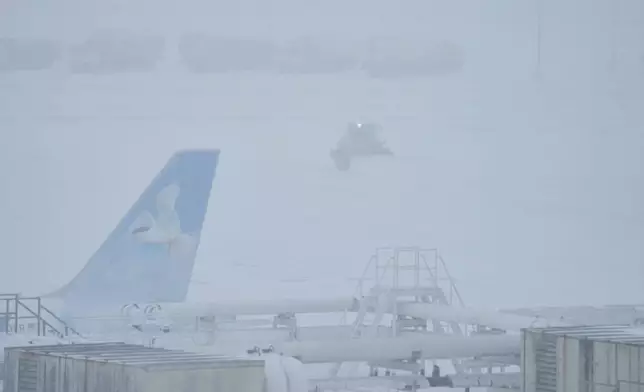
Airport crew plow snow during a winter storm in Philadelphia, Sunday, Jan. 25, 2026. (AP Photo/Matt Rourke)
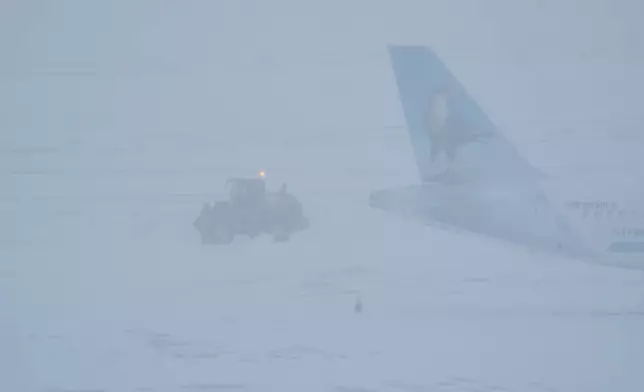
Airport crew plow snow during a winter storm in Philadelphia, Sunday, Jan. 25, 2026. (AP Photo/Matt Rourke)
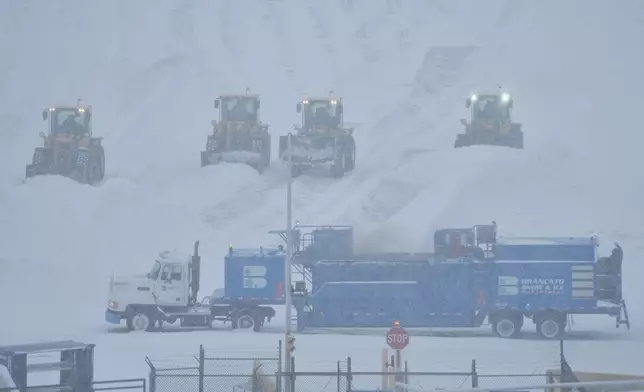
Airport crew plow snow during a winter storm in Philadelphia, Sunday, Jan. 25, 2026. (AP Photo/Matt Rourke)
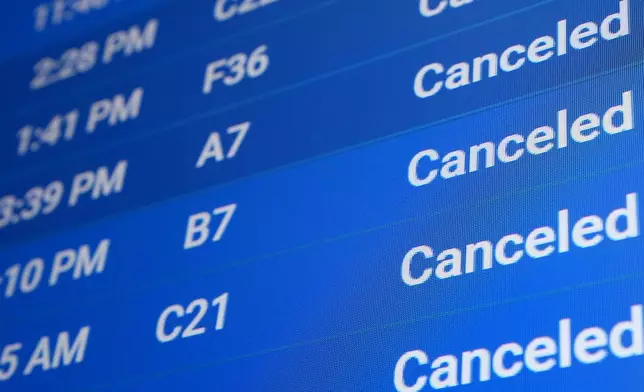
A flight status screen shows canceled flights at Philadelphia International Airport during a winter storm in Philadelphia, Sunday, Jan. 25, 2026. (AP Photo/Matt Rourke)
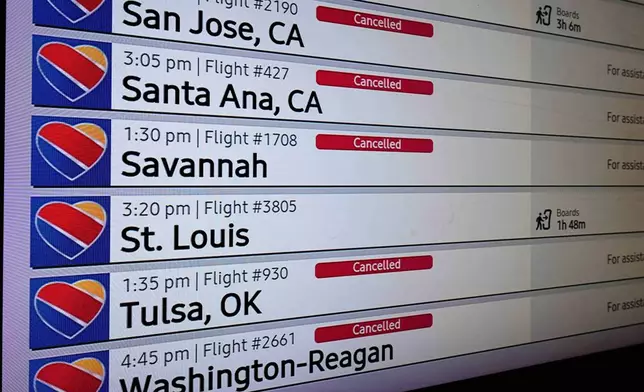
An arrivals and departures board reflects several flight cancellations in and out of Love Field Airport, Saturday, Jan. 24, 2026, in Dallas. (AP Photo/Tony Gutierrez)
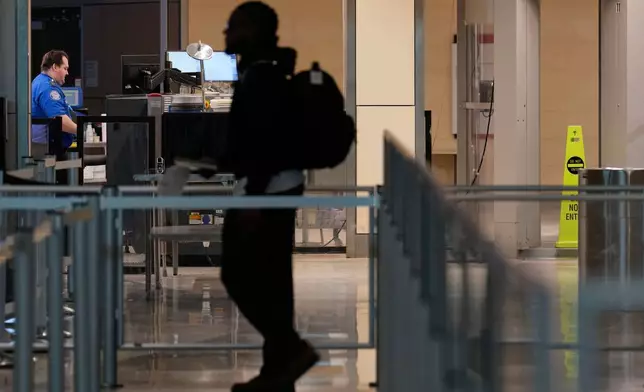
A lone traveler approaches a TSA checkpoint at Love Field Airport Saturday, Jan. 24, 2026, in Dallas. (AP Photo/Tony Gutierrez)
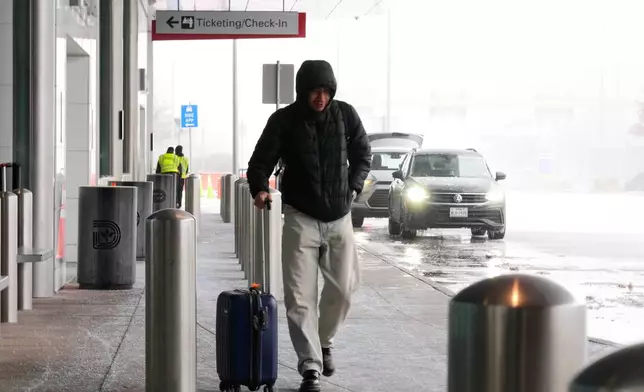
A man arrives at Love Field Airport for a scheduled flight to San Mateo, California that had not yet been cancelled Saturday, Jan. 24, 2026, in Dallas. (AP Photo/Tony Gutierrez)
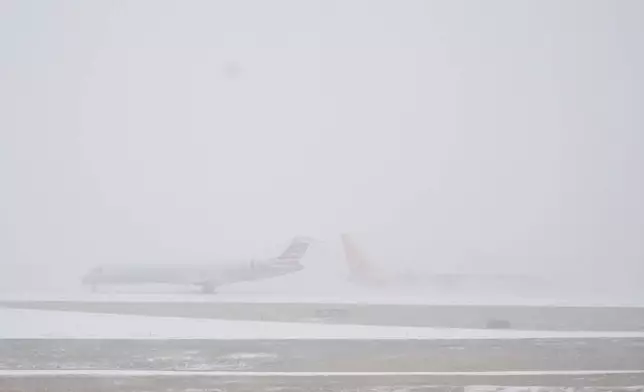
Planes move on the tarmac at the Nashville International Airport during a winter storm Saturday, Jan. 24, 2026, in Nashville, Tenn. (AP Photo/George Walker IV)
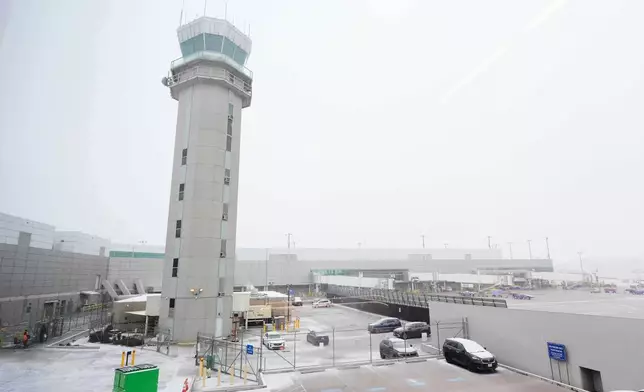
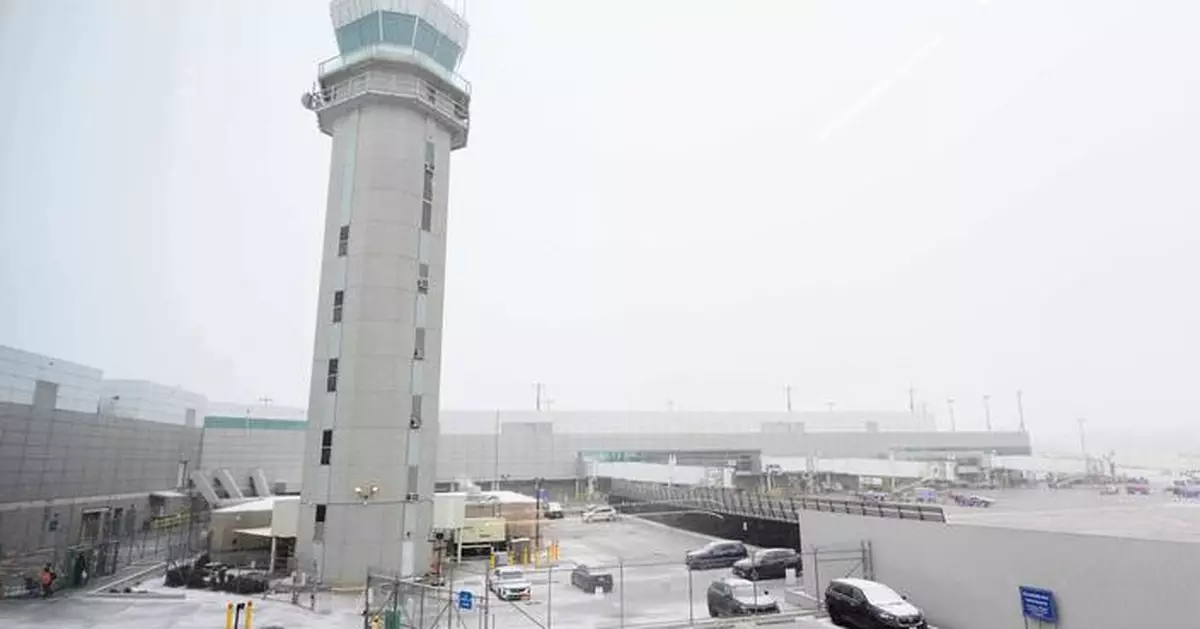
The control tower at Love Field Airport is shown where weather conditions have had an impact on travel in and out of the normally busy airport Saturday, Jan. 24, 2026, in Dallas. (AP Photo/Tony Gutierrez)
More than 11,400 flights were canceled on Sunday, according to flight-tracking site FlightAware. Aviation analytics firm Cirium said that as of Sunday morning, the storm is the highest experienced cancellation event since the pandemic.
By Sunday afternoon, the majority of flights were canceled at busy airports in the Northeast and elsewhere. LaGuardia Airport in New York closed Sunday afternoon, according to the Federal Aviation Administration. The agency said on its website the busy Queens airport grounded flights until 8 p.m.
In Philadelphia, 94% of flights, 326 flights, were canceled. Ninety-one percent of flights, 436 flights, were canceled at LaGuardia Airport in New York. New York’s John F. Kennedy International Airport had 466 flights canceled, about 80% of flights, according to FlightAware.
Ronald Reagan Washington National Airport said on its website that all airlines had canceled departing flights for the day, about 421 flights.
Significant disruptions also hit major airport hubs in Dallas-Fort Worth, Charlotte, Philadelphia and Atlanta, home to the nation’s busiest airport.
Allan Lengel of Detroit planned to return Monday from Fort Lauderdale, Florida, where the temperature has been in the 80s. But he’s staying until Wednesday after Delta suggested he change his reservation because of the weather impact on flights.
“Can’t say I’m disappointed. Frankly, I had been thinking of returning later because of frigid weather,” Lengel, 71, said, referring to conditions in Michigan.
American Airlines had canceled over 1,790 flights for Sunday, about 55% of its scheduled flights for Sunday, according to FlightAware. Delta Air Lines reported over 1,470 cancellations and Southwest Airlines reported over 1,340 cancellations for the day, while United Airlines had about 1,016. JetBlue had more than 590 canceled flights, accounting for roughly 72% of its schedule for the day.
Vikrant Vaze, a Dartmouth professor specializing in commercial aviation logistics, said recovery from the storm cancellations and delays will take days if not longer. And even for travelers who aren't in areas that were directly affected by weather, cascading delays could still affect their travel plans.
“Because there are so many different airlines involved, I think it’s going to come down heavily to the individual airline's network structure, the extent of hit that each of them has had, and just the intrinsic capacity of the airlines to handle these massive disruptions,” he said.
If you’re already at the airport, get in line to speak to a customer service representative. If you’re still at home or at your hotel, call or go online to connect to your airline’s reservations staff. Either way, it helps to also research alternate flights while you wait to talk to an agent.
Most airlines will rebook you on a later flight for no additional charge, but it depends on the availability of open seats.
You can, but airlines aren’t required to put you on another carrier’s flight. Some airlines, including most of the biggest carriers, say they can put you on a partner airline, but even then, it can be a hit or miss.
If your flight was canceled and you no longer want to take the trip, or you’ve found another way to get to your destination, the airline is legally required to refund your money — even if you bought a non-refundable ticket. It doesn’t matter why the flight was canceled.
The airline might offer you a travel credit, but you are entitled to a full refund. You are also entitled to a refund of any bag fees, seat upgrades or other extras that you didn’t get to use.
Yamat reported from Las Vegas. AP writer Ed White in Detroit contributed to this report.
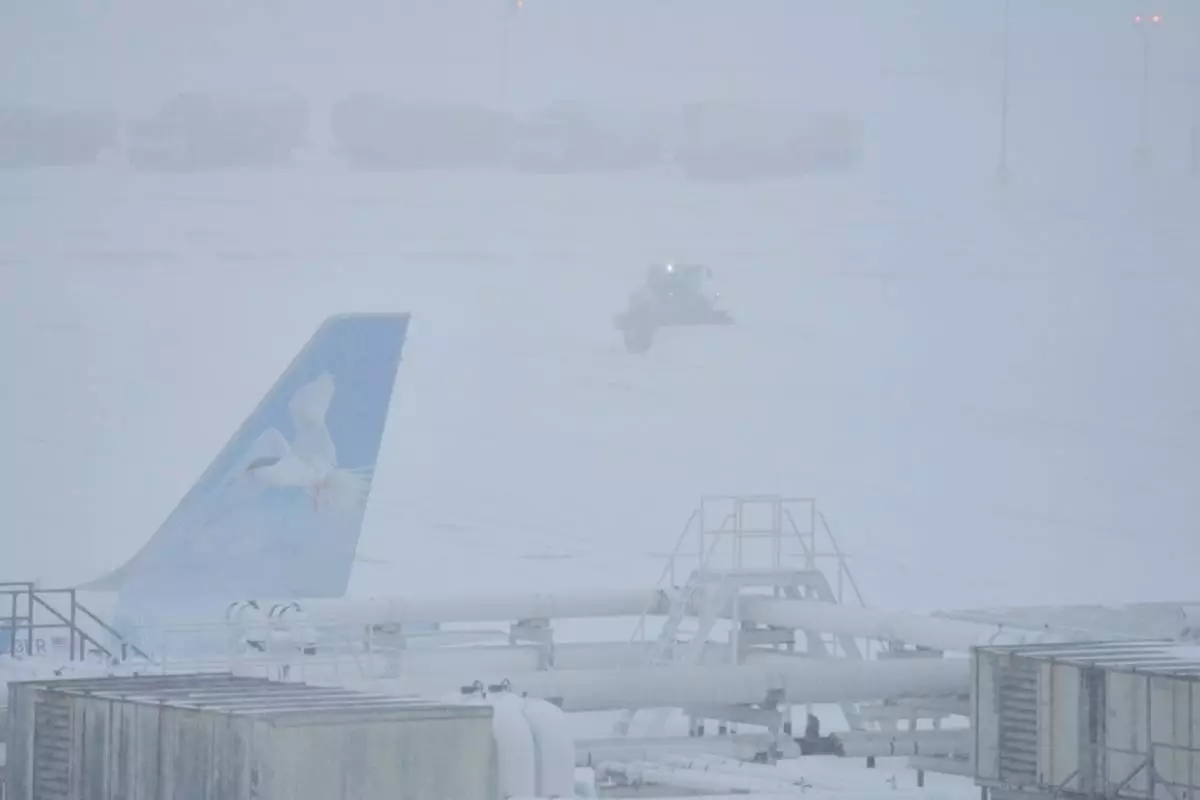
Airport crew plow snow during a winter storm in Philadelphia, Sunday, Jan. 25, 2026. (AP Photo/Matt Rourke)
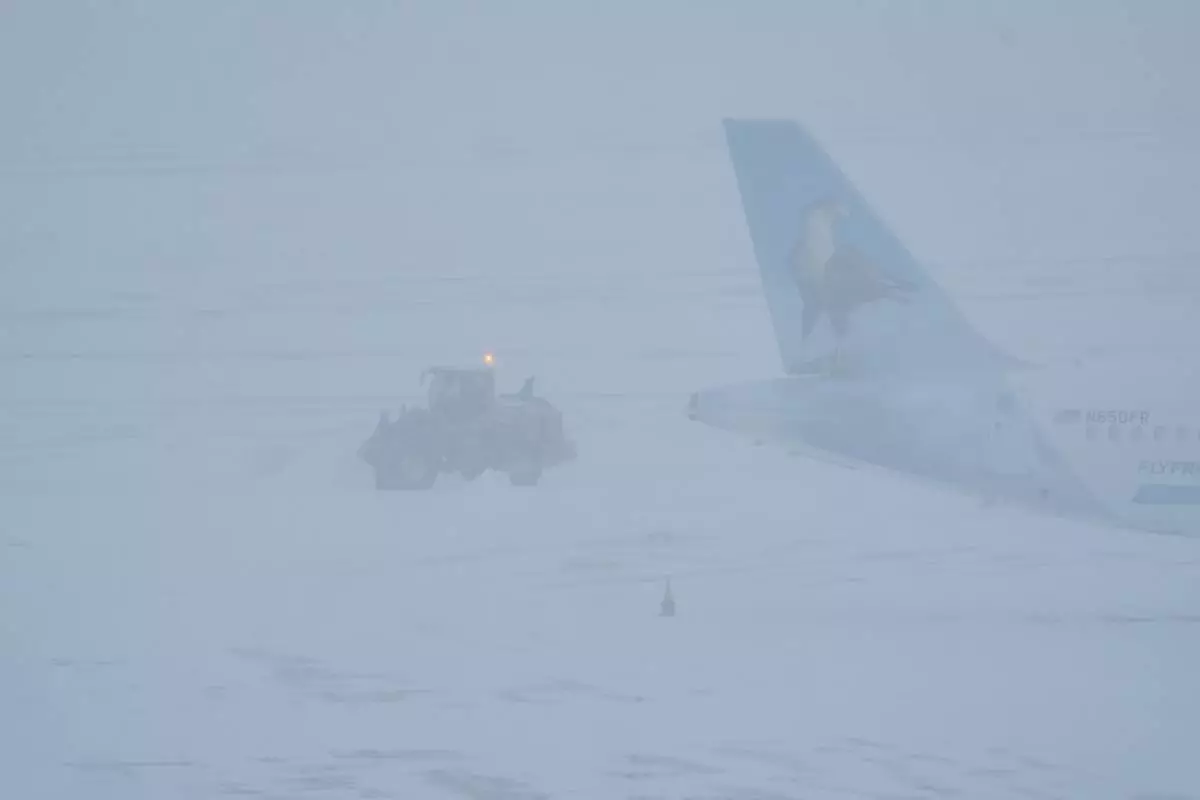
Airport crew plow snow during a winter storm in Philadelphia, Sunday, Jan. 25, 2026. (AP Photo/Matt Rourke)
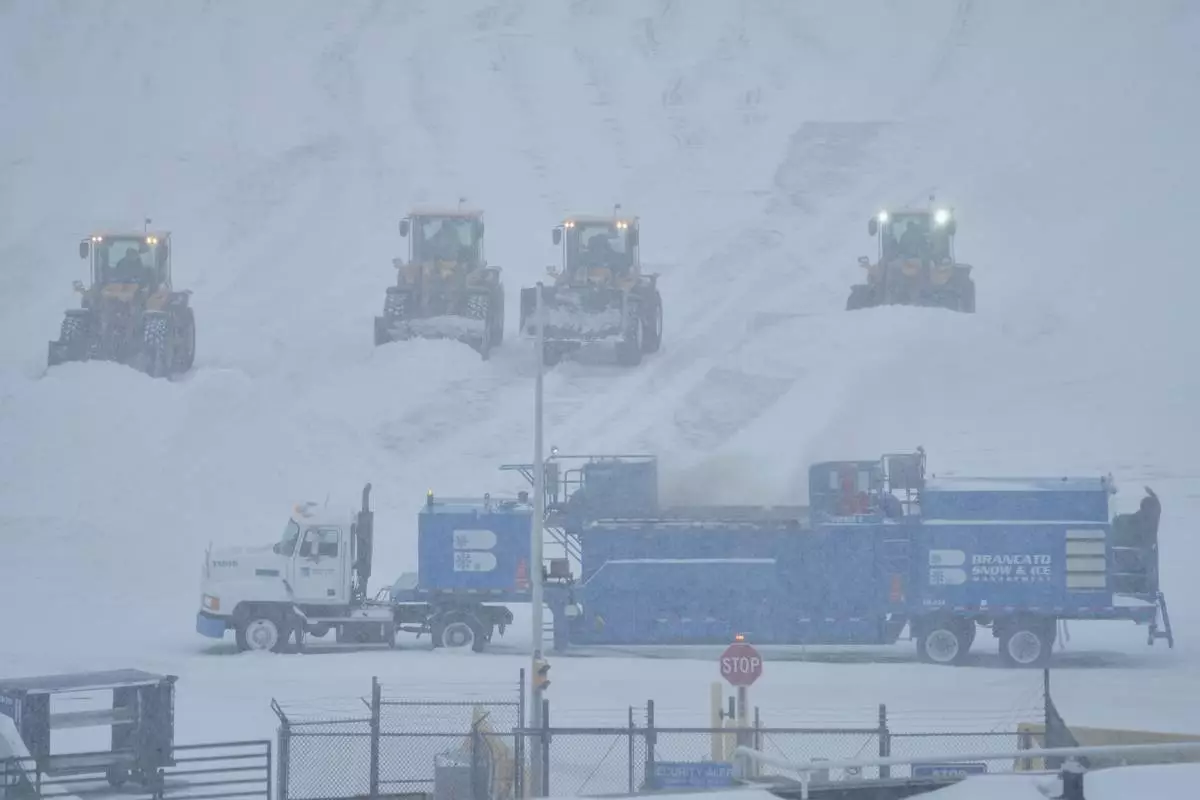
Airport crew plow snow during a winter storm in Philadelphia, Sunday, Jan. 25, 2026. (AP Photo/Matt Rourke)
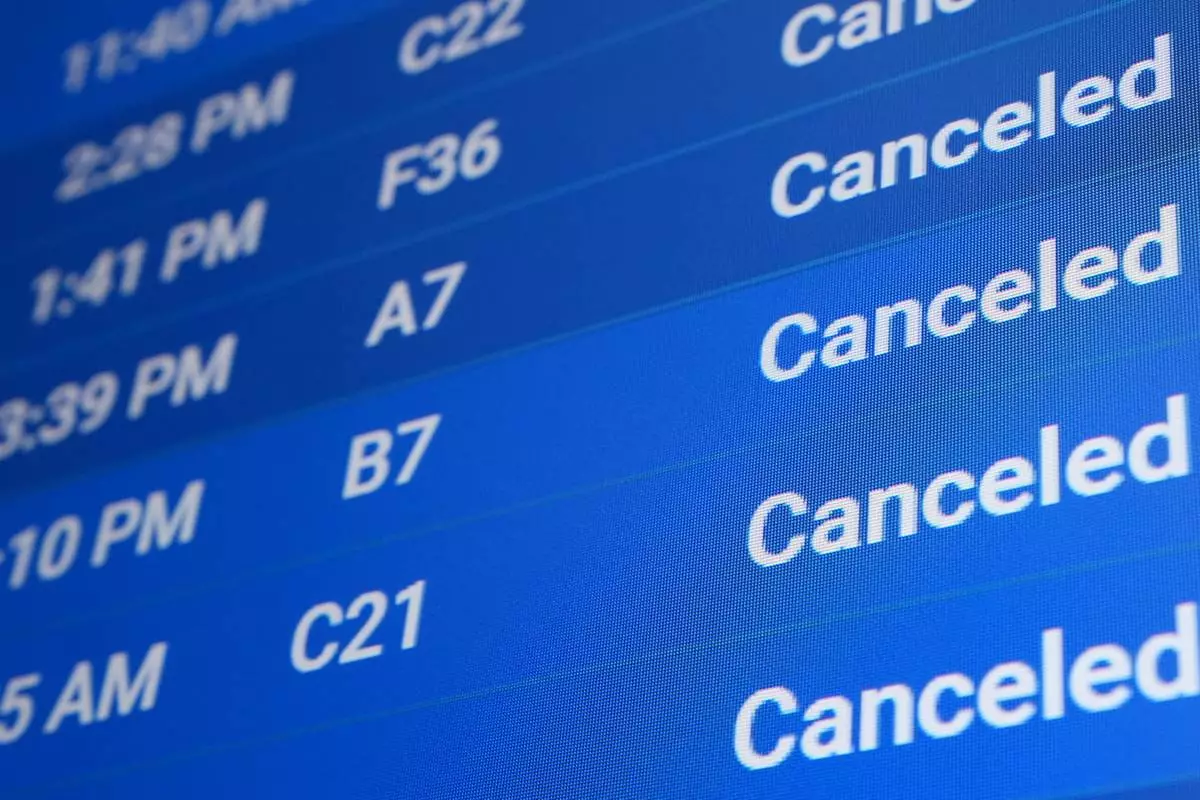
A flight status screen shows canceled flights at Philadelphia International Airport during a winter storm in Philadelphia, Sunday, Jan. 25, 2026. (AP Photo/Matt Rourke)
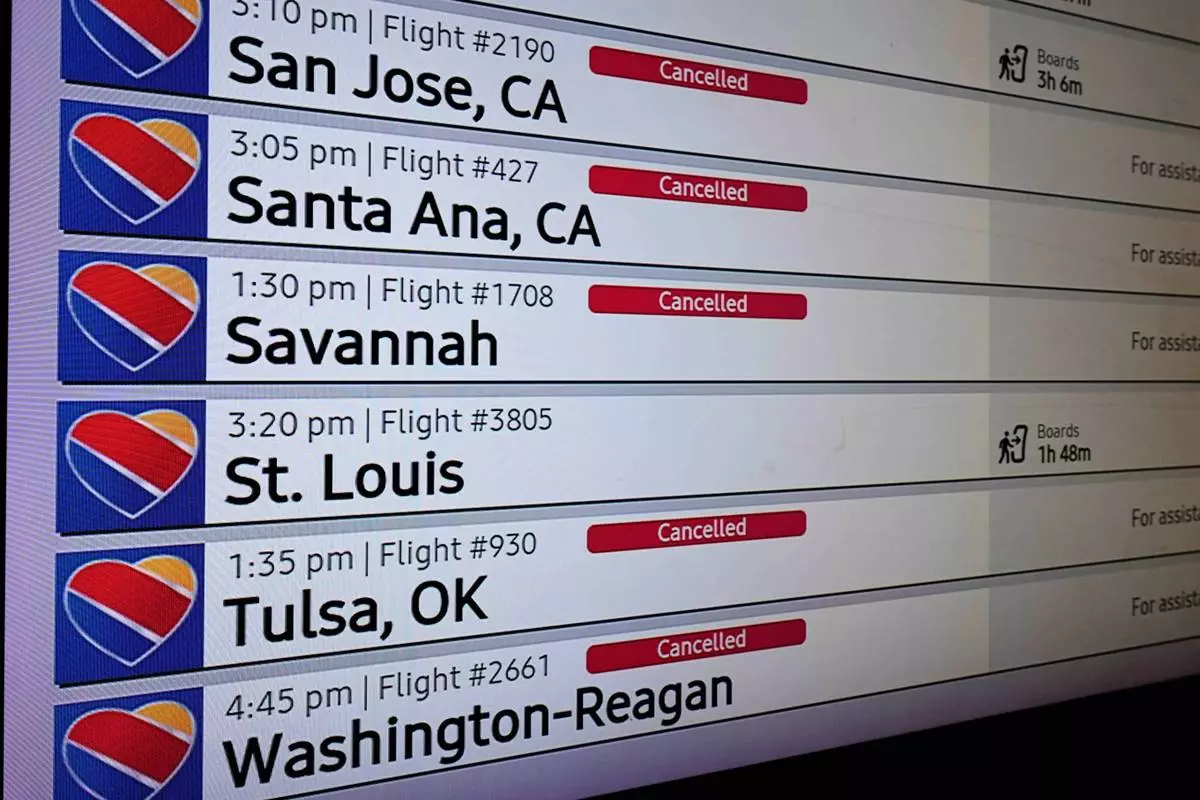
An arrivals and departures board reflects several flight cancellations in and out of Love Field Airport, Saturday, Jan. 24, 2026, in Dallas. (AP Photo/Tony Gutierrez)
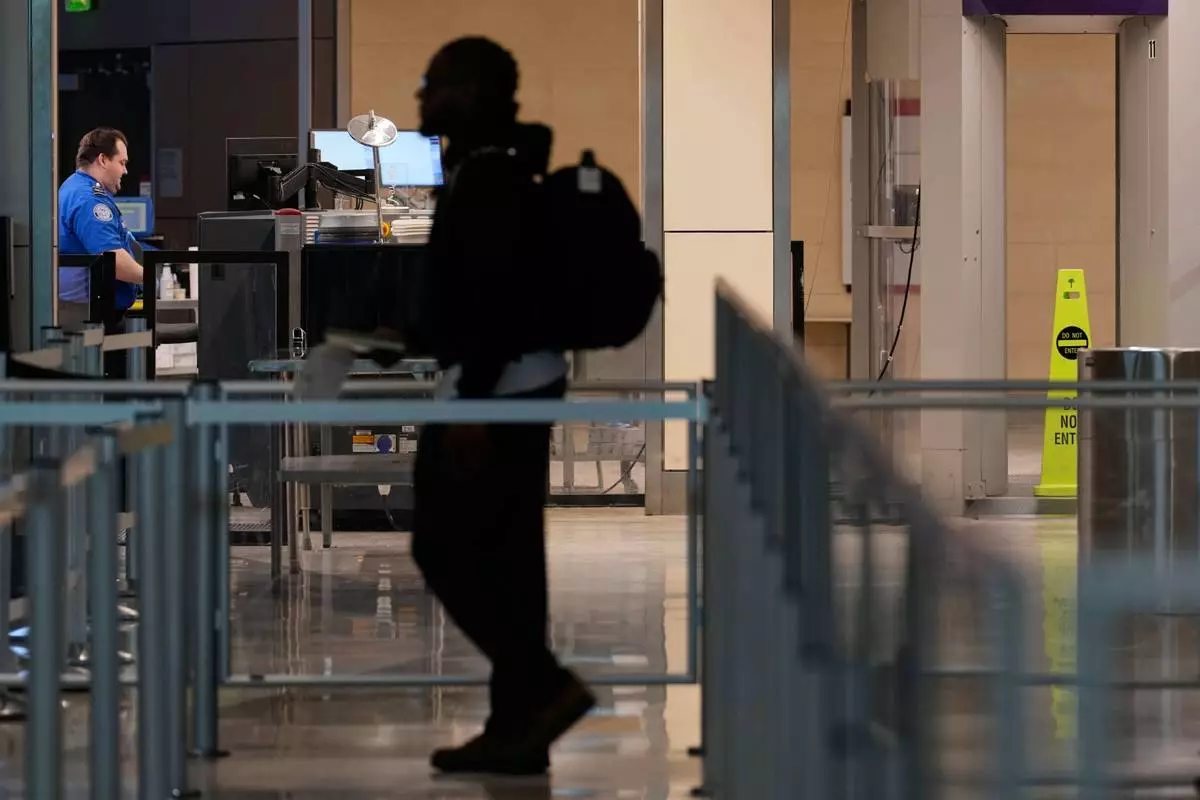
A lone traveler approaches a TSA checkpoint at Love Field Airport Saturday, Jan. 24, 2026, in Dallas. (AP Photo/Tony Gutierrez)
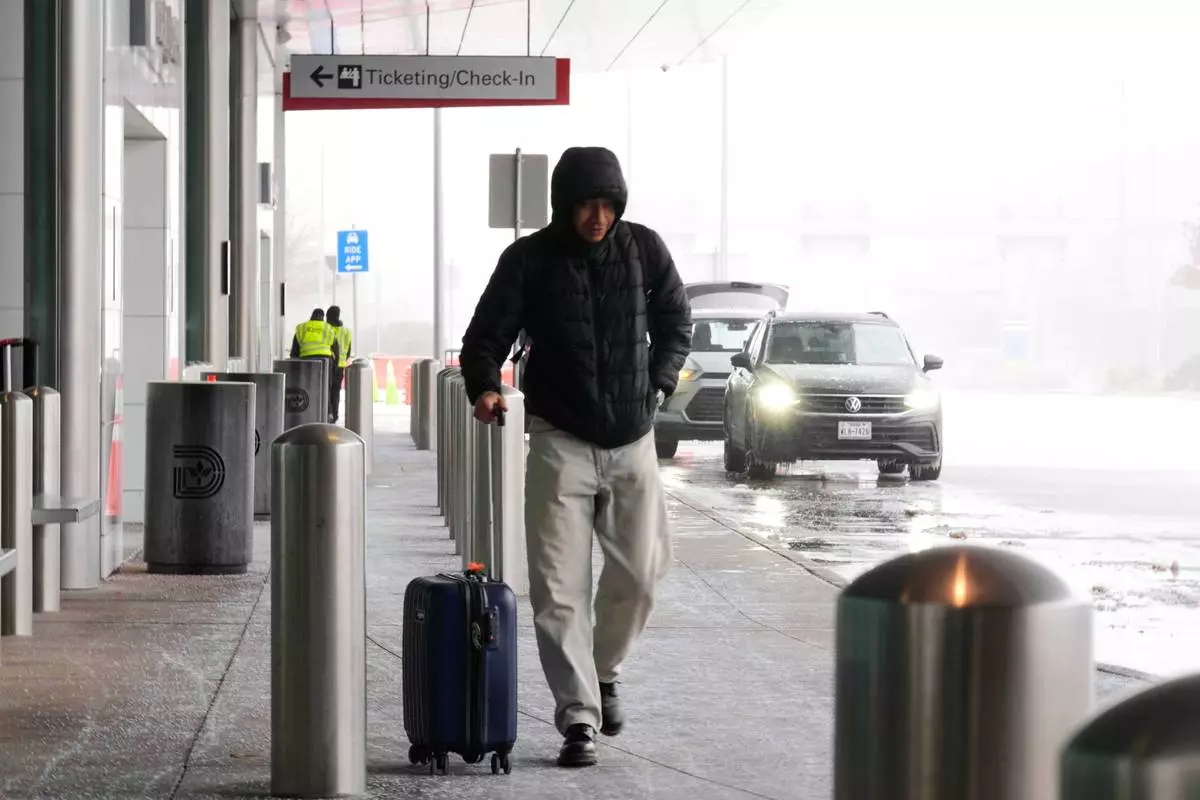
A man arrives at Love Field Airport for a scheduled flight to San Mateo, California that had not yet been cancelled Saturday, Jan. 24, 2026, in Dallas. (AP Photo/Tony Gutierrez)
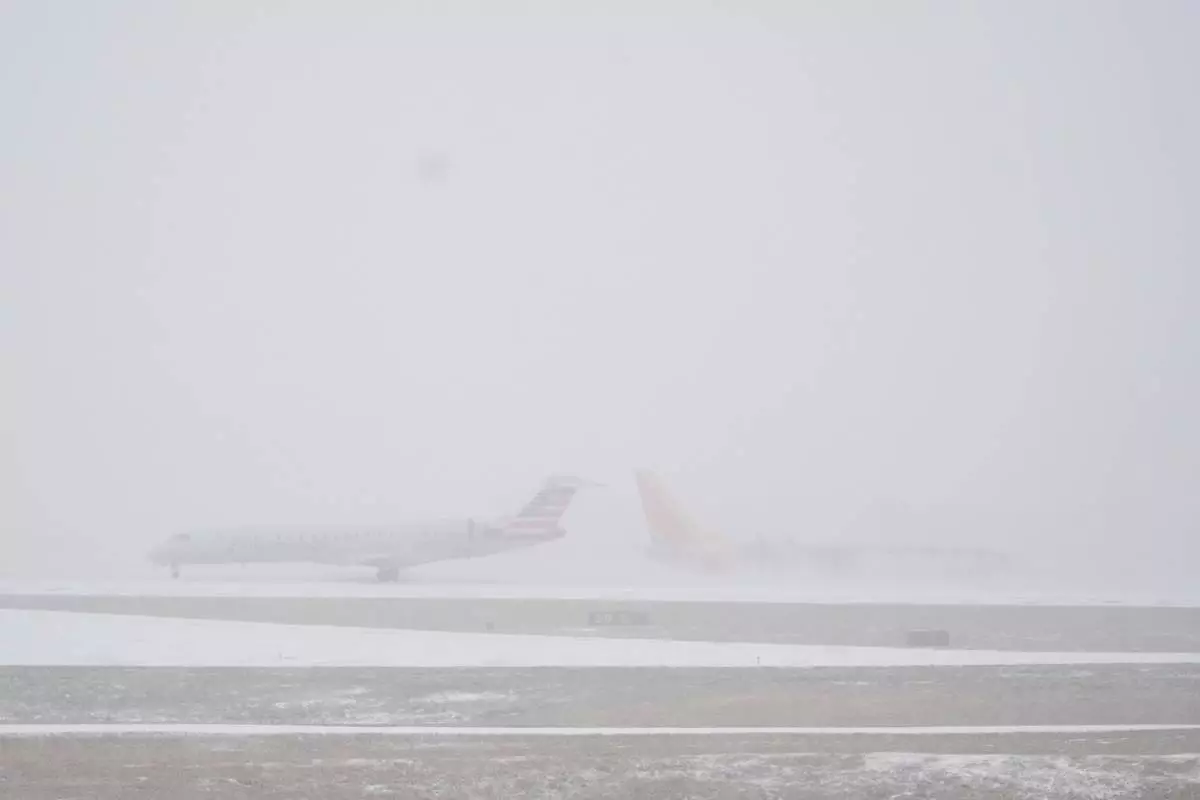
Planes move on the tarmac at the Nashville International Airport during a winter storm Saturday, Jan. 24, 2026, in Nashville, Tenn. (AP Photo/George Walker IV)
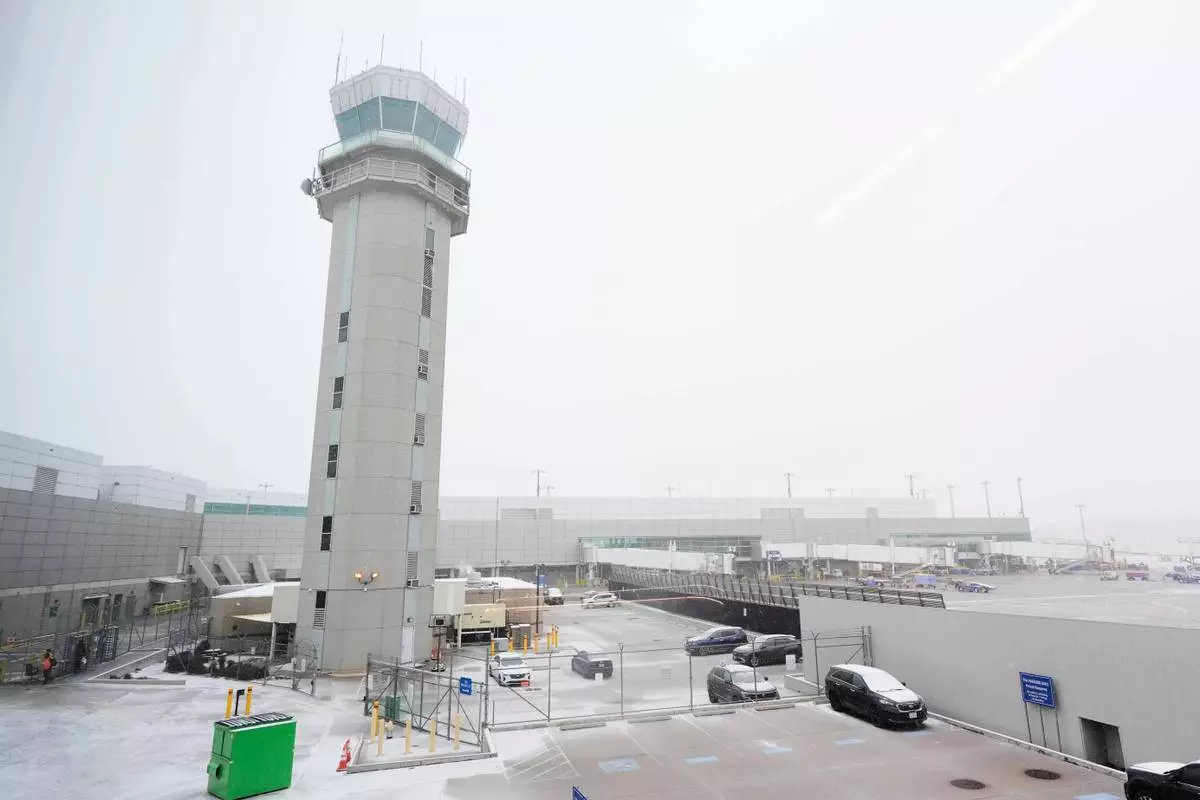
The control tower at Love Field Airport is shown where weather conditions have had an impact on travel in and out of the normally busy airport Saturday, Jan. 24, 2026, in Dallas. (AP Photo/Tony Gutierrez)