Skip to Content Facebook Feature Image

Baghdad says it will prosecute Islamic State militants being moved from Syria to Iraq

News

Baghdad says it will prosecute Islamic State militants being moved from Syria to Iraq
News

News

Baghdad says it will prosecute Islamic State militants being moved from Syria to Iraq

2026-01-25 19:53 Last Updated At:20:01

BAGHDAD (AP) — Baghdad will prosecute and try militants from the Islamic State group who are being transferred from prisons and detention camps in neighboring Syria to Iraq under a U.S.-brokered deal, Iraq said Sunday.

The announcement from Iraq’s highest judicial body came after a meeting of top security and political officials who discussed the ongoing transfer of some 9,000 IS detainees who have been held in Syria since the militant group's collapse there in 2019.

The need to move them came after Syria's nascent government forces last month routed Syrian Kurdish-led fighters — once top U.S. allies in the fight against IS — from areas of northeastern Syria they had controlled for years and where they had been guarding camps holding IS prisoners.

Syrian troops seized the sprawling al-Hol camp — housing thousands, mostly families of IS militants — from the Kurdish-led force, which withdrew as part of a ceasefire. Troops last Monday also took control of a prison in the northeastern town of Shaddadeh, from where some IS detainees had escaped during the fighting. Syrian state media later reported that many were recaptured.

Now, the clashes between the Syrian military and the Kurdish-led Syrian Democratic Forces, or SDF, sparked fears of IS activating its sleeper cells in those areas and of IS detainees escaping. The Syrian government under its initial agreement with the Kurds said it would take responsibility of the IS prisoners.

Baghdad has been particularly worried that escaped IS detainees would regroup and threaten Iraq’s security and its side of the vast Syria-Iraq border.

Once in Iraq, IS prisoners accused of terrorism will be investigated by security forces and tried in domestic courts, Iraq's Supreme Judicial Council said.

The U.S. military started the transfer process on Friday with the first IS prisoners moved from Syria to Iraq. On Sunday, another 125 IS prisoners were transferred, according to two Iraqi security officials who spoke to The Associated Press on condition of anonymity in line with regulations.

So far, 275 prisoners have made it to Iraq, a process that officials say has been slow as the U.S. military has been transporting them by air.

Both Damascus and Washington have welcomed Baghdad's offer to have the prisoners transferred to Iraq.

Iraq’s parliament will meet later on Sunday to discuss the ongoing developments in Syria, where its government forces are pushing to boost their presence along the border.

The fighting between the Syrian government and the SDF has mostly halted with a ceasefire that was recently extended. According to Syria's Defense Ministry, the truce was extended to support the ongoing transfer operation by U.S. forces.

The Islamic State group was defeated in Iraq in 2017, and in Syria two years later, but IS sleeper cells still carry out deadly attacks in both countries. As a key U.S. ally in the region, the SDF played a major role in defeating IS.

During the battles against IS, thousands of extremists and tens of thousands of women and children linked to them were taken and held in prisons and at the al-Hol camp. The sprawling al-Hol camp hosts thousands of women and children.

Last year, U.S. troops and their partner SDF fighters detained more than 300 IS militants in Syria and killed over 20. An ambush in December by IS militants killed two U.S. soldiers and one American civilian interpreter in Syria.

Chehayeb reported from Beirut.
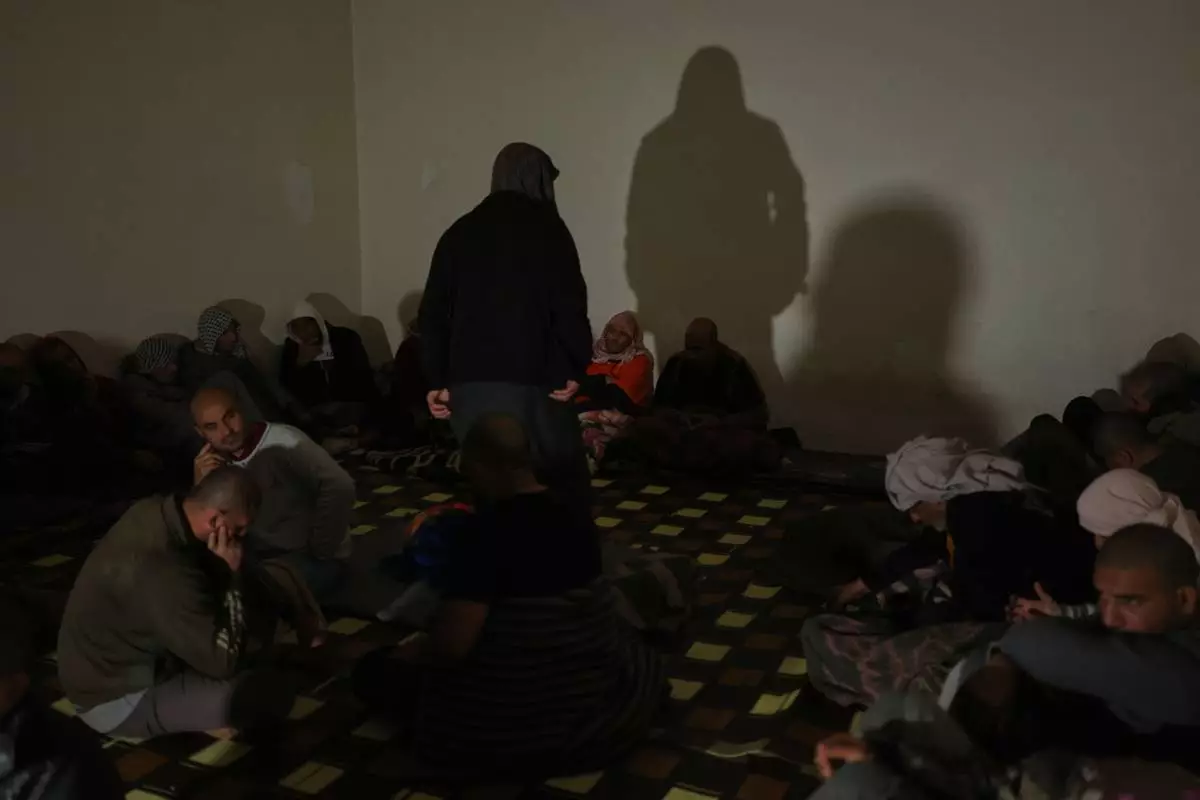
Men sit inside a holding room at a prison in the town of Shaddadeh, northeastern Syria, Tuesday, Jan. 20, 2026, after Syrian authorities said they were among Islamic State group members who escaped from the facility a day earlier and were later detained by Syrian government forces. (AP Photo/Ghaith Alsayed)
Men sit inside a holding room at a prison in the town of Shaddadeh, northeastern Syria, Tuesday, Jan. 20, 2026, after Syrian authorities said they were among Islamic State group members who escaped from the facility a day earlier and were later detained by Syrian government forces. (AP Photo/Ghaith Alsayed)

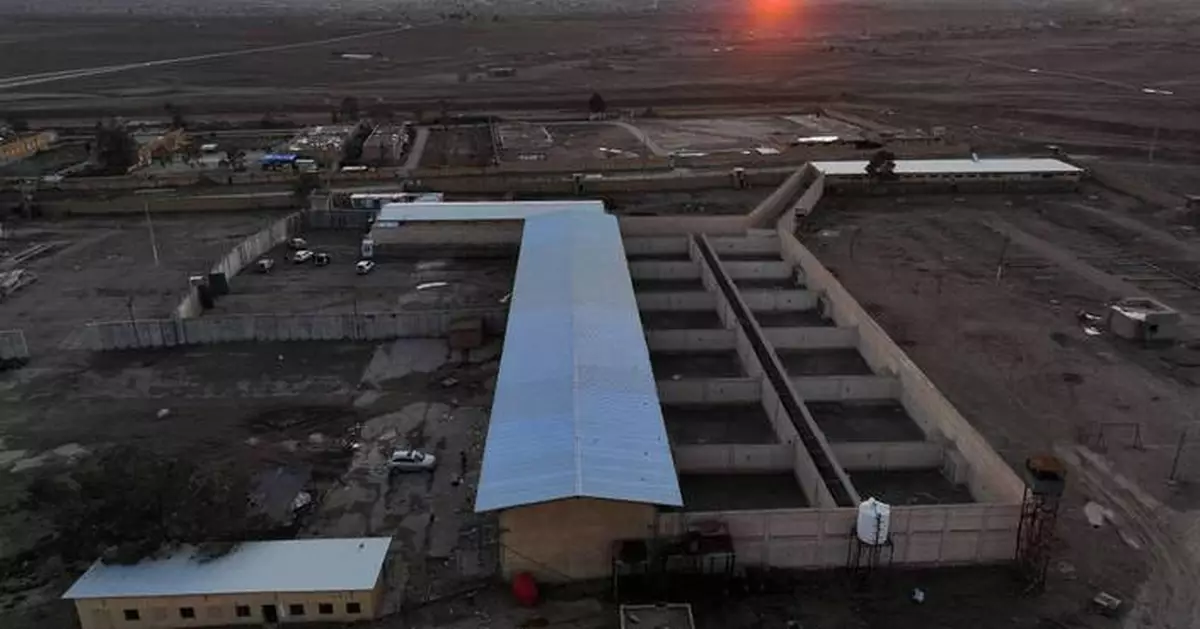
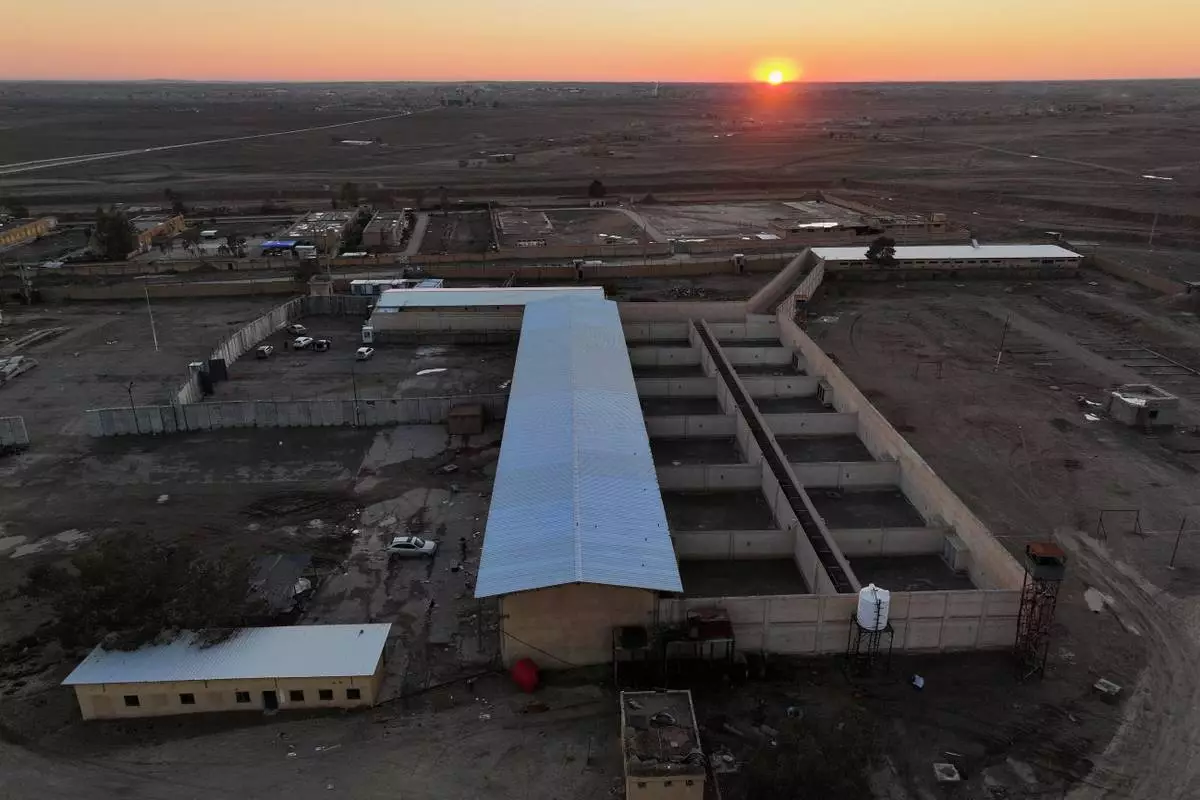
An aerial view shows Shaddadeh prison complex in the town of Shaddadeh, northeastern Syria, Tuesday, Jan. 20, 2026, a day after Syria's Interior Ministry said Islamic State group members escaped from the facility during clashes with the Kurdish-led Syrian Democratic Forces. (AP Photo/Ghaith Alsayed)
An aerial view shows Shaddadeh prison complex in the town of Shaddadeh, northeastern Syria, Tuesday, Jan. 20, 2026, a day after Syria's Interior Ministry said Islamic State group members escaped from the facility during clashes with the Kurdish-led Syrian Democratic Forces. (AP Photo/Ghaith Alsayed)
SEOUL, South Korea (AP) — South Korean lawmakers on Thursday passed a law to implement a pledge of $350 billion in U.S. investments Seoul made last year to avoid the Trump administration’s highest tariffs.

Government officials had urged lawmakers to quickly pass the contested bill, submitted in November, as uncertainty mounts for the country’s trade-dependent economy, already rattled by President Donald Trump’s protectionist swing and now fearing the fallout from his war on Iran.

The bill’s passage came hours after the Trump administration increased pressure on trade partners by opening a new investigation into manufacturing in foreign countries, including China and U.S. allies South Korea and Japan, which could result in new import taxes if U.S. officials see their practices as unfair.

Trump and his team have made clear they’re seeking to use new tariffs to recoup lost revenue after the U.S. Supreme Court invalidated his sweeping tariffs issued with emergency powers.

China expressed opposition to the move and called for negotiations to resolve any differences. “China opposes any form of unilateral tariff measures,” Foreign Ministry spokesperson Guo Jiakun said in Beijing. “Tariff wars and trade wars serve no one’s interests.”

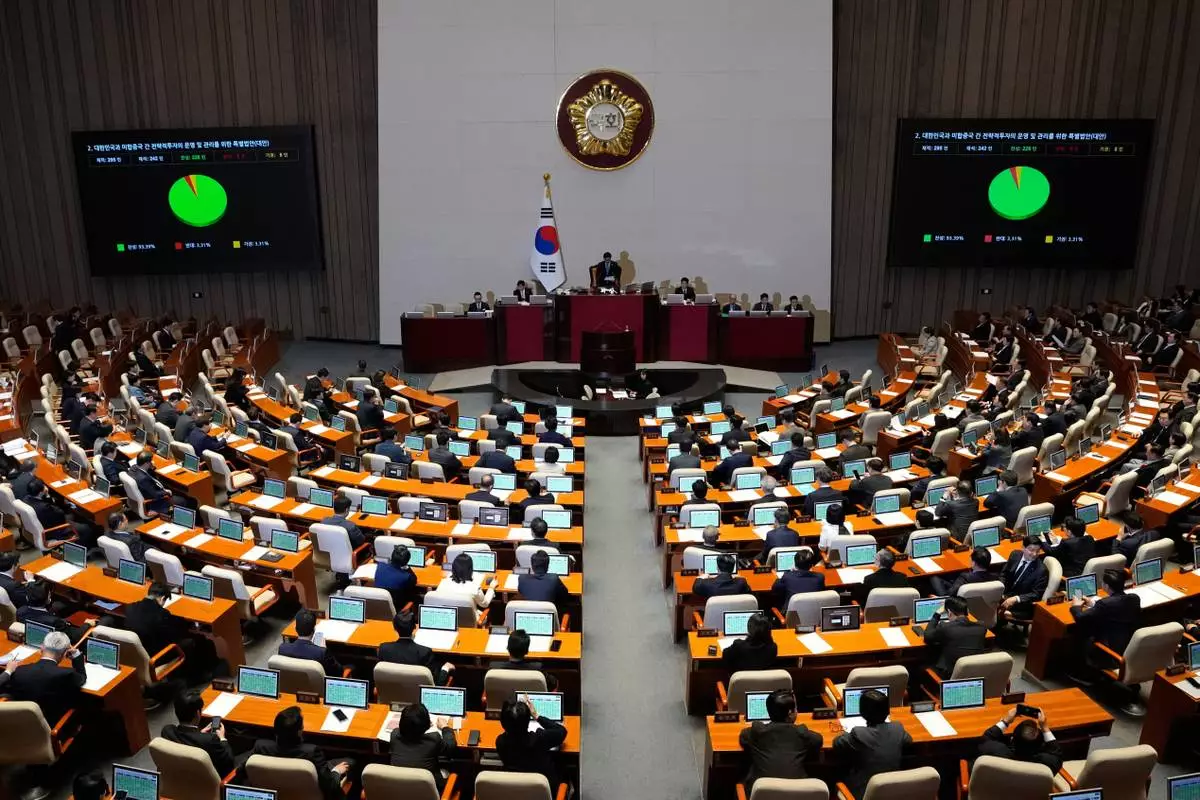
The South Korean law, which passed 226 to 8, calls for establishing a public corporation to manage the promised U.S. investments, including reviewing and selecting projects based on input from South Korean and U.S. trade authorities.

Some lawmakers spoke against the bill ahead of the vote, expressing frustration over Trump’s new trade investigations and the potential impact of the war in the Middle East, which has exposed the vulnerability of South Korea’s export-dependent economy and reliance on imported fuel.

“We cannot be the money machine Trump wants us to be,” said Son Sol, a member of the minor opposition Progressive Party. She said the bill does not give the legislature sufficient power to review and reject investments that could go against South Korean business or public interests.

Following months of tense negotiations, South Korea finalized an agreement with the United States in November to invest $200 billion in U.S. semiconductor and other high-tech industries and another $150 billion in shipbuilding in exchange for Washington lowering reciprocal tariffs on Seoul from 25% to 15%.

The agreement, which followed a breakthrough at an October summit between Trump and South Korean President Lee Jae Myung, also caps South Korean investments at $20 billion a year to protect the country’s foreign currency reserves.

Lee’s liberal Democratic Party introduced the legislation in November but faced resistance from opposition lawmakers worried about the economic impact. The legislative holdup frustrated Trump, who in January threatened to raise tariffs on South Korean autos, pharmaceuticals and other goods back to 25%, increasing pressure on the opposition to move the bill forward.

Associated Press writer Ken Moritsugu in Beijing contributed.

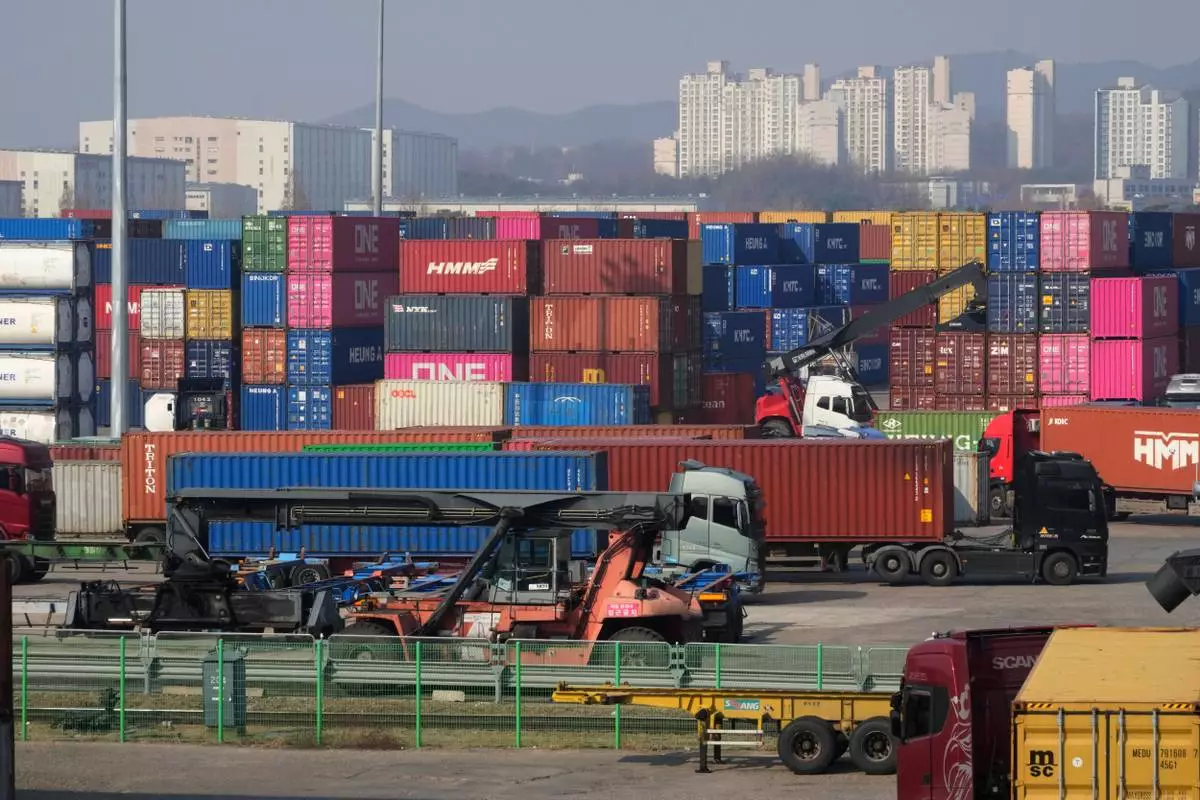
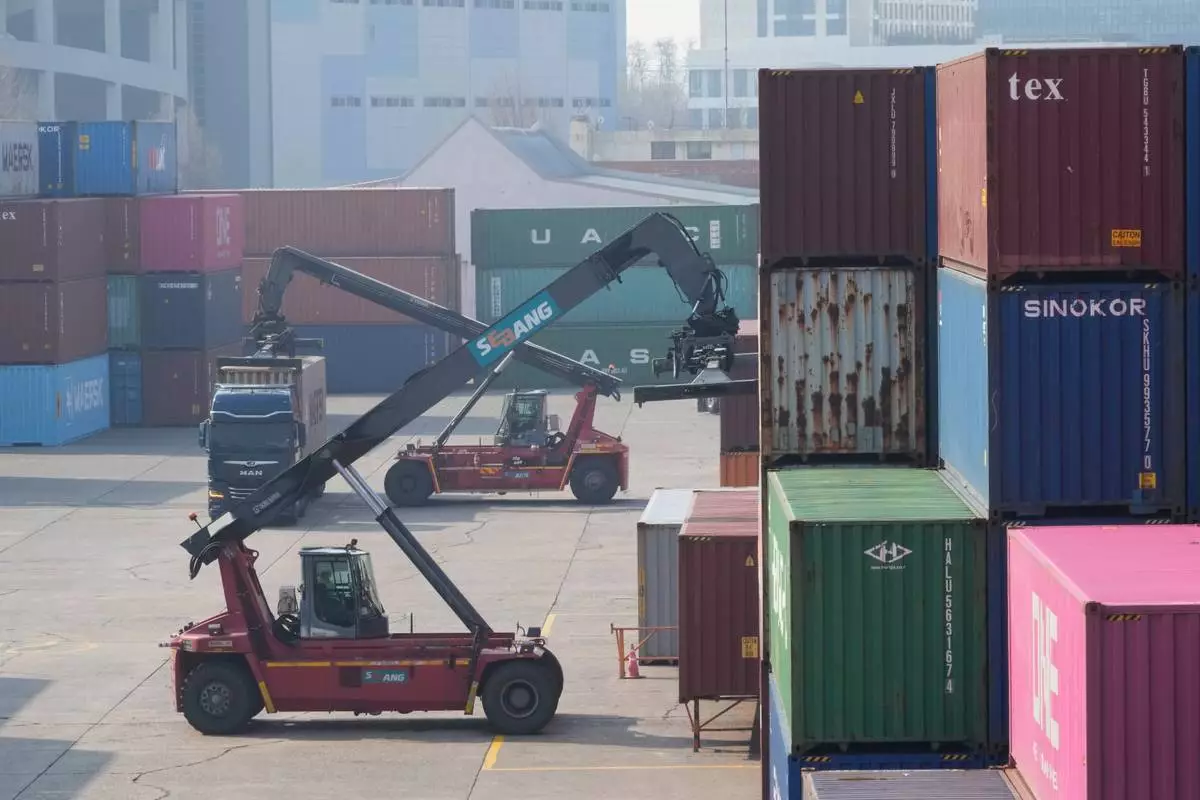
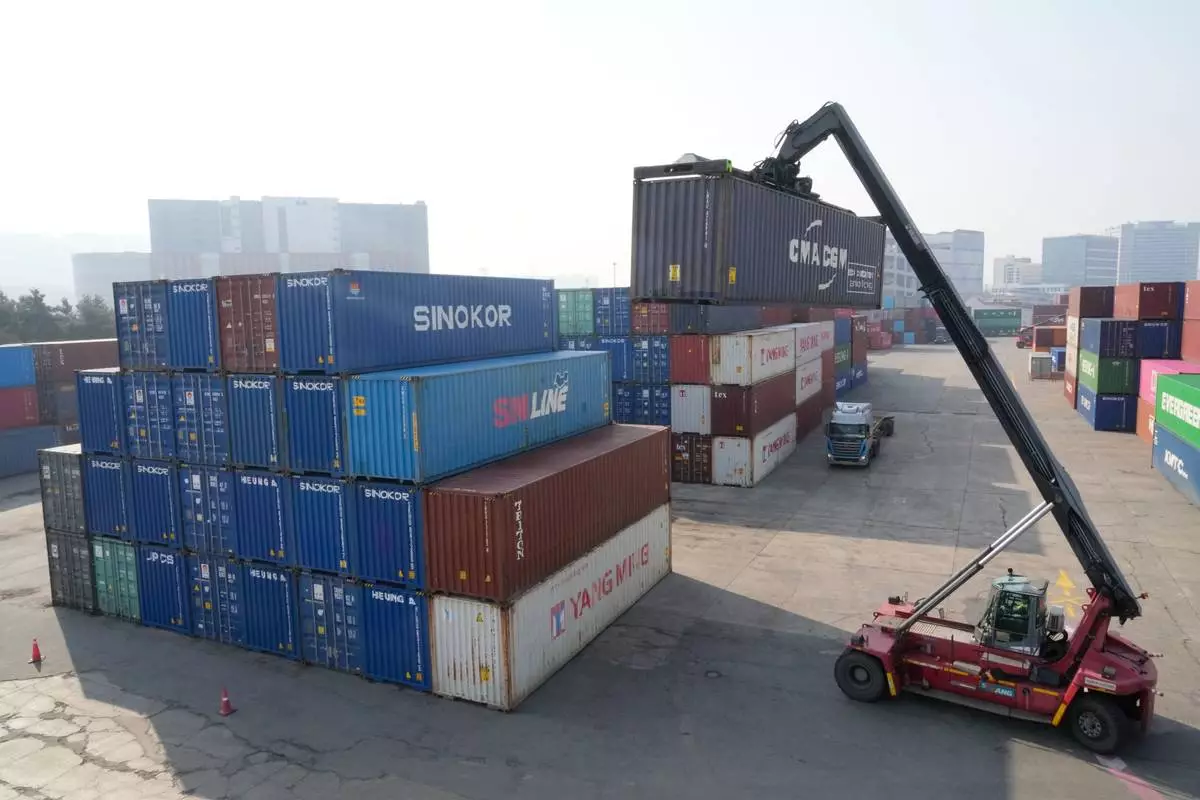
A crane unloads a container from a truck at the Uiwang ICD Terminal in Uiwang, South Korea, Thursday, March 12, 2026. (AP Photo/Ahn Young-joon)

A crane unloads a container from a truck at the Uiwang ICD Terminal in Uiwang, South Korea, Thursday, March 12, 2026. (AP Photo/Ahn Young-joon)

A crane unloads a container at the Uiwang ICD Terminal in Uiwang, South Korea, Thursday, March 12, 2026. (AP Photo/Ahn Young-joon)

A crane unloads a container at the Uiwang ICD Terminal in Uiwang, South Korea, Thursday, March 12, 2026. (AP Photo/Ahn Young-joon)

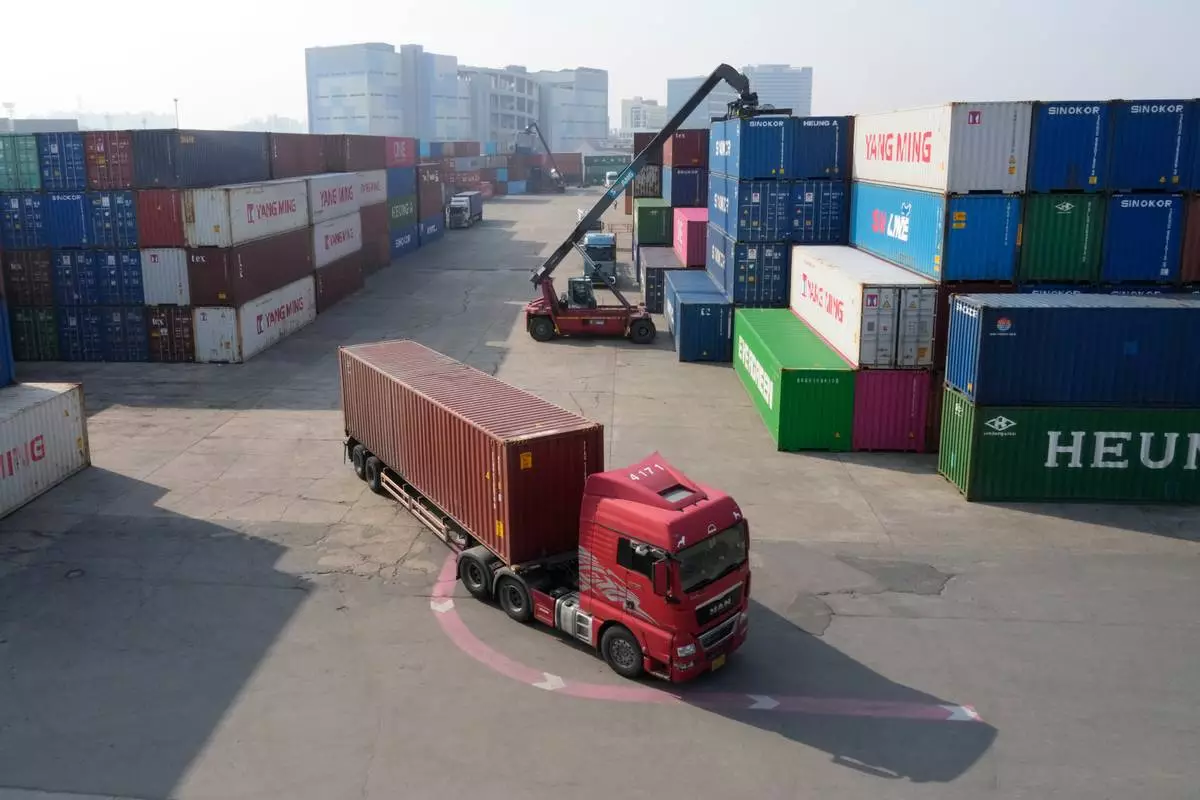
A truck runs by containers at the Uiwang ICD Terminal in Uiwang, South Korea, Thursday, March 12, 2026. (AP Photo/Ahn Young-joon)

A truck runs by containers at the Uiwang ICD Terminal in Uiwang, South Korea, Thursday, March 12, 2026. (AP Photo/Ahn Young-joon)

Turcks run by containers at the Uiwang ICD Terminal in Uiwang, South Korea, Thursday, March 12, 2026. (AP Photo/Ahn Young-joon)

Turcks run by containers at the Uiwang ICD Terminal in Uiwang, South Korea, Thursday, March 12, 2026. (AP Photo/Ahn Young-joon)

The National Assembly passes a law to implement hundreds of billions of dollars in U.S. investments at the National Assembly in Seoul, South Korea, Thursday, March 12 2026. (AP Photo/Ahn Young-joon)

The National Assembly passes a law to implement hundreds of billions of dollars in U.S. investments at the National Assembly in Seoul, South Korea, Thursday, March 12 2026. (AP Photo/Ahn Young-joon)

Recommended Articles