Various cities in China are actively fostering new scenarios and business models in the new year, aiming to generate fresh demand, boost consumption and stimulate market vitality.
Guiyang City in southwest China's Guizhou Province has recently introduced its first 6S robot store, which integrates facility showcases, retail sells, after-sales service and training, featuring hundreds of cutting-edge domestic service and educational robots.
The city will heavily invest in data annotation, artificial intelligence and large-scale models this year, with a target of introducing over 100 pioneering robot stores.
Northwest China's Shaanxi Province is integrating intangible cultural heritage into shopping malls and commercial streets, aiming to attract a number of debut stores regionally and nationally.
In the commercial districts of the capital city Xi'an, debut stores featuring new and trendy brands account for over 80 percent of the total. To further encourage this trend, the local government is granting businesses design autonomy and offering incentives such as decoration subsidies to attract more debut stores.
North China's Inner Mongolia Autonomous Region is also ramping up efforts to develop new business formats and enrich new scenarios. Baotou City plans to introduce over 20 debut flagship stores and concept stores this year.
A recently launched gardening lifestyle store, the first of its kind in Inner Mongolia, is drawing in both citizens and tourists with over 1,600 plant varieties.
"Here I can enjoy many southern plants that I've never seen before, so I brought my child here to learn about them. I think it's all very good," said Xiao Le, a local resident.
North China's Hebei Province is integrating fashion, cultural and creative products and immersive experiences with cultural tourism and intangible cultural heritage, successfully drawing in a growing number of young consumers.
"We have gathered intangible cultural heritage inheritors from Shijiazhuang and across Hebei to breathe new life into the traditional crafts, making them more appealing to the young consumers," said Wang Fang, a salesperson at a commercial pedestrian street in capital city Shijiazhuang.
Many debut stores in Shanghai are embracing local characteristics by renovating their premises and upgrading their products, transforming traditional commercial streets into trendy and fashionable landmarks.
To accelerate the development of the debut economy, Shanghai plans to launch a series of support policies focusing on introducing global food brands, creating international food streets and developing experiential food scenarios.
"We support businesses in opening their first global cuisine restaurants and hosting launch events, incorporate the development of distinctive global cuisine districts as part of our policy support, so as to foster new consumption formats, models and scenarios," said Liu Min, deputy director of Shanghai Municipal Commission of Commerce.
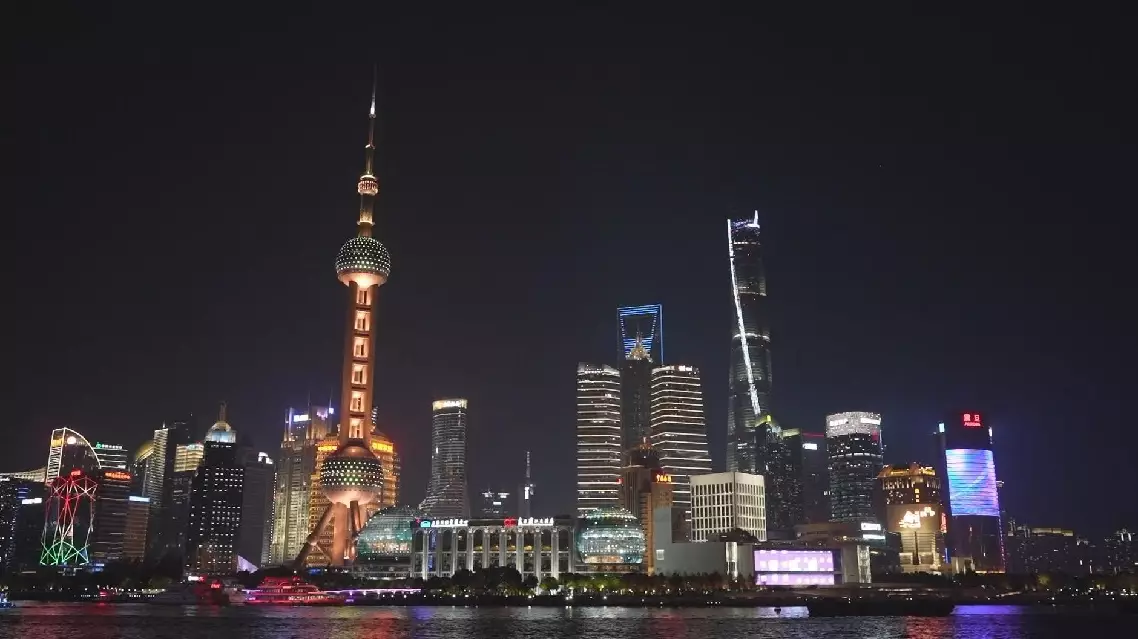
Various cities in China foster new consumption scenarios to stimulate market vitality