NEW DELHI (AP) — Mark Tully, a longtime BBC correspondent who was widely known as the “voice of India” for his reporting on the South Asian nation, has died, the broadcaster said. He was 90.
Tully died Sunday at a New Delhi hospital after a brief illness.
Born in India's Kolkata city in 1935, Tully joined the BBC in 1965 and was appointed its New Delhi correspondent in 1971. He later served for more than two decades as the BBC’s bureau chief for South Asia.
Tully reported on some of India's most consequential events, including the 1971 India-Pakistan war that led to the creation of Bangladesh, the siege of the Golden Temple in 1984, the 1991 assassination of Prime Minister Rajiv Gandhi and the 1992 demolition of the Babri mosque, which triggered nationwide riots.
Tully also reported from Pakistan, Bangladesh and Sri Lanka.
Indian Prime Minister Narendra Modi described Tully as “a towering voice of journalism.”
“His connect with India and the people of our nation was reflected in his works. His reporting and insights have left an enduring mark on public discourse,” Modi wrote on X.
Britain knighted Tully in 2002 for services to broadcasting and journalism. He also received two of India’s highest civilian honors, the Padma Shri and the Padma Bhushan.
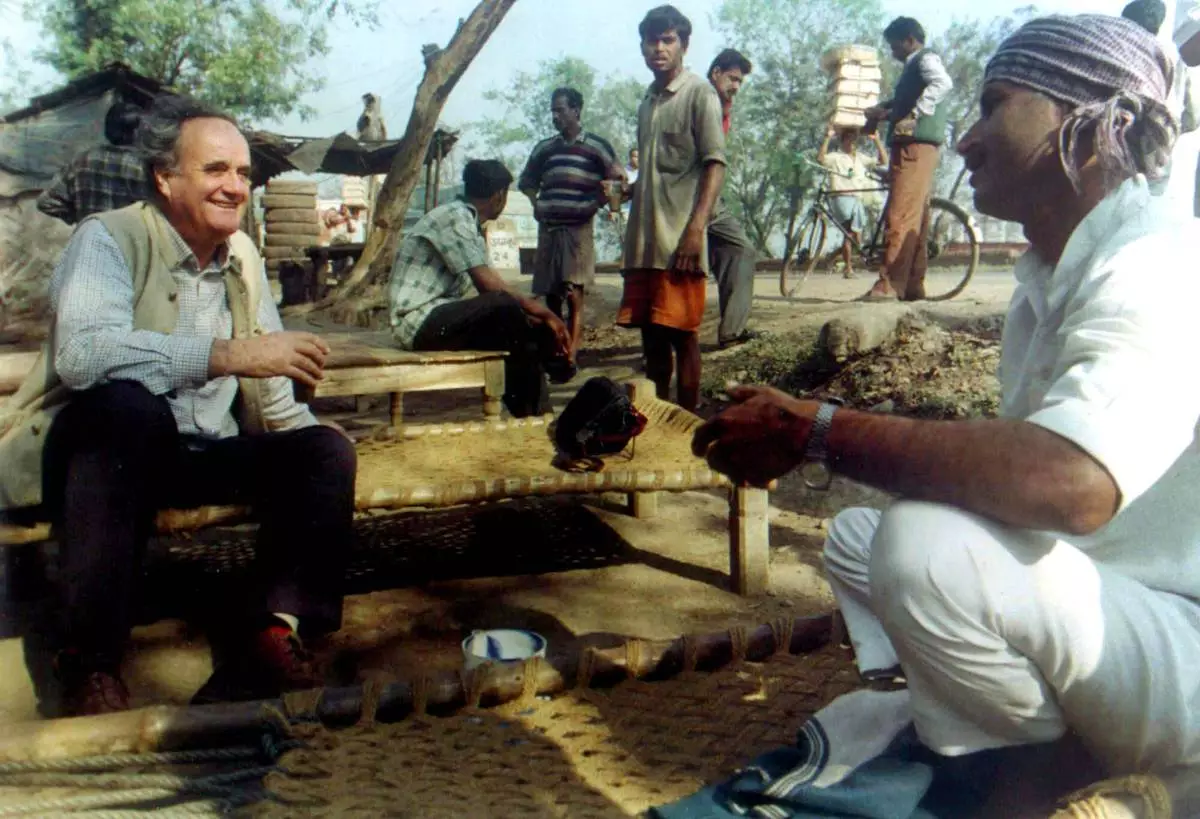
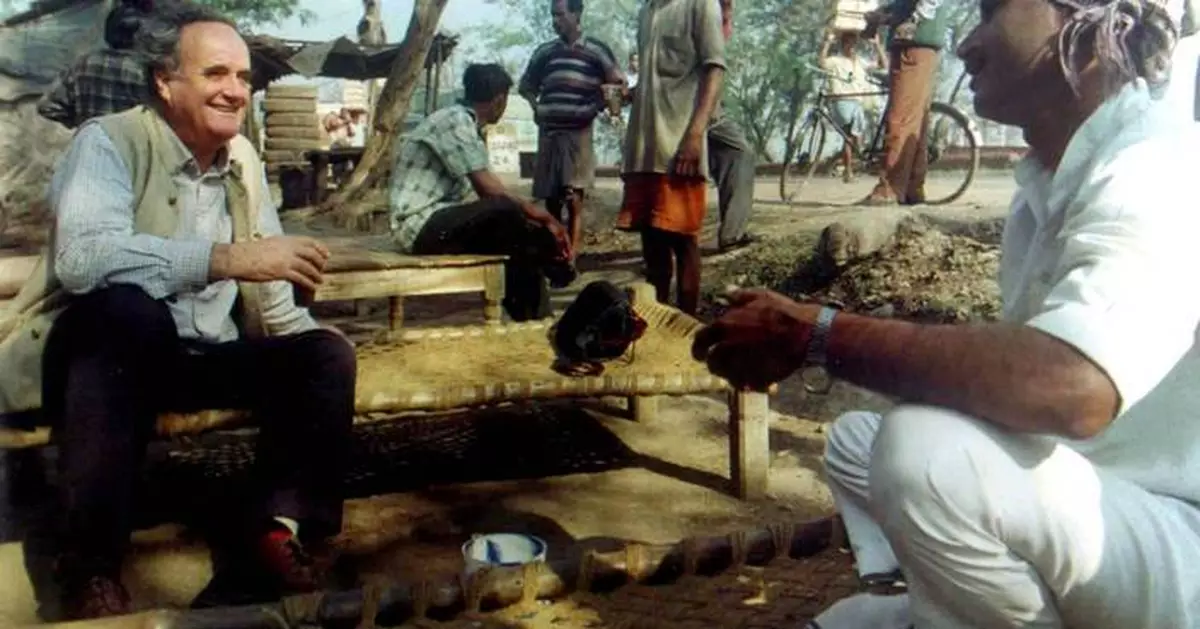
FILE - Former BBC journalist in India Mark Tully, left, chats with a truck-driver at a highway teashop in Dankuni, 20 kilometers (13 miles) northwest of Calcutta, India, Monday, Feb. 18, 2002. (AP Photo/Nilayan Dutta,File)
THE HAGUE, Netherlands (AP) — Judges at the International Criminal Court ruled on Monday that former Philippine President Rodrigo Duterte is fit to stand trial, after postponing an earlier hearing over concerns about the octogenarian’s health.
Duterte is facing charges of crimes against humanity for his alleged involvement in dozens of killings as part of his so-called war on drugs when in office, first as the mayor of a southern city and later as president.
Lawyers for the 80-year old had argued Duterte was in frail health and his condition was deteriorating in the court’s detention unit.
Duterte was arrested in March and was set to appear in court in The Hague in September. That hearing was delayed after a pretrial panel of judges granted “limited postponement” to give the court time to determine “whether Mr Duterte is fit to follow and participate” in the proceedings.
Following an assessment by a panel of medical experts, judges found that Duterte “is able effectively to exercise his procedural rights and is therefore fit to take part in the pre-trial proceedings.”
The hearing has now been reschedule for Feb. 23.
The panel included experts in geriatric neurology and psychiatry. According to court filings, Duterte underwent cognitive testing, as well as mental and physical examinations.
Duterte's lead lawyer, Nick Kaufman, said he was disappointed in the decision and would seek to appeal. The defense was “denied the opportunity to present its own medical evidence and to question, in court, the contradictory findings of professionals selected by the judges,” he said.
Rights groups and families of victims hailed Duterte’s arrest in March. Two organizations supporting the families of suspects killed in Duterte’s crackdown hailed the court’s decision as “a resounding victory for justice and accountability.”
In a joint statement, SENTRO and the CATW-AP said, “The ICC’s ruling reaffirms a simple but powerful truth: No one, not even a former head of state, is above the law.”
According to a filing last month, ICC prosecutors claim Duterte instructed and authorized “violent acts including murder to be committed against alleged criminals, including alleged drug dealers and users.”
Prosecutors announced in February 2018 that they would open a preliminary investigation into the so-called war on drugs overseen by Duterte when he served as mayor of the southern Philippine city of Davao and later as president.
In a move that human rights activists say was aimed at escaping accountability, Duterte, who was president at the time, announced a month later that the Philippines would leave the court.
Judges rejected a request from Duterte's legal team to throw out the case on the grounds that the court did not have jurisdiction because the Philippines had withdrawn from the court. Countries can’t “abuse” their right to withdraw from the Rome Statute “by shielding persons from justice in relation to alleged crimes that are already under consideration,” the September decision says.
Estimates of the death toll during Duterte’s presidential term vary, from the more than 6,000 that the national police have reported to up to 30,000 claimed by human rights groups.
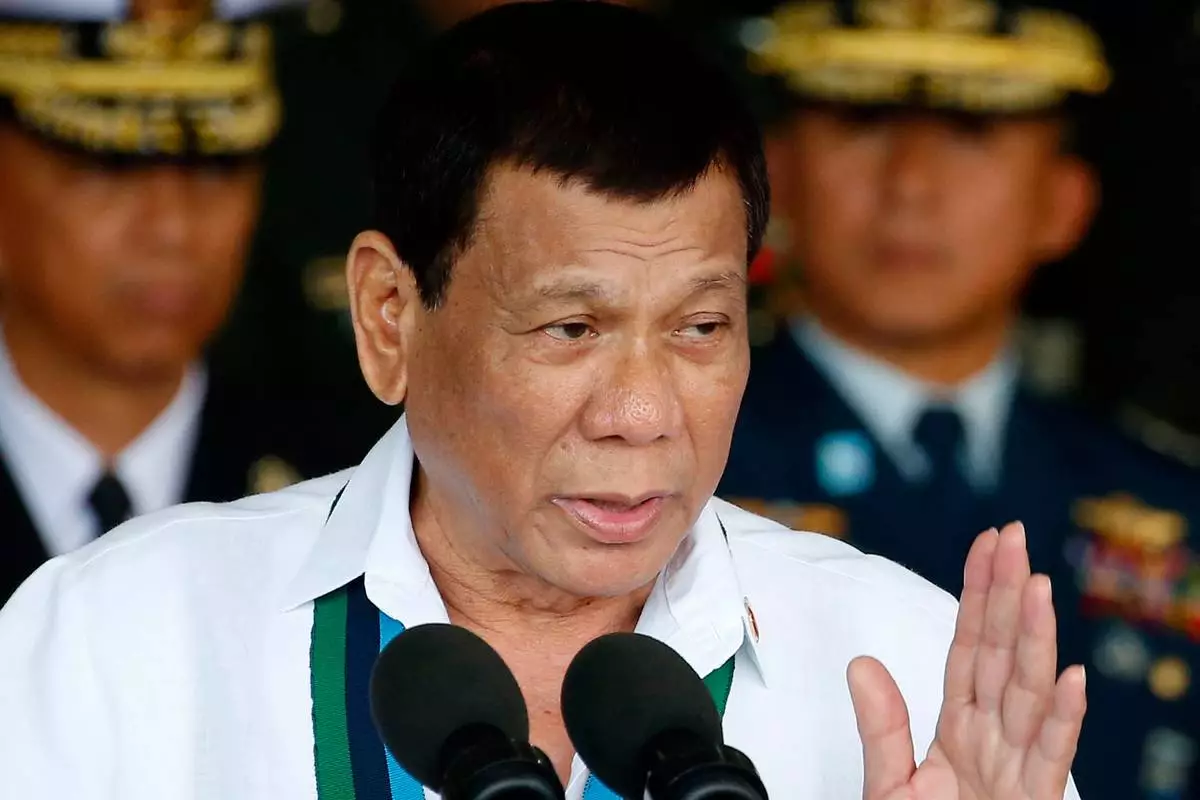
FILE - Philippine President Rodrigo Duterte addresses the troops during the 82nd anniversary celebration of the Armed Forces of the Philippines in suburban Quezon city northeast of Manila, Philippines on Dec. 20, 2017. (AP Photo/Bullit Marquez, File)