Residents in eastern North Kivu Province of the Democratic Republic of the Congo (DRC) said they are struggling to get by with slim economic opportunities available, one year after the March 23 Movement (M23) rebel group captured provincial capital Goma in late January 2025.
The small town of Sake, some 27 kilometers west of Goma, was one of many territories to fall in last year's M23 advance on the North Kivu provincial capital.
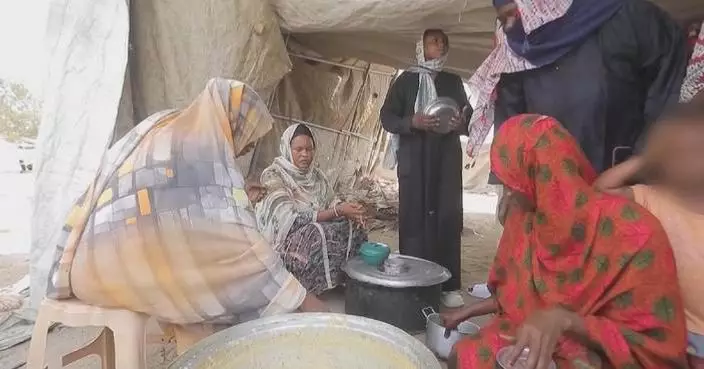
Many Sake residents have returned after spending more than a year in displacement camps in Goma.
Among them is Abdul Rahman Kikandi, a 30-year-old husband and father who is trying to rebuild their life after losing everything to the conflict.
"When we came back to live here in Sake, we were not at ease. We were troubled because we did not know which side we were on. We didn't know whom we should pledge allegiance to. But little by little, we got used to the new rulers, and now, by the grace of God, we have just finished a whole year. Although conditions are very difficult, we still have security, and we thank God for that," said Abdul.
While Abdul said he is satisfied with the general state of security, he admitted that many families are struggling to get by with little to no economic opportunities available to them.
"The M23 has provided us with good security. But what hurts us much more, what bothers us too much, is the crisis, the lack of money. We try things, but nothing works. There is no money, there is no work. Living here has become a new experience. We try different activities, but none of them works. That is the life we currently lead in Sake," said Abdul.
Since the M23's takeover late last January, the region's residents have grappled with near economic paralysis.
It came as the government in Kinshasa refused to authorize banks to reopen in rebel-held territory, viewing it as enabling the occupation.
The breakdown in financial services and movement has left a far-reaching impact on economic activities.
"Life is very difficult at the moment. It's really different from the life we had before and the life we have today. Before, our men all had work and even we, their wives, would go out and find something to feed our children, but now you'll find that someone has no work and his wife, who is trying to set up a business, can't manage it," said Furaha Hangi, another Sake resident.
Rebel administrators have been trying to rebuild the region's shattered economy and have since tightened control over a slice of the country's vast mineral wealth. They have also imposed levies on traders operating in the region.
Eastern DRC has endured decades of armed conflicts, a situation further exacerbated by the resurgence of the M23 rebellion since late 2021.
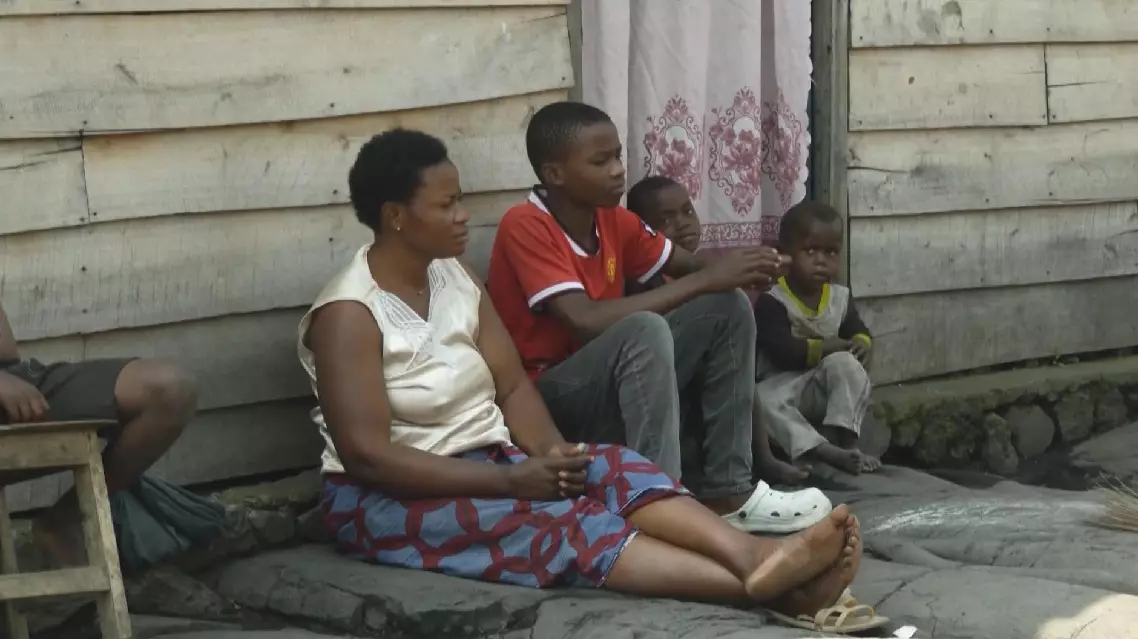
Residents on life in Goma one year after M23's capture
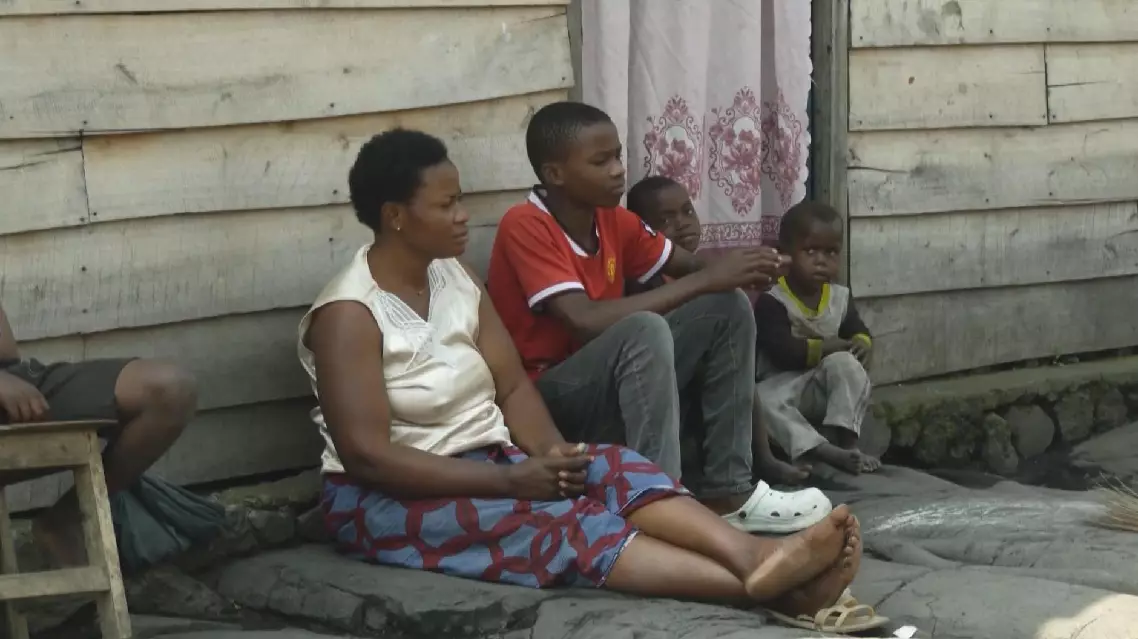
Residents on life in Goma one year after M23's capture
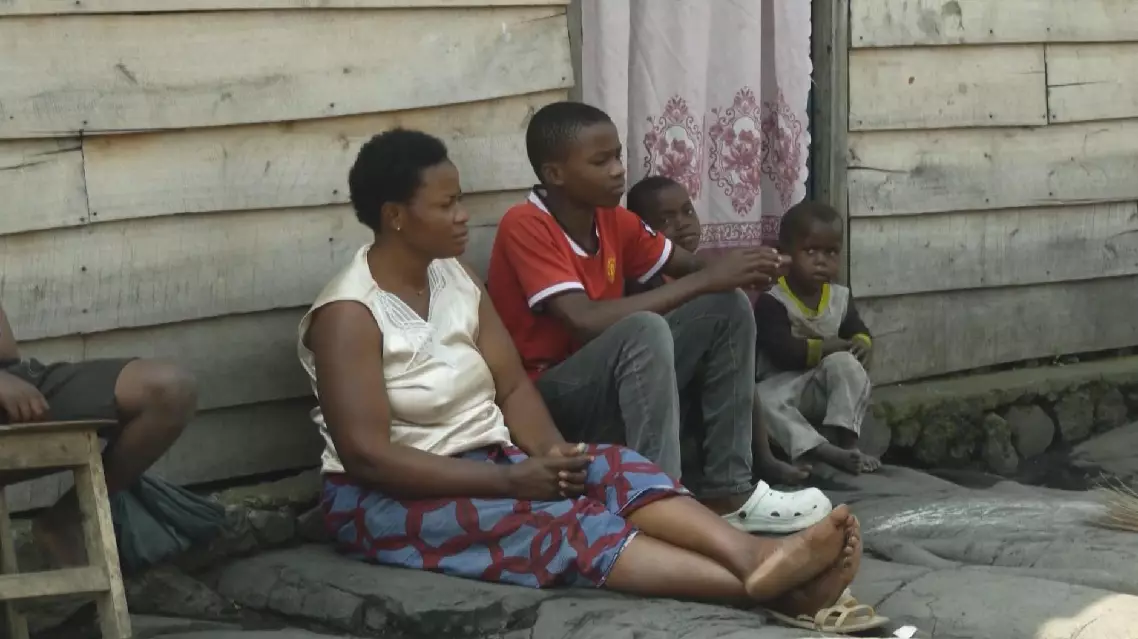
Residents on life in Goma one year after M23's capture