The century-old Guangzhou Railway Station, a major transport hub in southern China, has become high-speed rail exclusive after it handled its last conventional train on Sunday.
The final conventional train, K303, departed the station at 10:29 on Sunday morning, bringing its operations of regular-speed service to an end.
K303's journey covered 1,679 kilometers and took 23 hours and 24 minutes, with an average speed of about 71 kilometers per hour, a stark contrast to the high-speed services.
The station's shift comes as a new national railway timetable took effect on Monday, under which the Guangzhou railway operator added 199 passenger train services across its network.
On the Guangzhou-Shenzhen-Hong Kong high-speed rail line, 52 additional services have been arranged, bringing the total number of passenger trains to 415.
During peak periods, around 30 trains now operate per hour, roughly one train every two minutes, making this corridor one of the most intensively used high-speed rail routes in the country.
As part of the transition, all conventional trains previously originating from Guangzhou Railway Station have been redirected to Guangzhou Baiyun Railway Station.
At the same time, the historic downtown terminal has expanded high-speed services on several major routes, including the Beijing-Guangzhou high-speed line, as well as services linking Guangzhou with Zhanjiang, Nanning, Guiyang and other cities.
The expanded network enables direct high-speed rail access from central Guangzhou to key cities including Beijing, Zhengzhou and Wuhan, significantly improving long-distance travel convenience.
The upcoming 2026 Spring Festival travel rush, scheduled to run from Feb 2 to March 13, will mark the first one since the station's full transition to high-speed rail operations.
Passenger departures are expected to peak at about 100,000 per day, up roughly 20 percent from a year earlier.
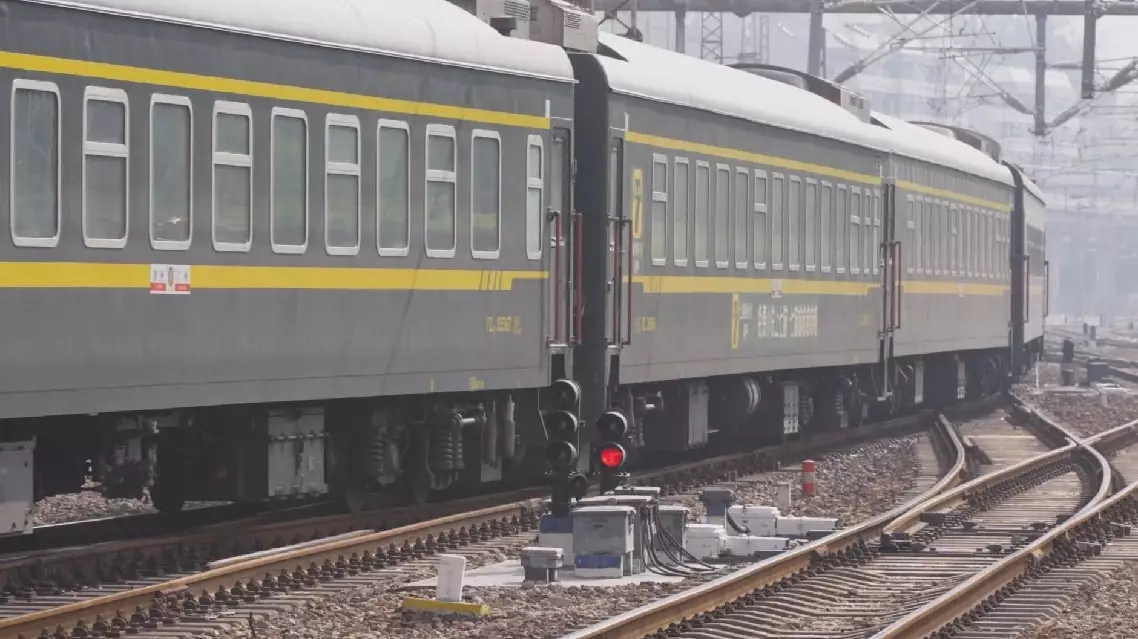
Guangzhou Railway Station becomes high-speed exclusive