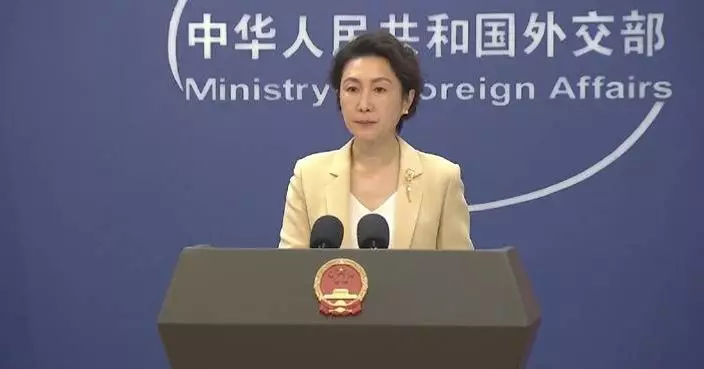
Chinese Premier Li Qiang on Monday presided over a symposium to solicit opinions and suggestions on the draft government work report and the draft outline of China's 15th Five-Year Plan for Economic and Social Development.
Li, who is also a member of the Standing Committee of the Political Bureau of the Communist Party of China (CPC) Central Committee, heard opinions and suggestions on the two documents from leaders of the central committees of non-CPC political parties, the All-China Federation of Industry and Commerce (ACFIC), and representatives of personages without party affiliation.
On economic and social development during the 15th Five-Year Plan period (2026-2030), representatives at the symposium offered suggestions on strengthening macroeconomic regulation, building a robust domestic market, fostering new quality productive forces, deepening reform and opening-up, and safeguarding and improving people's livelihoods.
Li said the opinions and suggestions offered were valuable and expressed appreciation for their support of the government's work.
He stressed that this year marks the beginning of the 15th Five-Year Plan period, uncertainties in the external environment are on the rise, and risks and challenges remain in the country's economic development.
He called for pursuing more proactive and effective macroeconomic policies, strengthening coordination between reform measures and macro policies, and promoting higher-quality economic growth while achieving an appropriate increase in economic output.
Li expressed the hope that non-CPC political parties, the ACFIC and personages without party affiliation will continue to offer advice and suggestions actively, help address prominent challenges to development, and pool greater wisdom and strength in advancing high-quality economic and social development.
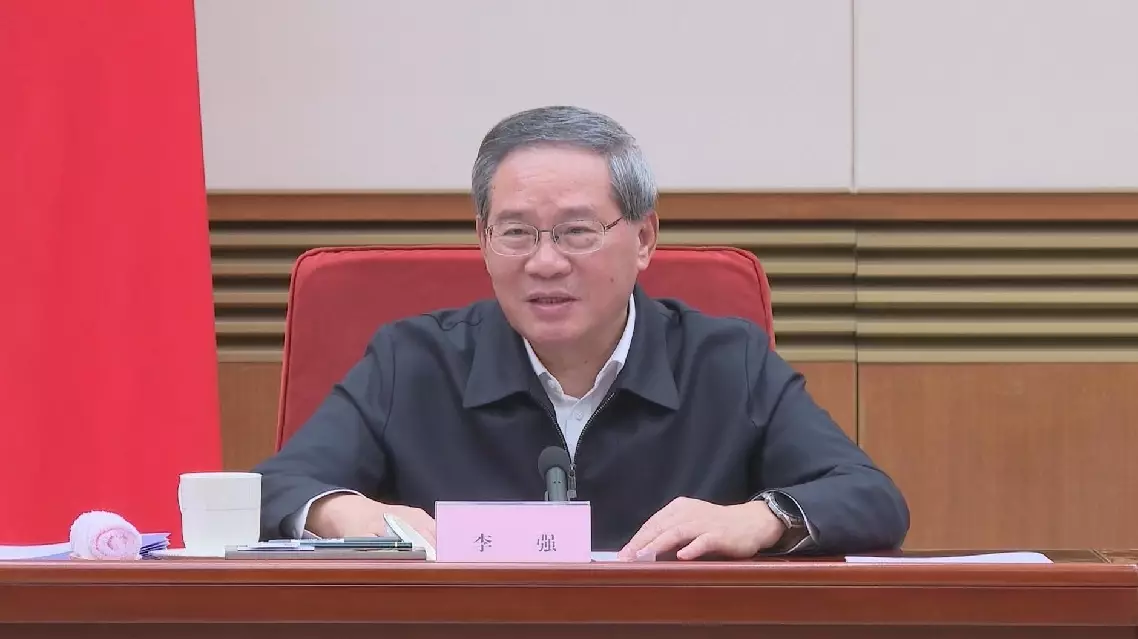
Chinese premier chairs symposium on draft gov't work report, five-year plan
Iraq has seen its aviation industry dealt a huge blow because of continued airspace closures and flight suspensions amid regional hostilities triggered by the recent Israeli-U.S. strikes on Iran.
As security concerns persist while tensions remain high, Iraq announced on Friday it would extend the closure of its airspace for one more week as uncertainty over the conflict continues to hang in the air.
It is estimated that the country's aviation industry has lost more than 43 million U.S. dollars over the past month since the crisis erupted, with the war causing huge disruption to air travel across the region.
"After the closure of Iraqi airspace, airport operations were halted, and revenue from both arriving and departing flights was lost. This includes income from passenger services as well as overflying aircraft, which has significantly impacted overall revenues," said Maytham al-Safi, director of media office of the Iraqi Ministry of Transport.
The impact is being felt across the board, from government revenues to private businesses, as some of the leading travel agencies say bookings have completely collapsed, with some reporting daily passenger numbers dropping from around 100 to just five.
"Our company has been directly affected. We have four branches and around 80 employees, and the impact has been significant. We still have rent and other expenses to cover, so we are trying to adapt to whatever limited business is still possible," said Ahmed Khalid, managing director of the Safari Trip travel and tourism company in Baghdad.
With air travel no longer an option, many Iraqis are turning to overland routes -- often traveling for hours, even days, to reach neighboring countries like Türkiye. But the journey is not only longer and more expensive, it can also be highly risky.
"This situation creates real anxiety for families. It's not only the travelers who are at risk, but also the vehicles transporting them. These journeys can be dangerous. There is always the risk of accidents or even drone strikes. At the same time, costs have doubled, so people are facing both financial and safety pressures," said Anwar al-Mousawi, a local resident.
For many, a sense of frustration is growing the longer the current situation drags on, as civilians bear the consequences of a conflict they are not part of, and with no clear timeline for reopening Iraqi airspace, economic losses and public frustration are expected to deepen.
"The reality is, we are in a country that is not part of this war and did not start it, yet we are the ones paying the price," said al-Mousawi.
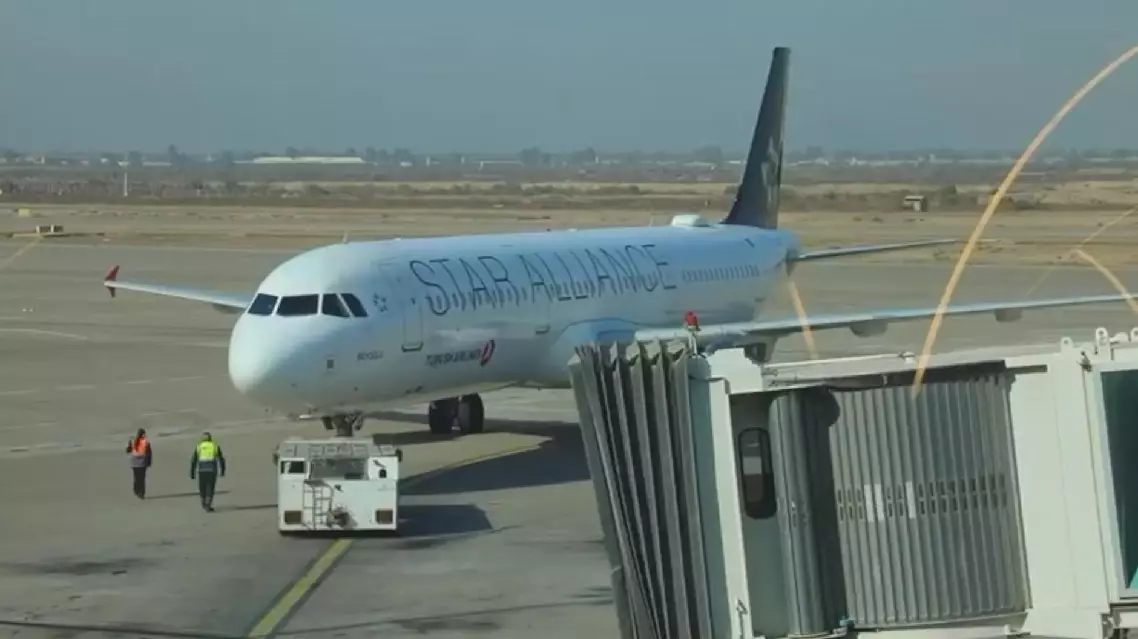
Iraq's aviation industry left grounded as Middle East crisis continues