China Global Television Network (CGTN) is launching an "All Things Horses" challenge, inviting participants from across the globe to submit their horse-themed artistic entries to celebrate the upcoming Chinese zodiac Year of the Horse.
Participants can sketch their dream horses, write out "horse" in their own language, or craft any horse-inspired creation, and share their unique take on the horse by using #AllThingsHorses and tagging @CGTN.
A promotional video for the challenge features a robot writing Chinese calligraphy - bringing a futuristic twist to the traditional Chinese New Year celebrations.
The video also features artist Su Wuxiang, from Dali in southwest China's Yunnan Province, who made a hand-embroidered Yunnan horse using Bai ethnic tie-dye material stuffed with local aromatic plants to create a fragrant seasonal ornament.
Another artist, Bai ethnic woodcutter Zhang Renhua, appears in the video showing off his Jiama woodcarving and woodblock printing skills in his rendition of a horse.
The Chinese New Year, or the Spring Festival, falls on February 17, 2026, marking the beginning of the Year of the Horse. It is one of the most important traditional festivals in Chinese culture, with core customs such as celebrating family reunions, wishing for good fortune and creating traditional crafts.
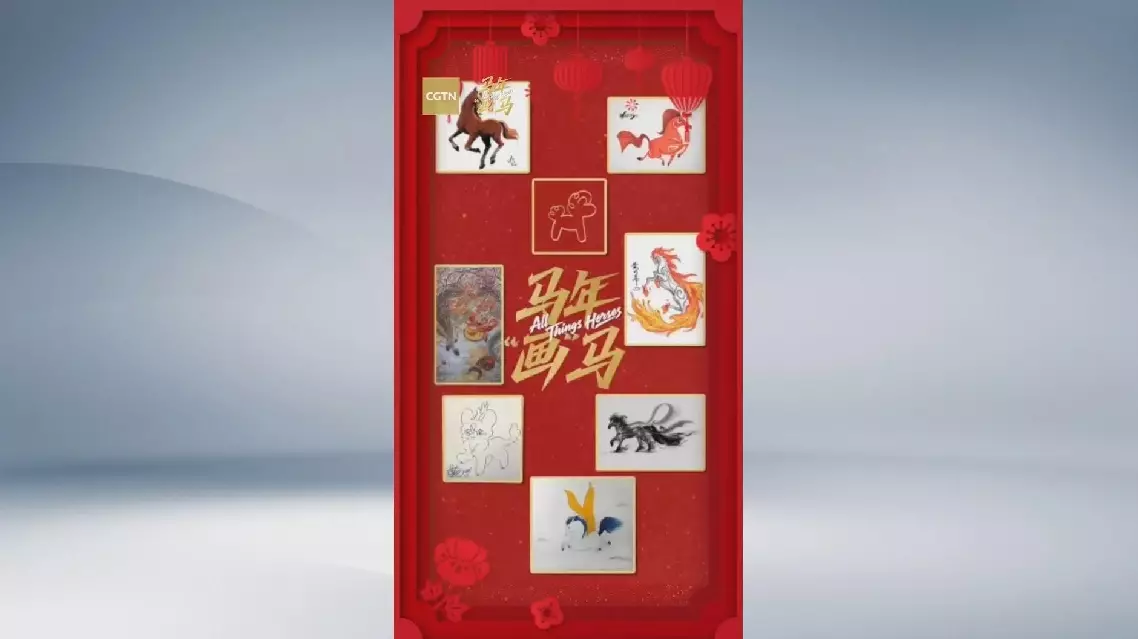
CGTN launches creative challenge to celebrate upcoming Year of the Horse
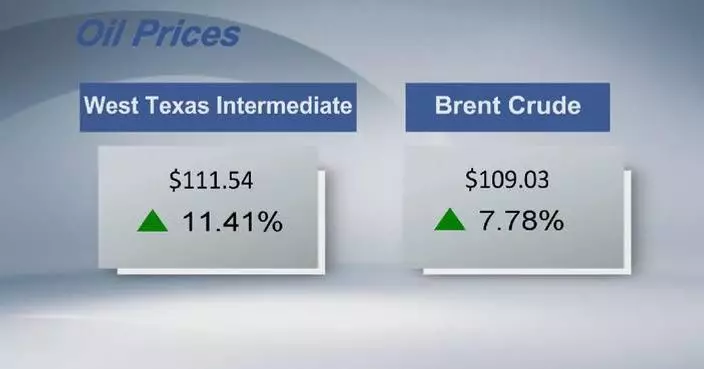
The energy price shock triggered by tensions in the Middle East is weighing on German consumers and industry, placing further downward pressure on Europe's largest economy.
Sustained high oil and natural gas prices are expected to hit both Germany's economy and the global outlook, according to analysts.
"The economic outlook for Germany, and indeed for the global economy, depends crucially on the course of the conflict. This means that we will face a shortage of energy -- oil and gas -- for the foreseeable future, leading to sustained high energy prices. Naturally, this puts a strain on the German economy and also on the global economy," said Timo Wollmershauser, a researcher at the ifo Institute for Economic Research.
Escalating tensions in the Middle East are also denting German consumer confidence, as households grow more cautious about the economic outlook as energy bills climb, according to analysts.
"Germany is facing a major energy price shock. Rising oil prices are eroding real incomes across the country. People are noticing the impact at the pump, for example, and consequently have less money available for other expenses. As a result, consumption will be affected. Overall, this will weaken economic development in Germany," said Oliver Holtemoller, vice president of the Halle Institute for Economic Research.
As growing uncertainty undermines the confidence of German firms and financial markets, further clouding the prospects for an economic recovery, several German research institutes have revised down their projections for the country's future growth.
While the U.S.-Israel-Iran conflict continues, much attention is focusing on the severe disruption to shipping through the Strait of Hormuz -- a vital passageway which typically carries around one-quarter of global seaborne oil trade.
The current crisis along the Strait of Hormuz came as part of Iran's response to U.S.-Israeli operations, which saw it restricting navigation through the strait and targeting any vessels associated with the U.S. or Israel.
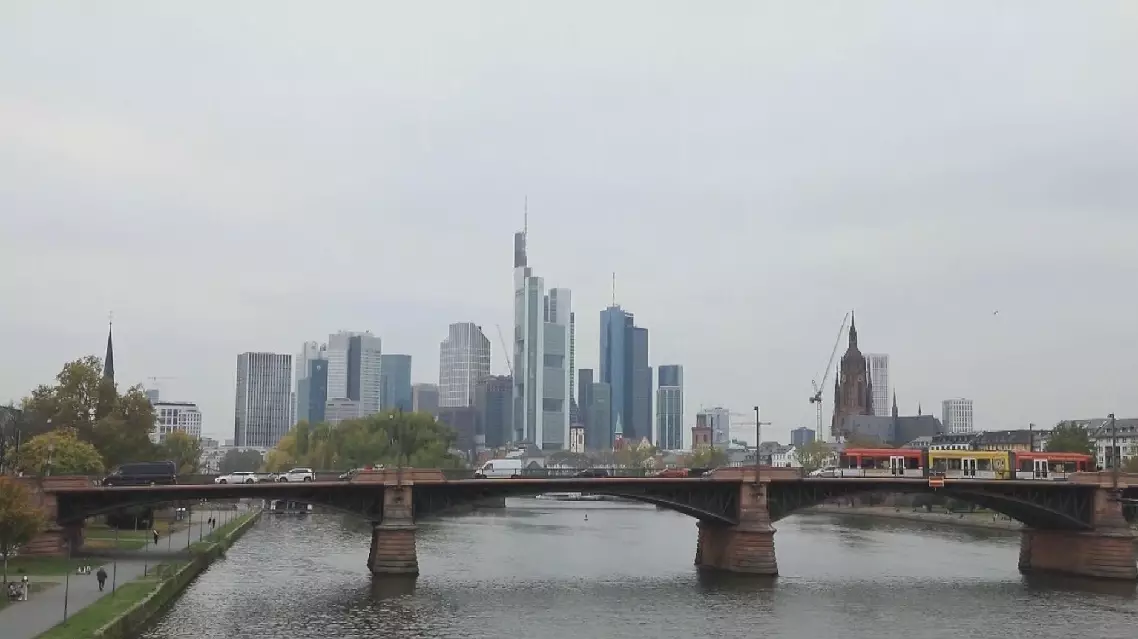
German industry, consumers affected amid Mideast energy shock